Medium-duty fleet managers who have run Hino trucks for several years tend to have strong opinions about maintenance cost. The Hino diesel engines have a documented reliability record in the Class 6 and Class 7 segment, and the trucks carry a lower total cost of ownership story than several of their domestic competitors in the medium-duty space, particularly on preventive maintenance intervals and consumable costs. That operating cost profile is the first thing experienced Hino fleet managers mention, and it shapes the financing case because a lower TCO changes how much a fleet can sustainably spend per unit per month.
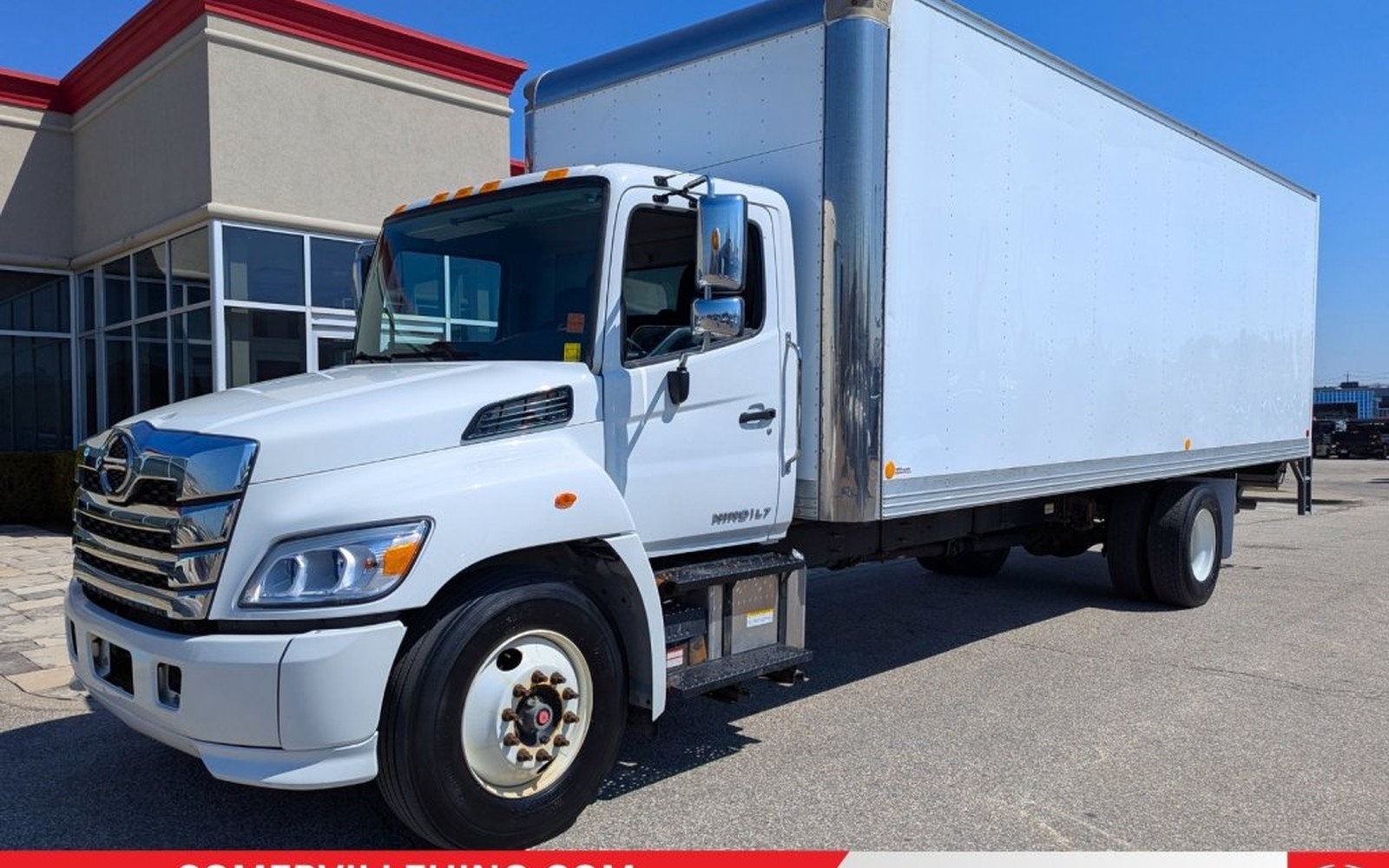
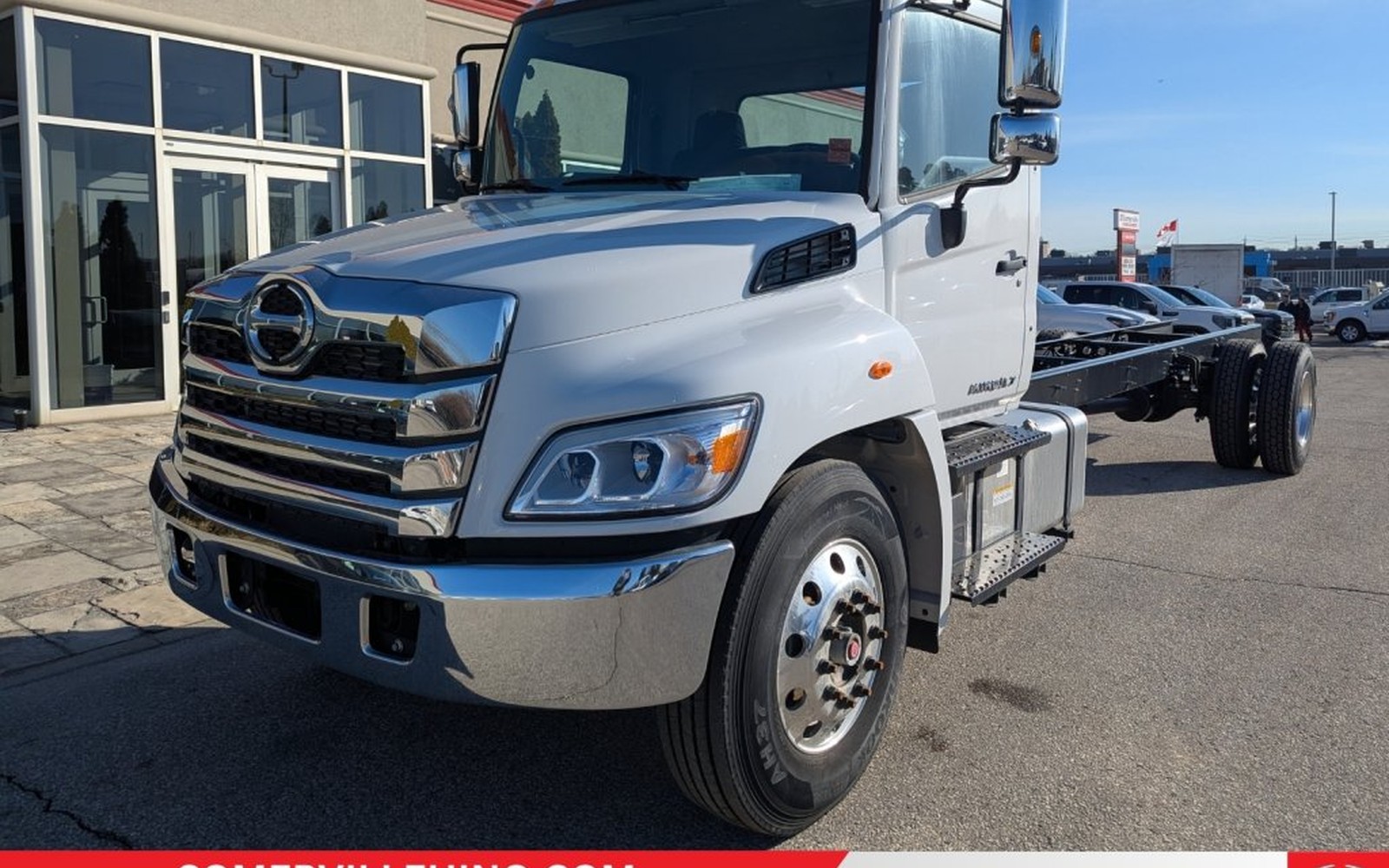
We finance the Hino lineup for fleet operators across a wide range of applications. The Hino 268 is the brand's Class 6 flagship, widely used in regional distribution, delivery, and vocational body applications where its GVW rating and maneuverability profile match the route requirements. The Hino 338 moves up to Class 7, adding payload capacity for heavier body configurations and freight loads. The Hino L6 represents the brand's push into heavier Class 7 applications with its larger engine and extended payload capability.
Transactions start at $50,000. Simplified applications covering up to roughly $400,000 require only a one-page application and three months of business bank statements. Larger fleet transactions or operators with credit complexity use a fuller documentation path, but our review process moves faster than traditional bank underwriting regardless of deal size.
Where Hino Trucks Operate
Hino is a Toyota subsidiary with manufacturing operations in the United States, and the brand's dealer network has expanded significantly over the past decade as the medium-duty market has grown alongside the boom in last-mile and regional delivery demand. The Toyota relationship means access to lean manufacturing practices and quality standards that show up in documented defect rates and warranty claim frequency below many domestic competitors in the Class 6-7 segment.
Last-mile delivery fleets are among the highest-volume Hino users. E-commerce logistics operators, regional distribution centers, and food service distributors running urban and suburban delivery routes favor the 268 for its width profile, turning radius, and body height compatibility with standard dock heights. A fleet running 20 or 30 Hino 268 units in a metropolitan distribution operation can standardize parts inventory, driver training, and maintenance scheduling across all units in a way that reduces administrative cost significantly.
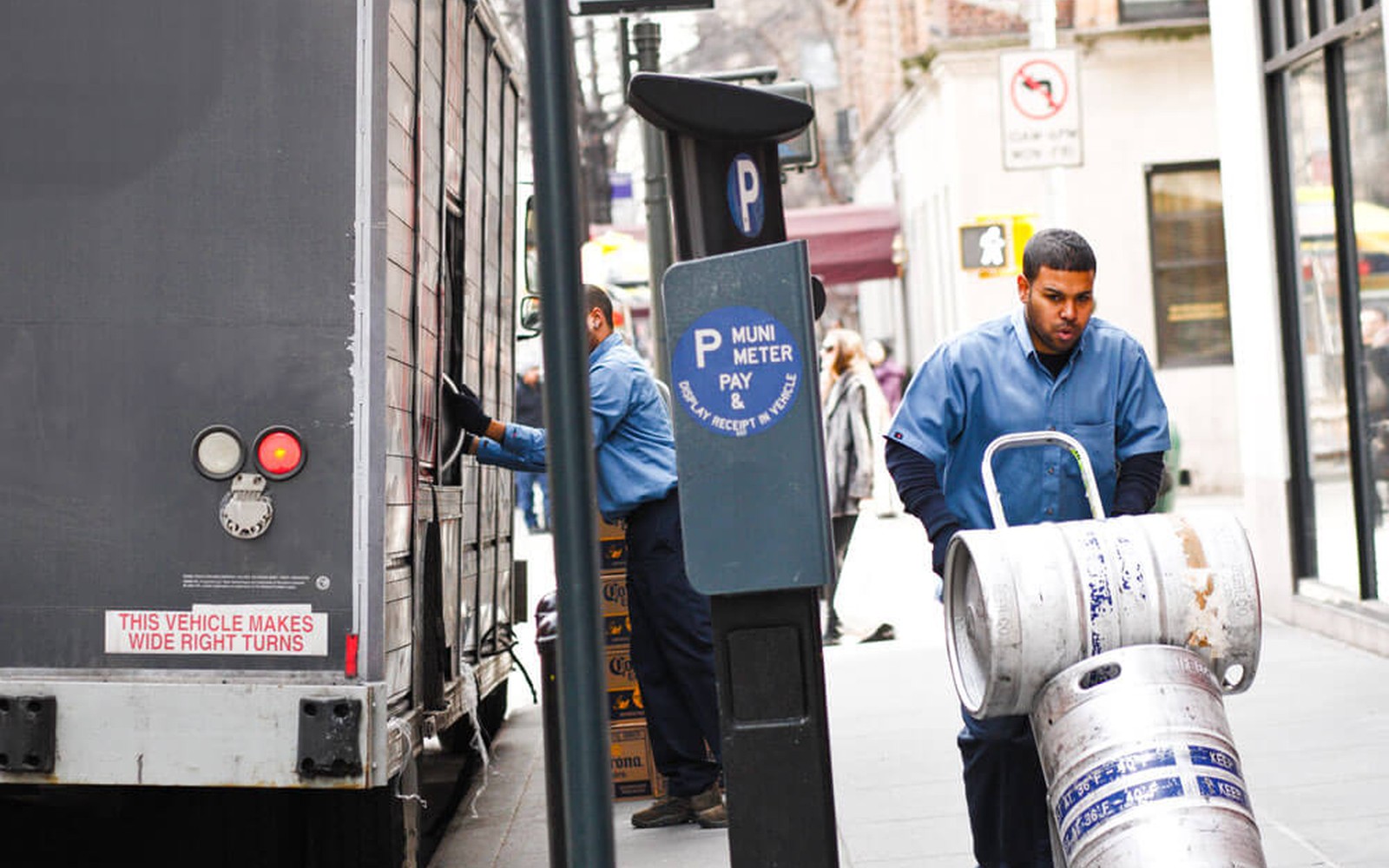
Beverage distribution fleets also run Hino extensively. The 268 and 338 body configurations match the payload and cube requirements for route truck delivery of beverages, and the lift gate and refrigeration body options that distributors need are widely available from upfitters who work regularly with the Hino chassis. These are multi-year fleet relationships where operators replace units on rolling schedules, and financing that moves quickly matters when a unit needs replacement mid-cycle to maintain route coverage.
What Qualifies for Hino Financing
Hino financing through our programs covers new trucks purchased from authorized Hino dealers and used trucks from dealers or private sellers. The Hino dealer network is focused on the medium-duty segment, which means parts availability and service coverage are good in most major metro areas and regional markets, even outside of the largest cities. That dealer coverage is a positive factor in the collateral analysis because it supports residual value and reduces downtime risk on financed units.
Used Hino trucks in the 268 and 338 configurations hold value reasonably well in the secondary market, supported by a base of fleet buyers who know the brand and understand the operating cost advantages. Used unit financing requires documentation of condition and mileage, and we may request an inspection on trucks above certain age or mileage thresholds. Private-party used Hino transactions are eligible but require clear title documentation.
Fleet operators who want to take advantage of tax deductions on new Hino purchases should plan their financing structure with Section 179 deduction timing in mind. New or used Hino trucks placed in service before year end can qualify, and the financing structure can be set up to support the deduction while keeping monthly payments manageable.
Financing Structures for Hino Fleet Operators
Fleet operators cycling Hino trucks on a regular replacement schedule often prefer a TRAC lease structure over a conventional term loan. The TRAC lease sets a predetermined residual at end of term, which keeps monthly payments lower than a loan to zero residual, and the lessee has flexibility at the end of the term to purchase at the residual, return the unit, or renew the lease. For fleets that want to cycle to newer Hino units every four or five years without carrying depreciated residual risk, TRAC is often the most efficient structure.
Operators adding Hino trucks to a fleet that is already partially financed through us can use our fleet equipment line of credit to add units against an approved credit facility without submitting a new application on each truck. This is particularly useful for distribution operators who need to add capacity quickly in response to new delivery contracts without waiting two weeks for an individual truck approval each time.
Sale-leaseback is available for Hino operators who have accumulated paid-off units in their fleet and want to extract working capital without selling the trucks. Medium-duty fleet operators in the distribution sector sometimes carry a large number of paid-off Hino units on their balance sheet, and a fleet sale-leaseback on those trucks can generate meaningful capital for other business needs while keeping the fleet intact.