Long-haul revenue lives on miles per truck per week, and sleeper tractors are the unit of production that drives that number. A fleet running transcontinental lanes out of Dallas, Chicago, or Los Angeles knows exactly what a truck-down event costs: not just the repair bill, but the missed miles, the broker relationship that frays, and the driver who moves on to a carrier with newer iron. Our sleeper tractor financing is built for fleet operators who treat their trucks as assets to be actively managed, not just machines to be repaired until they stop.
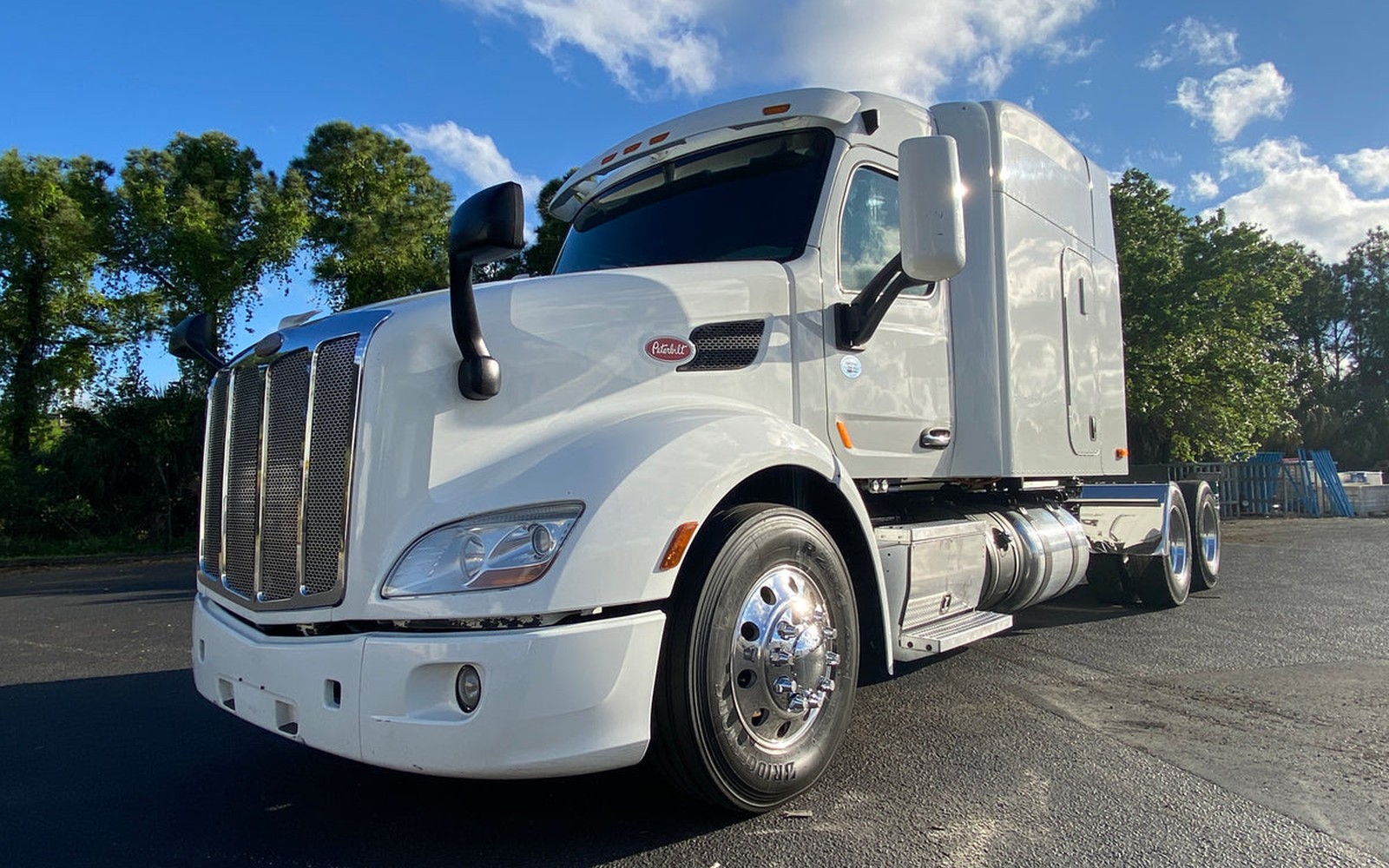
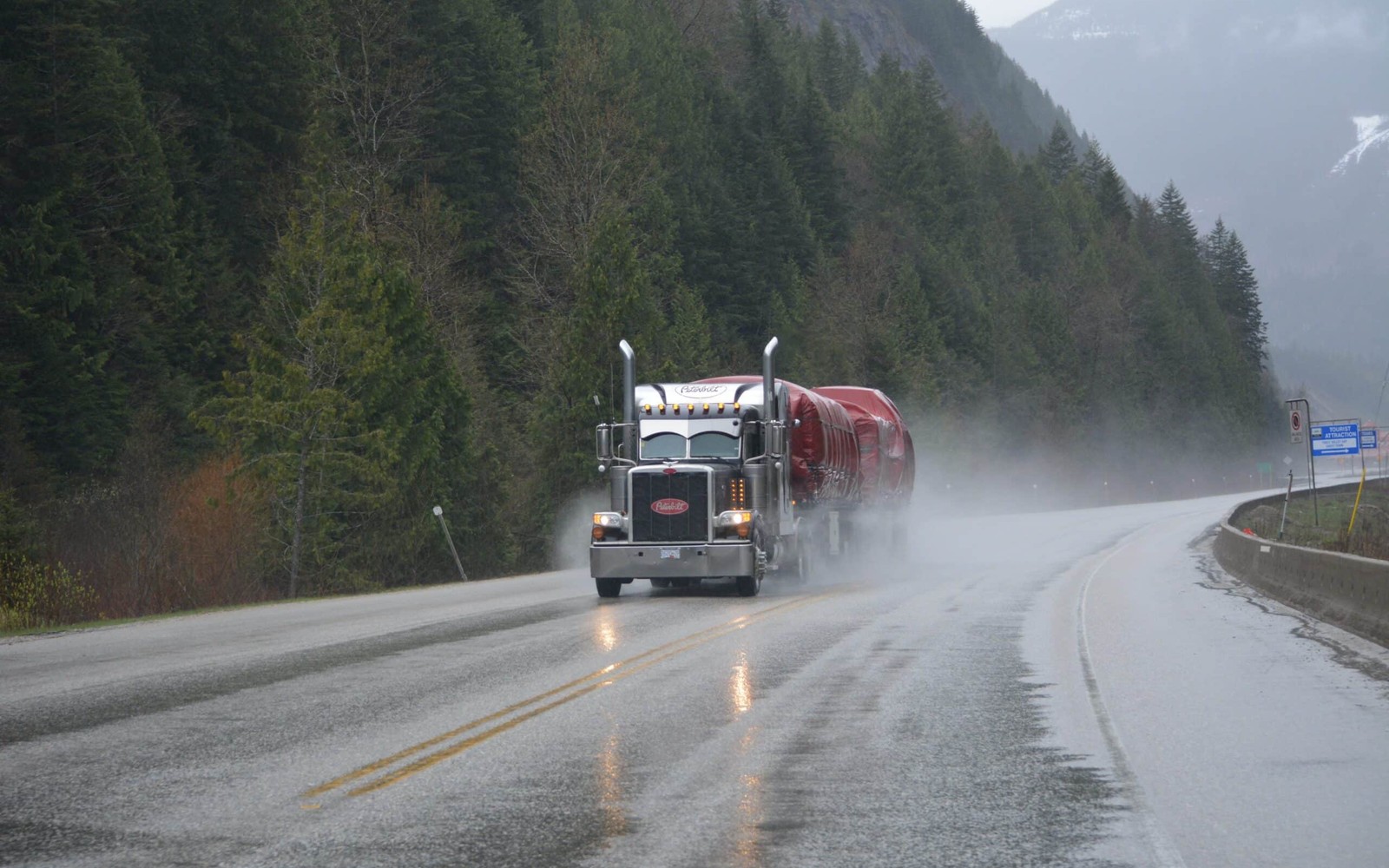
Class 8 sleeper tractors occupy a wide spec range. A 72-inch raised-roof sleeper on a Peterbilt 579 or Volvo VNL for OTR freight is a very different financial animal than a 40-inch mid-roof on a regional carrier's fleet. New sleepers at current market pricing typically run $170,000 to $200,000 for a fully optioned OTR configuration. Late-model used units with 400,000 to 700,000 miles trade in a wide band depending on make, spec, and service history. We finance both, across the full credit spectrum, from A-credit fleets buying new and trading on volume to operators with prior financial challenges rebuilding with used equipment.
Our program starts at $50,000 per deal. Application-only processing is available up to approximately $400,000, which covers most single-unit and small multi-unit sleeper transactions without requiring a full financial statement package. Bank statement review handles larger fleet additions. Funding takes about one to two weeks from an approved and documented application.
Long-Haul Spec and What It Means for Financing
A sleeper's configuration affects both its utility and its residual value, which together shape how lenders underwrite the deal. The most financeable sleeper is a conventional cab-over-the-engine configuration with a recognized OTR drivetrain (Cummins X15, Detroit DD15, or PACCAR MX-13 in the 400 to 500 horsepower range) paired with an Eaton Fuller Advantage 18-speed or an Allison automatic, and a 72-inch raised-roof sleeper. These units trade actively in the used market, have established residual curves, and are readily appraised.
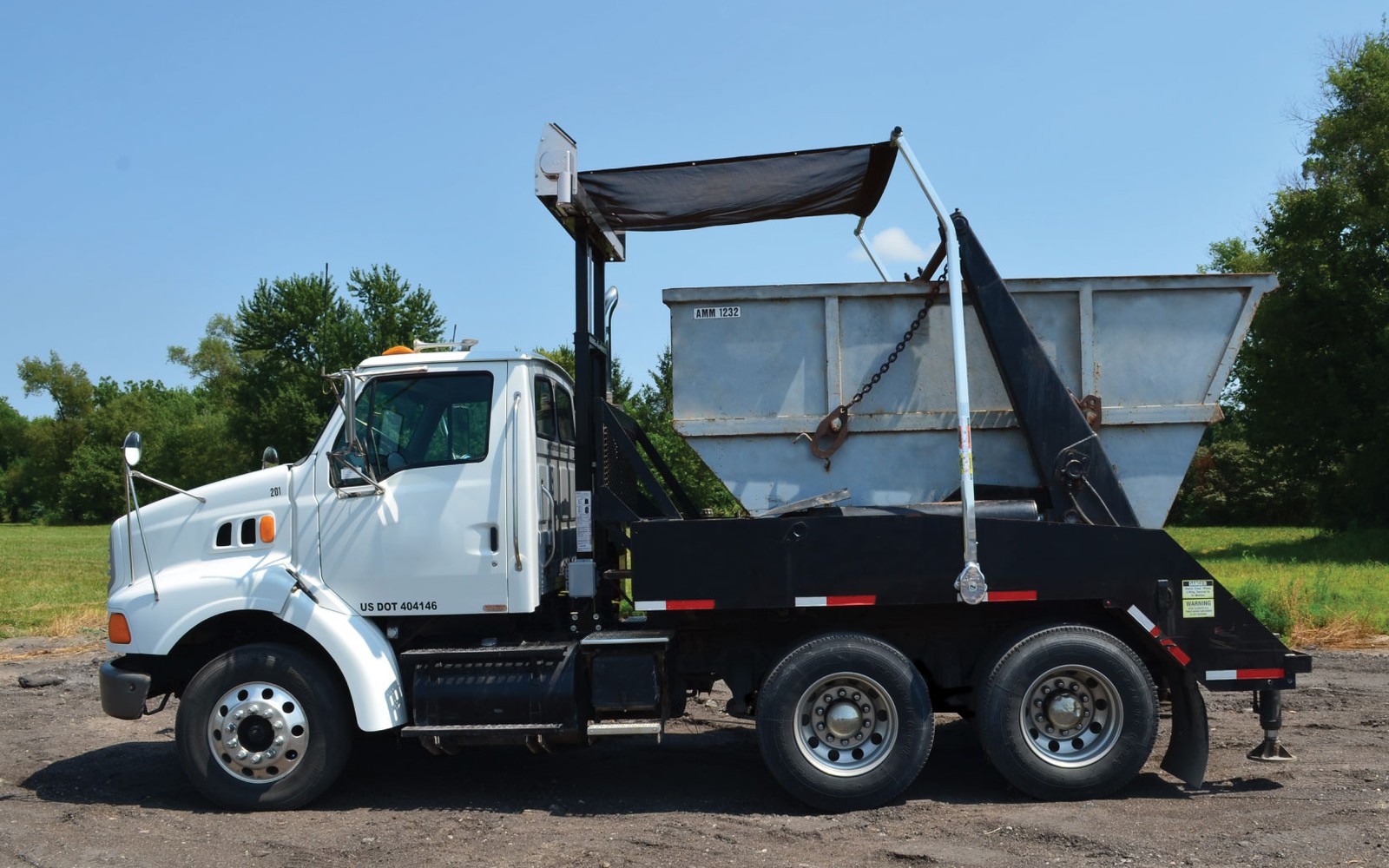
Trucks that are spec'd for more specialized applications, such as tanker pulls, oversized freight, or flatbed heavy haul, carry a narrower resale market. That does not make them unfundable, but it means the advance rate discussion is different. A tanker-spec sleeper with a day-cab body and wet kit may qualify for financing with a slightly larger down payment to protect the lender against a smaller pool of willing buyers at resale.
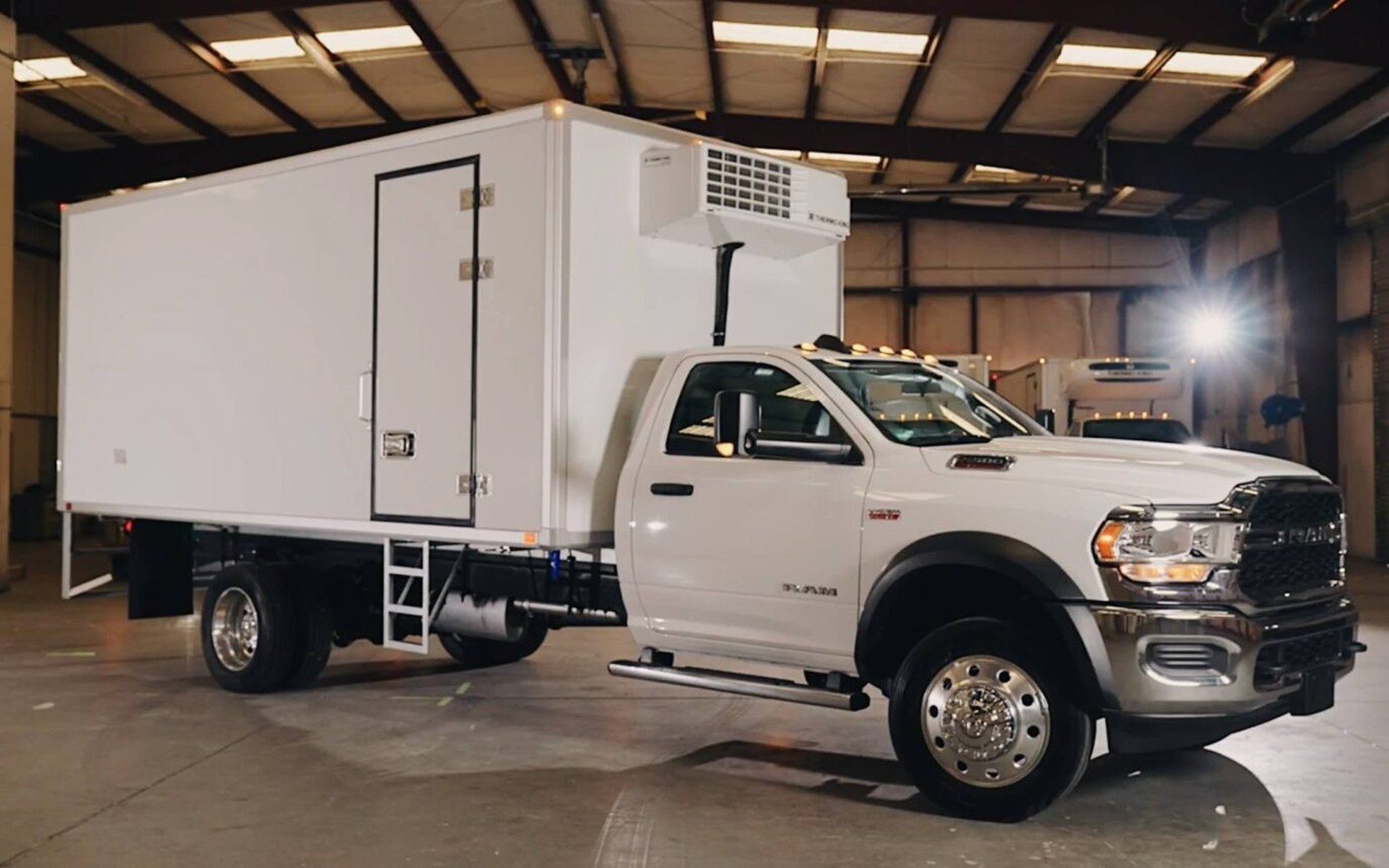
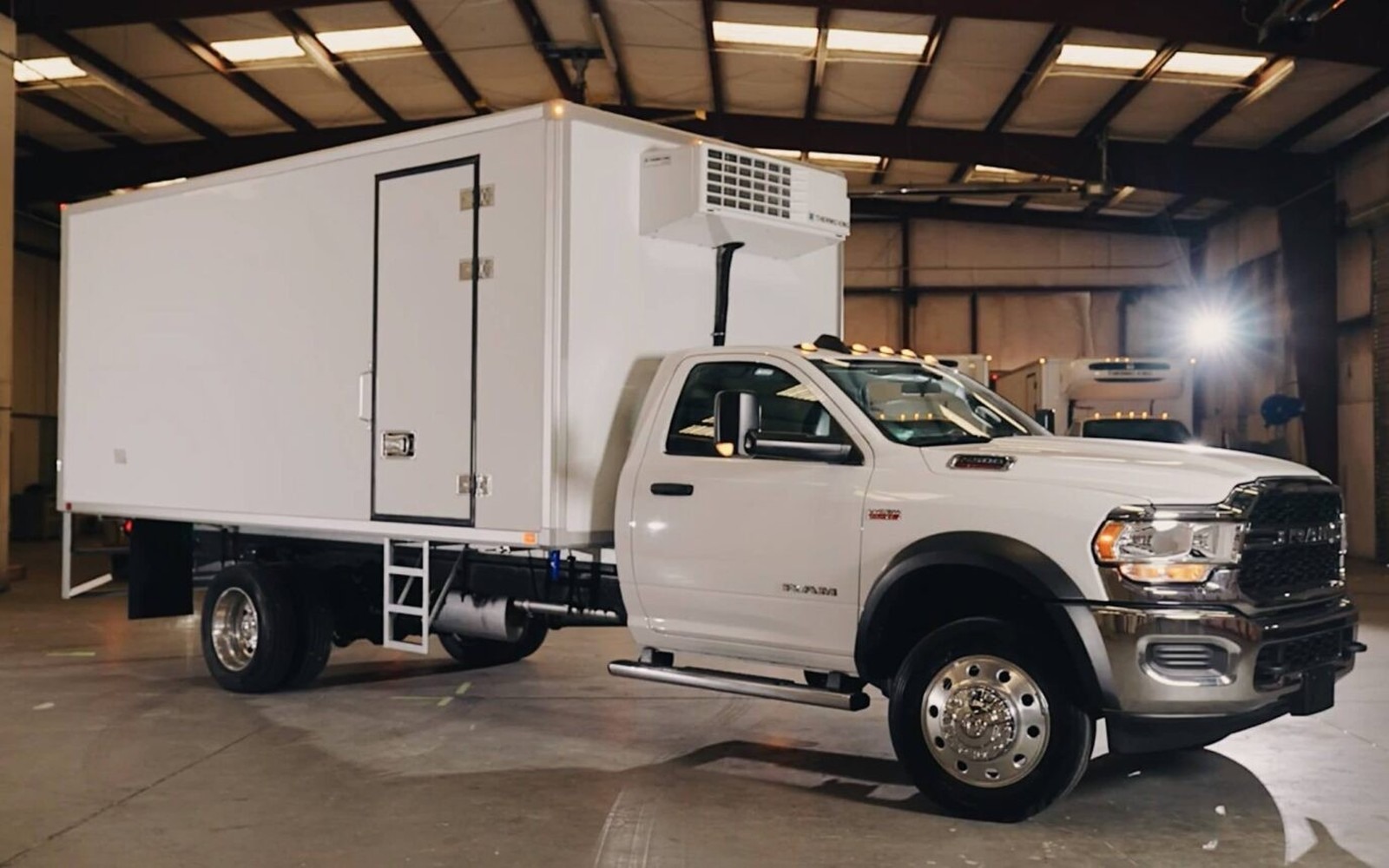
Fleet managers adding sleepers to lanes served by flatbed trucks or refrigerated trucks often need a mix of tractor types. Bundling those purchases into a single financing application is efficient and sometimes improves the blended terms on the package.
Payment Structure and Total Cost of Ownership
Fleet finance is not just the monthly payment. It is the effect of that payment on available cash while the truck earns. A well-structured sleeper deal preserves enough operating margin that a slow freight week does not produce a cash crisis. We structure terms from 24 to 72 months, with term length tied to the unit's age, mileage, and the borrower's credit profile.
Longer terms lower the monthly obligation but increase total interest paid. Shorter terms cost more each month but build equity faster, which matters if you plan to refinance or sell into a sale-leaseback arrangement down the road. We walk through both scenarios with every customer so the choice is informed, not just defaulted to whatever the lender offers first.
Down payment requirements vary. Strong credit with new equipment from a franchised dealer can close with little or no down. Used equipment with B or C credit typically requires 10 to 20 percent down. If cash is tight, a fleet sale-leaseback on trucks you already own outright can generate the capital needed for a down payment on the next unit without disrupting operations.
The Fleet Profiles We Serve
A meaningful share of our sleeper tractor business comes from owner-operators who ran one truck for several years, built a track record, and are ready to add a second or third unit. That transition from single-truck owner to small fleet operator is one of the most common scaling moments in trucking, and it is also one of the most underserved by conventional lenders who want to see three years of fleet financials before approving a second unit.
We also serve established fleets running 10 to 50 units that are cycling out older year-model tractors on a planned replacement schedule. These operators typically know exactly which units are coming off warranty and which drivers they need to keep happy with newer equipment. Multi-unit applications structured around a replacement cycle work well with our program.
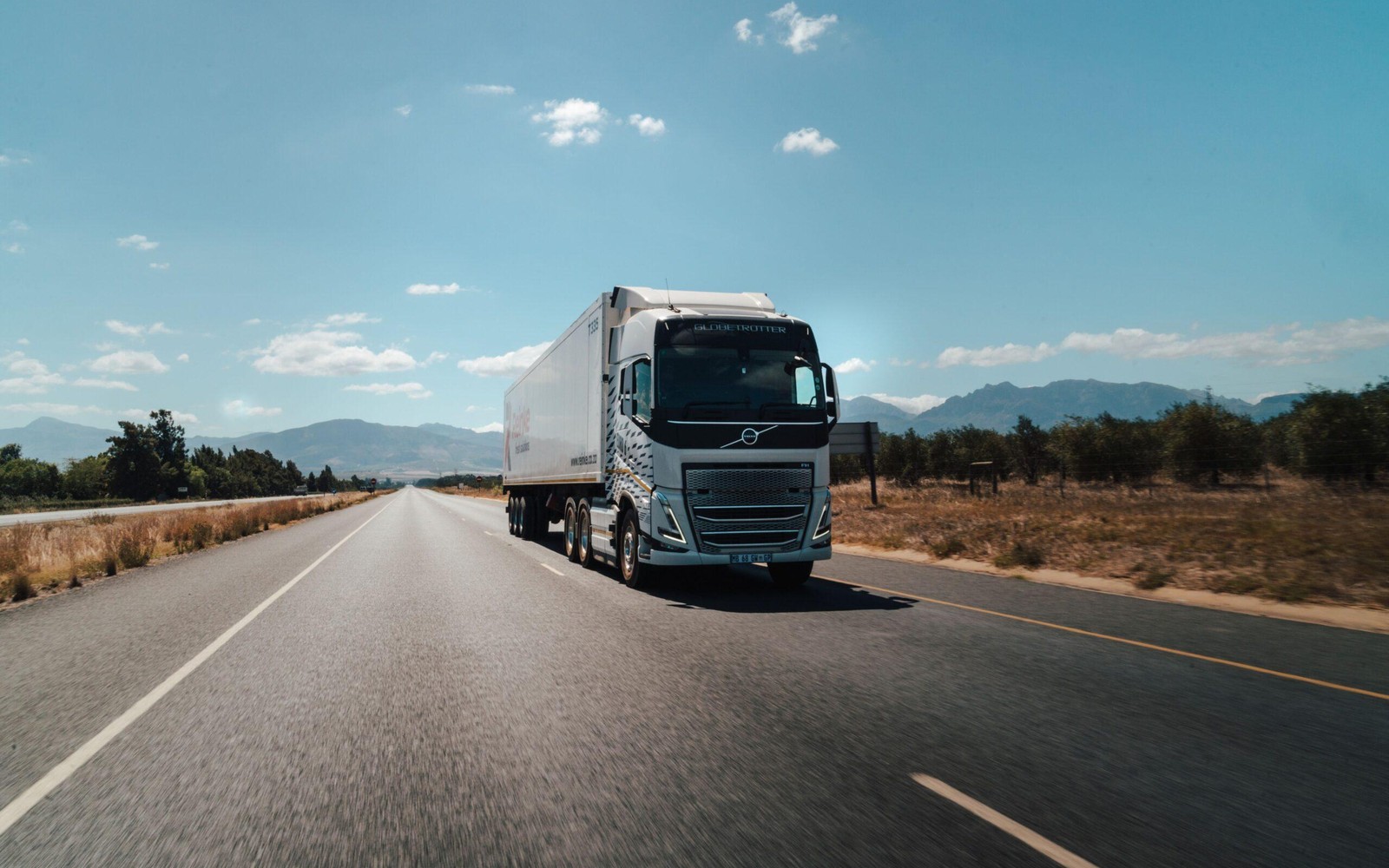
Long-haul freight hauling operators are the core of this segment. We also see fleets serving food distribution lanes that need temperature-chain capable power units for their reefer trailers. Contact us to discuss your specific fleet situation and the lanes you are running.
Refinance and Equity Options on Existing Sleepers
Fleets with paid-off sleepers or units with remaining equity can access that capital through a refinance or sale-leaseback. A cash-out truck refinance puts working capital in your account while you keep the truck running your lanes. It is useful for covering a down payment on additional units, handling a major repair on other fleet equipment, or bridging a slow freight quarter without drawing down the operating line.
Sale-leaseback goes further, converting full truck equity to cash while keeping the unit in service under a lease. Operators who own five or more sleepers outright sometimes use this to fund a fleet expansion without bank debt. The trucks stay working; the balance sheet shifts. It is worth understanding both tools before you decide on the best capital path for your situation.