Most fleet replacement decisions are driven by uptime math. The Section 179 deduction adds a tax dimension that occasionally makes replacing a truck in the fourth quarter not just operationally smart but substantially cheaper on an after-tax basis than waiting until January. Under Section 179 of the Internal Revenue Code, a business that places qualifying equipment in service during the tax year can elect to deduct the full purchase cost immediately, up to the statutory limit, rather than recovering that cost through multi-year depreciation schedules. For a fleet operator in a meaningful federal tax bracket, that front-loaded deduction is real money.
The deduction is not a government grant. It accelerates an expense you were always going to take; it does not eliminate the cost of the truck. What it does is move the tax benefit from spread across several years into the year you actually need the truck. Paired with financing, the structure becomes powerful: you pay a down payment and monthly installments from operating cash flow while claiming a deduction on the full equipment cost in year one, which reduces your tax bill by an amount that can exceed what you paid out of pocket for the truck in that same year.
This page explains how Section 179 applies to commercial trucks, what financing structures work best with it, and what to discuss with your accountant before year-end. We are not tax advisors, and the rules change periodically, so the specifics belong with your CPA. Our role is helping fleet operators finance acquisitions fast enough that trucks get placed in service before December 31.
Which Trucks Qualify for Section 179
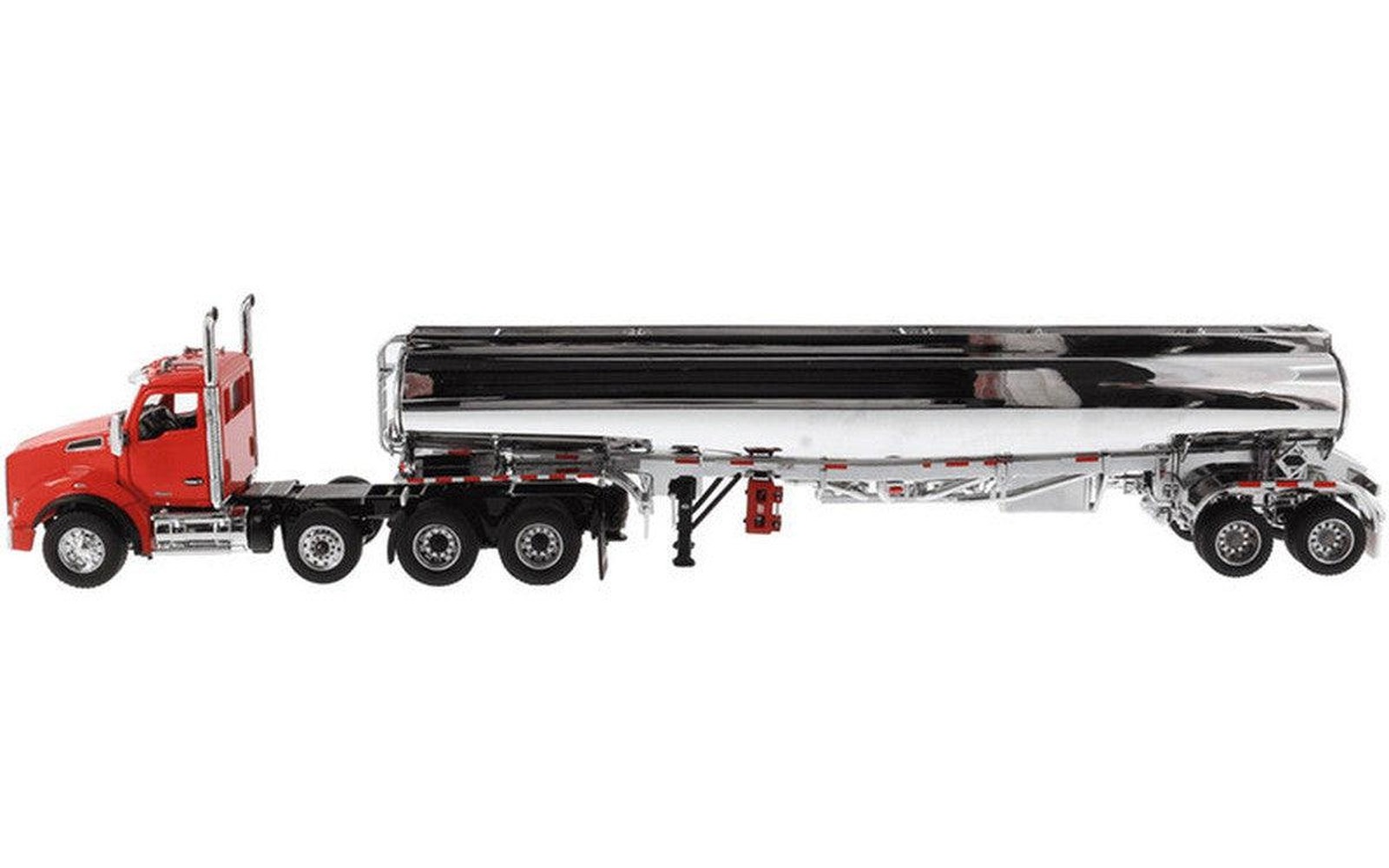
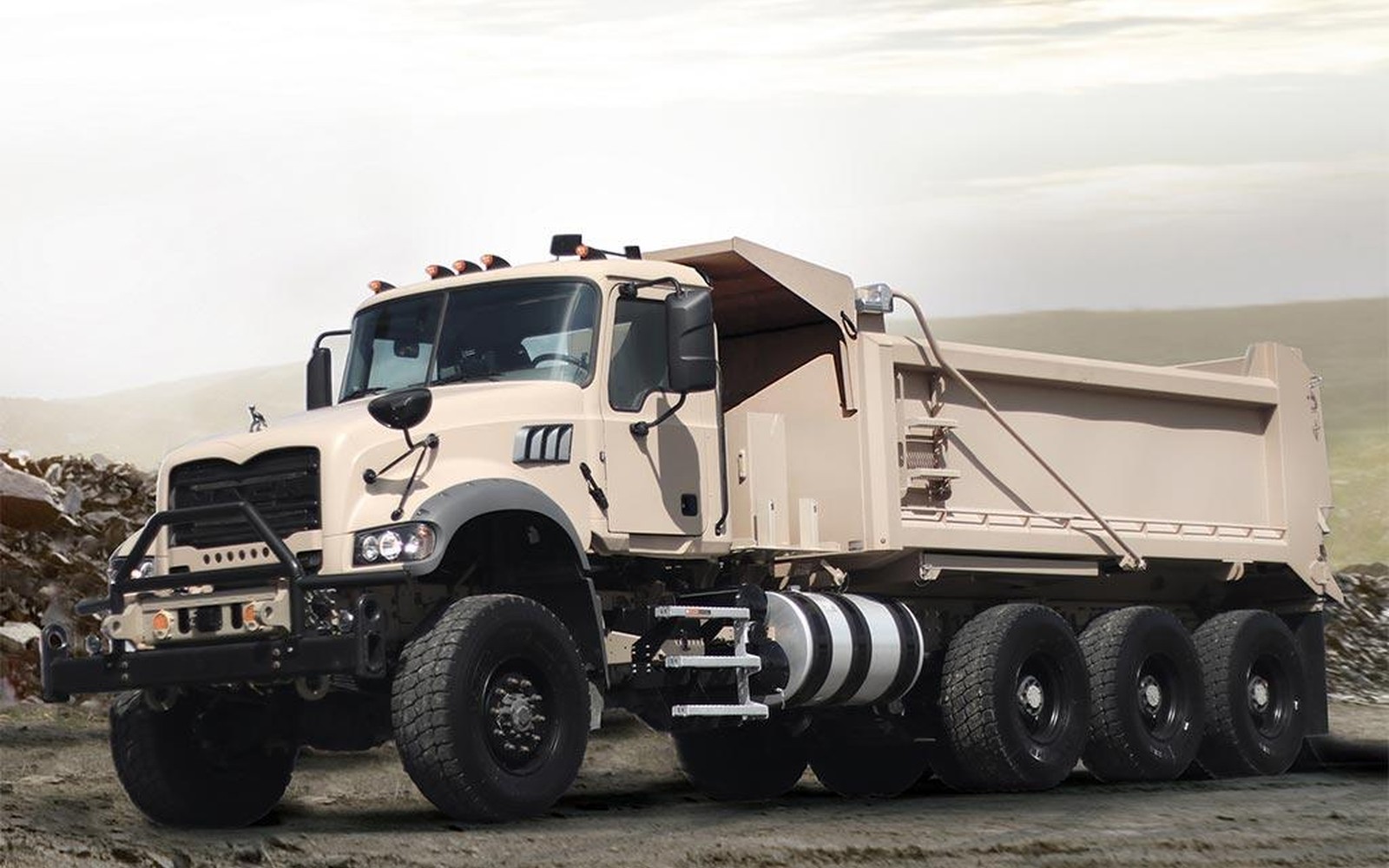
Heavy commercial trucks used in business qualify for Section 179 in most cases. The key thresholds are gross vehicle weight rating (GVWR) and business use percentage. Vehicles with a GVWR above 6,000 pounds used more than 50 percent for business purposes are eligible for the deduction. Most Class 6, 7, and 8 commercial trucks clear this threshold easily; a Freightliner Cascadia, a Kenworth T680, or a Mack Granite vocational truck are well above 6,000 pounds GVWR and are presumed to be commercial use assets by their very nature.
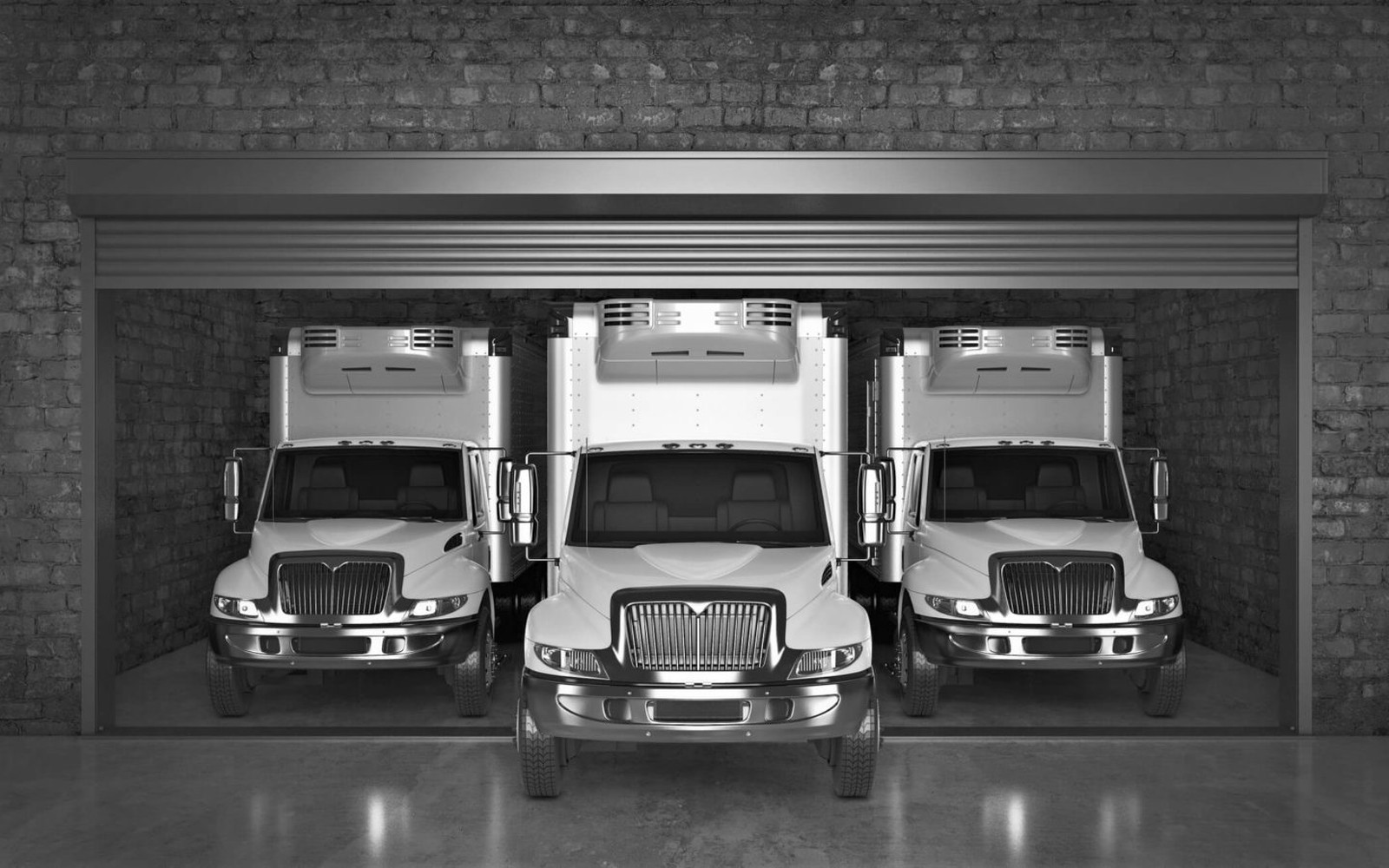
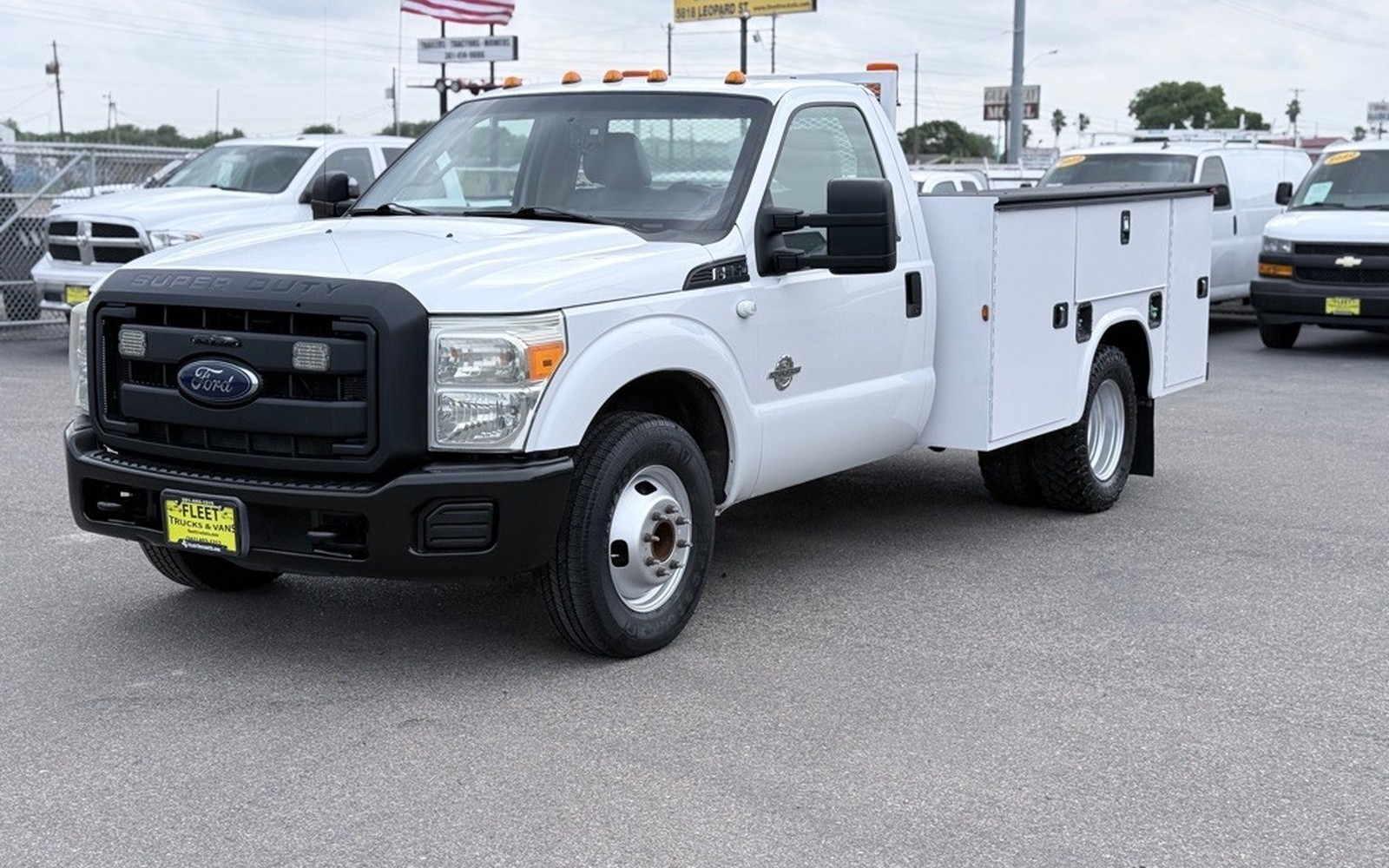
Medium-duty trucks including box trucks and service trucks in the Class 4 and 5 range also qualify, provided the business-use percentage test is met. The complication arises with lighter pickup trucks and vans that may be used for mixed business and personal purposes; those vehicles face additional limitations under what the tax code calls the luxury vehicle rules, which cap the annual deduction on passenger-style vehicles significantly below the full purchase price. Commercial-purpose trucks and trailers used exclusively in the business do not face those luxury vehicle caps.
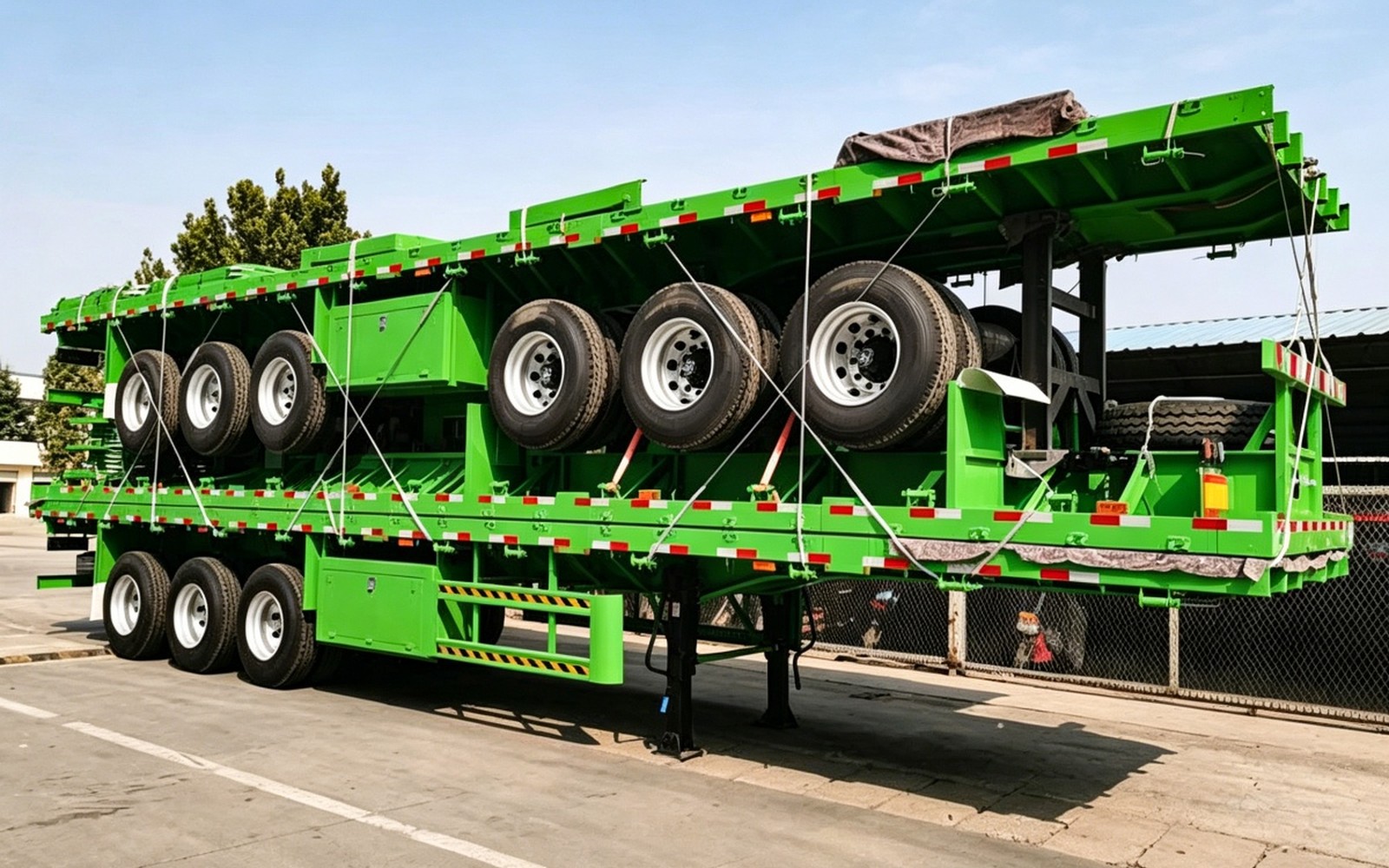
Trailers qualify as well. A fleet adding dry van trailers or flatbed trailers to support a load increase can deduct those assets under Section 179 in the same year, subject to the same overall annual limit and business-income limitation. Used equipment qualifies for Section 179 too, which matters for fleet operators who buy used iron from private sellers or through auctions.
The Deduction Limit and Bonus Depreciation
The Section 179 deduction has an annual limit that adjusts for inflation each year. The limit applies to the total cost of qualifying property placed in service during the year. The deduction also cannot exceed your business's taxable income for the year; any excess carries forward. For fleet operators buying multiple units in a single year, these limits can come into play, particularly when the aggregate purchase price of new and used equipment is very large. Your accountant will need to model whether Section 179, bonus depreciation, or a combination of the two produces the optimal outcome for your specific tax situation.
Bonus depreciation is a related provision that operates differently. While Section 179 is an election capped at a specific dollar amount and limited to business income, bonus depreciation allows an additional percentage deduction on new (and in some years used) equipment above and beyond the regular depreciation schedule. The bonus depreciation percentage has changed several times since the Tax Cuts and Jobs Act of 2017 modified it; as of recent years, the percentage has been phasing down from 100 percent. Confirm the current bonus depreciation percentage with your tax advisor before assuming a specific rate applies to your acquisition year.
The combination of Section 179 and bonus depreciation can, in the right tax year and for the right fleet operator, reduce the after-tax cost of equipment substantially in year one. The critical constraint is that the trucks must be placed in service before the last day of your tax year, which for most operators means December 31. That timing requirement is why we field a significant number of inquiries in October and November from fleet managers who need to close and take delivery before year-end.
How Financing Amplifies the Section 179 Benefit
The IRS allows you to claim Section 179 on the full purchase price of qualifying equipment regardless of how much you financed versus paid in cash. If you finance $180,000 worth of trucks with $20,000 down and a $160,000 loan, you can deduct the full $180,000 purchase price in year one (subject to the annual limit and business-income limitation), even though you only wrote a check for $20,000. The remaining $160,000 is money you will repay over the loan term, but the deduction is available in year one on the full amount.
This is the leverage point. A fleet operator who puts $20,000 down on $180,000 of trucks, receives a deduction against $180,000 of taxable income, and then services a $160,000 loan from operating cash flow over 60 months may see a tax benefit in year one that exceeds their actual out-of-pocket cost for the year. The exact math depends on the effective tax rate, the interest cost of the loan, and the operator's overall tax picture. Your CPA models this; our job is making sure the financing closes fast enough that the trucks are in service before December 31.
Financing structures compatible with Section 179 include standard installment loans, $1 buyout leases (which the IRS treats as purchases), and TRAC leases with a purchase option. True operating leases where the lessee does not take depreciable ownership of the asset do not support a Section 179 deduction for the lessee; the lessor takes the depreciation in those cases. If your primary motivation for a truck acquisition is the deduction, make sure the structure transfers depreciable ownership to you.
Operators running high-volume acquisition programs can also consider a fleet equipment line of credit to draw down multiple units efficiently before year-end. A line allows you to finance several trucks quickly without a separate credit approval for each unit, which is useful when you are trying to place four or five trucks in service in November and December.
Closing Before December 31
The single largest risk for year-end equipment financing is timing. Funding takes one to two weeks under normal circumstances. Deals submitted in mid-November have good odds of closing with time for delivery and placement in service before year-end. Deals submitted the week before Christmas are difficult to guarantee, particularly if they require appraisals, title work, or multiple lender submissions.
Fleet operators targeting Section 179 should submit applications by early November at the latest for complex deals, and by early December at the latest for straightforward single-unit or small-fleet transactions. We work extended hours during the year-end push and have available equipment finance programs who prioritize closing velocity for year-end deals. But we cannot control external factors: title searches in congested counties, DMV processing backlogs, and appraisers with full schedules all add days that no lender can eliminate.
If the trucks you want are at a dealer, confirm availability and expected delivery timeline before submitting a credit application. A truck that is not physically deliverable by December 31 cannot be placed in service and does not qualify for the deduction in that tax year. Trucks acquired from private-party sellers require additional coordination for title transfer and may face longer timelines than dealer purchases.
Time-Sensitive Year-End Financing
If you are planning a truck acquisition to capture the Section 179 deduction before year-end, start the financing process now. We can move from application to funded in as little as five to seven business days on clean deals, but later in the fourth quarter, processing volumes increase across the industry and timelines extend. Send us the deal details, your credit profile, and the equipment you plan to acquire and we will tell you honestly whether the timeline is achievable. Talk to your CPA about the deduction specifics; talk to us about getting the trucks financed and delivered in time.