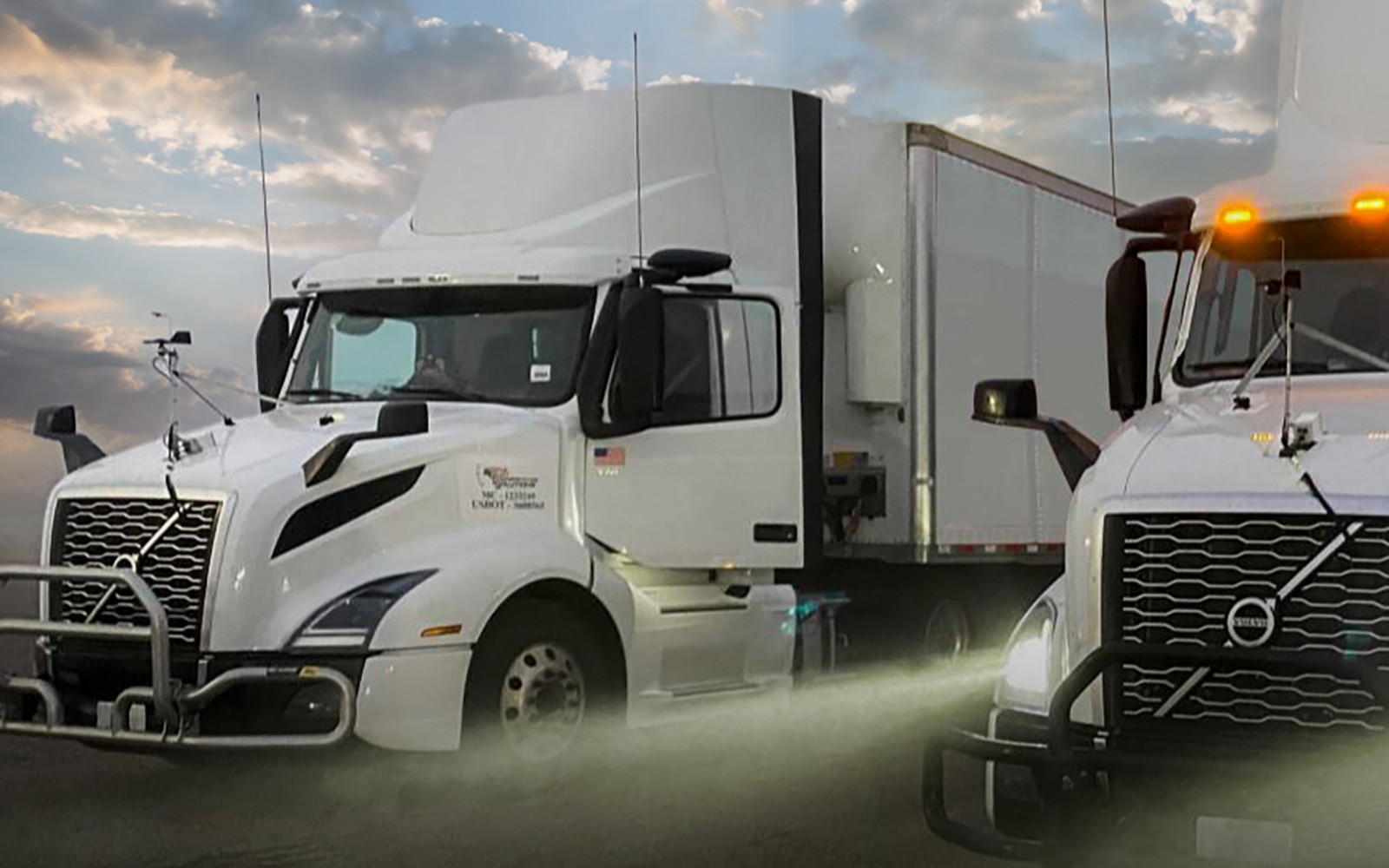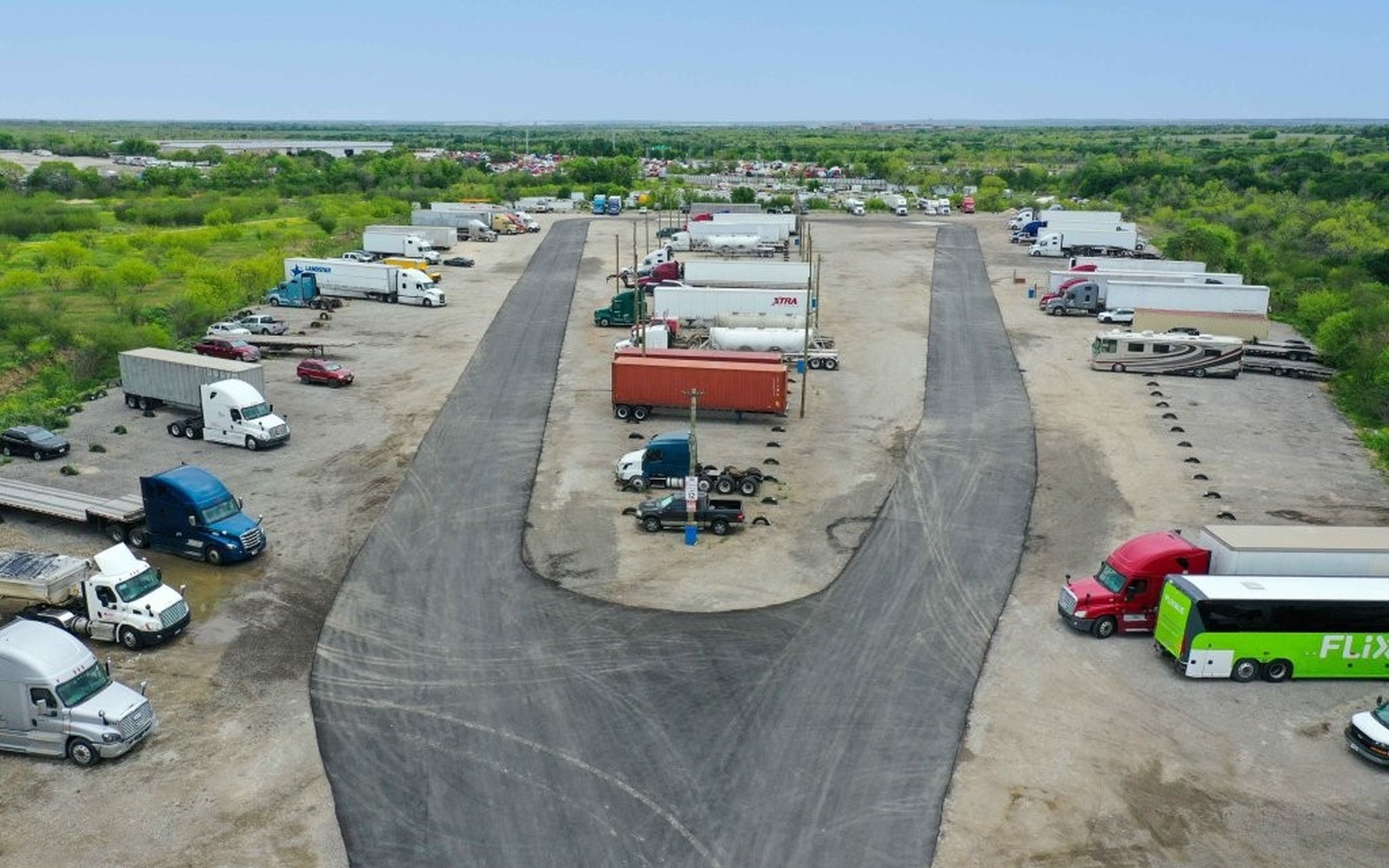
Chicago is the single largest rail-to-truck interchange point in North America, and that fact shapes the economics of every fleet operating in the metro. The BNSF Logistics Park in Elwood, the Union Pacific Global IV facility in Rochelle, and the dense cluster of Class I rail intermodal terminals ringing the city from Northlake to Bensenville funnel a volume of container freight that has to move by truck once it leaves the rail network. Day cab tractors pulling intermodal loads are as fundamental to Chicago's freight economy as the trains themselves, and financing those tractors is a regular part of our business here.
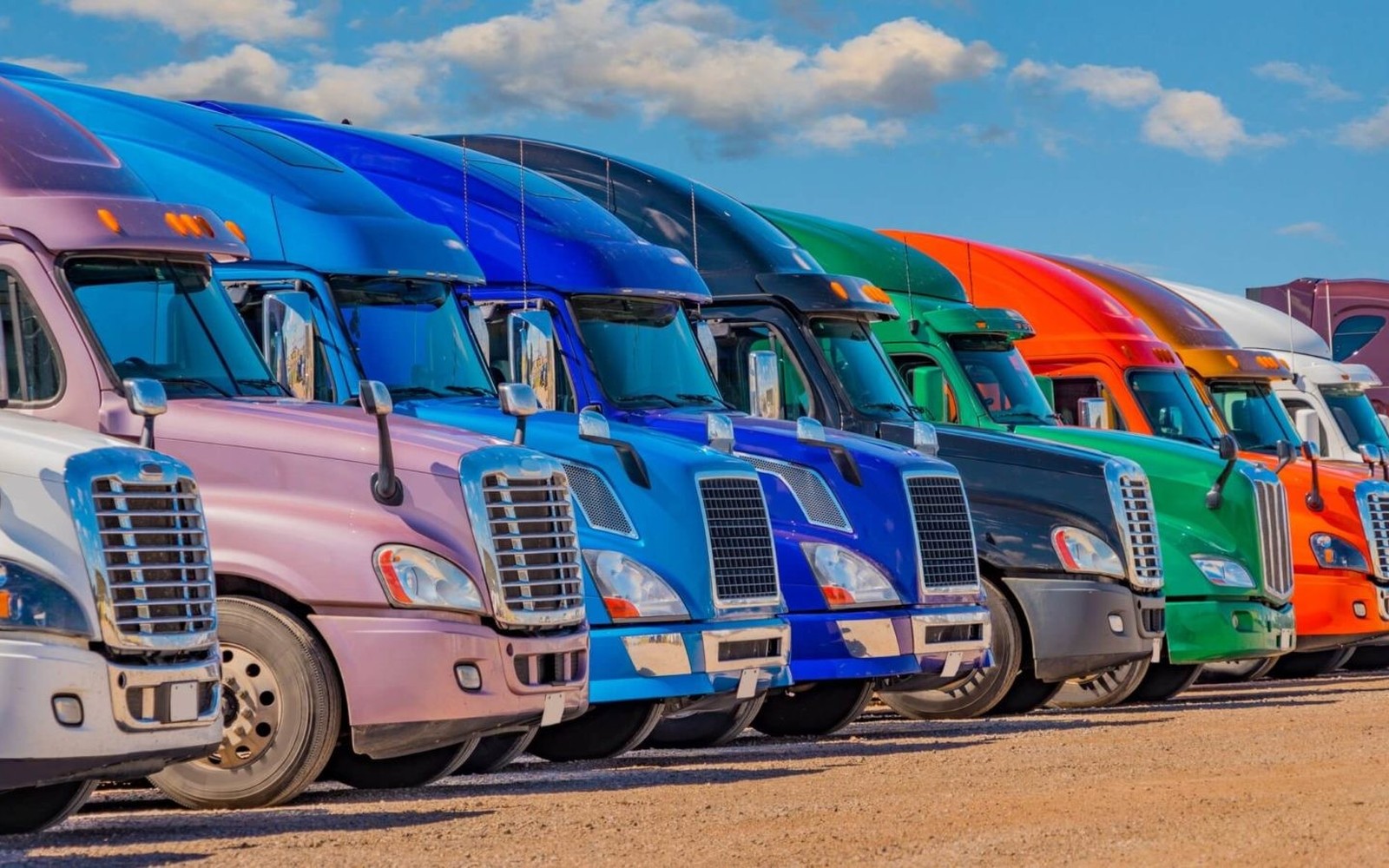
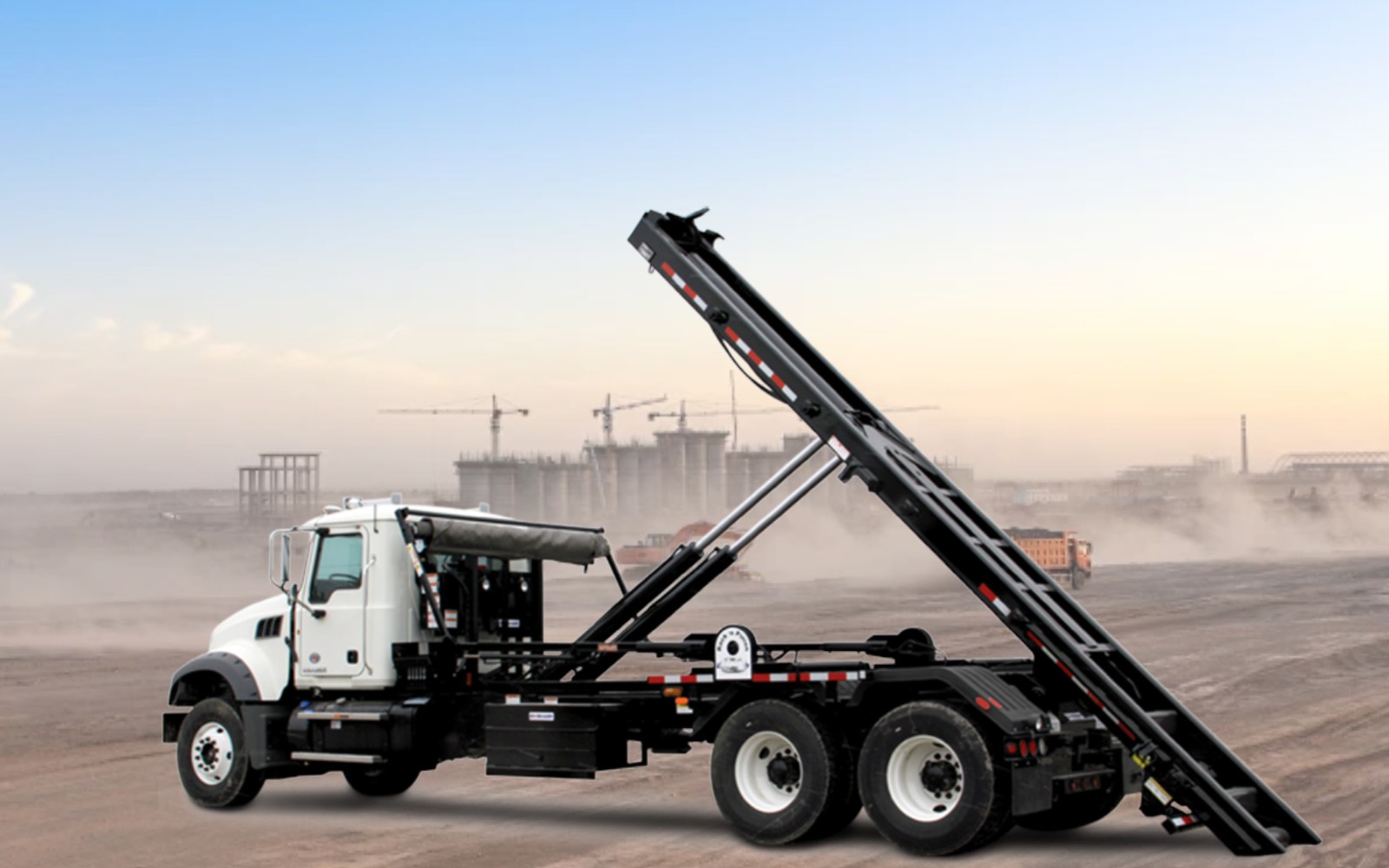
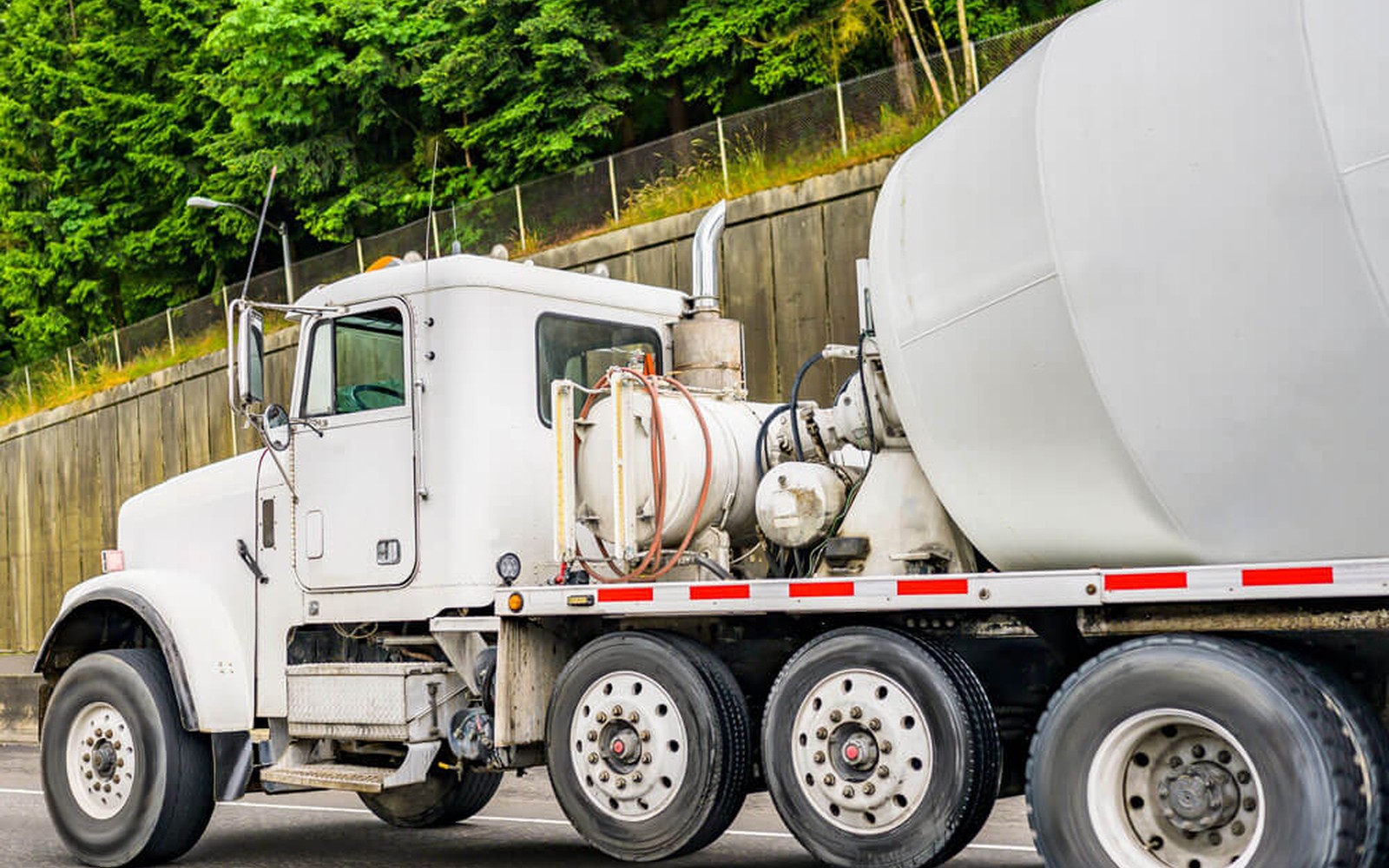
We work with Chicago-area fleet operators across the full spectrum of equipment: day cab tractors running intermodal dray from the rail terminals to distribution centers in the I-55 and I-80 corridors, sleeper tractors dispatching east toward Detroit and south toward Memphis on long-haul lanes, refrigerated fleets serving the city's food distribution and restaurant supply network, and specialty equipment including roll-off truck fleets and concrete mixer truck fleets for the construction and waste sectors. Our minimum is $50,000, the sweet spot is $100,000 to $150,000 per transaction, and application-only decisions run up to roughly $400,000.
Chicago's Fleet Demand Landscape
No other inland US market generates the intermodal dray volume that Chicago does. The rail intermodal terminals scattered through the collar counties, from the BNSF facility at Elwood down to Cicero and out to the UP facility in Schiller Park, move millions of containers annually, and every container that clears the terminal needs a truck to move it the last few miles. Dray operators running those moves compete on speed and reliability, and the operators who can maintain equipment uptime consistently hold the accounts while those who cannot find themselves replaced in the dispatch queue.
The I-80 corridor south of the city, sometimes called the I-80 freight belt, hosts one of the densest concentrations of warehouse and distribution center space in the country. The Joliet-Elwood-Minooka cluster along I-80 is a major node for national fulfillment and retail distribution, and the trucks serving those facilities run a high-frequency local circuit that is hard on equipment. Operators building fleets to serve that corridor often need to finance in blocks, adding three to five units at a time as new DC contracts are won.
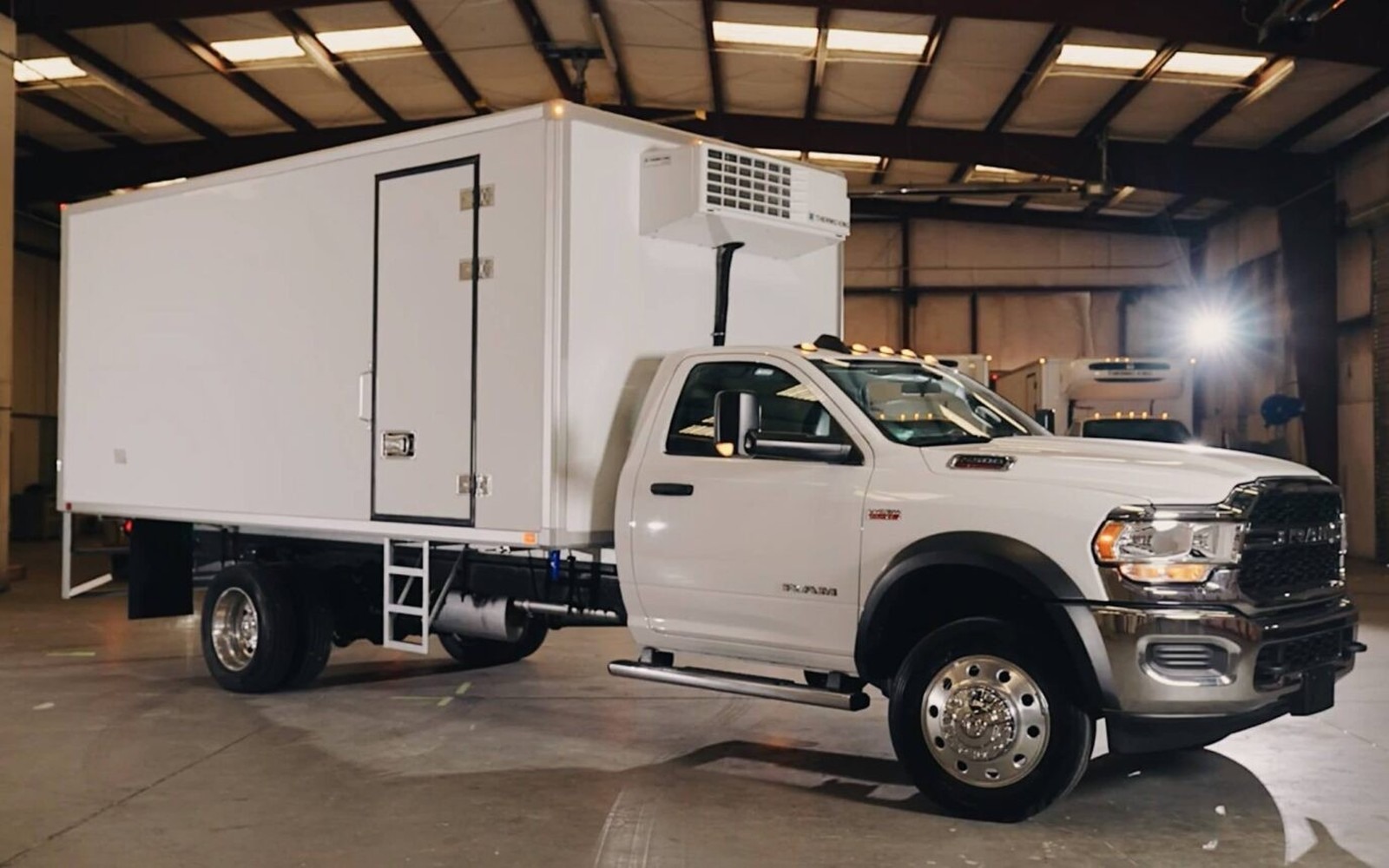
Chicago's food industry generates a parallel demand for temperature-controlled fleets. The city's restaurant supply chain, its wholesale food distribution network centered on the south and west side produce and protein markets, and the large grocery DCs in the suburbs all depend on food distribution fleet financing to keep equipment current. Cold-chain operators in this market replace reefer units on a tighter cycle than most fleet categories because the downtime cost of a refrigeration failure outweighs the financing cost of keeping newer equipment in service.
Terms and Structures for Chicago Fleets
The high-utilization intermodal environment in Chicago pushes operators toward shorter replacement cycles and more frequent financing transactions than a typical long-haul market. A day cab accumulating 150,000 miles per year at an intermodal terminal has a different economic life curve than a sleeper on a 100,000-mile annual lane. We structure terms that reflect the actual duty cycle of the equipment rather than applying a generic 60-month note to every deal.
For Chicago operators with equity in existing equipment, cash-out truck refinancing is a productive tool. Working capital in the intermodal business is consumed quickly: fuel cards, maintenance float, insurance premiums paid in advance, and the occasional slow payment from a broker or DC operator all create cash flow gaps that can be bridged by pulling equity from the fleet. Paid-off tractors are real collateral, and we use them as such.
Operators who want flexibility on the back end of a deal often choose a TRAC lease, which sets a residual value at signing and reduces the monthly outlay compared to a full loan. At the end of the lease term, the operator can buy the unit at the pre-set residual, trade it, or return it. In a market where equipment value is well-established by high transaction volume through the Chicago used-truck market, TRAC lease residuals can be set with reasonable confidence and both parties know what the end-of-term decision looks like before the deal is signed.