Indianapolis earns its reputation as the Crossroads of America through a highway network that gives fleet operators genuine reach in every direction. I-70, I-65, I-69, and I-74 converge in the metro, connecting Indianapolis to Chicago, Louisville, Cincinnati, Columbus, and St. Louis within a single driver shift. That access is not lost on the operators who base their fleets here. Running a truck out of Indianapolis means the freight lane options are better than almost anywhere else in the Midwest, and the operators who take advantage of that geography need equipment that is properly financed and available when the load books.
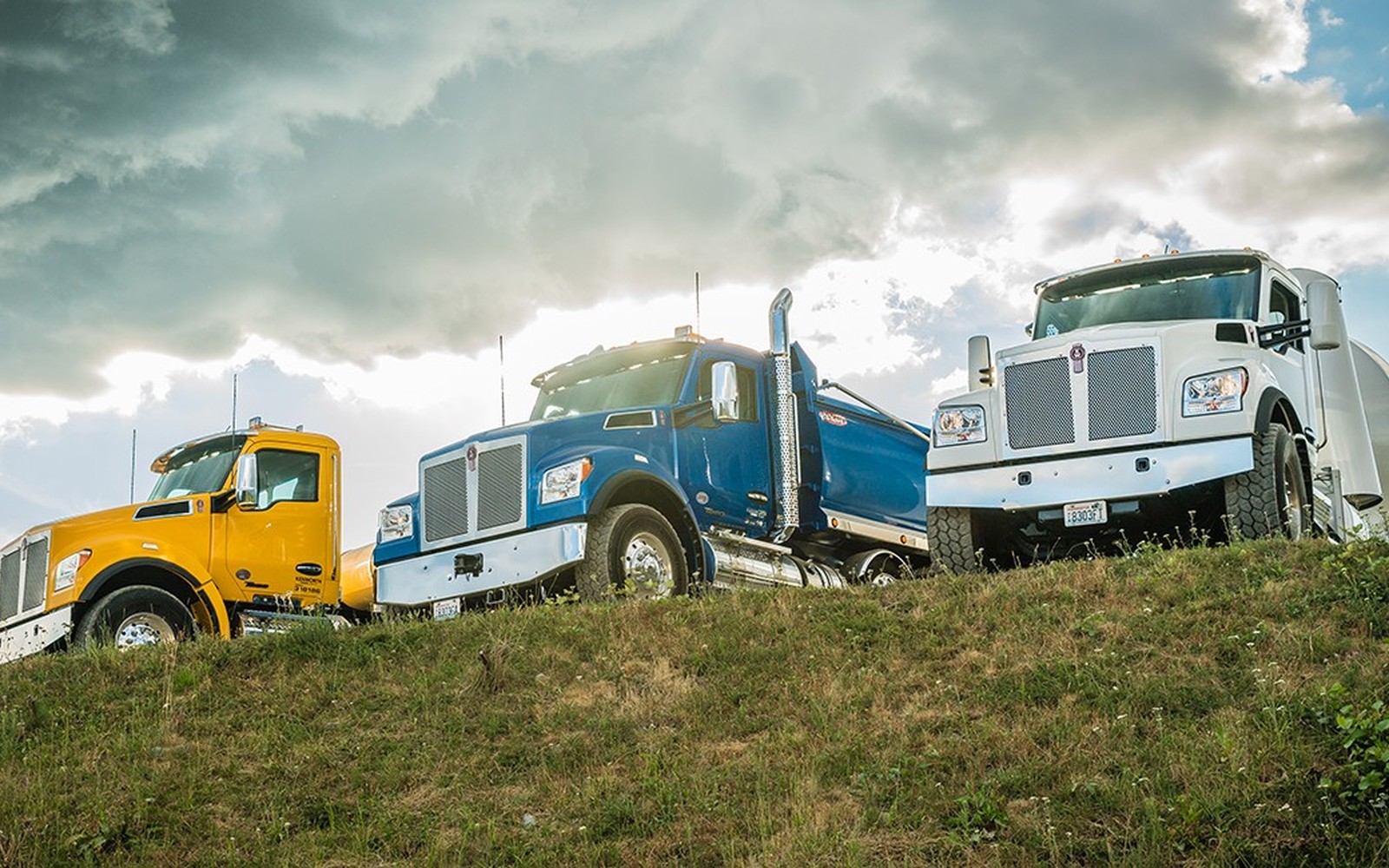
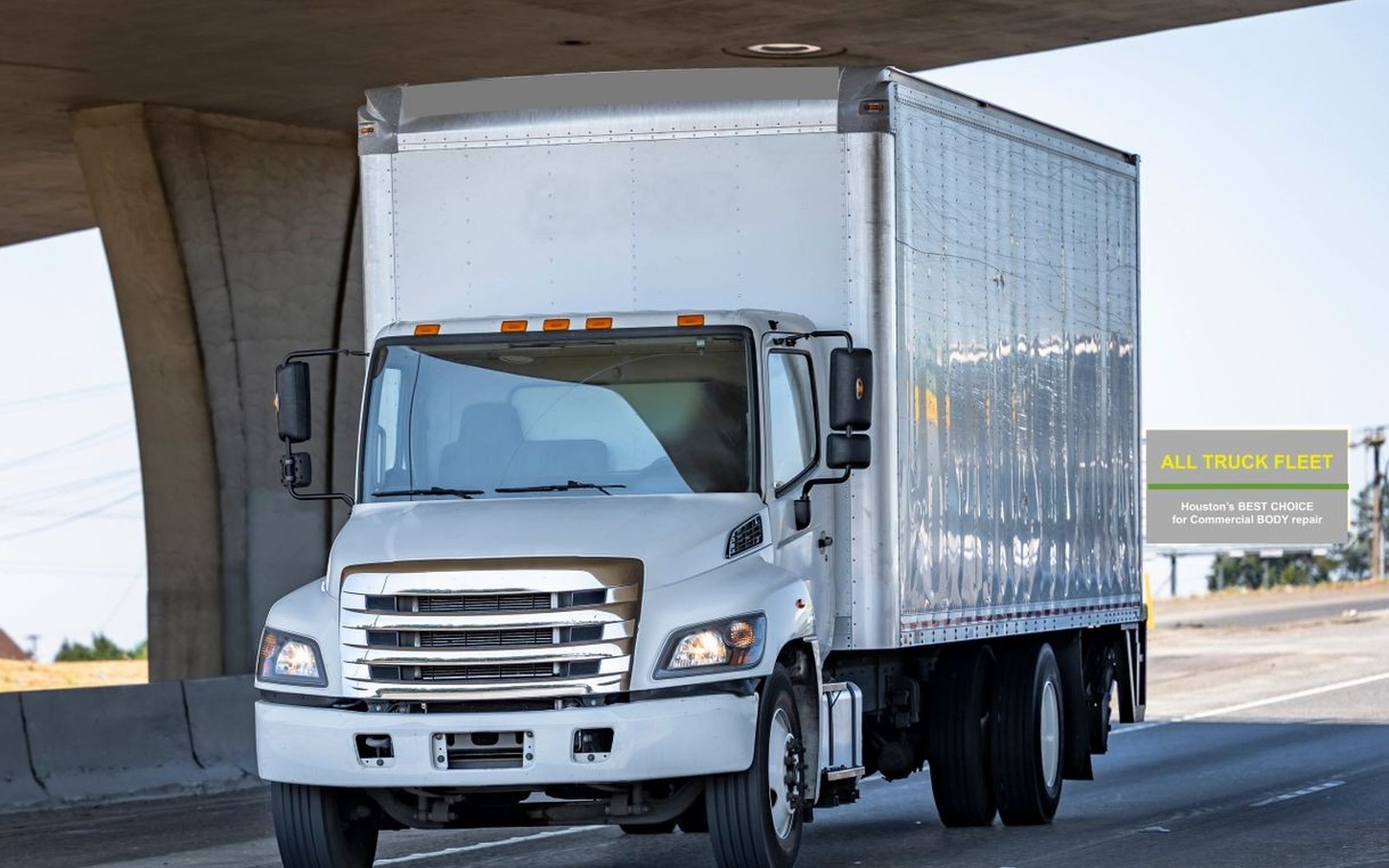
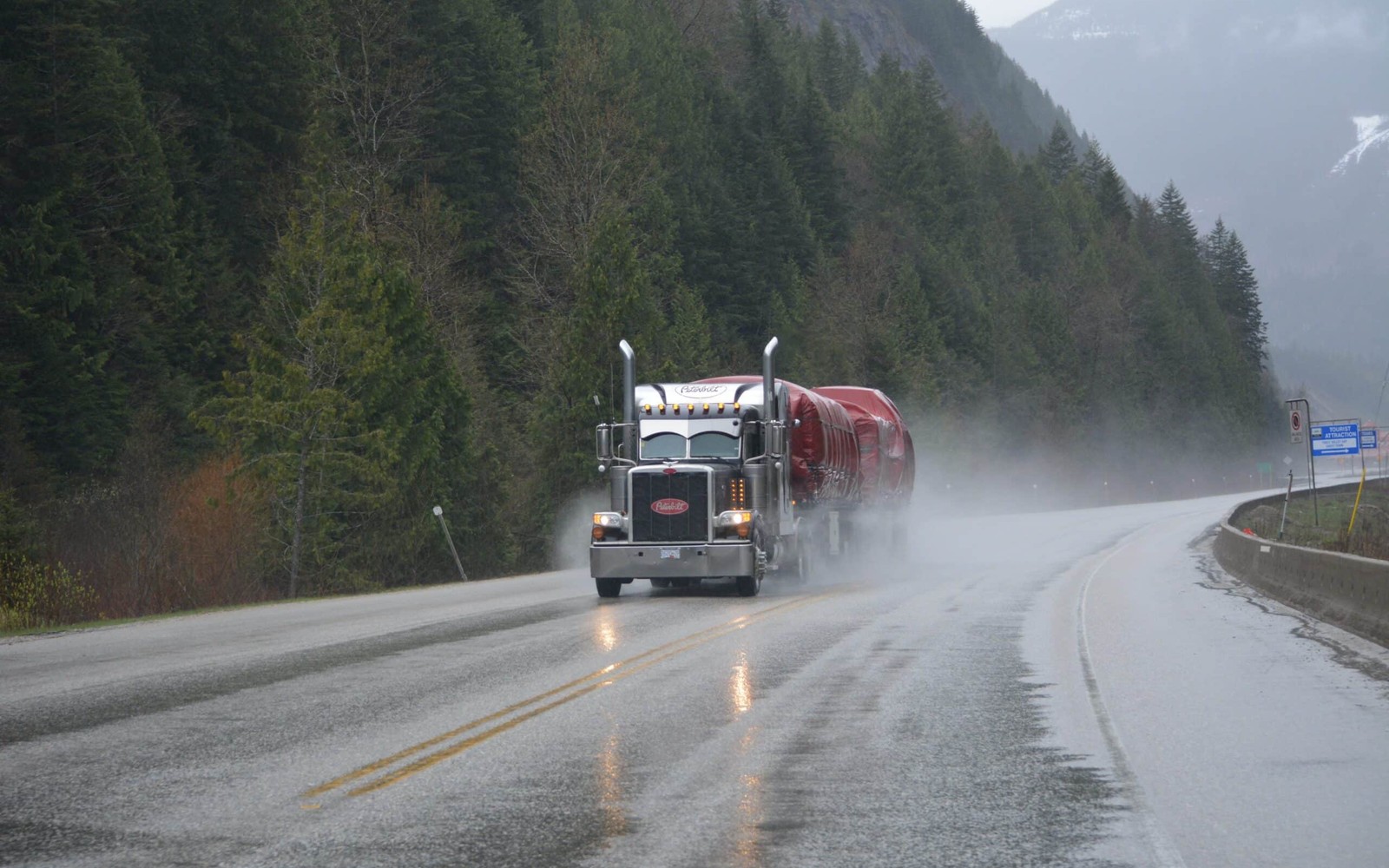
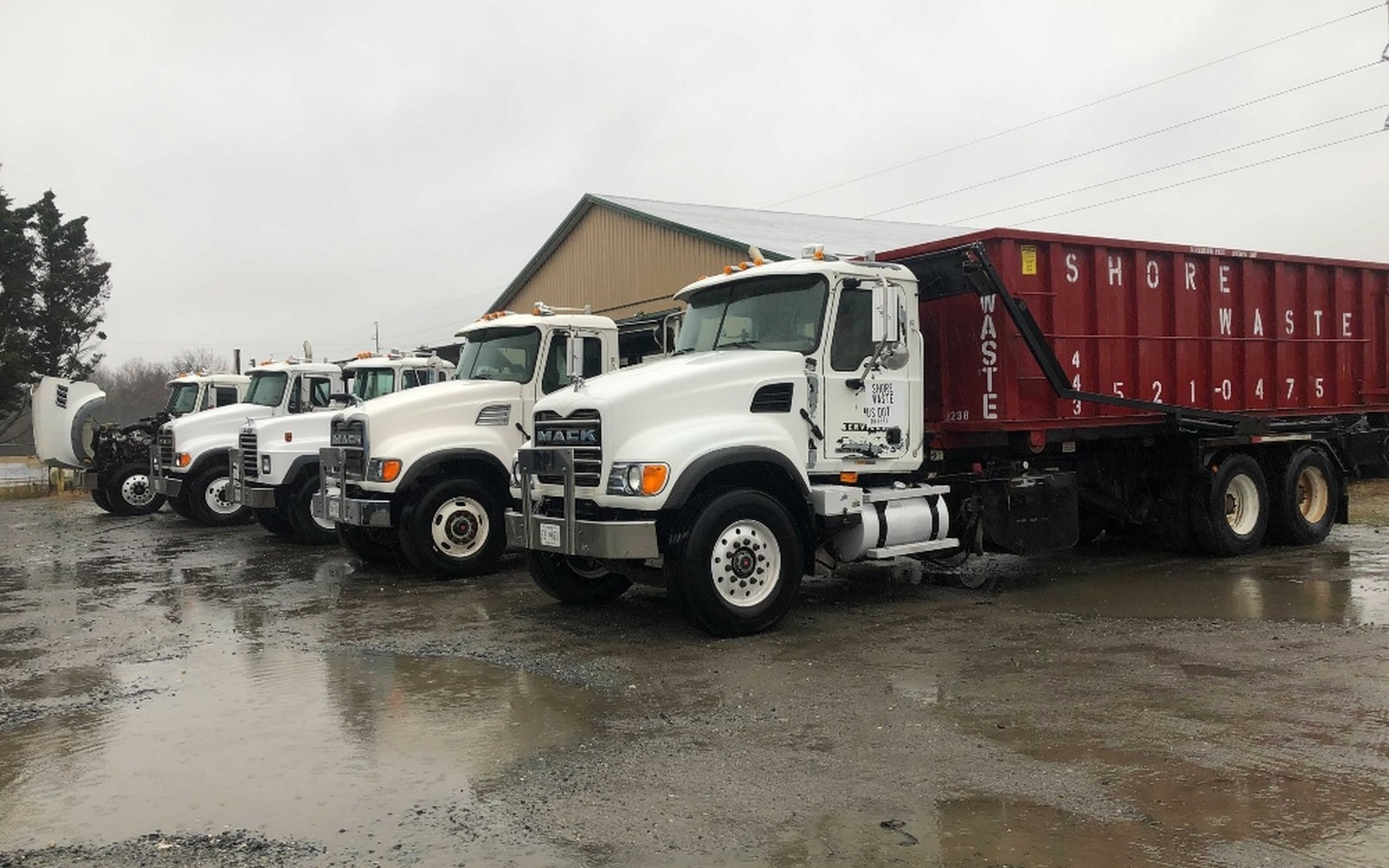
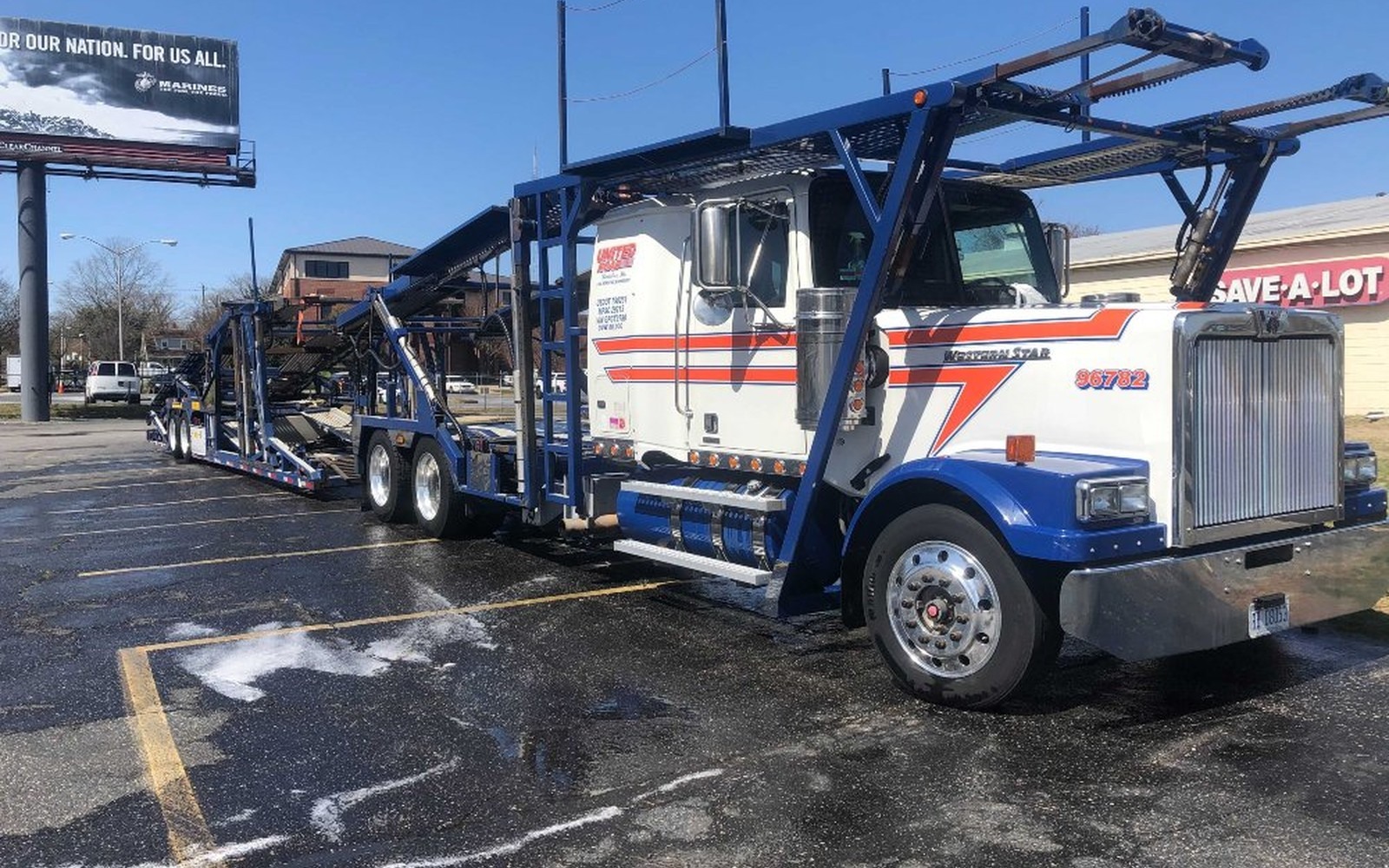
We finance commercial truck fleets for Indianapolis-area operators across the full equipment range. Sleepers running Chicago-to-Louisville and Chicago-to-Cincinnati lanes that make Indianapolis an ideal relay point. Day cabs serving the city's dense industrial and distribution footprint, including the massive e-commerce and third-party logistics facilities that have opened in the I-65 and I-70 corridors. Dump truck fleet financing for the construction and infrastructure operators servicing central Indiana's road and commercial projects. Straight truck fleet financing for regional distributors covering the Indianapolis metro and surrounding markets. Our minimum is $50,000 per transaction, with the typical deal falling between $100,000 and $150,000.
Indianapolis as a Freight and Logistics Hub
Indianapolis has positioned itself as a logistics destination through a combination of highway access, affordable real estate, and a state policy environment friendly to manufacturing and distribution. The metro's industrial real estate market has attracted fulfillment centers, automotive parts distribution, and pharmaceutical logistics operations at scale. FedEx's national hub at Indianapolis International Airport adds an air freight dimension that complements the ground transportation network, and the combination has made Indianapolis one of the more active hiring markets for professional drivers in the Midwest.
The automotive supply chain is another significant driver for fleet operators in Indianapolis. Indiana is the second-largest auto-producing state in the country, and the supply chain that feeds the assembly plants running from Fort Wayne to Subaru in Lafayette to the Toyota plant in Princeton runs heavily on truck. Freight hauling fleet financing for operators running automotive components on those intra-Indiana routes is a regular transaction for us. Those loads tend to run on tight just-in-time schedules, and the fleets serving them maintain high uptime standards that reflect the cost of stopping an assembly line.
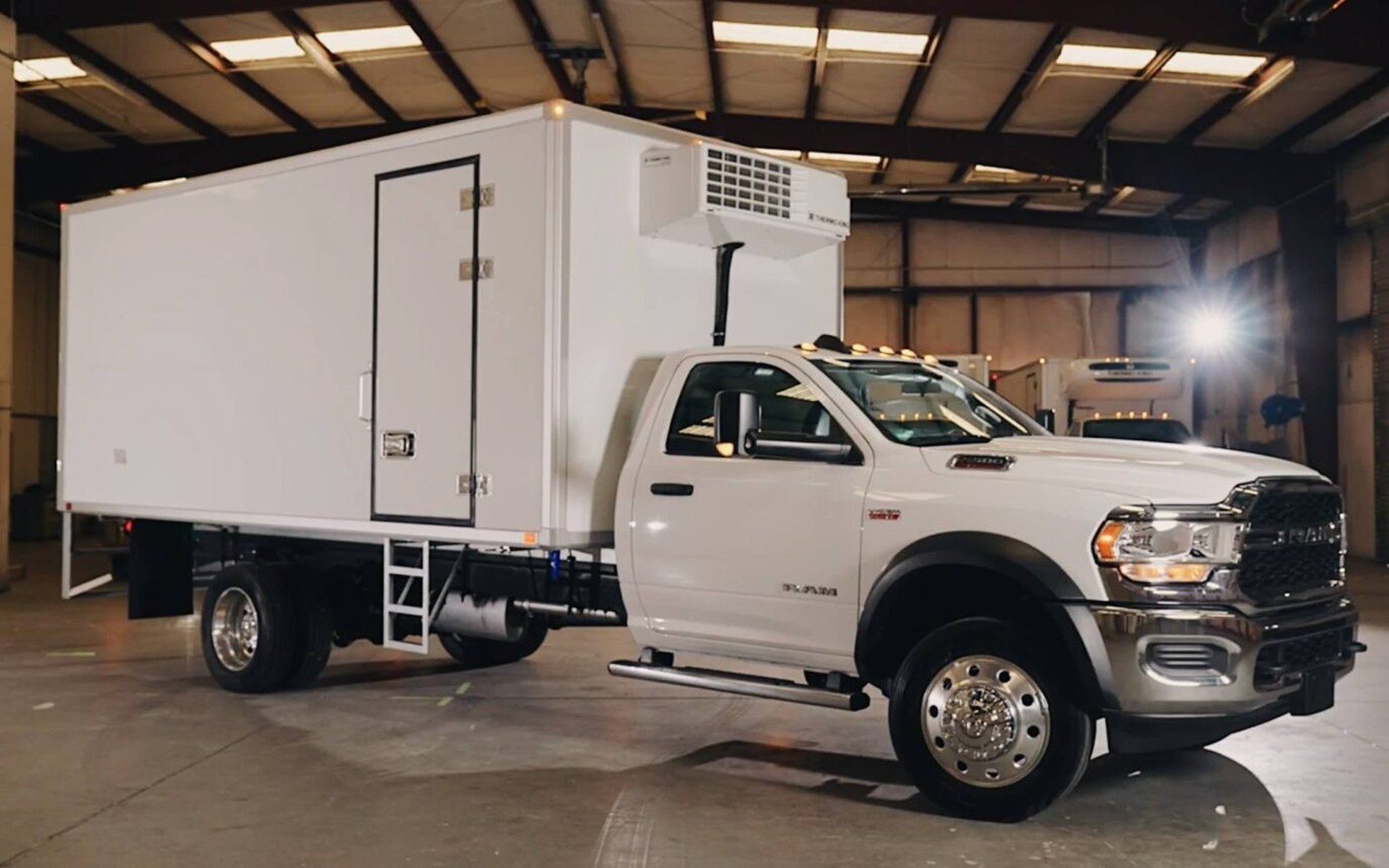
The pharmaceutical and life sciences sector in Indianapolis, with major manufacturers headquartered in the metro, generates specialized distribution freight that moves in temperature-controlled units. Refrigerated truck fleet financing for operators serving that distribution need is a transaction we see regularly in this market, and it covers both the standard cold-chain units and some of the more specialized pharmaceutical-grade temperature-controlled equipment.
Equity and Refinancing Options for Established Fleets
Indianapolis fleet managers who have been in business for several years have often accumulated equity in their trucks without having a structured plan for how to use it. A paid-off day cab or sleeper that is three to four years old and worth $60,000 to $80,000 in the market is a real capital asset. Two or three of those units represent meaningful liquidity that can be accessed without selling the trucks and without borrowing from a bank against unrelated business assets.
A fleet sale-leaseback is the primary tool for that conversion. We purchase the equity in your paid-off or partially paid-off units, lease them back to your operation at terms that fit your cash flow, and fund the equity as a lump sum at closing. The trucks never leave your fleet; drivers keep their assignments; the lease payment replaces whatever note you had before (or is a new payment on previously free-and-clear equipment). The use of the cash is yours to decide: expanding the fleet, covering a capital gap, funding insurance or fuel in advance, or holding as a working capital reserve.
Standard fleet refinancing is the other approach for operators who want to restructure existing notes rather than access equity. If you financed equipment two or three years ago at terms that no longer reflect the business's improved credit position, or if rates have moved favorably since the original financing, refinancing the remaining balance into a new note may reduce the monthly outlay and improve overall cash flow.