Trucks that are paid off or carrying significant equity are not just transportation assets. They are capital that happens to be sitting in steel. A cash-out truck refinance puts that capital to work by replacing your existing note (or establishing new debt on a clear-title truck) with a new loan for more than you currently owe, returning the difference to you at closing.
The cash can go wherever the business needs it: a down payment on additional units, shop equipment, a new terminal lease, driver bonuses to retain key personnel, or a working capital reserve heading into a slow quarter. Unlike a traditional bank line of credit, the approval is secured against the truck itself, so the qualification path is focused on equipment value and business cash flow rather than on an unsecured credit score.
We work on cash-out refinances starting at $50,000. The maximum depends on how much equity is in the trucks and what your business cash flow can support. Funding typically completes within one to two weeks. B and C credit operators can qualify.
Cash-Out Refinance vs. Sale-Leaseback: Choosing the Right Structure
Both a cash-out refinance and a fleet sale-leaseback pull equity from existing trucks, but they are structurally different transactions with different implications.
In a cash-out refinance, you keep title to the trucks throughout the transaction. A new lender pays off your existing note (if any), advances additional capital to you, and holds a first lien on the equipment. You own the trucks; the lender has a security interest. Monthly payments go toward the total new loan balance. At payoff, you own the trucks free and clear again.
In a sale-leaseback, title actually transfers to the financing company and you lease back the right to use the equipment. At lease end, you may or may not have a buyout option depending on the structure. The monthly payment in a leaseback may look similar to a refinance payment, but the legal ownership position differs throughout the term.
For operators who want to keep their trucks on the company balance sheet as assets, maintain ownership continuity, and have a straightforward payoff path back to clear title, a cash-out refinance is typically the cleaner approach. For operators who need maximum cash proceeds and are comfortable with a lease structure, the leaseback may unlock more capital in certain situations. We walk through both options when the circumstances call for it.
What Trucks Qualify and How Much You Can Pull
The cash-out amount is constrained by two factors: the current market value of the trucks and what your business cash flow can service. Lenders typically advance up to a percentage of fair market value, often in the range of 80 to 90 percent for well-maintained, late-model equipment. Older or higher-mileage trucks may see lower advance rates.
Clear-title trucks with no existing liens are the best candidates because 100 percent of the advance goes back to you. If there is an existing note, the payoff comes out first and you receive the remainder. The equity in the truck is what matters: value minus payoff balance equals your available cash-out potential.
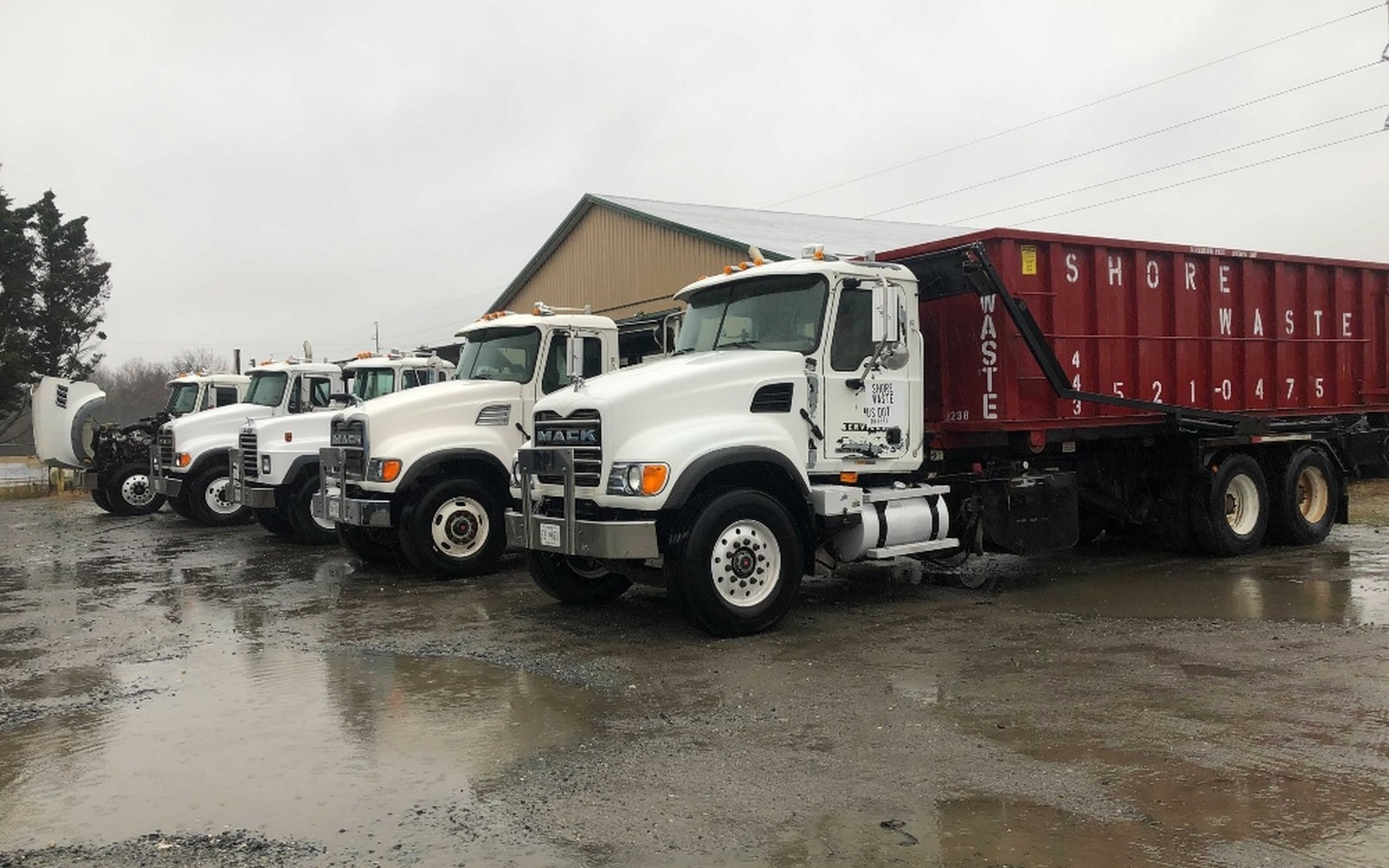
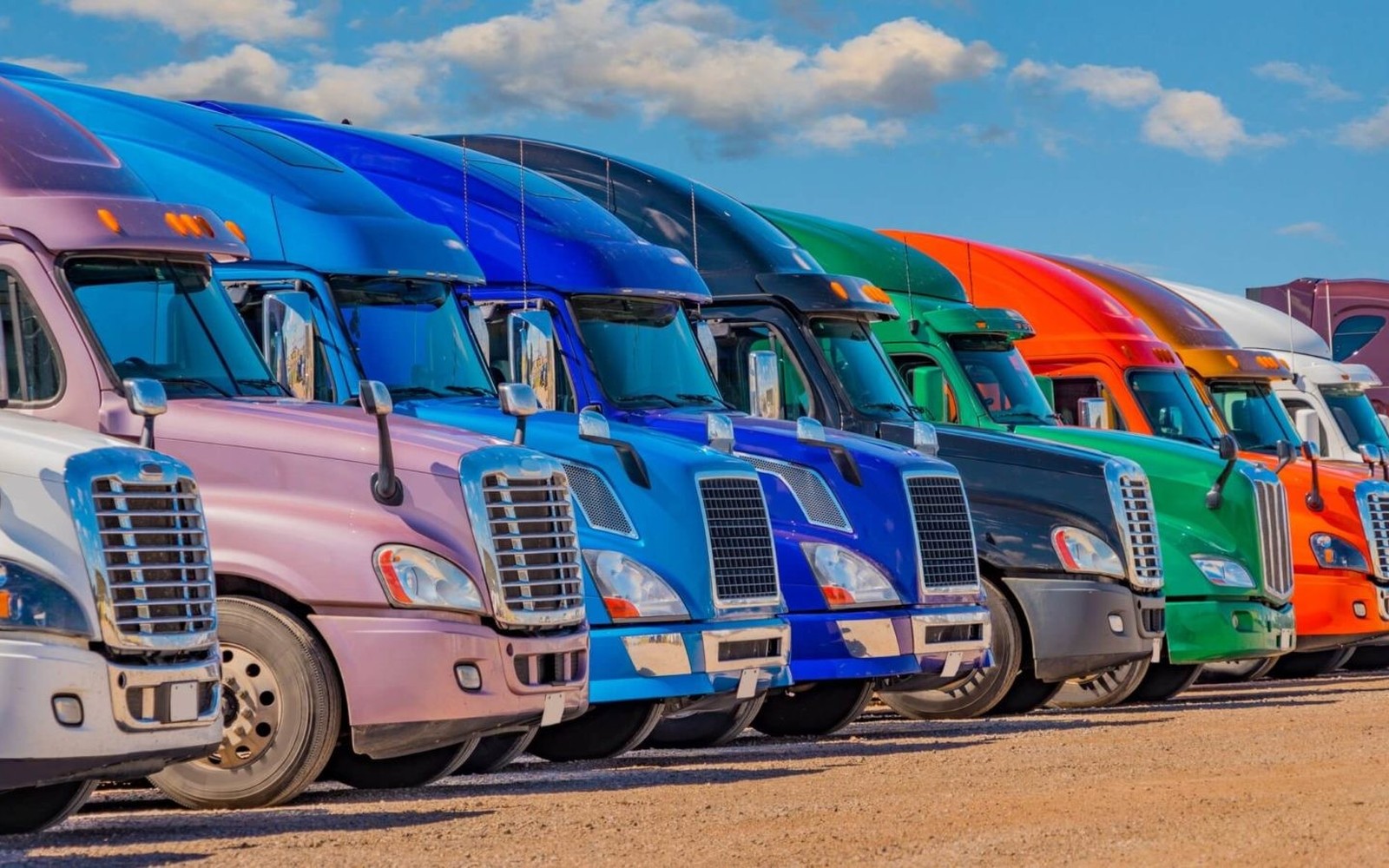
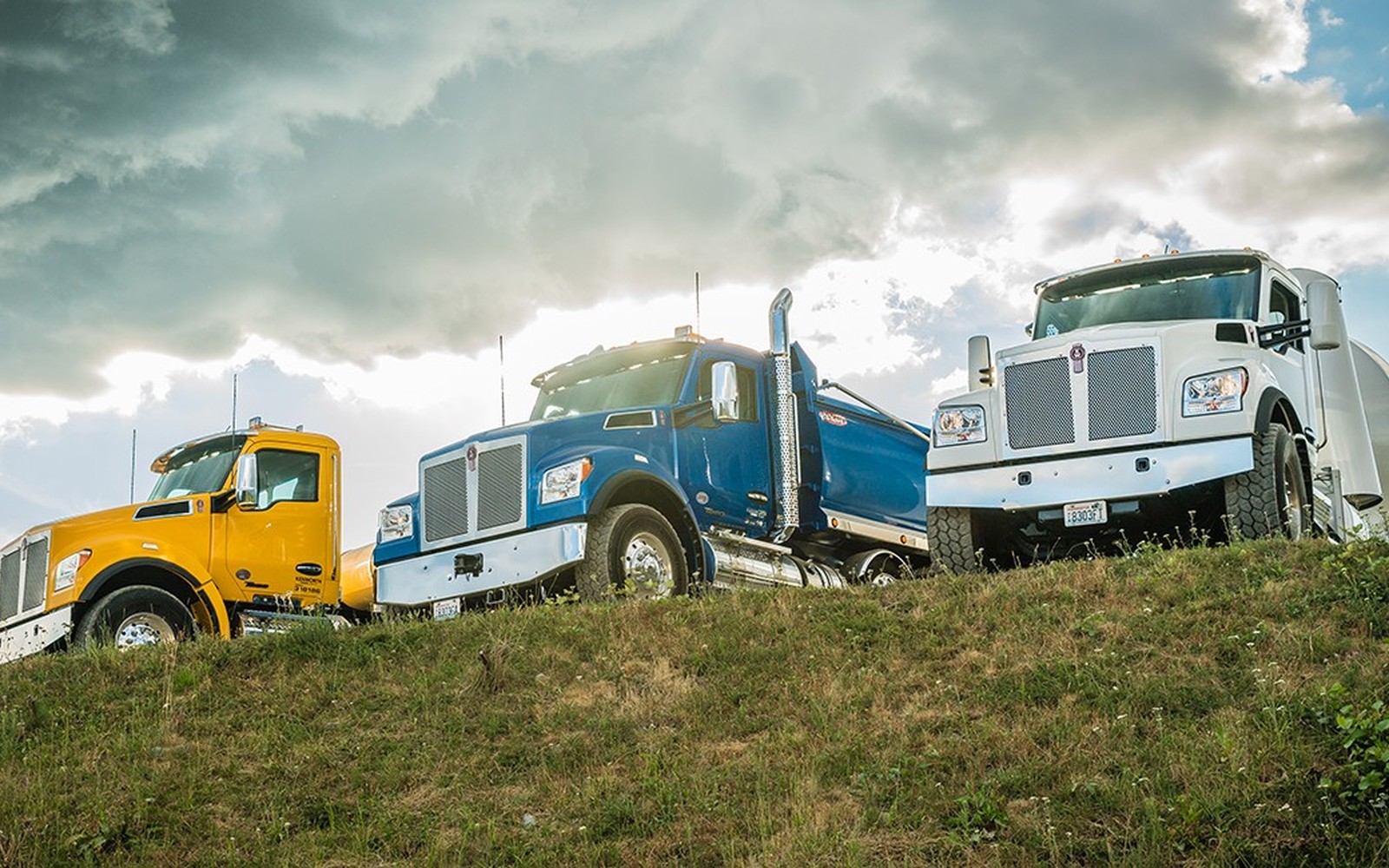
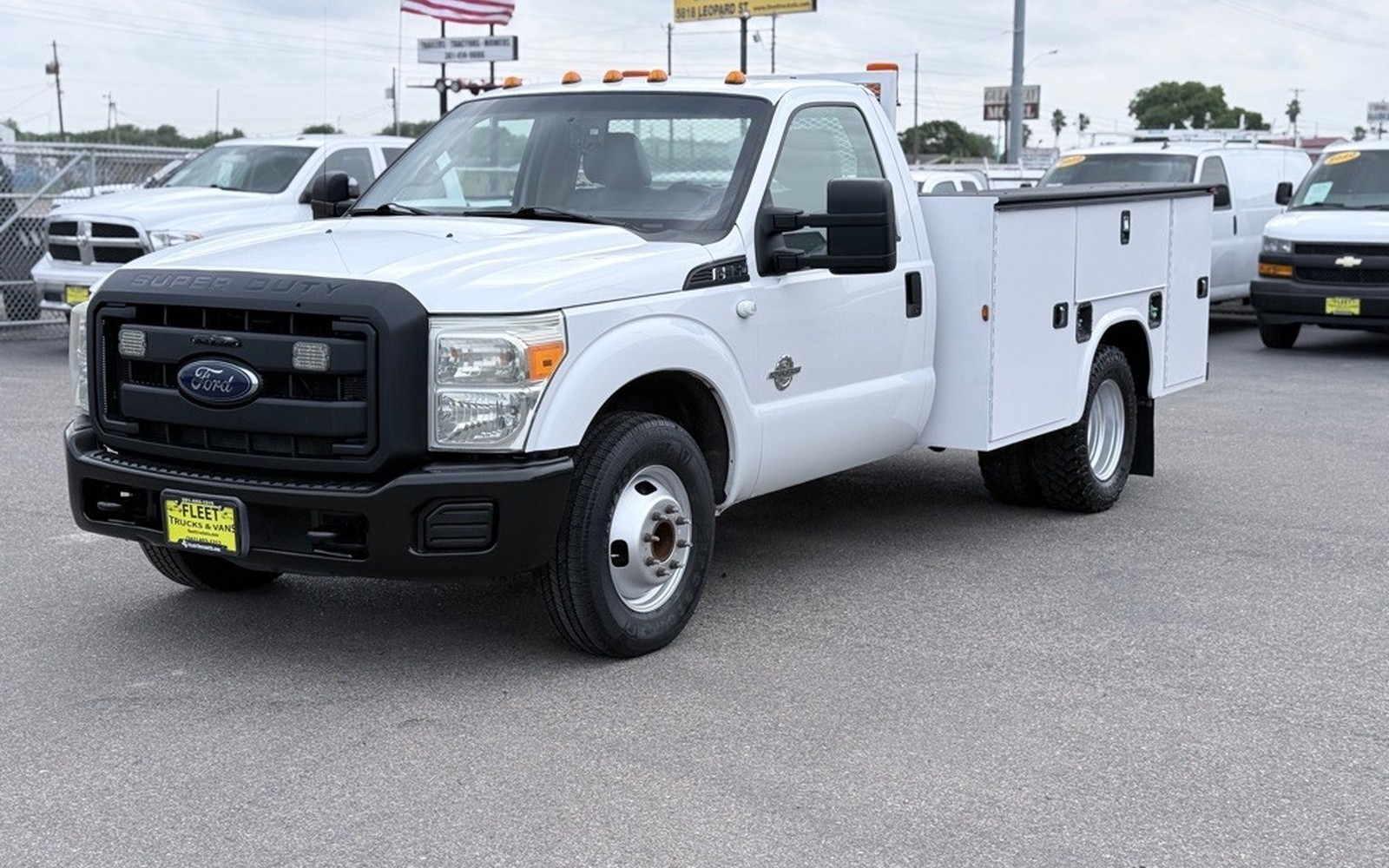
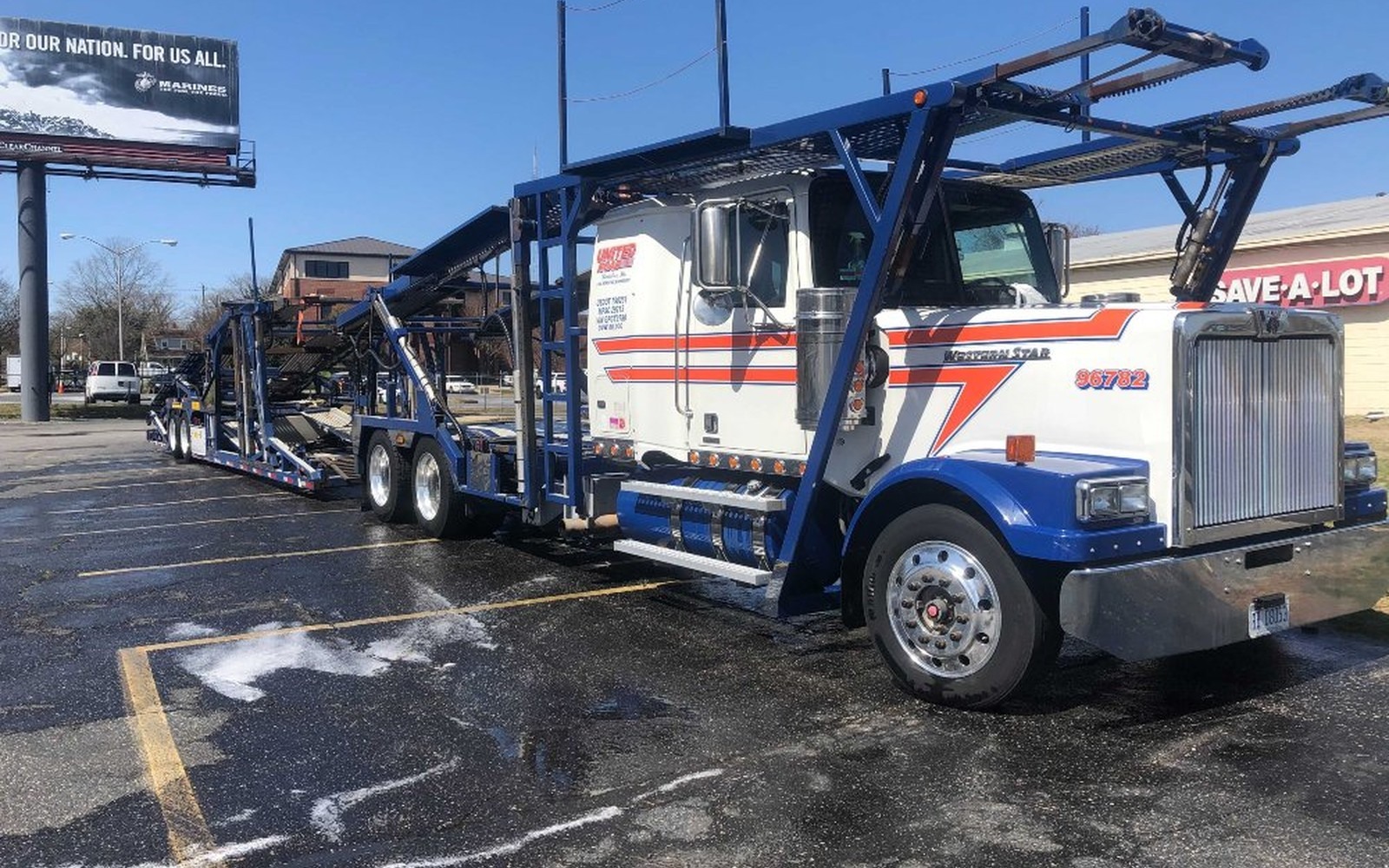
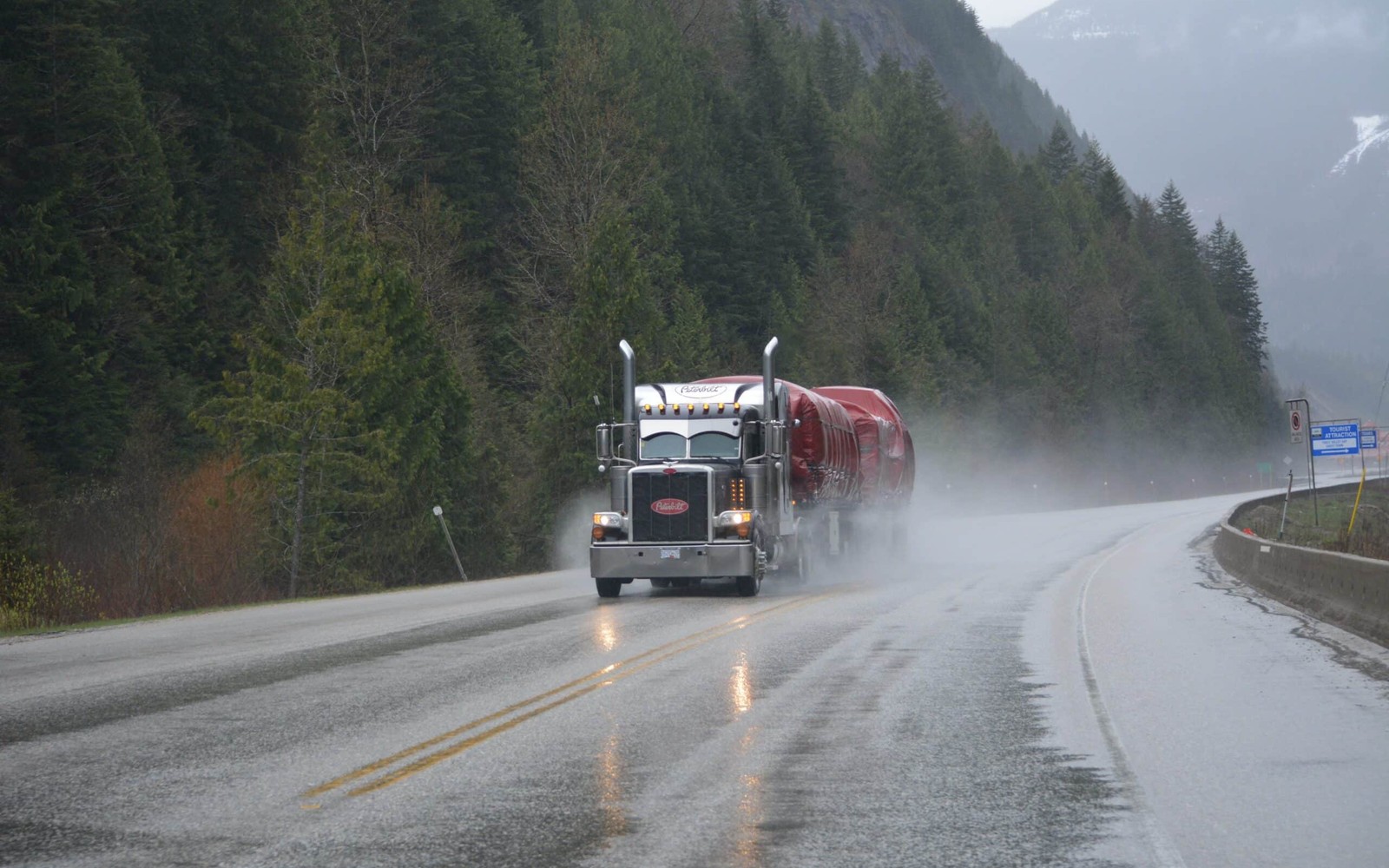
Equipment types we regularly see in cash-out transactions include sleeper tractors used in long-haul freight, dump trucks in construction operations, and service trucks in utility and oilfield work. These categories hold value well in the secondary market, which supports better advance rates. Specialty equipment or trucks with significant mileage may require a formal appraisal to establish value.
The business cash flow piece matters because you are taking on a new note. Your monthly payment on the refinanced amount needs to fit within what your revenue can comfortably support. We look at three months of bank statements as part of the assessment and will tell you plainly if the numbers work or not.
Documentation and Timeline
A cash-out refinance requires more documentation than a rate-and-term refinance, but the list is manageable:
- Current payoff statement (if there is an existing lien on the truck)
- Title documentation for each truck being refinanced
- Three months of business bank statements
- Equipment details: year, make, model, VIN, mileage
- Business entity documents and ID for all principals
- For larger cash-out amounts, a current profit and loss statement or business tax returns
The lender will verify equipment value, either through a book-value reference or a physical inspection for high-value or unusual equipment. Once documentation is complete and value is confirmed, approval typically follows within a few business days. Funding from approval to cash in hand is usually one to two weeks.
For operators needing to move quickly on a business opportunity, having your paperwork organized in advance shortens the timeline significantly. The two variables that most often add days to a cash-out refinance are obtaining payoff statements from existing lenders and scheduling equipment inspections for trucks in remote locations.
Related Financing Structures
If your goal is to reduce payments rather than pull cash, a standard fleet refinance may accomplish that without increasing your total loan balance. If you own multiple trucks and want to establish a flexible draw facility for ongoing acquisitions, a fleet equipment line of credit may be more efficient than repeated cash-out transactions on individual units.
Operators in industries with strong revenue cycles, like oilfield services or long-haul freight hauling, often use cash-out refinances strategically to deploy capital during high-demand periods and pay down the balance when the cycle moderates.
Find Out What Your Trucks Could Put in the Business
Tell us which trucks you own and what you owe on them. We will run the equity calculation and come back with a real number, not a range. Minimum transaction is $50,000. Most cash-out refinances fund within one to two weeks of completed documentation.