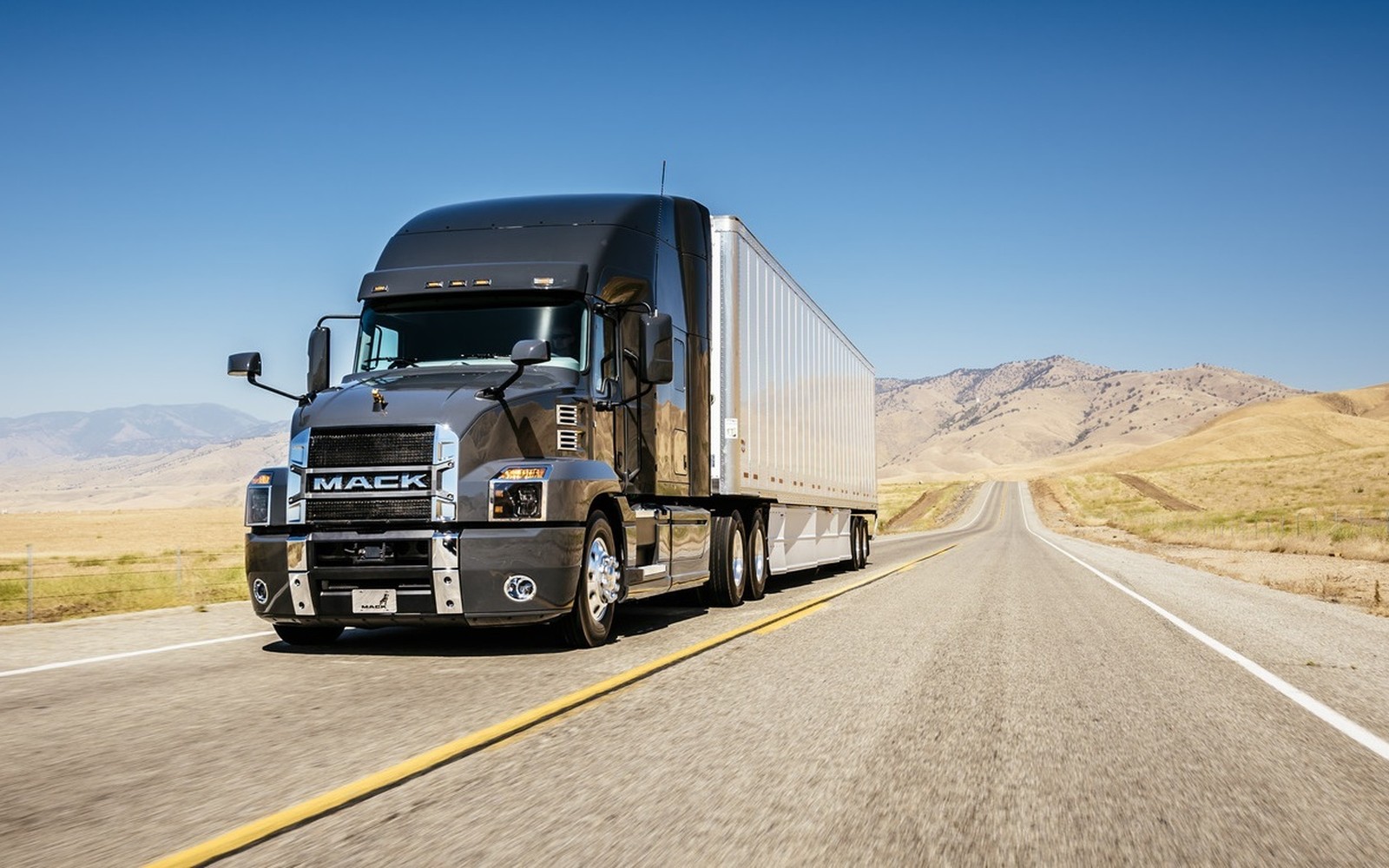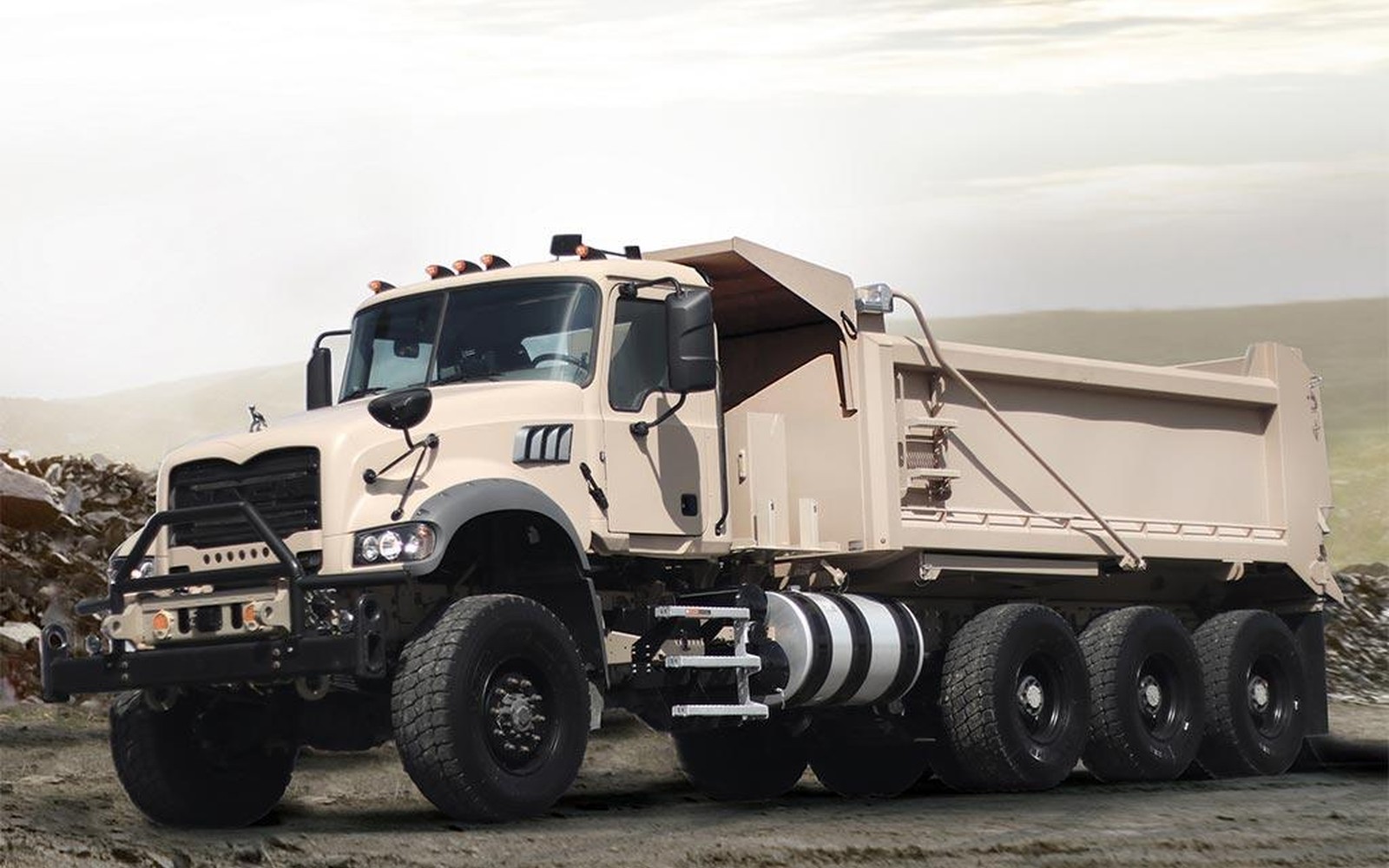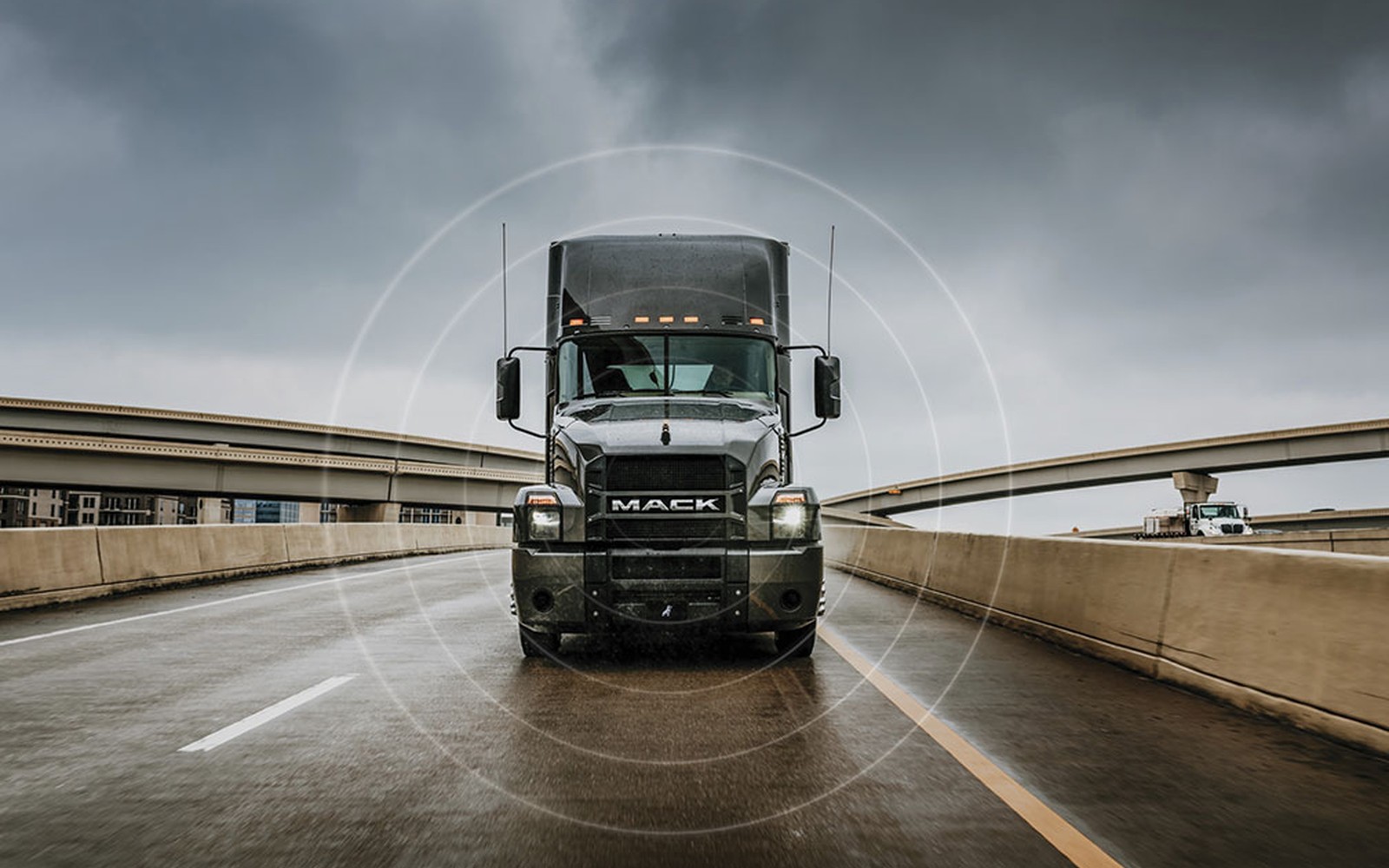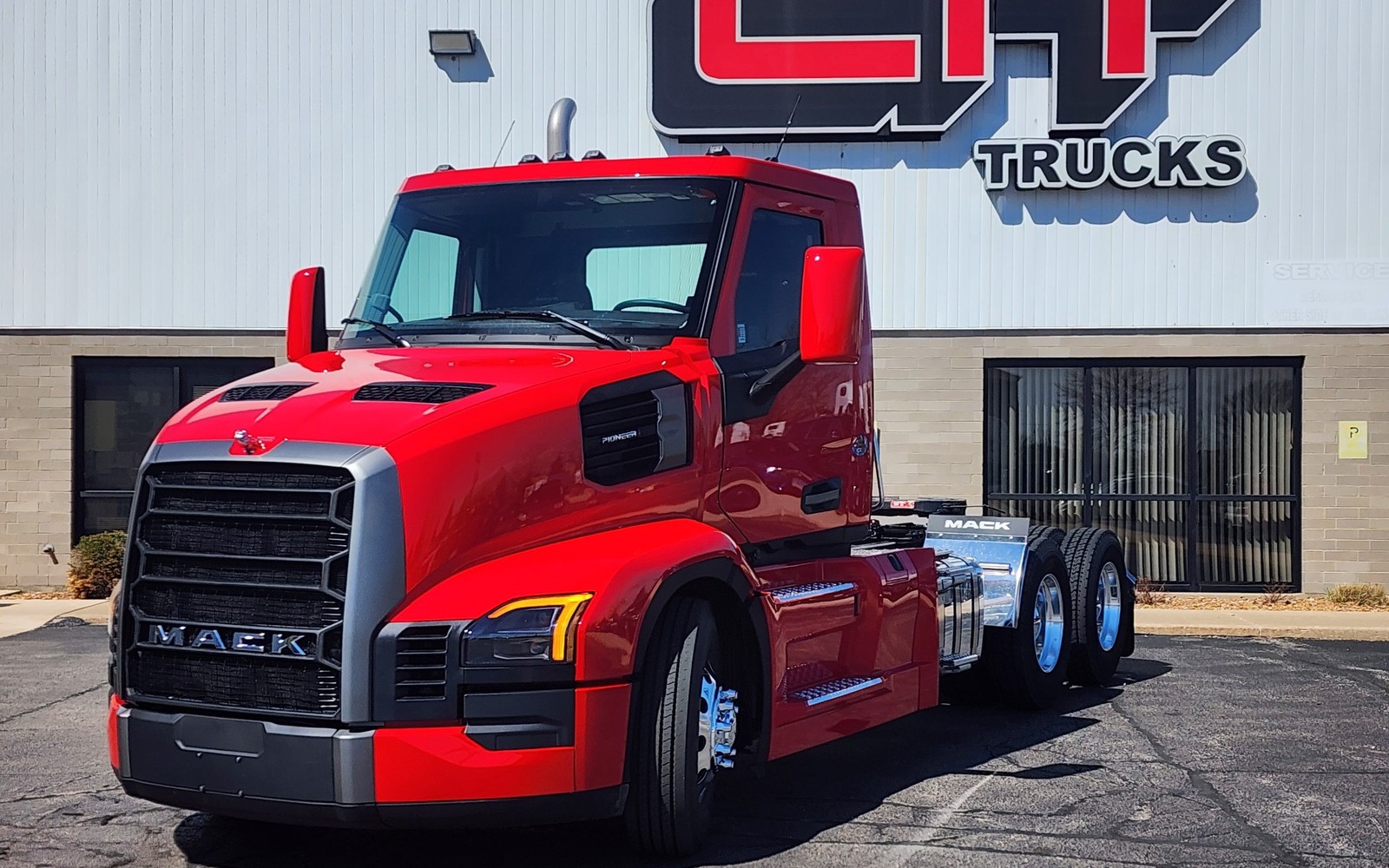
Mack trucks have a specific reputation in the vocational market that shapes how fleet managers think about replacement cycles and financing. The Granite is not typically replaced at 500,000 miles the way a line-haul tractor might be. Granite operators often rebuild and run well past a million miles because the frame and drivetrain are built for that kind of duty, and the asset holds enough value on that extended timeline to change how financing structures should be drawn up. We account for that when we build Mack deals.
The four core models in Mack's current lineup each serve a distinct segment. The Mack Anthem handles line-haul and regional freight where fuel economy and driver comfort drive the decision. The Mack Granite dominates construction, aggregate, and heavy vocational markets. The Mack Pinnacle serves the owner-operator and premium regional carrier segment. The Mack MD Series fills medium-duty needs where a Class 8 footprint is not required.
We finance all four, plus the used Mack market where Volvo engine and drivetrain commonality adds another layer of parts availability and support. Deals start at $50,000 and move through our simplified application path up to approximately $400,000. Fleet-level transactions above that threshold use a documented underwriting approach but still move efficiently compared to traditional bank timelines.
Mack's Drivetrain Advantage and What It Means for Collateral
Mack uses its own MP7, MP8, and MP10 engine family across the lineup, along with its proprietary mDRIVE automated manual transmission. This vertical integration gives Mack service intervals and rebuild costs that are specific to the brand rather than shared across multiple platforms. Mack dealerships carry the full parts inventory for these proprietary systems, and that dealership density in the eastern United States and Gulf Coast, where Mack has historically been strong, means downtime on a Mack truck is generally shorter than on brands with thinner dealer coverage in those regions.
For fleet managers running construction fleet operations in the mid-Atlantic and Southeast, Mack Granite tridem axle configurations with Camelback suspension are a near-standard spec on aggregate and quarry routes. These trucks see GVW configurations up to 80,000 pounds on public roads and heavier on permitted loads. The frame and suspension design on the Granite reflects those duty cycles, which is why the secondary market for granite-spec'd Mack trucks is durable even on high-hour, high-cycle equipment.
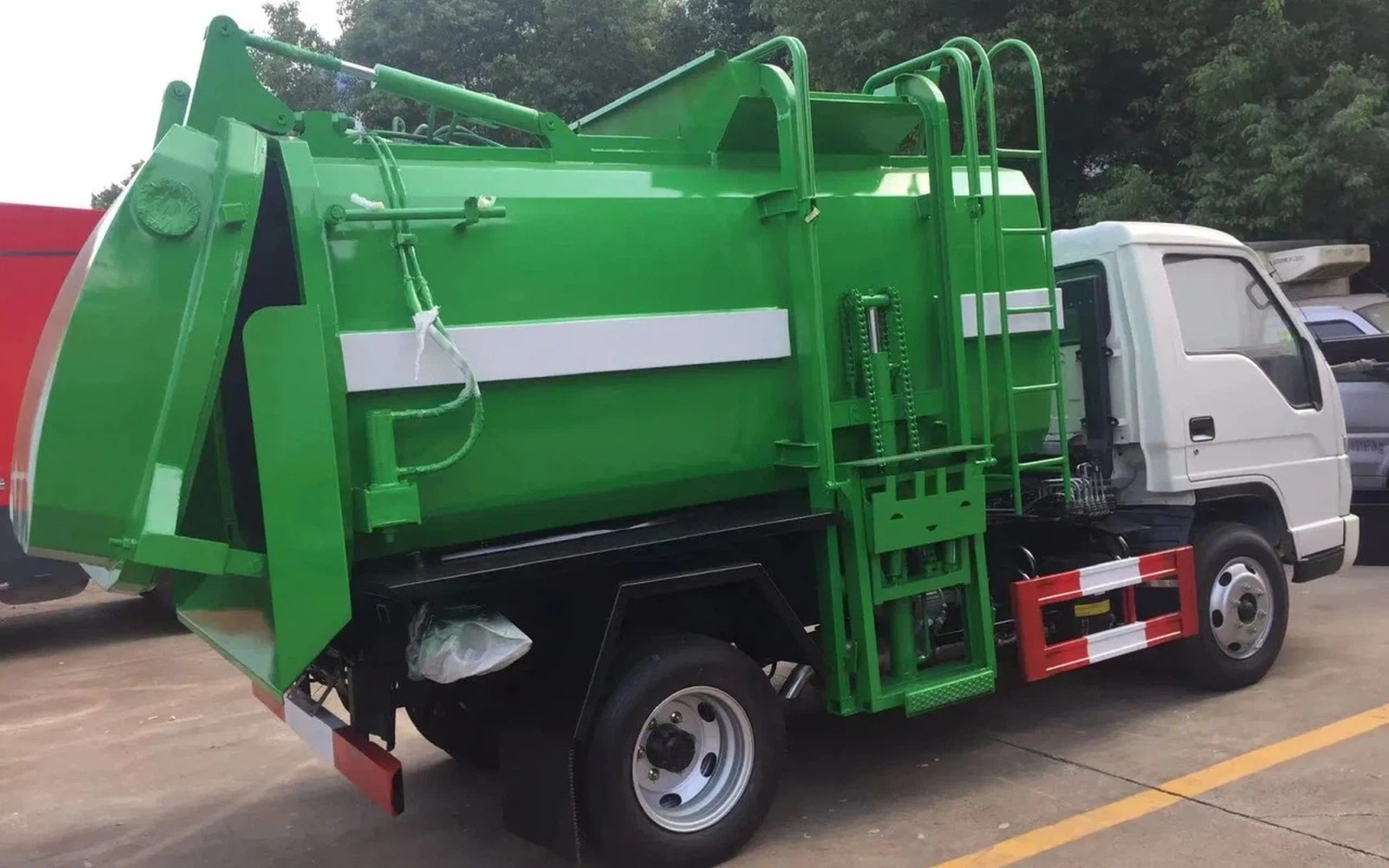
Refuse operators using the garbage truck fleet segment are heavy Mack buyers. The Granite's reliability profile and PTO compatibility with major packer body manufacturers has made it a long-term staple in the refuse industry, and the used refuse market for Granite trucks is active enough that lenders can price the residual risk accurately.
How Mack Fleet Financing Works
Fleet financing for Mack trucks follows the same fundamental path regardless of whether the transaction is a single unit or a multi-truck replacement cycle. Application and bank statements cover most deals under $400,000. Larger or more complex transactions need two years of business returns and current financial statements, and we walk through that process with the borrower to make sure the package is complete before it goes to underwriting.
Terms typically run 48 to 72 months. Granite and other vocational trucks used in high-cycle applications sometimes carry shorter terms because the duty cycle accelerates the depreciation curve even on a truck that will outlast the financing. We match the term to the asset's realistic value trajectory rather than defaulting to the longest available term.
Operators with existing Mack fleets who want to add units without a full application each time should consider a fleet equipment line of credit. Once approved, this structure lets you draw on the line for individual truck purchases as the need arises, which eliminates the delay between identifying a truck and closing the deal. For fleets on a rolling replacement schedule, this is the most efficient tool we offer.
Sale-leaseback is also available for Mack fleets. If your Granite trucks are paid off and sitting as equity rather than generating capital returns, a fleet sale-leaseback converts that idle equity into cash the business can use for growth, payroll, or equipment upgrades while you continue operating the trucks under the leaseback arrangement.
Related Financing Options for Mack Operators
Mack Anthem operators running freight hauling lanes sometimes use TRAC lease structures when they want the operating efficiency of a lease payment without a large upfront obligation. A TRAC lease sets a predetermined residual at the end of the term, which keeps payments lower than a loan to zero, and the lessee can choose to purchase at the residual, return the truck, or renew. For fleet managers who want to cycle trucks on a regular schedule rather than run them to high mileage, the TRAC structure often makes more financial sense than a conventional term loan.
Mack MD Series operators, particularly those running route-based service or delivery work with predictable annual mileage, sometimes find a dollar-buyout lease structure more efficient. A dollar-buyout lease is economically similar to a loan but carries a different accounting treatment that some businesses prefer for balance sheet reasons. The truck is yours at the end of the term for one dollar, and all payments build toward ownership.