Produce freight has a measurement most other freight categories do not: shelf life. A load of strawberries that misses a temperature excursion window can become an unsellable claim before it reaches the distribution center. That pressure runs straight back to the carrier's equipment. A reefer unit that cannot hold temperature, a trailer with compromised door seals, or a refrigerated truck waiting on a repair part is not just a cost problem, it is a load rejection and a shipper relationship at risk.
We finance the cold-chain fleets that move perishable freight, fresh produce, and temperature-sensitive agricultural products from growing regions to distribution points across the country. The core assets are reefer trailer fleets for Class 8 tractor combinations and refrigerated straight trucks for shorter-haul and regional produce delivery. We also finance the tractors that pull those trailers, from aerodynamic sleepers built for cross-country produce lanes to regional day cabs running distribution center circuits.
Produce and cold-chain carriers represent a segment that lenders understand well, because the asset values are established and the freight is essential. That generally translates to competitive financing terms for carriers with solid operating history. Deals start at $50,000, with multi-unit fleet packages and full tractor-reefer-trailer combinations common running about $150k to $500k. Application-only approval reaches to approximately $400,000 for qualifying carriers.
Where Produce Cold-Chain Freight Moves
California's San Joaquin Valley and Salinas Valley, Florida's production regions around Immokalee and the Lake Okeechobee belt, and the Yuma, Arizona growing district collectively produce the majority of fresh produce consumed in the United States. Cold-chain carriers move that product to distribution centers in high-population corridors: the I-5 and I-10 West Coast lanes, the I-95 Northeast, the Chicago distribution hub, and the Southeast corridors connecting Miami and Atlanta to major retail chains.
Carriers based near Stockton, CA and the Los Angeles region handle a disproportionate share of westbound California produce distribution. Carriers working the Florida-to-Northeast lane operate out of hubs near Miami, FL and serve the intermodal connections around Jacksonville. Understanding the regional lane structure helps us understand the equipment cycle a carrier is running and how it supports their underwriting profile.
Cross-country produce runs typically use aerodynamic sleeper tractors for fuel economy over long miles. Regional produce distribution uses day cabs cycling through daily reload routes. We finance both configurations and can structure a combined deal that covers a sleeper for the long-haul pull and a day cab for the distribution end of the operation.
Reefer Equipment: What We Finance and How
A standard produce reefer setup is a 53-foot insulated trailer with a diesel-powered refrigeration unit running continuous temperature management. Multi-temperature trailers with bulkhead dividers can run separate zones at different temperatures, which is common for carriers handling mixed produce and dairy loads. The additional complexity of multi-temp units is reflected in higher asset values, and we finance them accordingly.
Carrier Transicold and Thermo King dominate the reefer unit market. The unit's service history, age relative to the trailer, and compliance with CARB regulations in California-operating fleets all factor into collateral valuation. We work with lenders who understand that a reefer trailer is a system, not just a box on wheels.
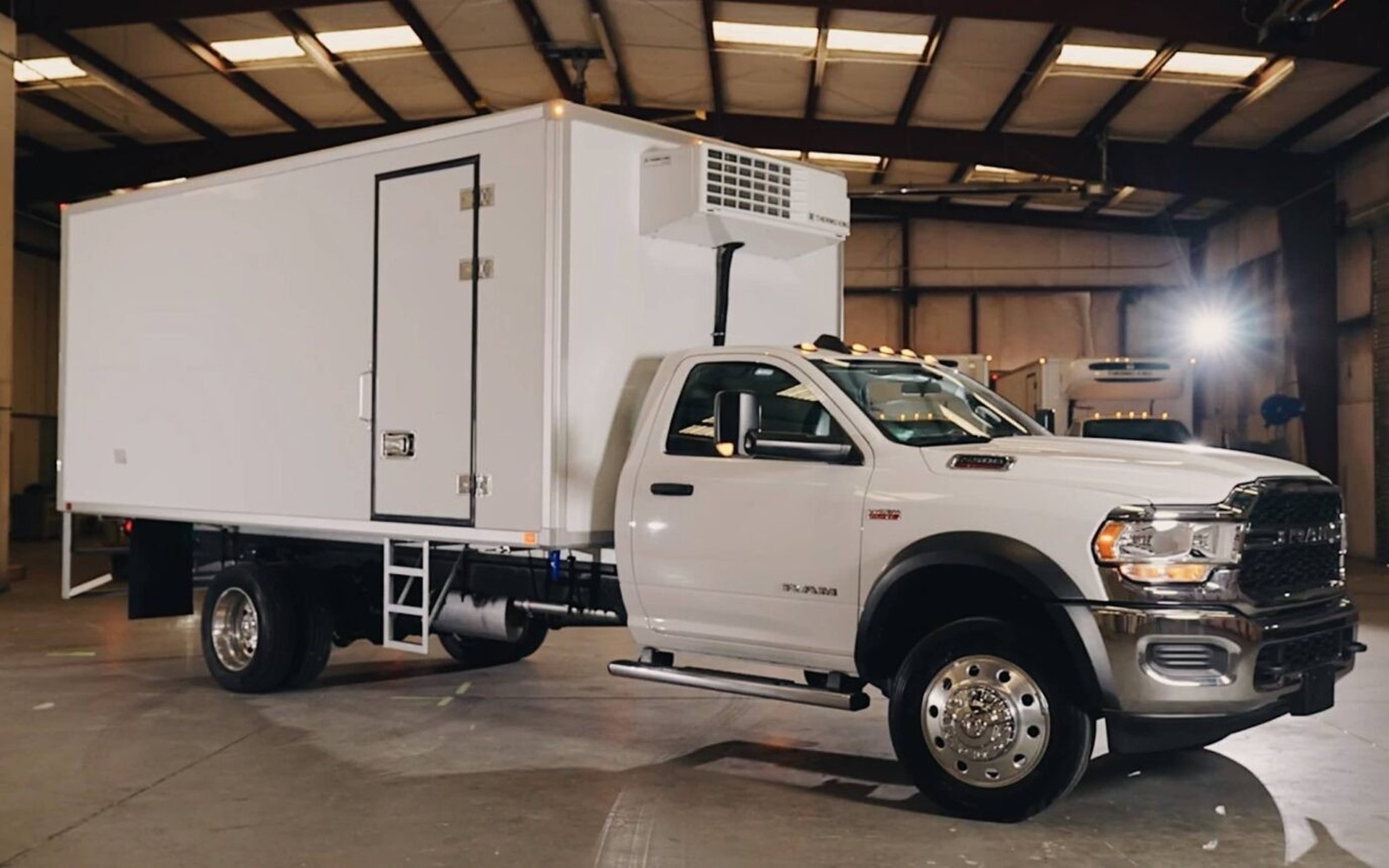
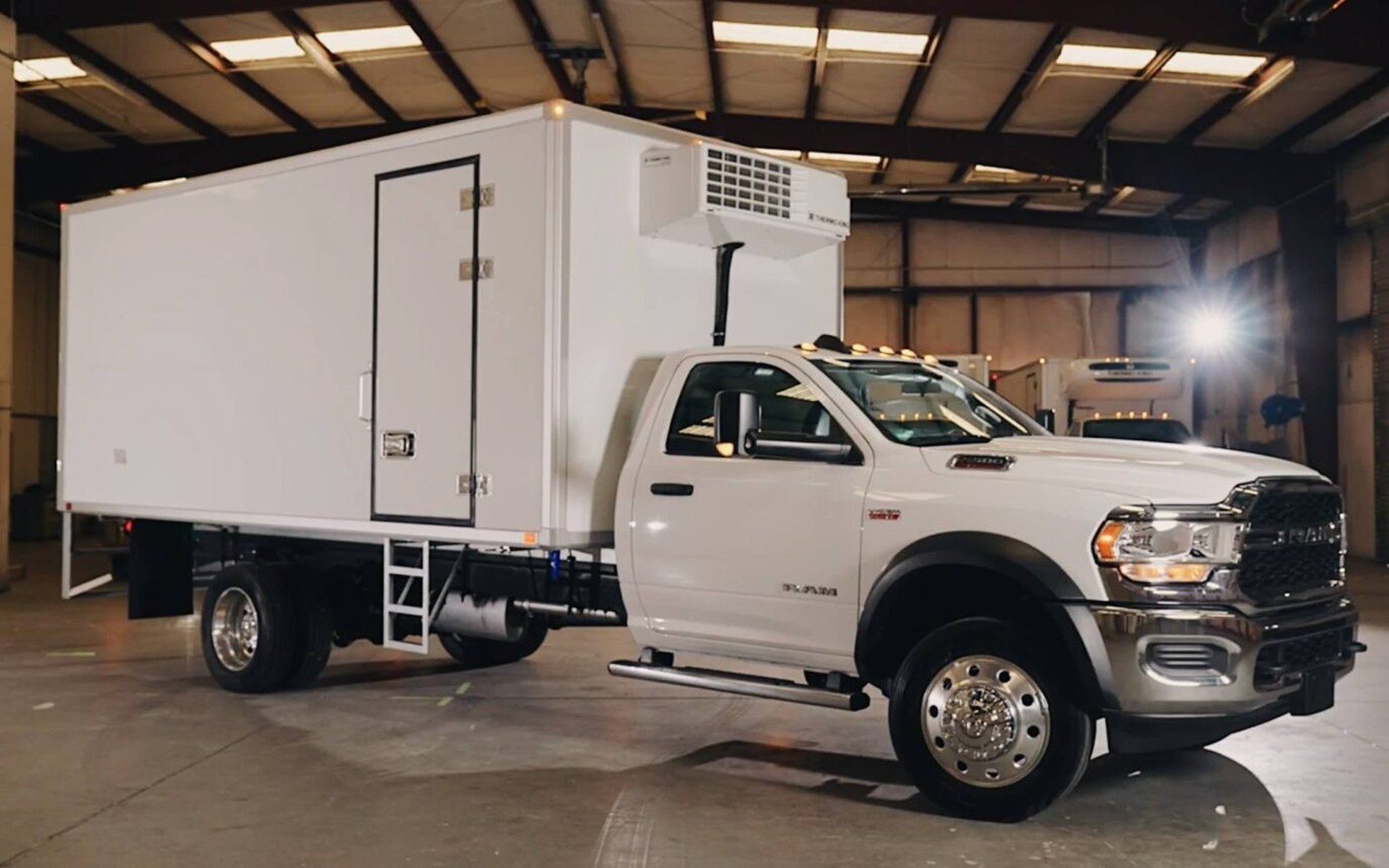
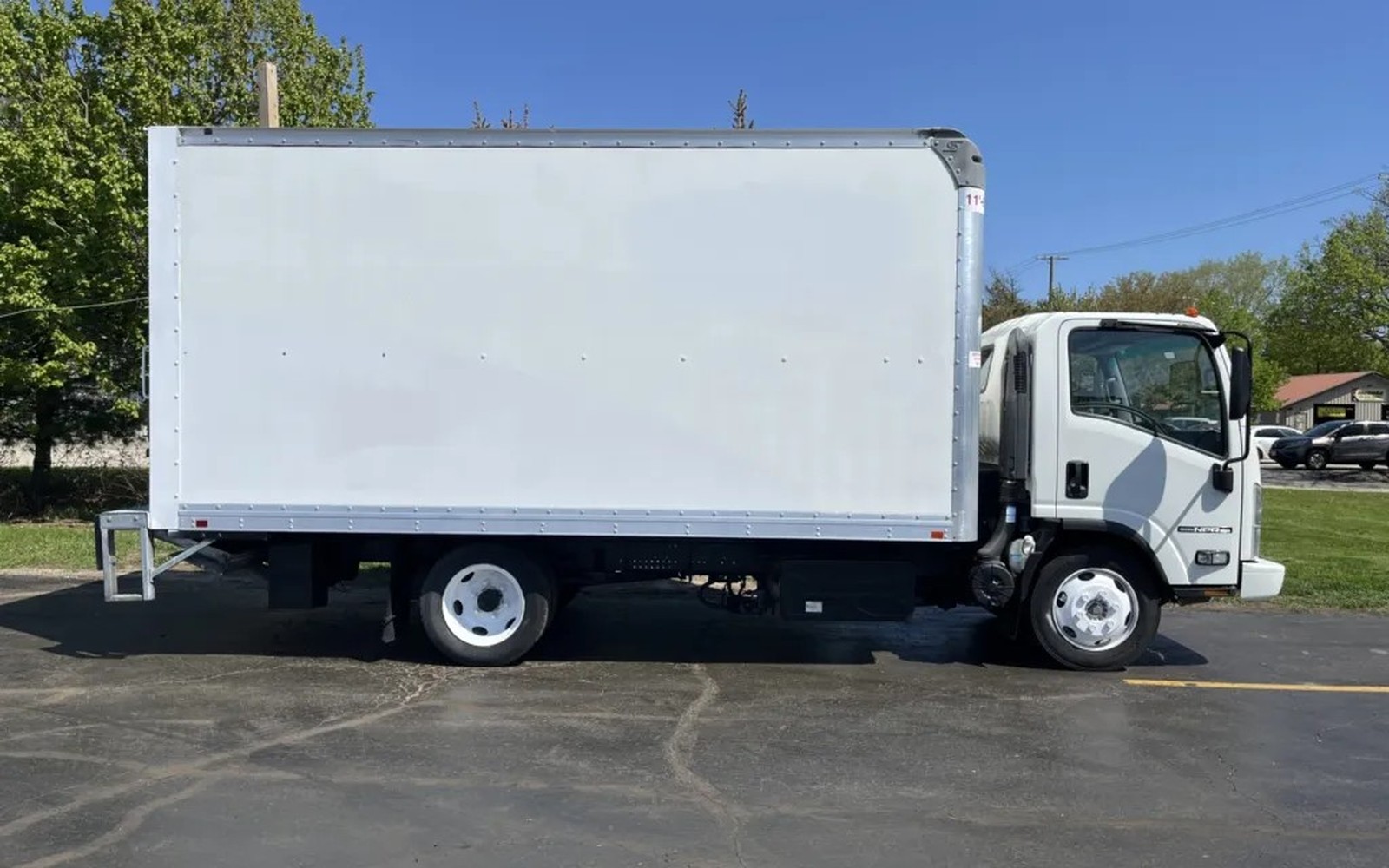
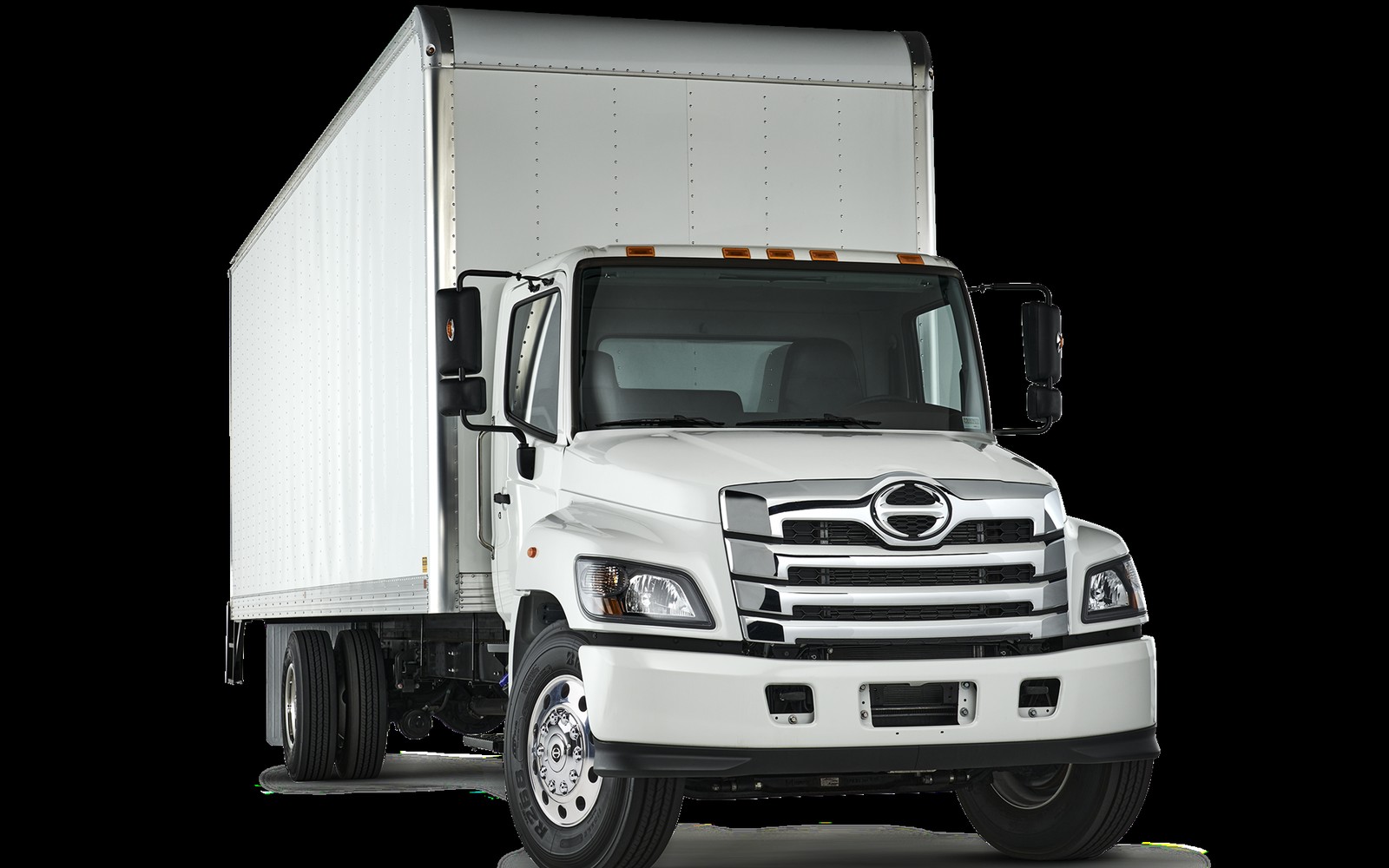
For refrigerated straight trucks, the most common produce distribution platforms are Class 6 and Class 7 medium-duty units with 20-foot to 26-foot refrigerated bodies. Isuzu and Hino platforms dominate the medium-duty produce delivery segment. Larger operations may run Class 8 refrigerated straight trucks for high-volume routes that do not warrant a full tractor-trailer combination.
Produce carriers buying used reefer trailers should note that trailer age and reefer unit hours both matter to lenders. A five-year-old trailer with a recently rebuilt or replaced refrigeration unit typically finances better than a newer trailer with a reefer unit showing very high hours. We can help you evaluate whether a prospective used trailer acquisition is finance-friendly before you commit to a purchase price.
Working Capital Options for Cold-Chain Carriers
Produce carriers deal with seasonal cash flow variation. California produce moves heavily in spring and summer, with some crops extending into fall. Florida's peak production runs late fall through spring. A carrier whose lanes follow those seasonal patterns may carry high equipment costs through relatively slow months.
A fleet refinance can reduce monthly payments across the reefer trailer fleet, which matters during off-peak months when load availability and rates compress. If existing trailer notes are at above-market rates, refinancing can free meaningful cash flow per unit.
For carriers with paid-off reefer trailers, a Fleet Sale-Leaseback converts equity in those trailers to immediate working capital. Produce carriers use that capital to cover IFTA tax obligations, fund tire programs, or add equipment capacity heading into a peak produce season. The trailers stay on the road, the capital goes to work in the business.
Carriers who want to reduce overall debt but need to stay in compliant, late-model equipment can also use a TRAC lease structure. The terminal rental adjustment clause at the end of the lease gives you flexibility on the residual and can work well for cold-chain carriers managing equipment on longer replacement cycles.