Beverage distribution runs on route economics: stops per shift, cases per stop, and the reliability of the vehicle making it happen. A straight truck breaking down on a Monday morning delivery run does not just cost a repair bill, it costs a full day of route revenue, driver time, and in some cases the goodwill of a retail account that needs product on the shelf before weekend traffic arrives. Fleet downtime in this industry has a cost that shows up immediately on the income statement.
We finance straight trucks, refrigerated delivery vehicles, box trucks, and route vans for beer distributors, wine and spirits wholesalers, soft drink distribution companies, and specialty beverage operators. Transactions start at $50,000, with most route truck acquisitions falling running about $100k to $200k depending on body configuration and refrigeration requirements. Application-only approval up to roughly $400,000 is available, B and C credit is considered, and deals fund in approximately one to two weeks.
The Economics Behind Beverage Distribution Fleets
Three-tier distribution in the U.S. means state-licensed wholesale distributors sit between producers and retail accounts, and those distributors are responsible for the logistics chain from warehouse to store shelf. Fleet reliability is not optional in that structure: licensed distribution agreements come with service level expectations, and a distributor who cannot deliver consistently risks losing brand portfolio agreements that took years to build.
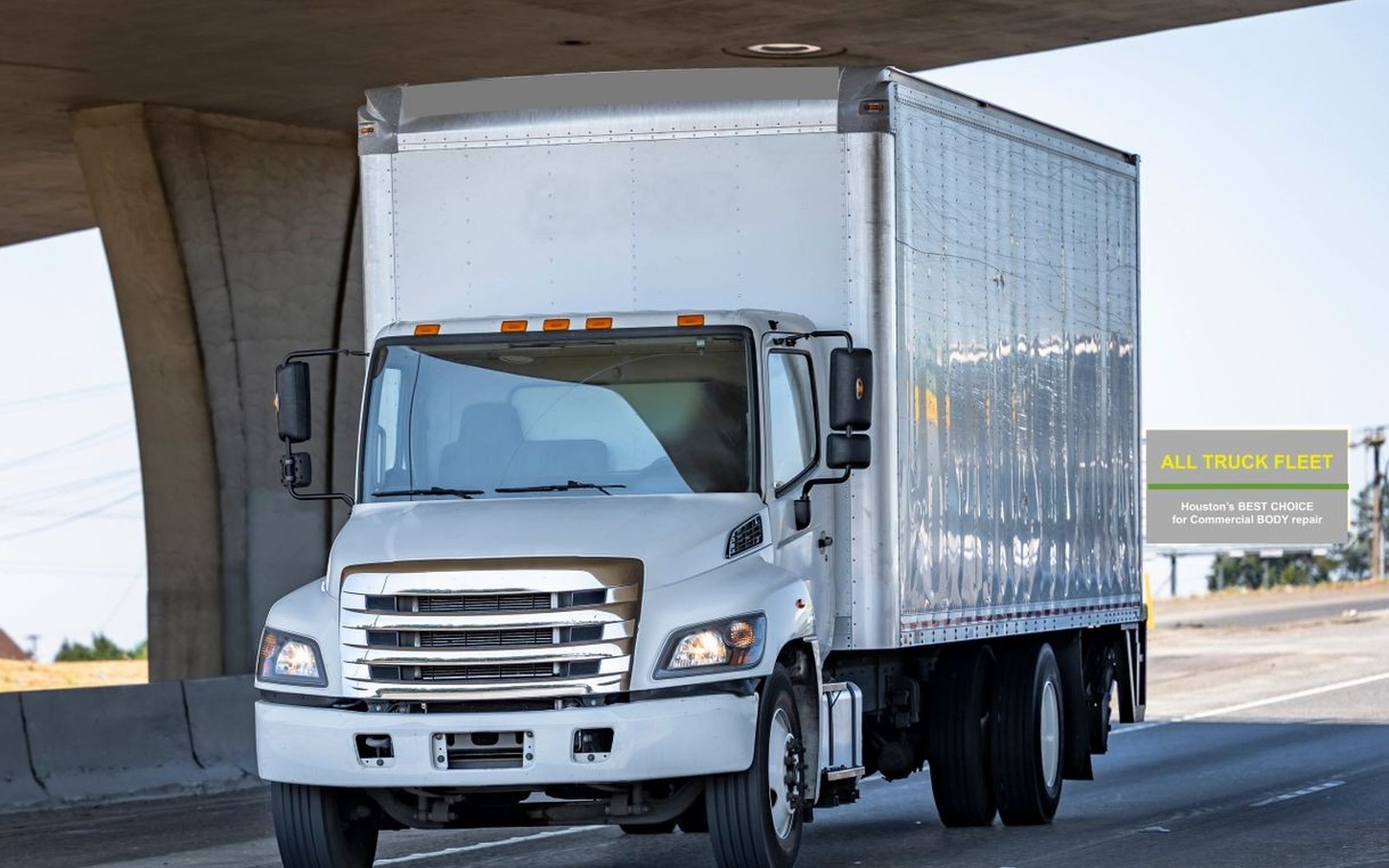
The equipment mix varies by segment. Beer distribution fleets are typically Class 4 to Class 6 straight trucks with liftgates, often running 22- to 26-foot refrigerated or dry box bodies. Soft drink distributors frequently run a mix of larger route trucks for bulk account delivery and smaller step-van style units for vending and foodservice accounts. Wine and spirits distributors often run Class 5 or Class 6 dry box trucks because their product does not require refrigeration but does require secure, clean delivery environments.
Larger distributors with exclusive territories in major metro markets run fleets of 30 to 100-plus vehicles, making fleet replacement cycles a strategic financial decision rather than a transactional one. For those operators, multi-unit fleet financing structures that close in a single transaction or a defined draw series work better than vehicle-by-vehicle procurement.
Equipment Detail for Distribution Fleets
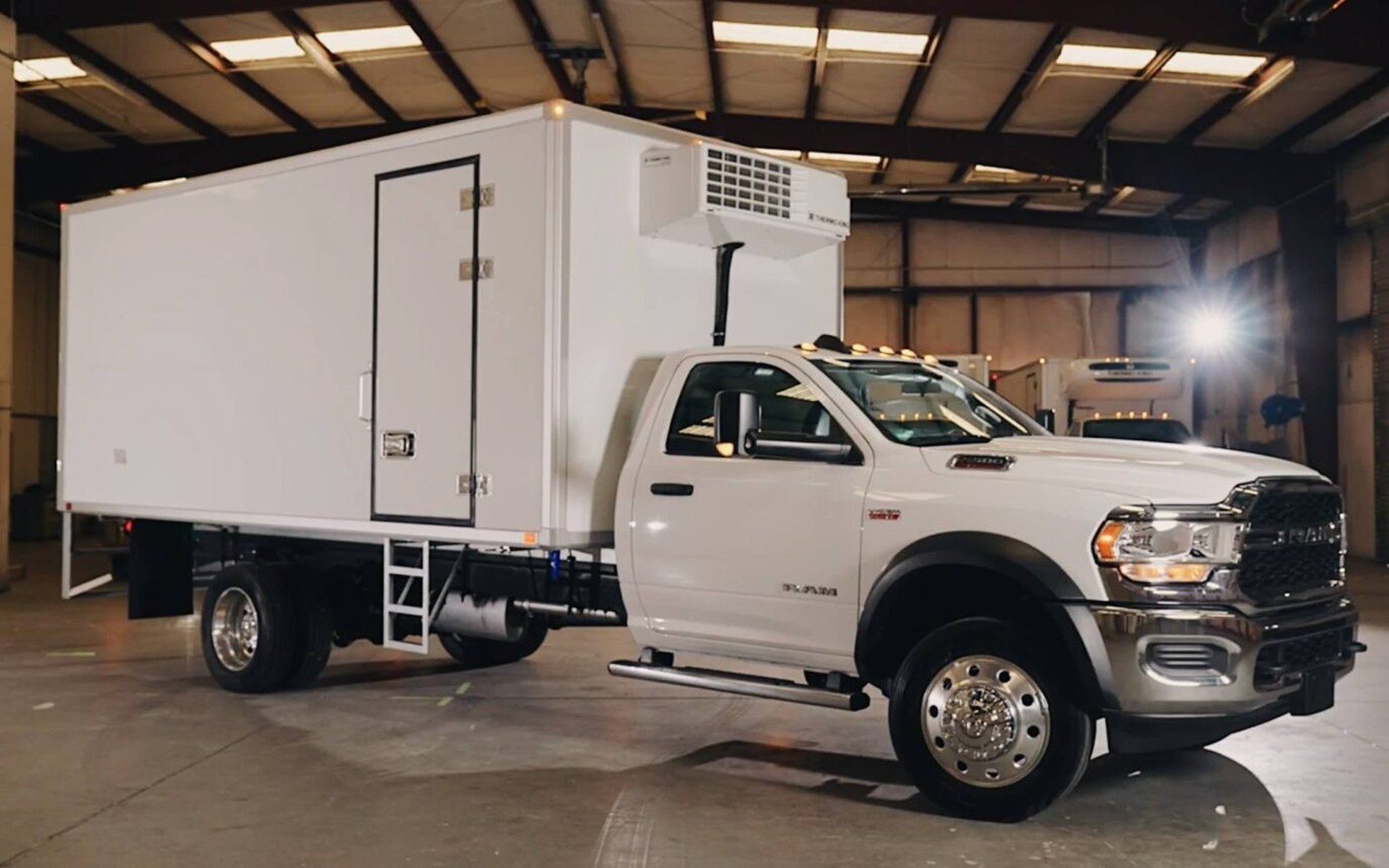
The workhorse for most beverage routes is the 22-foot refrigerated straight truck on a Class 5 or Class 6 chassis. Common platforms include the Freightliner M2 106, the International MV Series, and Isuzu FTR, with refrigerated bodies from Thermo King or Carrier-spec Wabash or Morgan bodies. These units typically price out at $120,000 to $180,000 fully upfitted, depending on refrigeration system type and liftgate specification.
For distributors running non-refrigerated wine and spirits routes, the same chassis platforms carry dry box bodies at significantly lower upfit cost, often bringing the total unit price to $90,000 to $140,000. Liftgate spec is nearly universal for cases, kegs, and pallet-level delivery.
Route vans for smaller account delivery or specialty beverage operators often use Class 3 or Class 4 cutaway or step-van configurations. Straight truck fleet financing covers the full range of these configurations, from smaller Class 4 walk-in van bodies to Class 6 multi-temperature refrigerated units. We also regularly finance refrigerated truck fleets for operators whose routes include fresh juice, kombucha, or temperature-sensitive specialty product lines.
Recycling Fleet Equity for Working Capital
Beverage distributors who have built equity in their existing route trucks can convert that equity into operating capital without selling the vehicles. A fleet sale-leaseback sells the owned vehicles to a lender at fair market value, then leases them back under terms that keep the trucks on the road. The distributor walks away with a cash infusion while the route operations continue without interruption.
This structure works particularly well when a distributor has been buying vehicles with cash or short-term notes and has accumulated equity across a ten- to twenty-vehicle fleet. The cash released from a fleet sale-leaseback arrangement can fund a facility expansion, a new territory acquisition, or simply strengthen working capital reserves ahead of a seasonal push.
Cash-out refinancing on individual units with existing liens is also available. If a distributor financed a truck three years ago at rates that were less competitive, refinancing to a lower rate frees monthly cash flow and may allow a lump-sum equity draw on top. Distributors in active growth markets like Houston and Dallas have used this structure to fund the down payments on territory acquisitions without disrupting day-to-day operation capital.
Timeline and Approval Process
Most beverage distribution operators have predictable revenue: route accounts pay net-30 or better, distribution agreements provide some visibility on forward volume, and the fleet asset itself holds value. That makes the credit underwriting process more straightforward than industries with highly variable income. Application-only deals under $400,000 run on three months of bank statements plus the credit application, with decisions in 24 to 48 hours in most cases.
Larger fleet transactions that exceed application-only thresholds add two years of business tax returns and current financials, but the overall timeline from application to funded deal still targets one to two weeks. For distributors who are replacing a truck that has gone out of service unexpectedly, that timeline matters, and we prioritize time-sensitive deals where the business case for speed is clear.
Operators with strong credit may also qualify for application-only fleet financing that bypasses the full financial package entirely, even on larger transactions in some cases. Credit profile, time in business, and the total relationship drive those conversations.