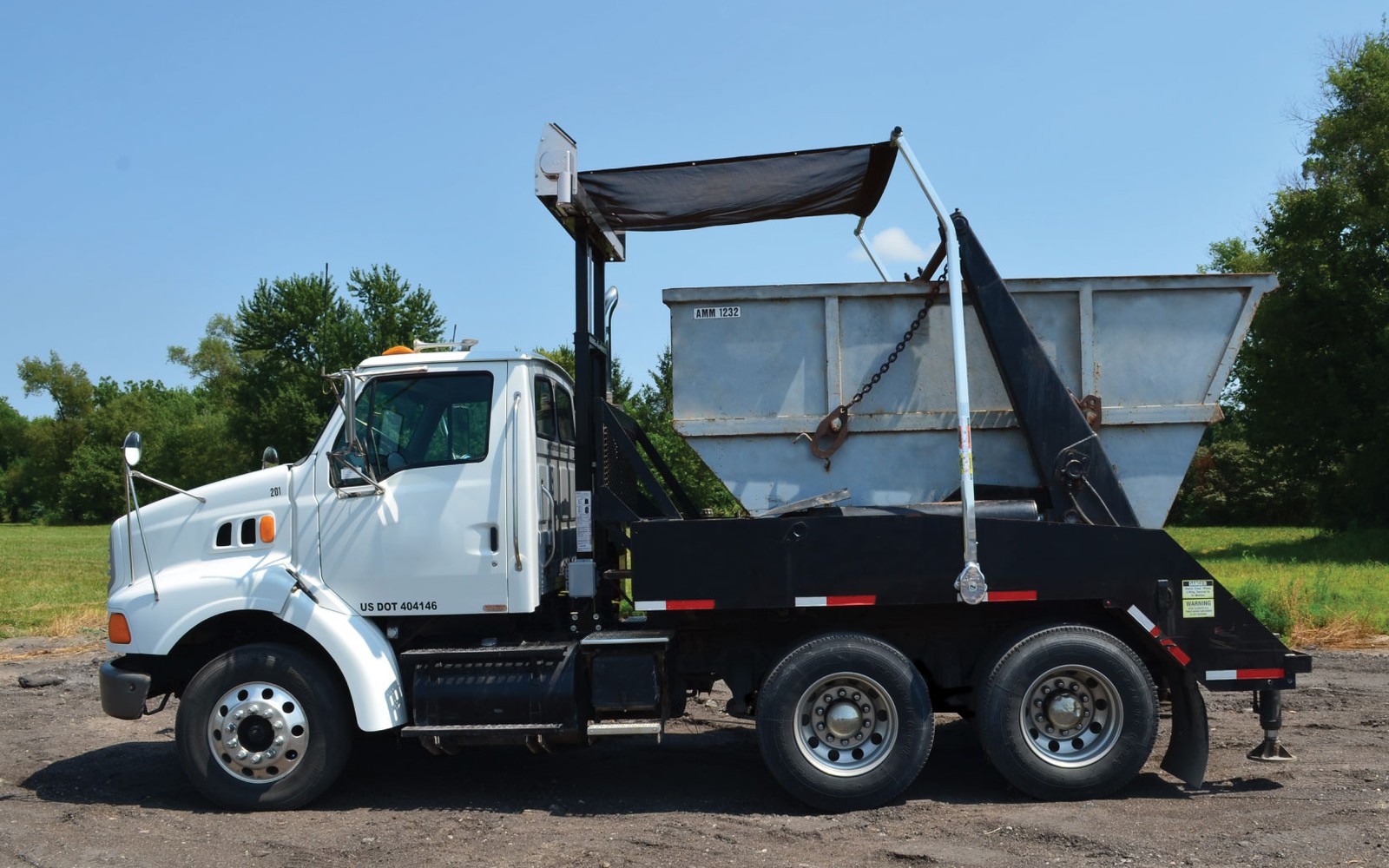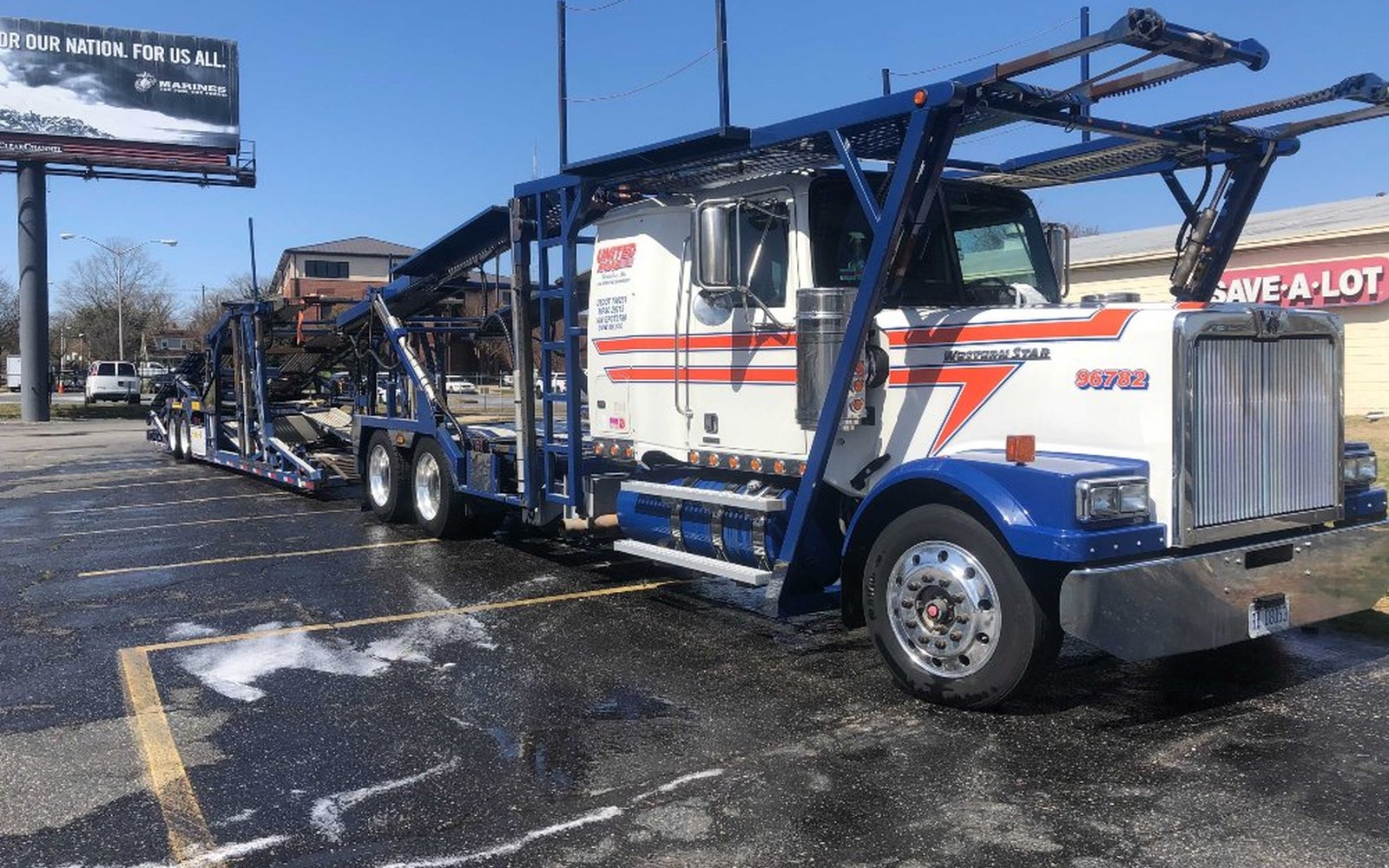
Equity sitting in paid-off iron does not pay drivers, fuel tanks, or insurance premiums. A fleet sale-leaseback converts that dormant asset value into cash in the business without interrupting a single shift. You sell the trucks to a financing company, they lease the equipment back to you under a defined term, and your fleet keeps rolling as if nothing changed operationally. What changes is the capital position on your balance sheet.
This structure works particularly well for owner-operators and mid-size fleets that have spent years paying down notes and now hold significant equity in their rolling stock. Instead of waiting for retirement to liquidate that value, a leaseback puts it to work today, whether for a new truck acquisition, working capital, facility investment, or covering a seasonal cash flow gap.
We structure sale-leaseback transactions starting at $50,000. The sweet spot is fleets where the trucks hold real, documentable market value and the business has consistent revenue. Funding from approval to cash in hand typically runs one to two weeks.
How a Sale-Leaseback Transaction Works
The mechanics are straightforward once you understand what each party actually owns at each stage of the transaction. Here is the sequence:
Step 1: Valuation. The financing company orders an appraisal or uses book value data to establish what your trucks are worth in the current market. This determines how much cash you can pull out. For flatbed trucks, dump trucks, and highway tractors, market values are well-established and the appraisal step moves quickly.
Step 2: Sale. You sell the trucks to the financing company at the agreed value. Title transfers to them. Cash flows to you at closing. If you have existing liens on the trucks, those are paid off at closing and you receive the difference.
Step 3: Lease. Simultaneously, you sign a lease agreement that lets you continue using the trucks under defined terms. Monthly payments are your obligation during the lease. At lease end, depending on structure, you may have a buyout option to reacquire title.
Step 4: Trucks keep working. From a driver and dispatch perspective, nothing changes. The trucks are on the same routes, serviced by the same shops, carrying the same loads. The transaction is entirely financial.
The lease structure matters. A terminal rental adjustment clause lease, which we also cover on our TRAC lease page, is a common choice for fleet operators because it ties the residual value and buyout to actual market depreciation rather than an arbitrary fixed amount. An alternative is a one-dollar buyout lease, which functions more like a loan and guarantees title return at lease end.
Operators Who Benefit Most from a Leaseback
Sale-leaseback is not the right tool for every situation, but it fits several specific fleet circumstances very well.
- Fleets with paid-off or nearly paid-off trucks: Maximum equity means maximum proceeds at closing. Operators who have run a consistent replacement cycle and now own their iron outright are in the strongest position to execute a leaseback.
- Businesses facing a near-term capital need: Expansion into a new market, purchase of a competitor's accounts, or a large contract requiring upfront investment are all situations where tapping fleet equity makes more sense than taking on unrelated debt.
- Operators replacing older trucks: If you plan to buy new anyway, a leaseback on the existing fleet can fund the down payment or full acquisition cost of replacement units. You convert old-iron equity into new-truck capital.
- Seasonal businesses with cyclical cash flow: Fleets serving agriculture hauling or construction markets that see sharp revenue swings can use a leaseback during slow periods to maintain operational stability without drawing on credit lines.
Operators with trucks that are heavily encumbered, underwater on their notes, or in poor mechanical condition will have a harder time executing a leaseback at useful values. We review the equipment condition and payoff situation before structuring anything.
Typical Lease Terms and What to Expect
Leaseback terms vary by equipment age, mileage, and business credit profile. A few benchmarks that apply to most transactions:
Lease lengths commonly run 24 to 60 months. Shorter terms mean higher monthly payments but less total interest paid; longer terms reduce the monthly obligation but extend your payment horizon. For fleet managers running a three to four year replacement cycle, a 36 to 48 month lease aligns well with the natural equipment lifecycle.
Monthly payments are calculated on the agreed sale price (less any existing payoff), amortized over the lease term, plus the financing company's rate. Your credit history and business cash flow determine the rate. B and C credit profiles can qualify, with adjusted pricing. We do not quote fictional rates; we work through the numbers with you once we have the application in hand.
At lease end, you typically have options: return the trucks, extend the lease, or exercise a buyout at a predetermined residual value. Getting clarity on the buyout terms before signing is important, particularly if you intend to keep the equipment long-term. A leaseback that ends with a buyout you cannot afford is a poor planning outcome, so we map that number out at the front of every transaction.
Alternatives If Leaseback Is Not the Right Fit
If you have significant equity but prefer to keep title throughout, a cash-out truck refinance pulls equity while maintaining ownership, rather than transferring title temporarily through a leaseback structure. The monthly obligations are similar, but the legal relationship to the equipment differs.
For operators looking to add trucks rather than extract equity from existing ones, standard fleet financing covers multi-unit acquisitions with competitive structures. And if your current notes are simply too expensive, a fleet refinance may reduce your payment obligation without changing the ownership structure at all.
See What Your Fleet Equity Is Worth
Tell us which trucks you own outright (or nearly outright), their year and mileage, and a rough sense of your capital need. We will run the numbers and show you what a leaseback could put in the business. No obligation, no long application until you decide to move forward.