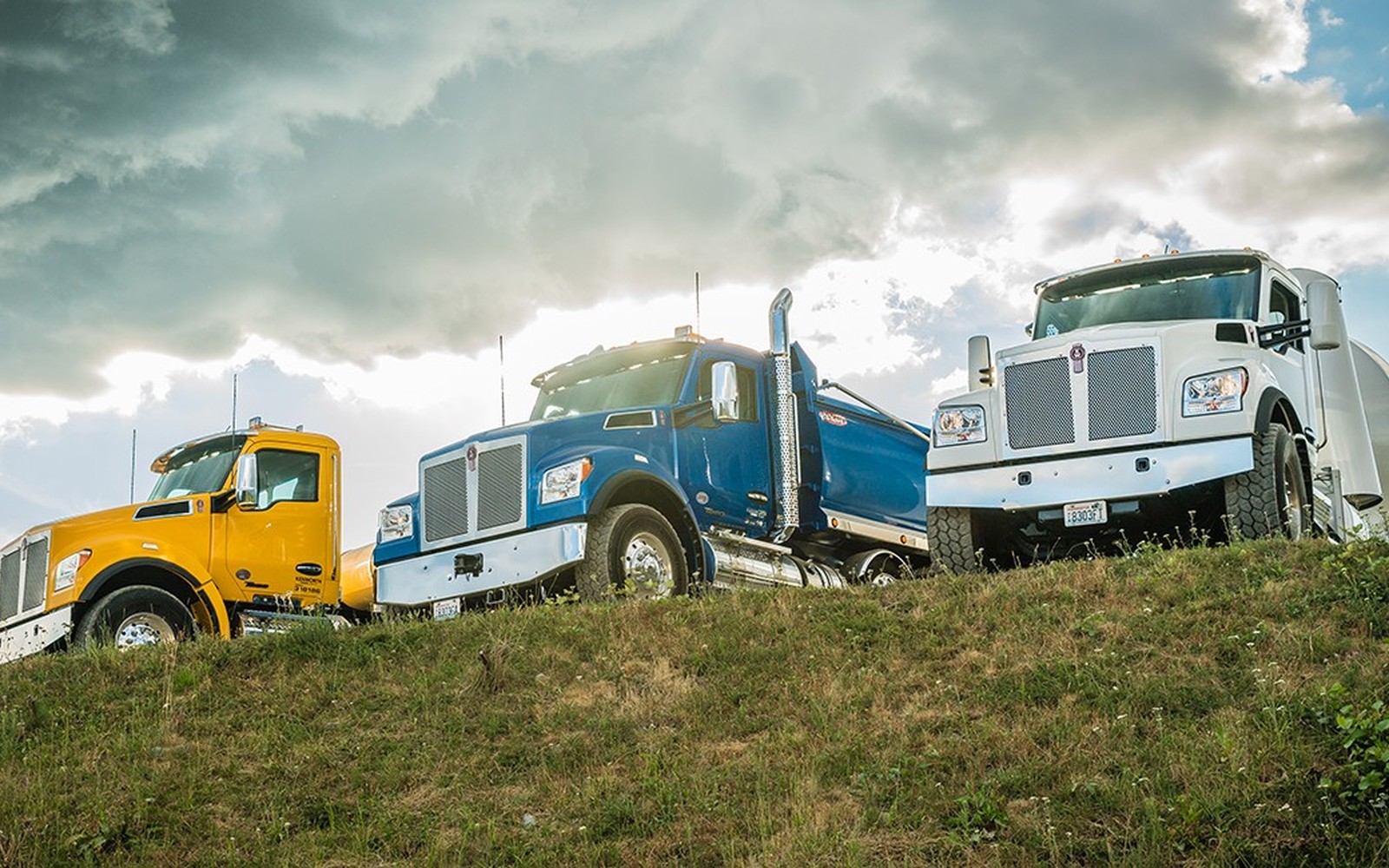
Harvest does not wait. Grain that sits in the field after peak moisture, produce that holds too long on a hot day, or livestock that misses its delivery window because a truck broke down at the wrong moment are not abstract cost problems, they are direct revenue losses. Agriculture hauling fleets carry the same pressure as the production operation itself: the truck has to be there and it has to work.
We finance agricultural hauling truck fleets for grain carriers, livestock transporters, produce haulers, and general ag freight operators. The equipment range covers everything from grain dump trucks handling harvest transport from the field to the elevator, to livestock trailer fleets moving cattle, hogs, and poultry to processing facilities, to flatbed truck configurations for farm equipment, hay, and bulk material delivery. We also finance the tanker trucks used in liquid fertilizer application support, water transport, and milk hauling operations.
Agriculture hauling transactions start at $50,000. A grain truck with a hopper dump body runs $80,000 to $160,000 depending on spec and configuration. Livestock transport combinations, typically a tractor and a possum-belly or double-deck trailer, run $150,000 to $300,000 and up for new equipment. Application-only financing covers many ag hauling deals up to approximately $400,000. Three months of business bank statements is the standard documentation package for operators at that level.
Agricultural Freight: Where the Loads Move and Why
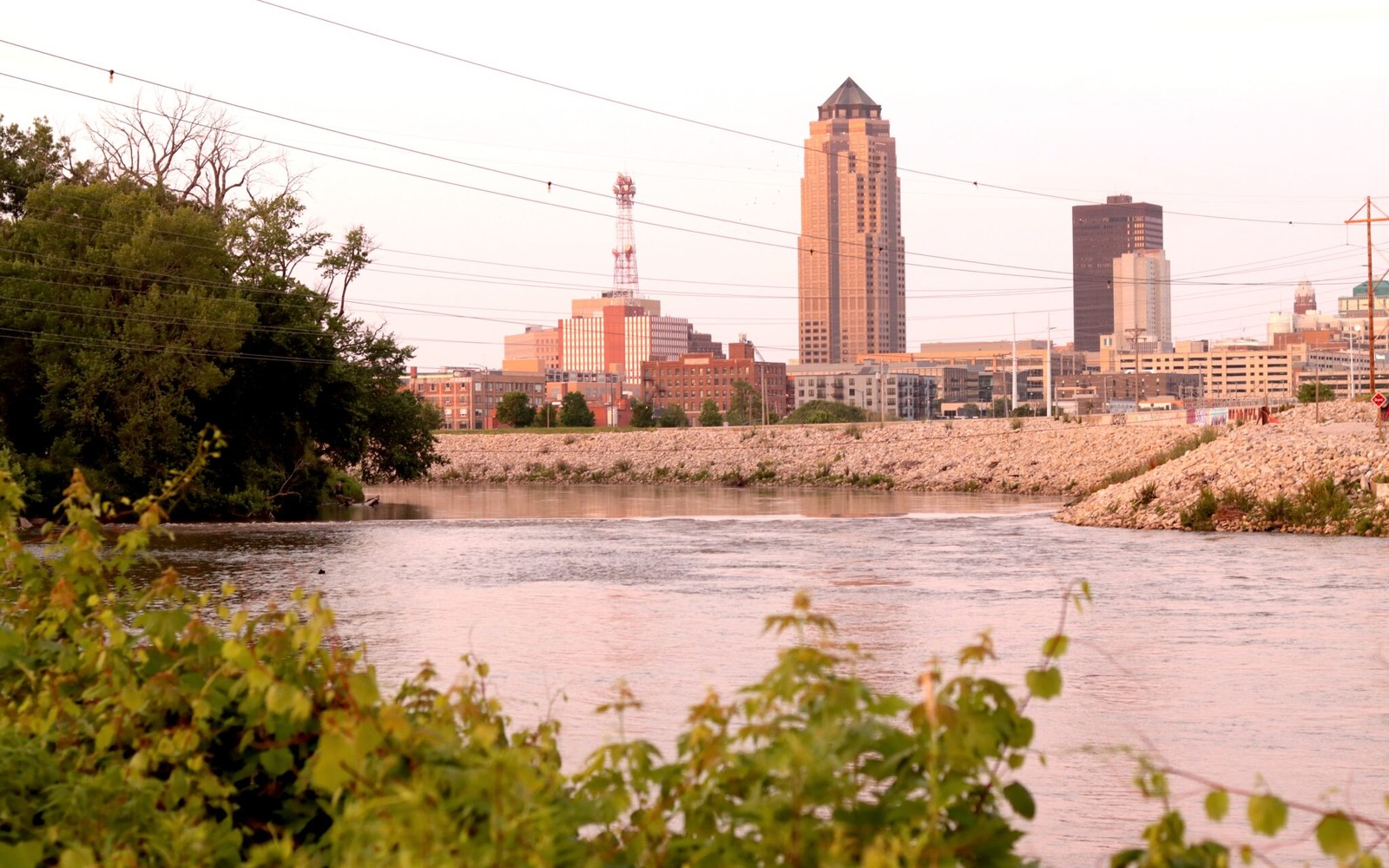
Corn and soybean production in the Corn Belt, spanning Iowa, Illinois, Indiana, and the eastern Dakotas, generates enormous grain transport volume during fall harvest. Operators based in and around Des Moines, IA, Omaha, NE, and Minneapolis, MN support the bulk of grain movement to river terminals, rail transload facilities, and feed mills in those states. The harvest window compresses demand into a short period, which creates pressure on fleet availability every October and November.
Livestock hauling has its own regional concentration. Cattle move from feedlot operations in Nebraska, Kansas, and Texas to packing plants. Hog production in Iowa and the eastern Midwest feeds processing capacity in the Missouri River corridor and in Kansas City. Poultry hauling supports the major processing operations in Arkansas, Georgia, and the Delmarva Peninsula. Each of these flows drives concentrated equipment demand for livestock trailer combinations.
The western produce belt in California and the Southwest connects to cold chain distribution through refrigerated trucks and trailers, but agriculture hauling also includes the ambient-temp transport of bulk produce, onions, potatoes, and citrus that moves in hopper-style trailers or standard dry vans. Operators in the Central Valley and the Rio Grande Valley support that movement.
Agricultural Trucks: Configuration and Financing
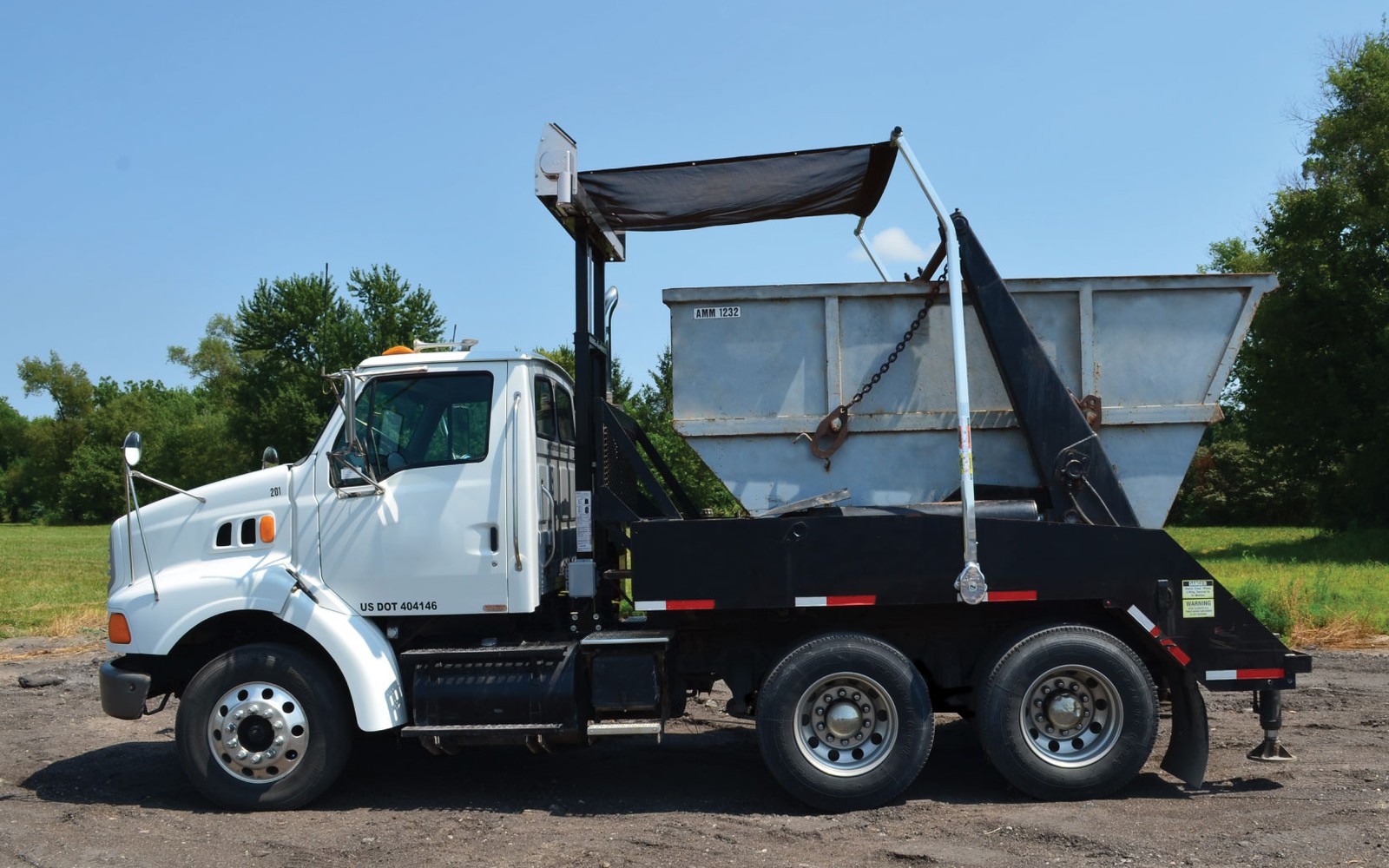
Grain trucks in agriculture hauling are typically Class 7 or Class 8 straight trucks with hopper or auger dump bodies. A ten-wheeler or a tandem-axle straight truck in the 16-ton to 20-ton payload range is the most common grain farm truck configuration. Ag fleet operators who move more than their own grain also run semi-truck combinations with hopper-bottom grain trailers for elevator-to-elevator or farm-to-rail movements. We finance both the straight truck farm fleet and the tractor-hopper combinations used by commercial grain carriers.
Livestock trailers are highly specialized. A possum-belly trailer carries cattle or hogs on three decks, with hydraulic loading gates and ventilation systems designed for animal welfare compliance. A double-deck hog trailer may be 53 feet long with a complex internal configuration for different weight classes. These are valuable assets with specific lender knowledge requirements. We connect livestock haulers with lenders who understand the complete trailer system, not just the frame and axles.
Tanker trucks used in agriculture serve multiple functions. Liquid fertilizer applicator support trucks deliver anhydrous ammonia or liquid nitrogen solutions to field application equipment. Milk haulers collect from dairy farms on scheduled routes and transport to processing plants. Water trucks serve both irrigation support and livestock water delivery. Each tanker application has different tank material and pressure requirements, and we make sure the complete configured unit is properly valued and financed.
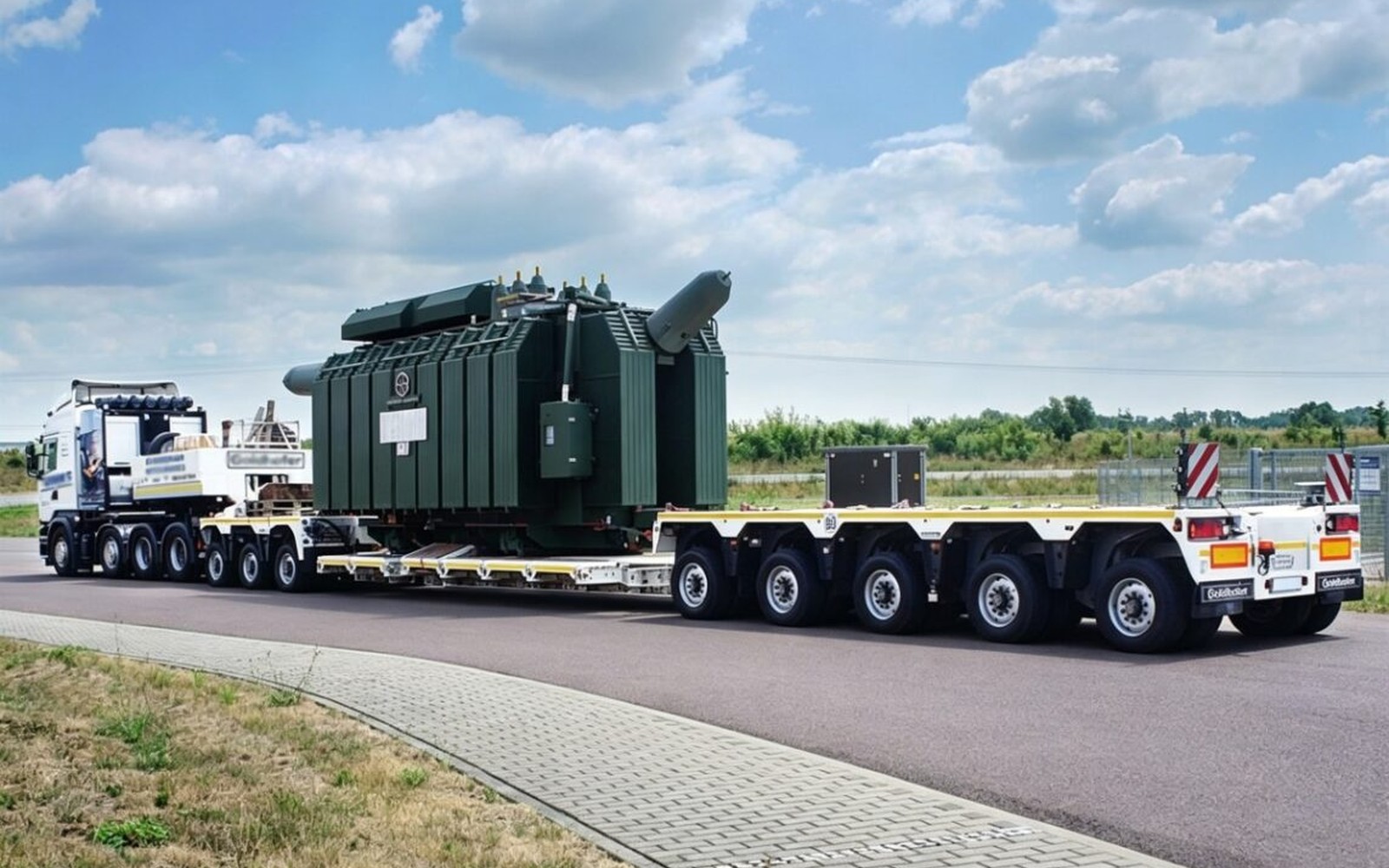
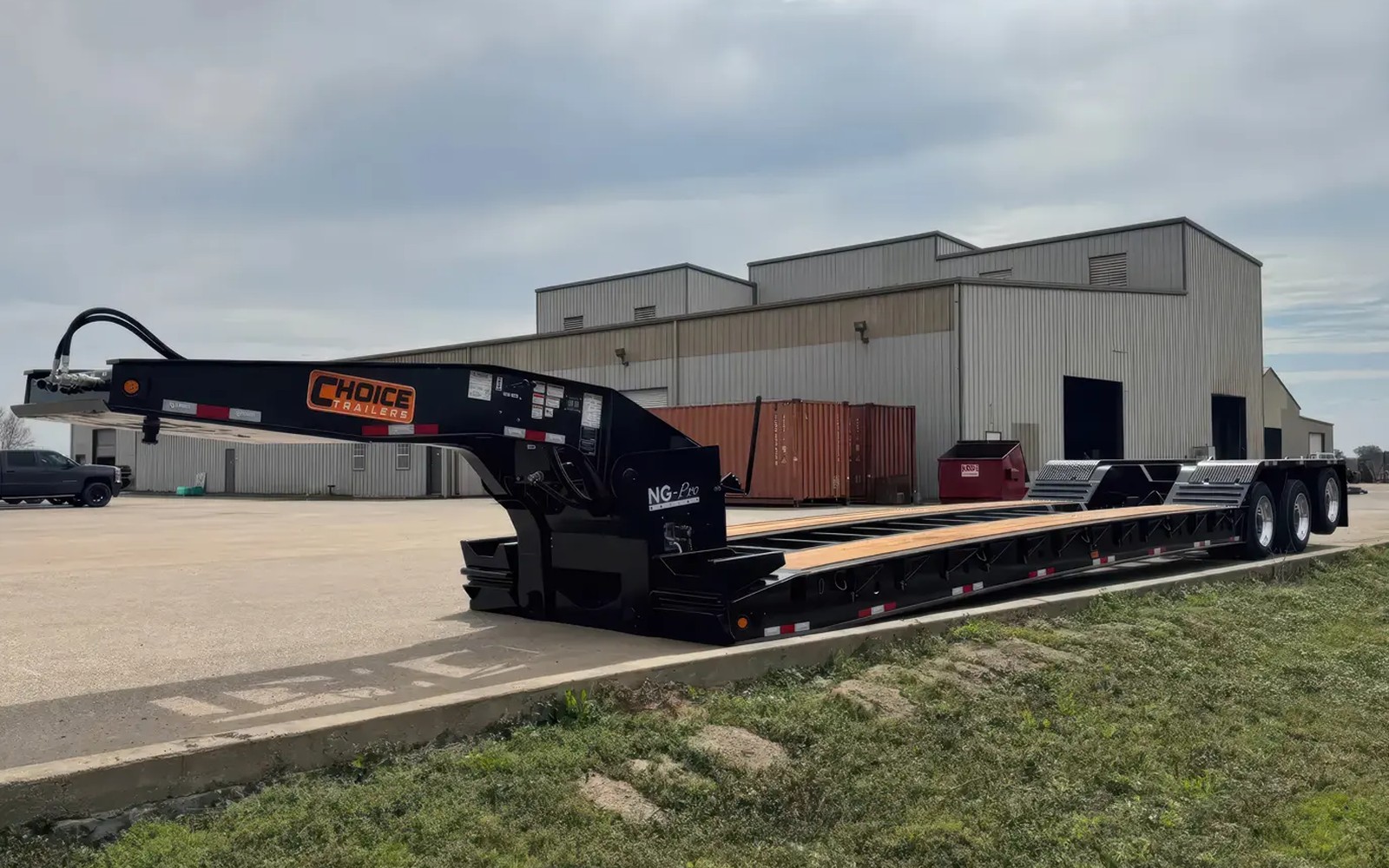
Farm equipment transport uses lowboy trailer combinations for large equipment that exceeds road height limits and step-deck trailers for combines, large planters, and implements that can clear bridges with a partial deck reduction. These are common in the Corn Belt during planting and harvest equipment movement seasons.
Financing Agricultural Operators Through Seasonal Cash Flow
Agriculture is one of the most seasonally structured cash flow businesses that exists. Grain operators collect income at harvest. Livestock operators may have more consistent cash flow depending on the market, but cattle producers often operate on a longer cycle between input costs and sale receipts. The mismatch between when expenses occur and when revenue arrives is built into every agricultural financing analysis.
Lenders who work with agricultural operators understand this dynamic. Bank statements may show low deposit periods followed by large harvest-season inflows. We frame that pattern correctly for the available equipment finance programs so that a seasonal low point in the bank statement does not look like financial distress when it actually reflects normal agricultural cash flow timing.
Our seasonal deferred payment program is particularly relevant for grain haulers and row-crop support operators. Structuring payments to align with harvest revenue makes the economics of a new truck purchase more manageable for an operator whose cash position follows the crop calendar rather than a monthly income model.
Agricultural haulers who own equipment outright and need working capital for spring inputs, equipment maintenance, or fleet additions can use a cash-out refinance to access equity from paid-off trucks. The capital goes to work in the operation while the trucks keep running.