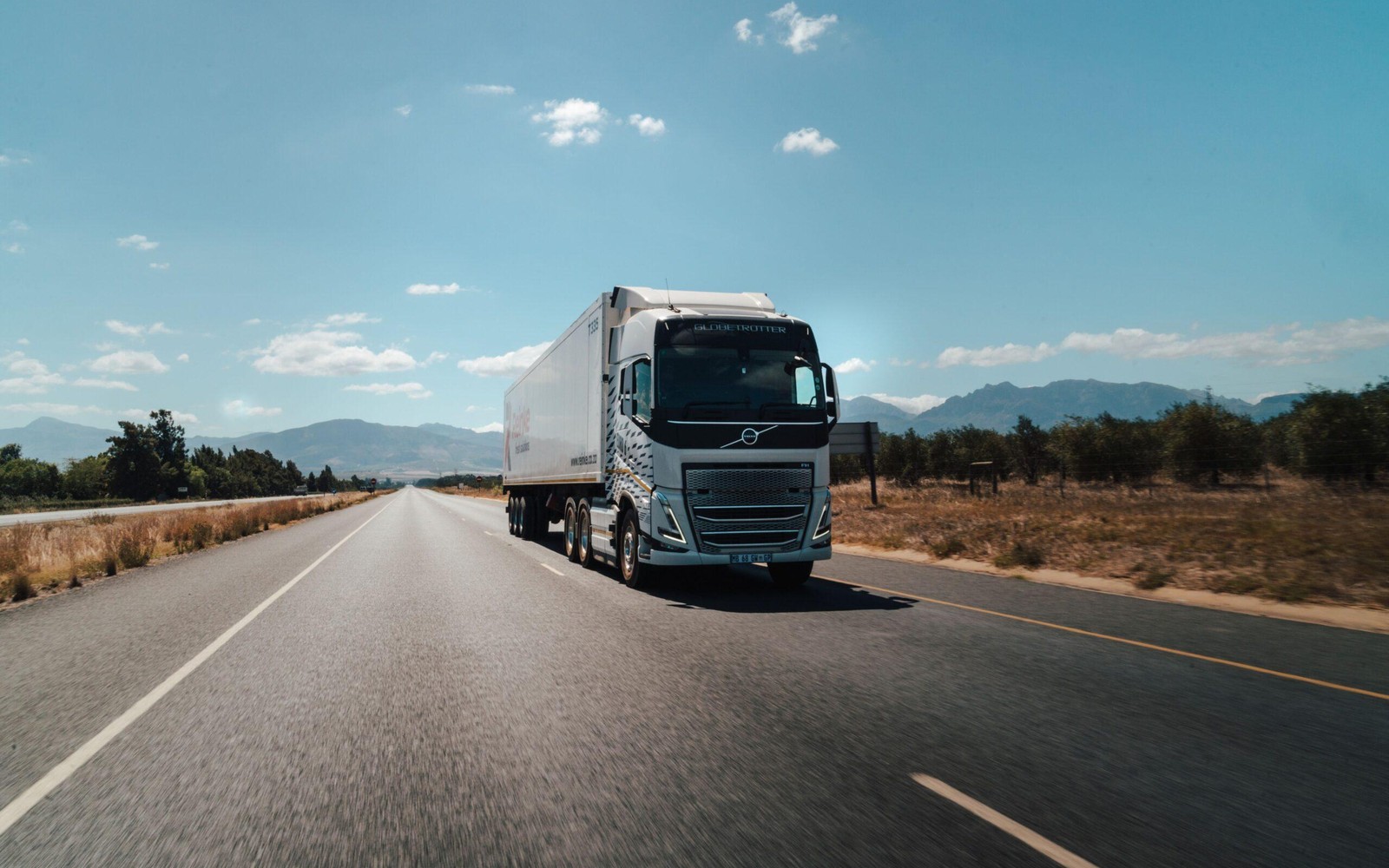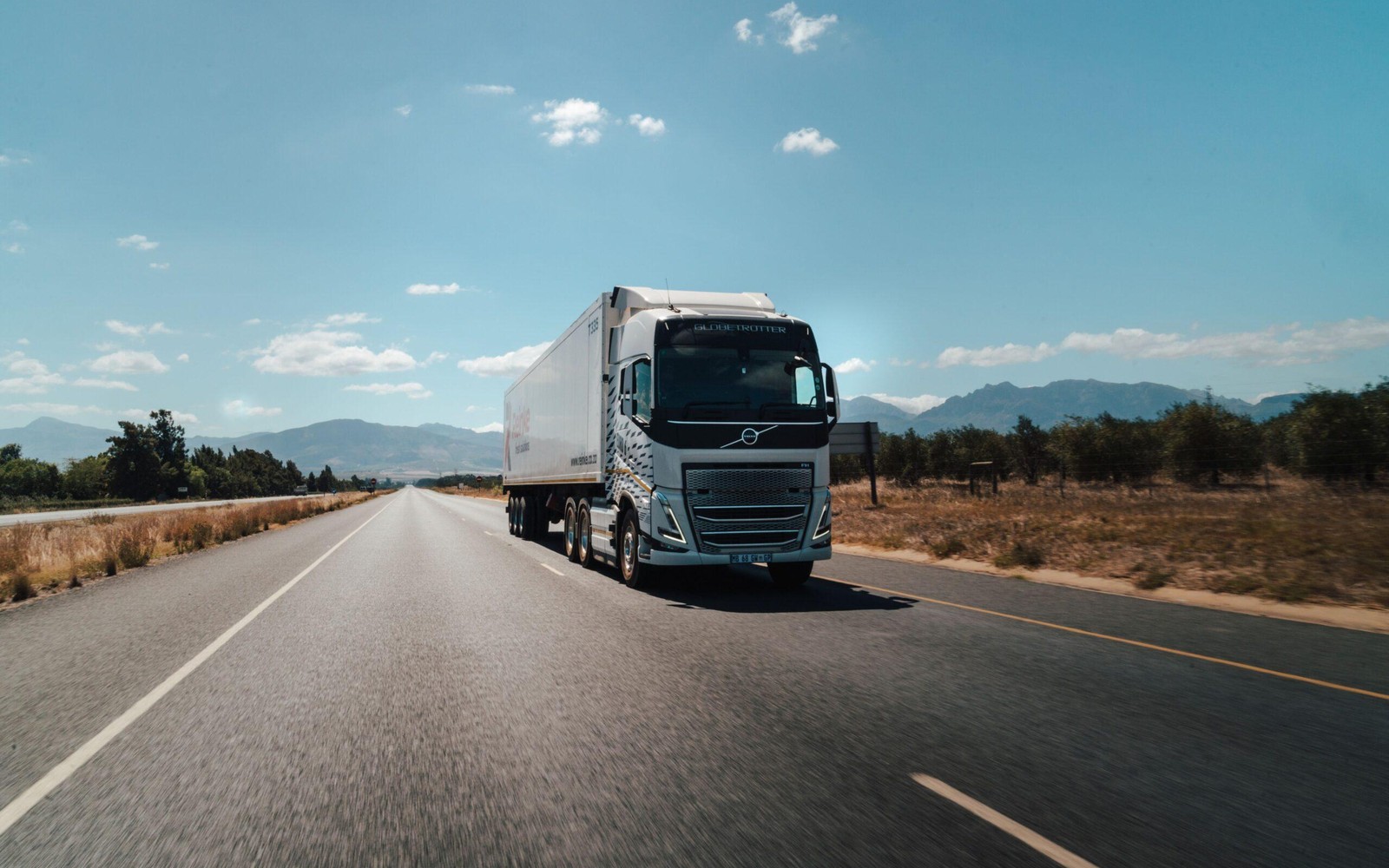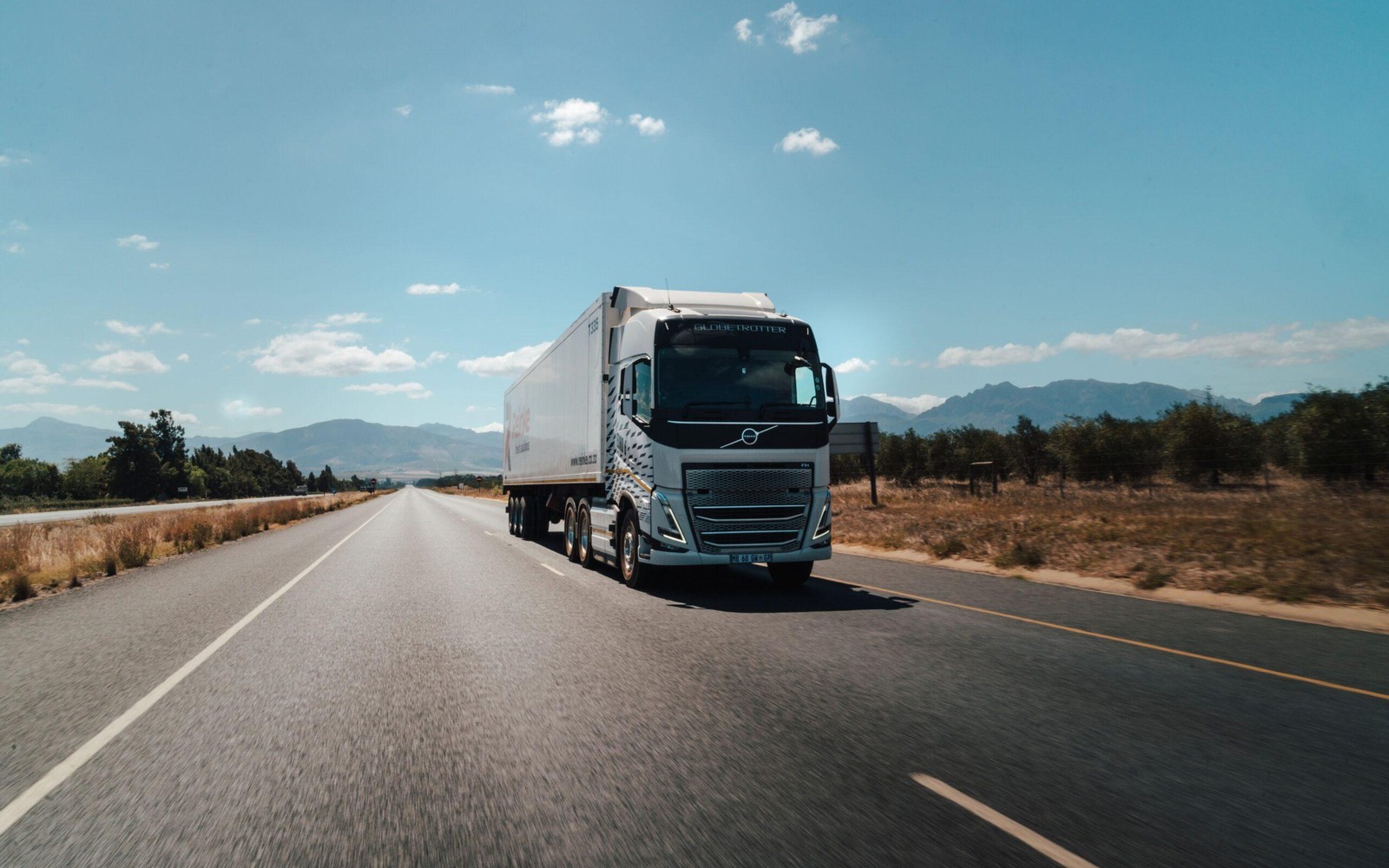
Volvo trucks carry a specific reputation for driver-focused cabin ergonomics that shows up consistently in retention surveys among long-haul fleets. When a carrier has four or five open seats and is struggling to recruit, the truck itself becomes part of the recruiting pitch, and Volvo VNL specifications, particularly the sleeper configurations with their wider berths and lower noise floors, are something drivers notice. That is a real operating cost argument, not just a comfort story, and fleet managers who understand it tend to be serious about Volvo financing.
We finance the full Volvo lineup. The VNL series covers long-haul and premium regional operations where fuel efficiency and driver environment are the primary decision factors. The VNR handles regional distribution and city logistics where the smaller cab footprint and maneuverability matter. The VHD is Volvo's vocational platform, used in construction, refuse, mixer, and heavy-haul configurations where severe-duty performance is non-negotiable.
Transactions start at $50,000. Applications up to roughly $400,000 process on a one-page app and three months of business bank statements. Larger fleet transactions require a more complete documentation package but still move faster than bank underwriting timelines. Funding completes in about one to two weeks from a clean approval.
Volvo's Position in the Fleet Market
Volvo Trucks North America operates within the Volvo Group, which also owns Mack Trucks, and the two brands share certain powertrain components while maintaining separate product identities and dealer networks. The Volvo D11, D13, and D16 engines are respected in the long-haul and vocational markets for their torque curves and documented service lives, and the I-Shift automated manual transmission has become a preferred spec for large fleets managing driver fatigue and fuel efficiency simultaneously.
Volvo's VNL 760 and 860 sleeper configurations are among the most specified trucks in dedicated contract operations where drivers live on the road for weeks at a time. Refrigerated carriers, automotive parts distributors, and large 3PL fleets running dedicated lanes have adopted Volvo VNL units at scale for exactly this reason. These fleets cycle trucks on predictable schedules, which makes them strong candidates for term financing structures that align with the fleet's planned replacement horizon.
The VHD serves construction fleet operators and refuse contractors in configurations that compete directly with Mack Granite and Kenworth T880. Regional contractors in the Northeast and Pacific Northwest, where Volvo's dealer density is relatively strong, often default to VHD for severe vocational applications. The aftertreatment and emissions systems on current VHD production meet modern standards while the chassis retains the duty-cycle capability that vocational operators need.
Financing Terms for Volvo Fleets
New Volvo VNL trucks typically finance over 60 to 72 months at rates that reflect the asset's strong residual performance. Volvo's brand reputation and the depth of the secondary market for well-maintained VNL units means lenders are comfortable with longer terms because the collateral does not depreciate into negative-equity territory on a reasonable payment structure.
Used Volvo trucks present a different picture. The D13 engine's rebuild market is well-established, which helps used-unit collateral hold value even at significant mileage. We routinely finance used Volvo VNL trucks sourced from fleets cycling out at 700,000 to 800,000 miles. The receiving operator puts a rebuilt engine or a certified used unit into service at a fraction of new-truck cost, which reduces the financing amount and often makes the monthly payment lower than financing a new unit.
Fleet managers looking at the full cost-of-ownership picture for Volvo often find that refinancing existing Volvo units at current market rates, rather than buying new, extends the fleet's useful life at lower monthly cost. When the existing units are in good mechanical shape and the financing rate is the main drag on operating margin, a refinance is often the most efficient tool available without a new capital commitment.
Operators who want to time their fleet upgrades around tax strategy should look at Section 179 truck deduction planning. New Volvo purchases financed through our programs can qualify for first-year deductions that significantly reduce net acquisition cost, particularly for profitable operations looking to reduce taxable income at year end.
What Qualifies for Volvo Fleet Financing
Qualifying for Volvo fleet financing through our programs starts with the basics: an operating business, a minimum deal of $50,000, and enough revenue history to document cash flow. For most established carriers and fleet operators, the simplified path covers the transaction without a deep financial analysis. Operators who are newer to trucking or who have significant derogatory credit history require more documentation, but they are not automatically disqualified.
The trucks themselves need to meet basic collateral standards. We evaluate year, mileage, condition, and configuration. New trucks purchased through authorized Volvo dealers clear collateral review automatically. Used trucks from dealer inventory typically clear with documentation from the dealer. Private-party used Volvo purchases may require an independent inspection to confirm condition and verify the mechanical history before we finalize the approval.
Fleets that are growing into new markets often need financing that moves faster than their business development timeline. A carrier winning a new dedicated contract may need three or four VNL units delivered within 30 days of award. That is exactly the scenario where application-only fleet financing adds the most value: a quick qualification process that gets the trucks moving while the operator focuses on onboarding the new account.