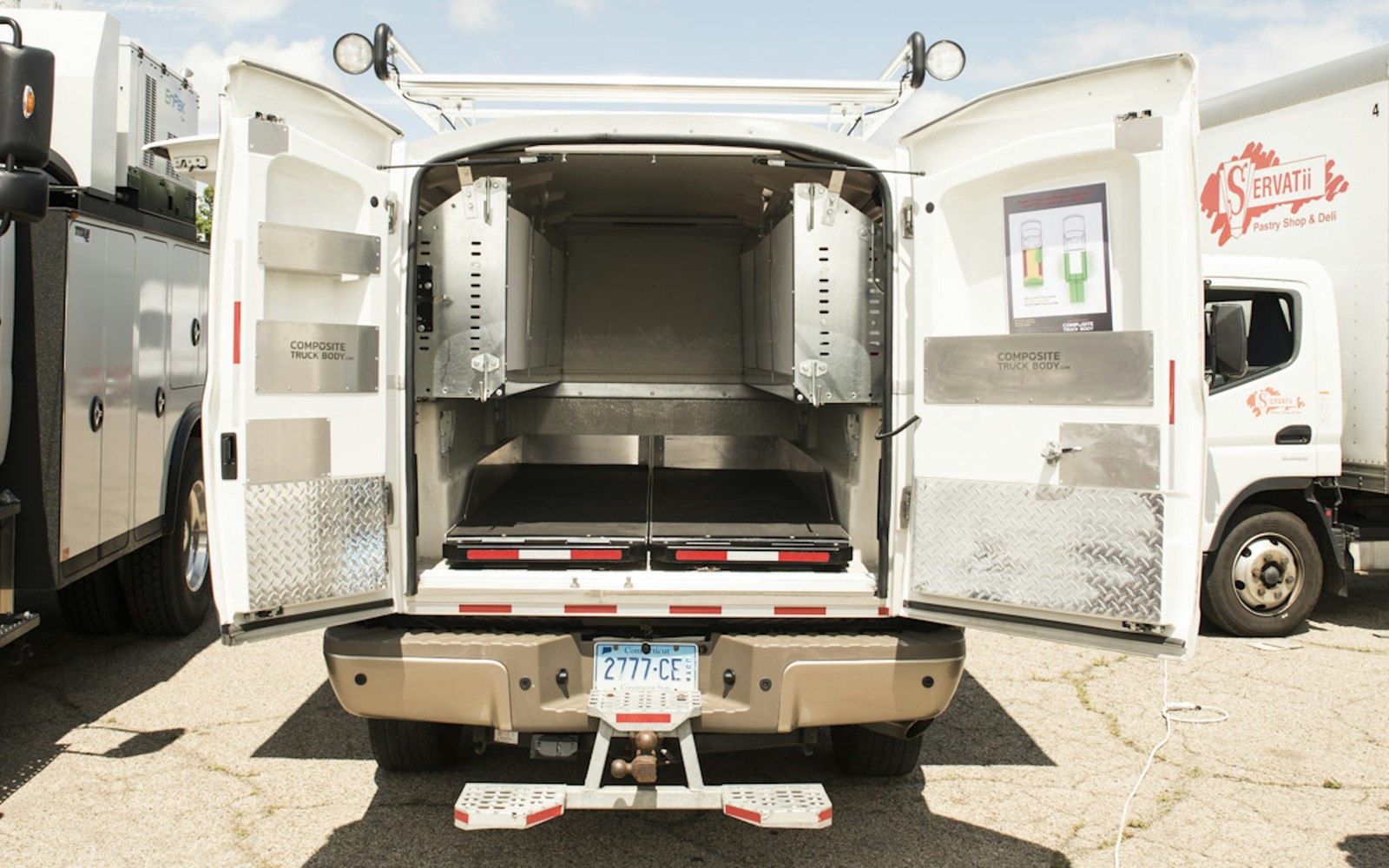
Sprinter vans have become the workhorse of choice for a surprising range of fleet applications. The combination of a high roof, a narrow profile that handles urban streets easily, a diesel engine option with respectable fuel economy, and the load-floor length on the extended wheelbase makes the Mercedes-Benz Sprinter and its platform siblings one of the most versatile fleet vehicles available below Class 4. The financing market for them reflects that versatility, and we structure deals across all the primary use cases.
New Sprinter vans (2500 and 3500 configurations) currently run from roughly $45,000 to $65,000 depending on wheelbase, roof height, and installed equipment. Upfitted units for medical transport, mobile services, or mobile showroom applications can run considerably higher once the buildout is included. For fleet buyers adding five or more units, total transaction values land well within our financing range from the minimum upward.
We finance Sprinter van fleets starting at $50,000 in combined equipment value. Fleets can qualify app-only on transactions approaching $400k. B and C credit is considered. Funded deals close in about two weeks after a complete file, which fits the pace that fleet additions usually need to match.
Who Uses Sprinter Vans Professionally
Sprinter fleets appear across an unusual range of industries, and each one has distinct fleet economics that shape how we structure the deal.
Parcel and e-commerce delivery operators run high-mileage routes where the Sprinter's fuel efficiency and cargo volume per square foot of footprint make it competitive against full-size cargo vans. Operators in e-commerce logistics often need to scale quickly when new contracts begin, which means financing speed matters as much as rate.
Medical and non-emergency transport operators use upfitted Sprinters for patient transport, mobile clinics, and wheelchair-accessible routes. These buildouts add $30,000 to $80,000 on top of the base van cost and are financed as a single package with the vehicle. The upfit is documented as part of the asset value.
Specialty trade and mobile service businesses including mobile mechanics, mobile detailing, and field service operations rely on the Sprinter's tall interior for equipment installation and operator comfort on long days. Financing these units is common in service industries that have grown beyond a shop-based model.
Shuttle and charter operators who use passenger-configured Sprinters (different from cargo configurations) are served by our shuttle bus financing program, which covers those configurations under separate underwriting.
Sprinter Van Specs and Residual Value Considerations
The Mercedes-Benz Sprinter has been sold in North America since 1995, initially as a Freightliner/Dodge rebadge and directly as Mercedes since 2018. The Ram ProMaster (based on the Fiat Ducato) occupies a similar market position at a lower price point, though with a different powertrain and residual value profile. For financing purposes, the Sprinter typically holds residual value better than the ProMaster, which affects term availability and used-unit underwriting.
Key spec elements in Sprinter van deals include:
- Standard wheelbase (144 inches) versus extended wheelbase (170 inches)
- Standard roof versus high roof (adds about 18 inches of interior height)
- 2500 (Class 2, up to 8,550 lbs GVWR) versus 3500 (Class 3, up to 11,030 lbs GVWR)
- Gas (V6) versus diesel (four-cylinder turbodiesel) powertrain selection
- Cargo, crew, or passenger configuration
Upfitted units require documentation of the upfit vendor and installed equipment. A van with a custom shelving and parts system, a mobile lab configuration, or a lift-gate installation is financed against total as-upfitted value. We need the upfit documentation as part of the asset package.
New Versus Used Sprinters: Fleet Economics
New Sprinters come with full manufacturer warranty and allow you to spec exactly the configuration your operation requires. Lead times on new units have normalized for most configurations, though certain high-demand specs (extended high-roof diesel) can still have dealer wait times. Buying new also means you start the depreciation clock fresh, which matters for fleet planning over a five-to-seven-year cycle.
Used Sprinters in the two-to-four-year range, often fleet returns or off-lease units with 40,000 to 90,000 miles, represent a significant cost savings. A well-maintained two-year-old Sprinter with 60,000 miles can be purchased for 30 to 40 percent below new cost and provide several years of reliable service if it has been properly maintained.
We finance used Sprinters with the same documentation requirements as other used fleet vehicles: basic business information, the purchase agreement, and credit authorization for application-only deals under approximately $400,000. For used units above that threshold or for older units where mileage is a factor, three months of bank statements supports the file. Our used fleet van financing program covers Sprinters regardless of where you are buying them from, including private-party purchases when you find the right unit outside dealer channels.
Structures and Terms for Sprinter Fleets
Standard Sprinter fleet deals run on terms from 48 to 72 months. Longer terms are available for newer units and stronger credit profiles, while older units and B/C credit typically land in the 48-to-60-month range. Term length affects the monthly payment directly, and we can model different structures to show you what each option costs on a per-unit basis before you commit.
Fleet operators adding five or more units benefit from a master fleet agreement structure that covers all units under a single credit decision and a coordinated funding timeline. This is faster than individual deals per van and produces better overall terms because the combined package demonstrates scale. We also offer a fleet equipment line of credit for operators who anticipate ongoing additions over the next year and want pre-approved capacity to draw on without restarting the underwriting process each time.
The Section 179 deduction is worth discussing with your tax advisor for Sprinter fleet purchases. The annual deduction limit can offset a meaningful portion of a multi-van purchase in the year the vehicles are put into service.