Delivery Service Providers and independent logistics companies running e-commerce routes live by a simple metric: packages delivered per van per day. A vehicle out of service does not just affect one driver, it affects the entire route density calculation, puts more pressure on the remaining fleet, and can trigger service level penalties with the fulfillment network the company serves. Fleet reliability in this segment translates directly into standing with the platform or retailer that books the volume.
We finance cargo vans, sprinter vans, box trucks, and straight trucks for Delivery Service Providers, independent last-mile operators, third-party logistics companies, and fulfillment network contractors running e-commerce routes. Minimum transaction of $50,000, with application-only approval available up to approximately $400,000. B and C credit is considered. Funding typically completes in one to two weeks from documentation, which matters when a new van contract requires vehicles on the road by a specific start date.
How the E-Commerce Delivery Market Works
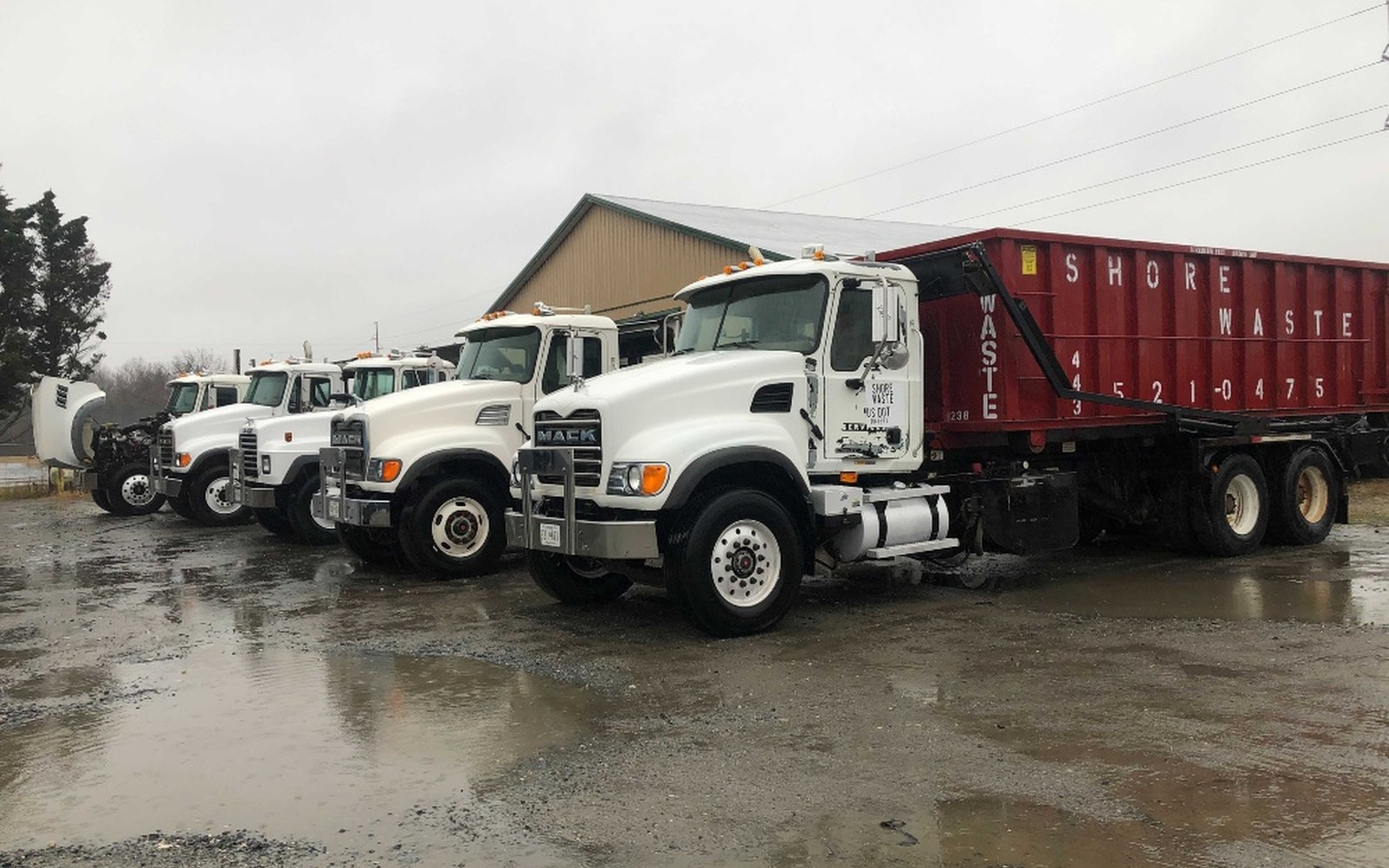
The Delivery Service Provider model, formalized by Amazon and since adopted across the industry, shifted last-mile delivery from employed driver networks to contracted small businesses. A DSP typically runs a fleet of 20 to 40 vans serving a defined geographic zone, with contracted volume from the platform and performance metrics that determine whether the contractor retains and grows its territory. The fleet is the business, and the condition, age, and size of the fleet directly determines earning capacity.
Beyond the DSP structure, independent third-party logistics companies serve Walmart, Target, Wayfair, and dozens of regional e-commerce retailers with dedicated last-mile networks. These companies often operate under multi-year contracts and run medium-duty box trucks alongside cargo vans to handle large-item delivery, furniture, and appliance routes that require a team lift or white-glove service.
Demand volume in e-commerce logistics follows a pronounced seasonal pattern. Q4 parcel volume in the United States typically runs 30 to 40 percent higher than the Q2 average, meaning operators who enter peak season with insufficient fleet capacity leave revenue on the table. Financing decisions made in September for October deployment are a normal part of fleet management in this industry.
Vehicles That Power E-Commerce Last-Mile Operations
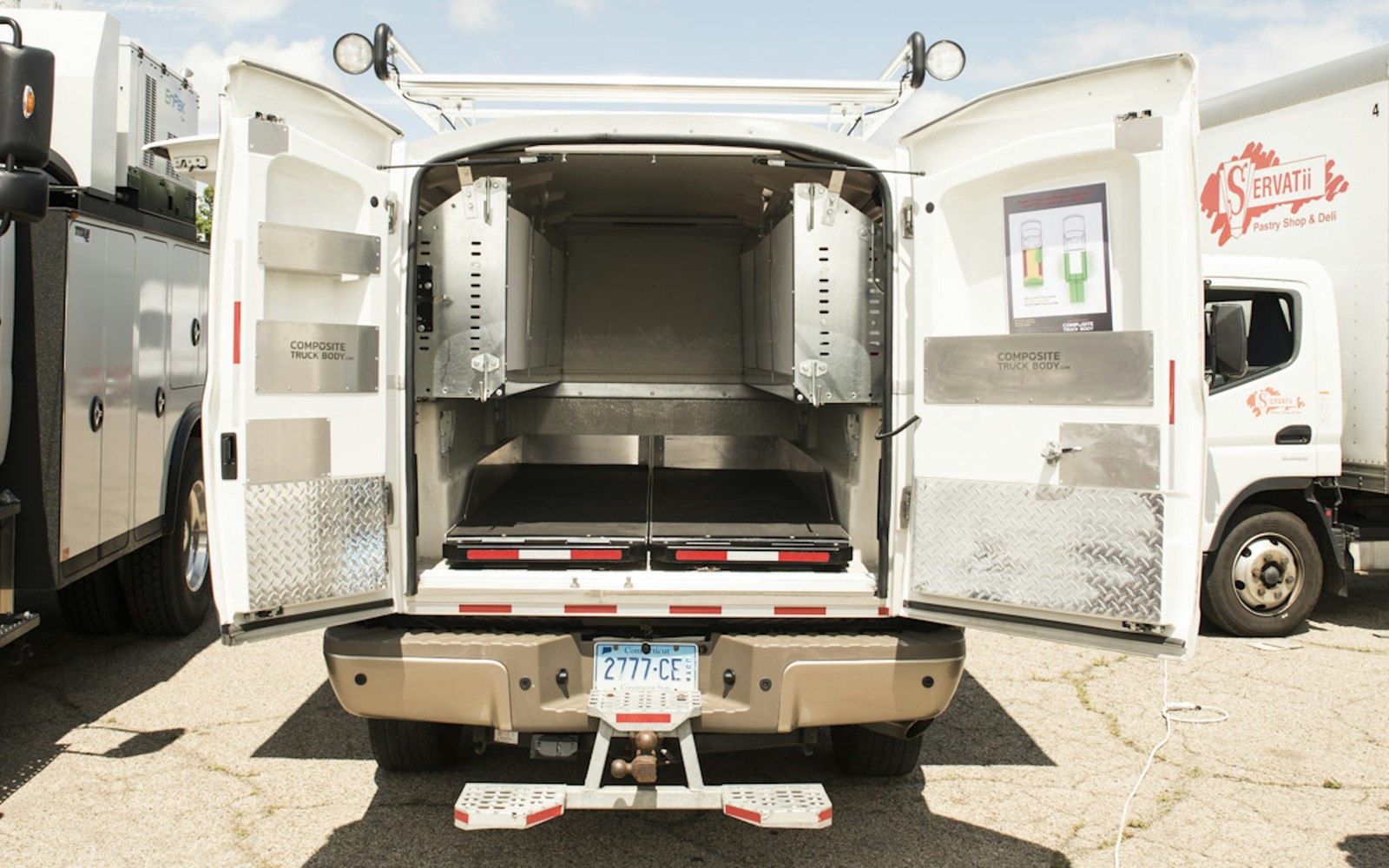
The high-roof cargo van is the dominant vehicle in parcel last-mile delivery. Ford Transit 350 high-roof, Ram ProMaster 2500, and Mercedes-Benz Sprinter 2500 are the primary platforms, with load capacity typically between 2,500 and 3,500 pounds and cargo space optimized for parcel volume rather than pallet freight. These units run $50,000 to $75,000 new depending on trim and dealer location, and a DSP replacing four vans annually needs a repeatable financing structure, not a one-off transaction every time.
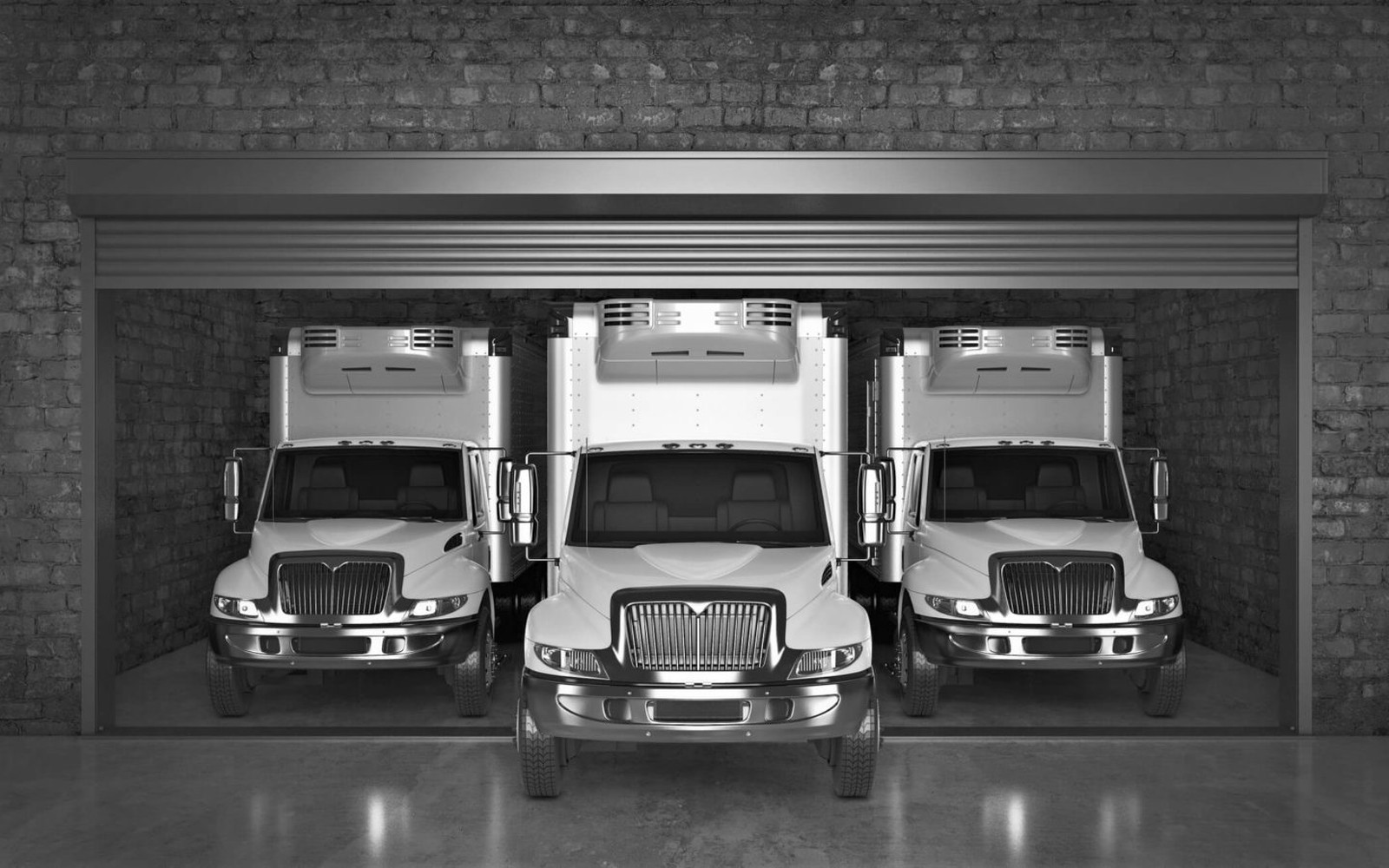
Large-item and furniture delivery operations often upgrade to Class 3 or Class 4 box trucks in the 16- to 24-foot range, where the floor plan and side-door access allow efficient two-person delivery of appliances, mattresses, and assembled furniture. These units typically price between $80,000 and $140,000. Box truck fleet financing for large-item last-mile is one of the faster-growing segments of our e-commerce deal flow as furniture retailers shift from carrier-managed delivery to their own contracted networks.
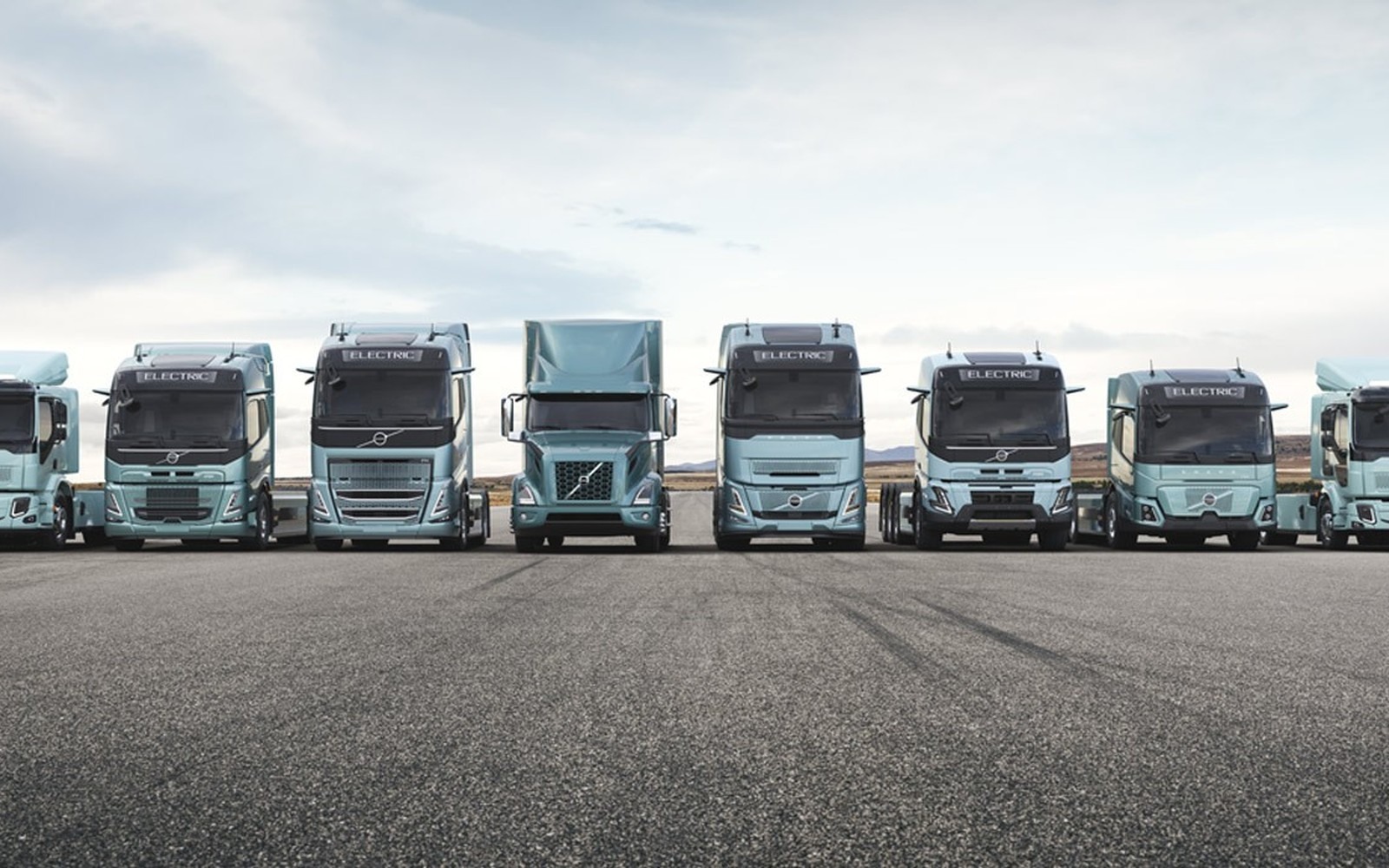
Electric cargo vans from Rivian (the Amazon Delivery Van) and the Ford E-Transit are entering fleets in volume, and lenders are increasingly comfortable financing them. EV-specific considerations, including charging infrastructure cost and battery residual value, are part of the deal conversation, but the vehicles themselves qualify for standard fleet financing programs.
Operators Who Use This Program
Delivery Service Providers adding vans to take on expanded territory from a fulfillment network. Independent logistics companies that won a regional retail delivery contract and need to build a fleet from the contract start date. E-commerce-focused carriers adding a second or third location and needing to replicate their core van fleet in a new market. Owner-operators who transitioned from employed driving to running their own DSP and need their first owned vehicles.
We also work with operators who have been leasing vans from the fulfillment platform's preferred leasing program and want to transition to owned equipment. Fleet ownership rather than platform leasing changes the cost structure meaningfully over a three- to five-year horizon, and the equity built in owned vehicles has value that platform leases do not accumulate.
For DSPs and logistics companies in active parcel markets like Los Angeles, Newark, and Dallas, fleet financing is part of the competitive infrastructure. Operators who can absorb a territory expansion quickly, because the financing is already arranged, capture volume that slower-moving competitors cannot take on. Last-mile delivery fleet financing addresses the specific needs of this segment in more detail.
Documentation and Credit for DSPs and Logistics Companies
DSPs and independent logistics operators often have a credit picture that does not match the conventional banking ideal. Many are relatively new businesses, two to four years old, with rapid revenue growth but thin net income because operating costs consume most gross revenue. Bank statements often tell a better story than tax returns for these operators, and three months of recent statements showing consistent daily deposits from the fulfillment platform is compelling documentation.
Application-only approval up to approximately $400,000 covers a four- to six-van acquisition without requiring tax returns. That threshold works well for a DSP adding a small fleet tranche. Multi-van batches above the threshold add two years of tax returns and a current balance sheet, but the fundamental credit evaluation still weighs bank statement cash flow heavily for businesses where revenue consistency is driven by platform contracts.
Operators with B or C credit who have clean recent banking history and a documented platform contract often find our programs more accessible than conventional auto or equipment lenders. A startup fleet financing program is also available for newer DSP businesses under two years old. The conversation about terms and structure is worth having even if a bank has declined.
The fleet line of credit is particularly useful for operators who add vehicles incrementally as routes are assigned. Pre-approve the total amount in advance, then draw individual vans as they are purchased throughout the year without restarting the credit process each time.