Columbus has become one of the most freight-active mid-size metros in the country, driven in large part by a wave of e-commerce fulfillment investment that has placed the city near the top of national rankings for new logistics real estate. The logic is straightforward: Columbus sits within a day's drive of roughly half the US population, and that geographic advantage has made it a preferred site for fulfillment centers that serve both eastern and midwestern demand zones. For fleet operators, that means sustained freight volume, a deep pool of DC service contracts, and a market where well-run truck operations can grow faster than the surrounding freight economy.
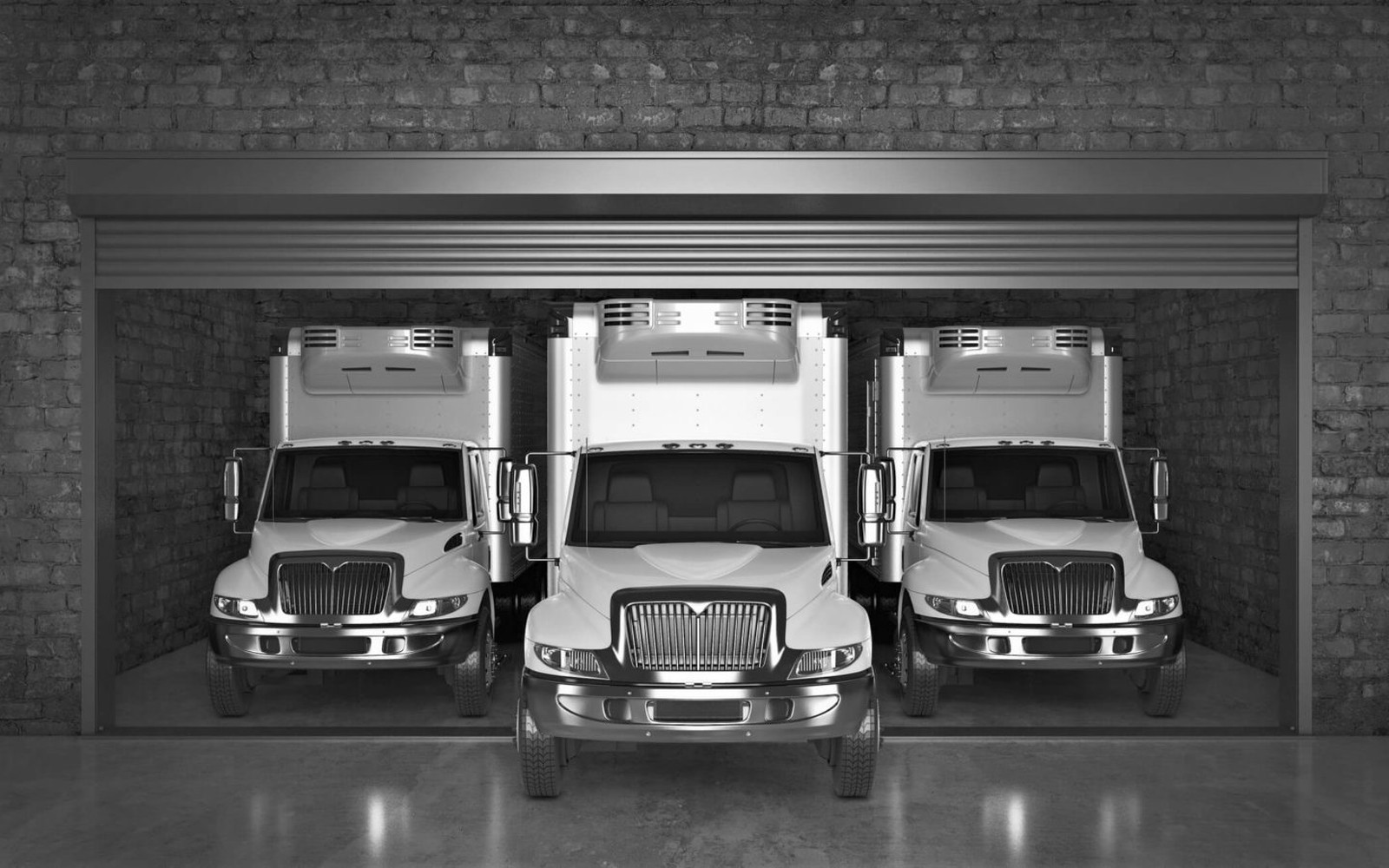
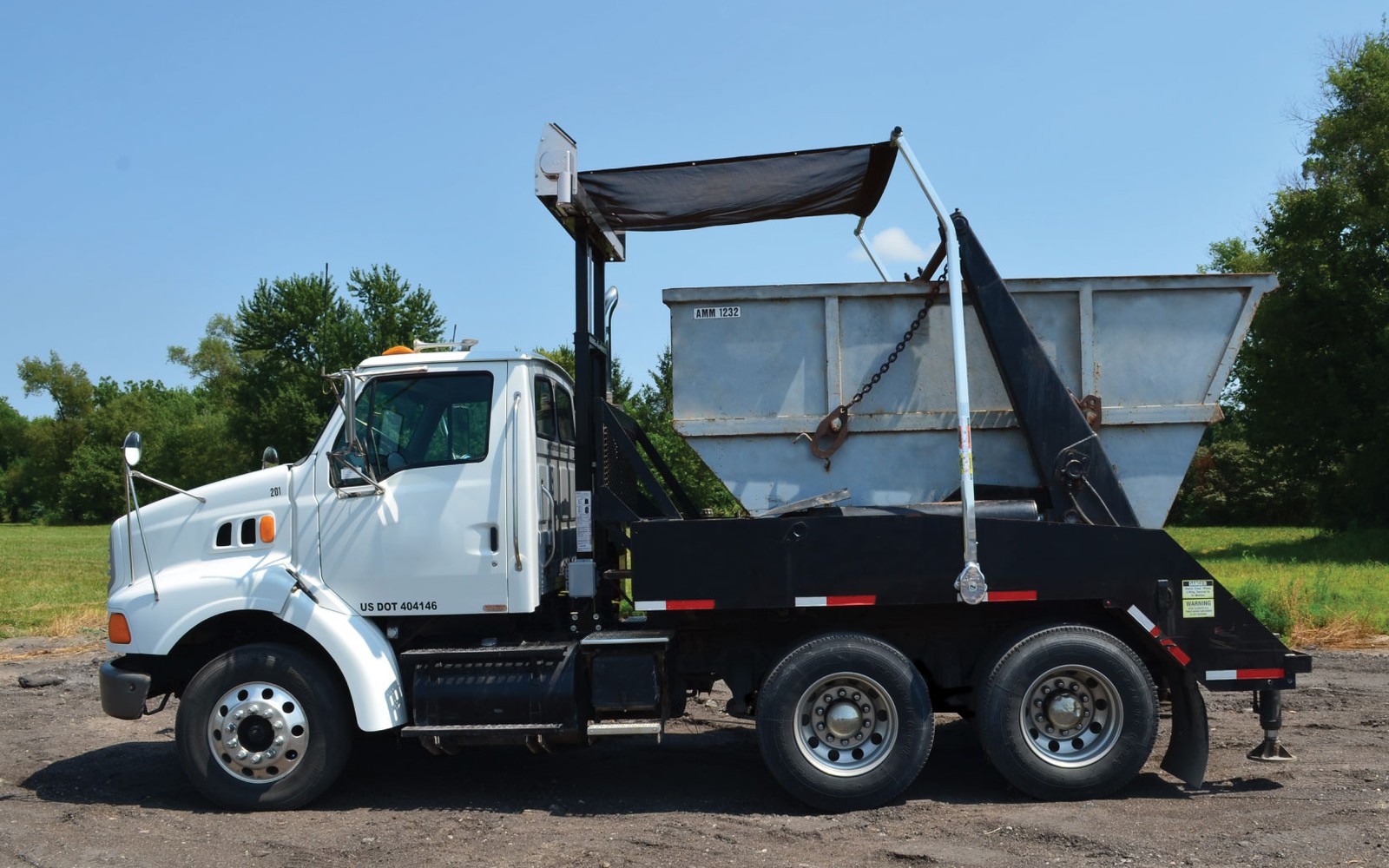
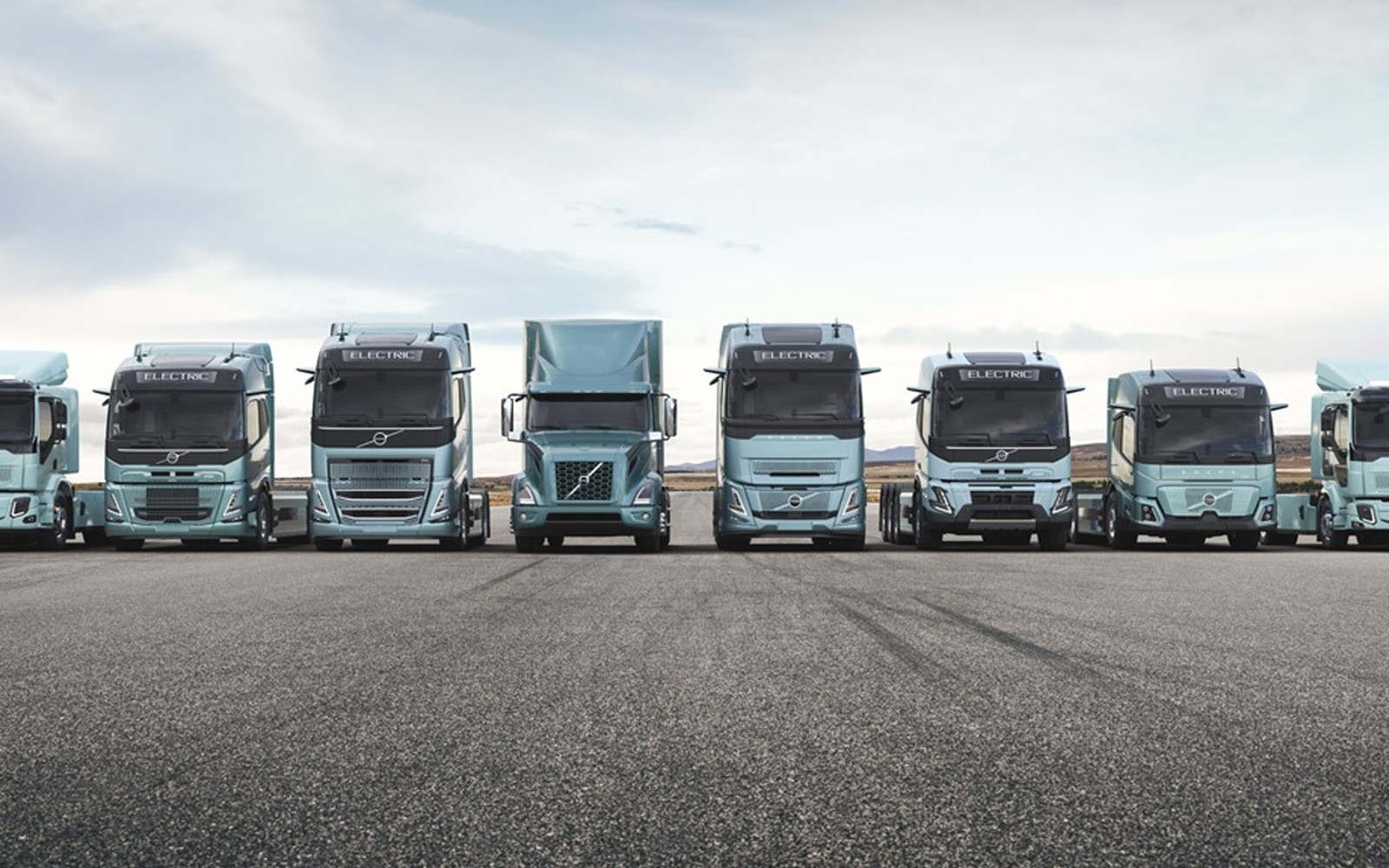
We finance commercial truck fleets for Columbus-area operators across the full range of equipment that moves freight here. Box truck fleet financing for the last-mile and regional distribution operators serving the city's dense suburban fulfillment corridor. Day cabs pulling loads from the major DC campuses in the Rickenbacker area south of downtown, one of the most active logistics hubs in Ohio. Sleepers running east toward Pittsburgh and west toward Indianapolis on long-haul lanes. Flatbed truck fleets and dump trucks for the construction sector tracking the city's residential and commercial building surge. Our minimum is $50,000, the typical transaction is $100,000 to $150,000, and application-only decisions run to roughly $400,000.
Columbus and the E-Commerce Freight Build-Up
The Rickenbacker Global Logistics Park, centered on the former Rickenbacker Air Force Base on Columbus's south side, has attracted investment from Amazon, Limited Brands, Abercrombie, and dozens of other major shippers who have built or expanded distribution operations there. The industrial real estate in that corridor, and in the newer logistics parks developing in Obetz, Grove City, and Canal Winchester, generates truck freight volume that has outpaced the city's population growth by a significant margin.
E-commerce logistics fleet financing for operators serving those fulfillment centers is a growing part of our Columbus portfolio. The operators who win those DC service contracts often need to scale their fleet capacity quickly when a new fulfillment center opens or when a contract expands. A carrier who bids for a DC service contract and wins it needs to have the trucks available when the contract starts, not three months later when a bank's credit process concludes.
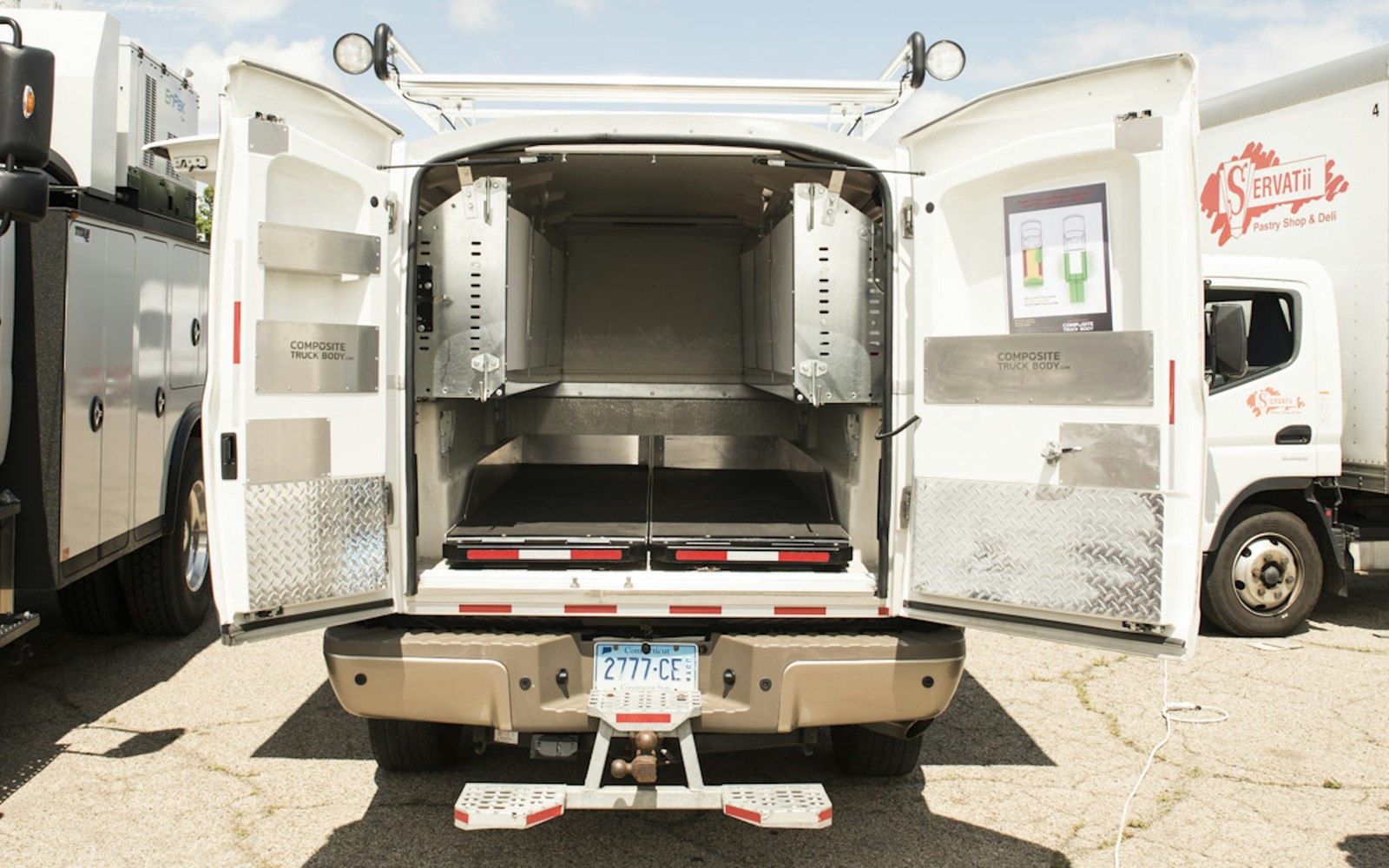
Beyond fulfillment logistics, Columbus has a significant healthcare and life sciences sector, a state government operations base, and a large university community. Those sectors generate institutional fleet demand for cargo van fleets and medium-duty vehicles that serve facilities management, patient transport logistics, and specialized delivery functions. We finance those assets with the same process we use for Class 8 equipment.
How the Financing Process Works
The mechanics of getting a truck financed with us are designed around the operator's schedule, not a bank's committee calendar. For most transactions under roughly $400,000, the application is the primary document: the business entity information, the owner's personal information, and the equipment details. Decisions on application-only deals come back within a few business days. Funding follows in approximately one to two weeks from a complete file.
For Columbus operators who want to purchase in blocks, adding three to five units at once to cover a new contract, we handle multi-unit packages as a single transaction. The review is the same; we are simply looking at more units. In some cases a block deal qualifies for slightly improved terms compared to individual notes on each unit, because the aggregate collateral is stronger.
For operators who want to pull equity from existing equipment rather than finance a new purchase, cash-out truck refinancing on paid-off or partially paid-off units provides working capital without a new truck purchase. A Columbus e-commerce service carrier who has built a fleet of eight to ten box trucks over several years may have $300,000 to $500,000 in equity sitting in that fleet. Accessing even a portion of that equity as working capital changes the operator's ability to invest in the business without taking on unrelated debt.
The structure at the end of a financing term is also a decision we help operators make in advance. A dollar buyout lease guarantees ownership at term end for a nominal payment, which matters for operators who intend to run equipment past the term. A TRAC lease builds in flexibility at term end but results in a lower monthly payment during the term.