Three states converge at Cincinnati, and for fleet operators that geography is worth more than the real estate math alone suggests. Running trucks out of the Cincinnati metro means Ohio, Kentucky, and Indiana are all within a short dispatch radius, which translates to freight lane flexibility that single-state markets cannot match. The I-71/I-75 interchange north of downtown is one of the most heavily traveled truck corridors in the eastern Midwest, connecting Cincinnati to Columbus, Cleveland, Lexington, Louisville, and Detroit within a manageable driver window. Operators who base their fleets here have a structural advantage in lane coverage, and the financing that supports those fleets should reflect that business reality.
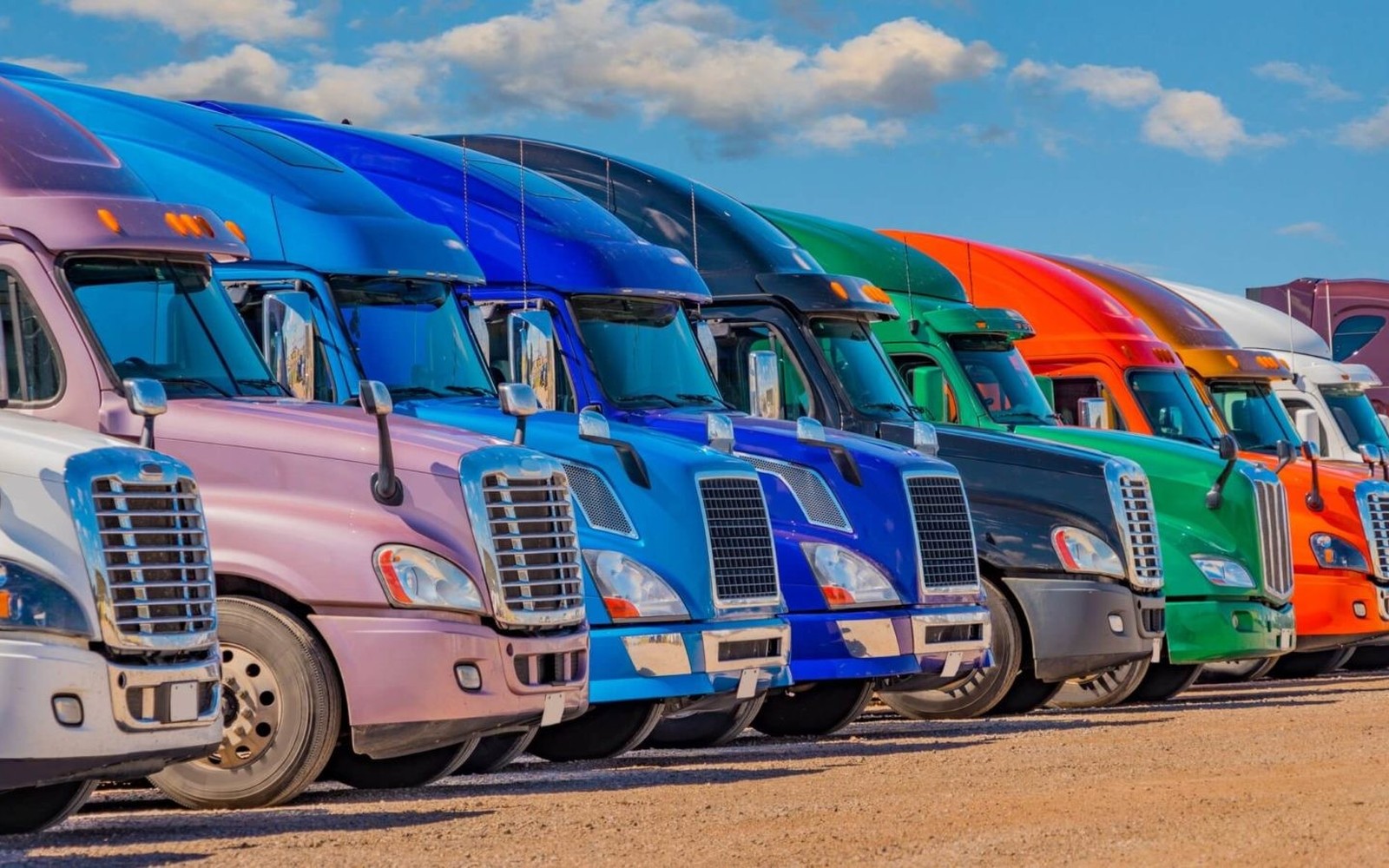
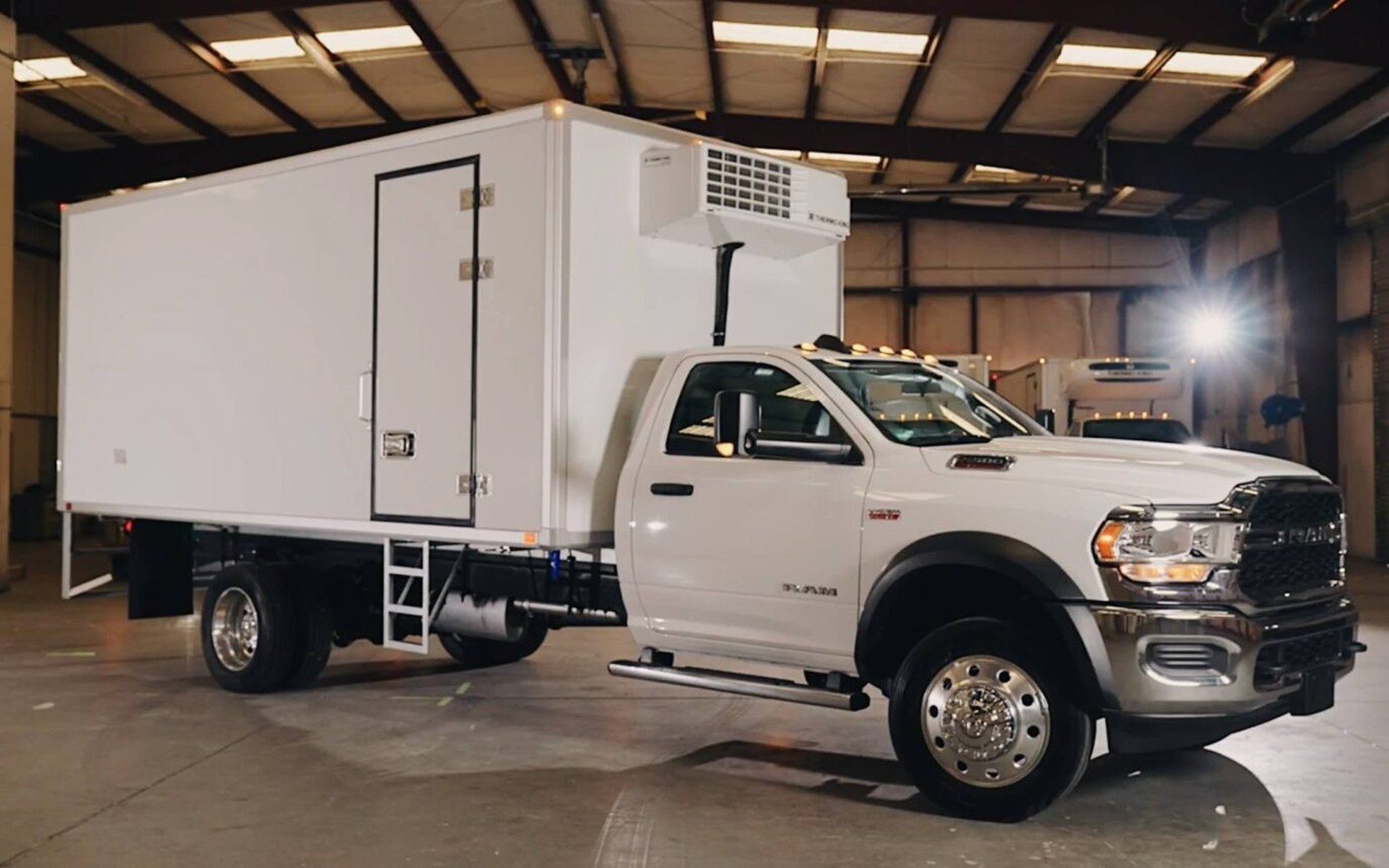
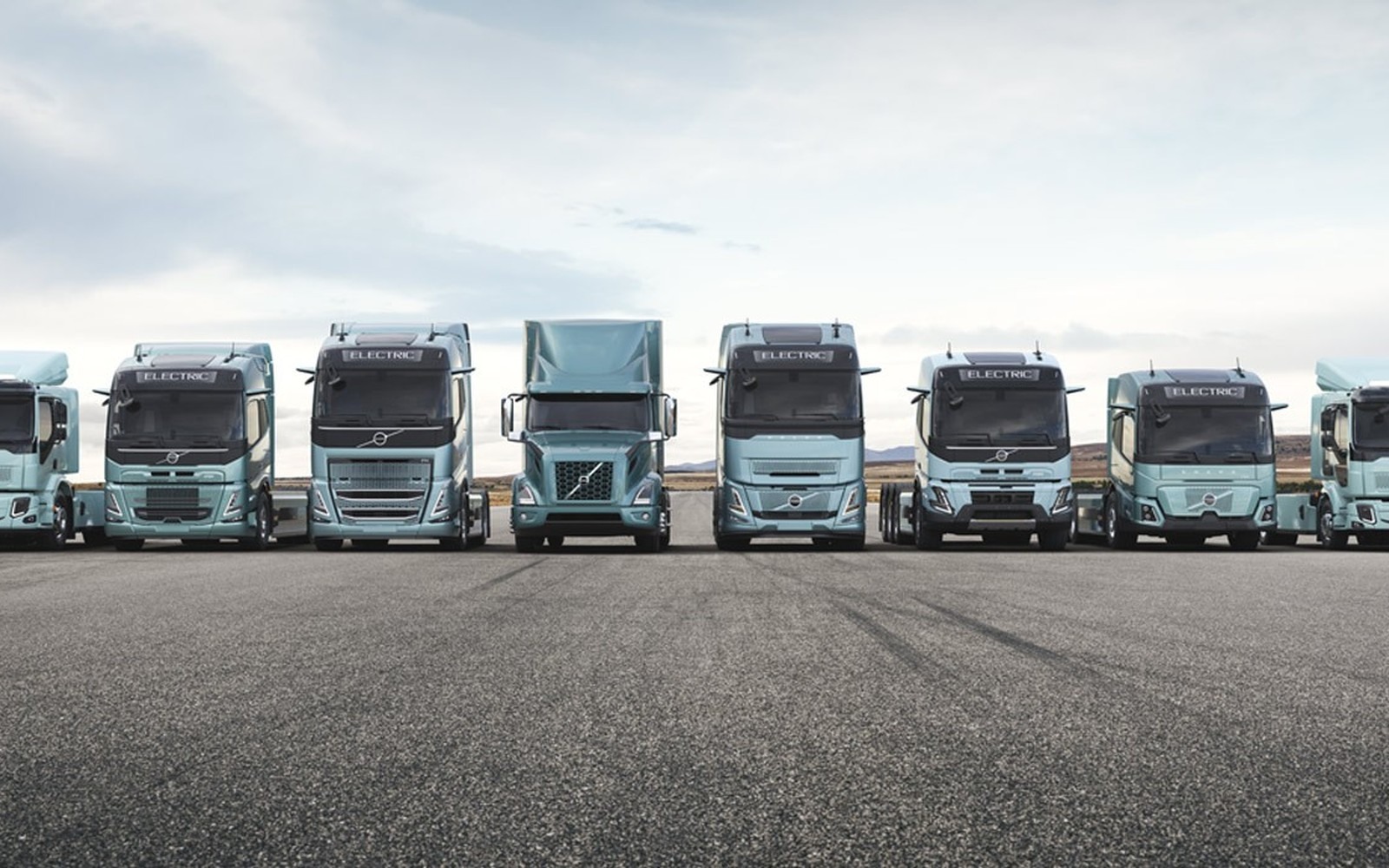
We finance commercial truck fleets for Cincinnati-area operators across the equipment profile that actually runs freight in this tri-state market. Sleeper tractor fleet financing for carriers running the I-71 corridor north toward Cleveland and south toward Lexington and Nashville. Day cabs serving the Cincinnati metro's dense manufacturing and distribution base, including the automotive supply chain operations that run through the Kentucky side of the metro. Refrigerated truck fleet financing for cold-chain operators serving the city's food and grocery distribution network. Our minimum is $50,000, and most deals we structure in this market fall between $100,000 and $150,000, with application-only approvals available up to roughly $400,000 and closing after title and lien paperwork.
Cincinnati's Fleet Economy Across Three States
The Cincinnati metro's manufacturing base is more diverse than most people outside the region appreciate. Procter and Gamble's global headquarters and manufacturing operations, the large automotive assembly and supply presence in the Kentucky counties across the river (including the Toyota plant in Georgetown, KY and the automotive supplier corridor running through Boone and Kenton counties), and a well-established aerospace manufacturing cluster make the region one of the more varied industrial economies in the Midwest. Each of those sectors generates commercial freight movement, and the trucks serving that movement are a regular part of our financing portfolio.
The Northern Kentucky side of the metro adds another dimension. The Cincinnati/Northern Kentucky International Airport in Florence hosts Amazon Air's primary US hub, a facility that generates substantial truck freight volume as packages move from air to ground for last-mile delivery. Last-mile delivery fleet financing for operators serving the Amazon Air ground network and the broader e-commerce fulfillment operations in the Northern Kentucky industrial corridors is a growing segment of our tri-state business.
Cincinnati's position on I-75 connects it directly to Detroit and the Michigan automotive complex to the north. Automotive parts and components running on those lanes often move in flatbed truck fleets or specialized rack trailers that are distinct from general freight equipment. Operators serving those manufacturing supply lanes run equipment hard and need financing that does not impose a standard office-lending timeline on a time-sensitive industrial operation.
Fleet Profiles and Credit Situations We Work With
Cincinnati-area fleet operators come to us in a range of situations. The straightforward case is a profitable carrier with a clean credit history that needs a new truck or a replacement unit. The more interesting cases, and the ones where we add the most value over a conventional bank, are the operators who fall outside the standard lending profile.
The tri-state automotive supply chain generates some of those non-standard cases. A parts hauler who runs dedicated routes for a tier-two supplier may have strong, predictable revenue but a credit history that reflects the stress of automotive production shutdowns during a difficult industry period. B and C credit fleet financing evaluates the business's current state and the freight contracts behind it, not just the score that reflects what happened during a past disruption.
Operators who are growing quickly but have not yet established deep credit depth also have a path. Truck fleet financing for a two- or three-year-old carrier that has documented revenue, a working bank account, and solid equipment to serve as collateral is a fundable proposition even when the business history is shorter than a bank wants to see. We look at the quality of the operation, not just how long it has been operating.
Finally, operators who want to preserve cash flow by pulling equity from existing equipment rather than financing a new purchase have a clear option through sale-leaseback or cash-out refinancing. A Cincinnati carrier with three trucks worth $250,000 in aggregate and only $80,000 in remaining debt has substantial equity that can serve as working capital for operations, insurance float, or the down payment on a facility.