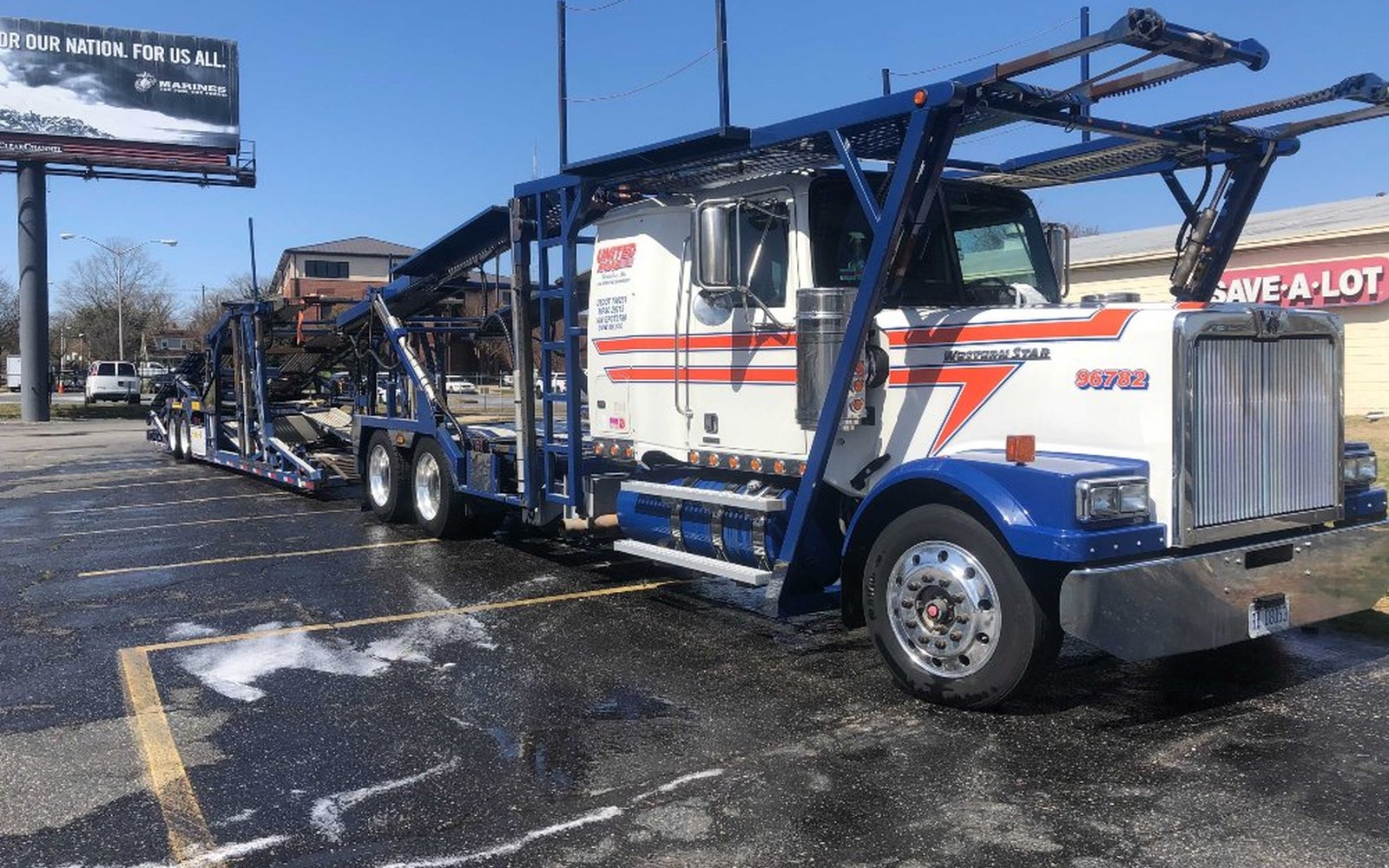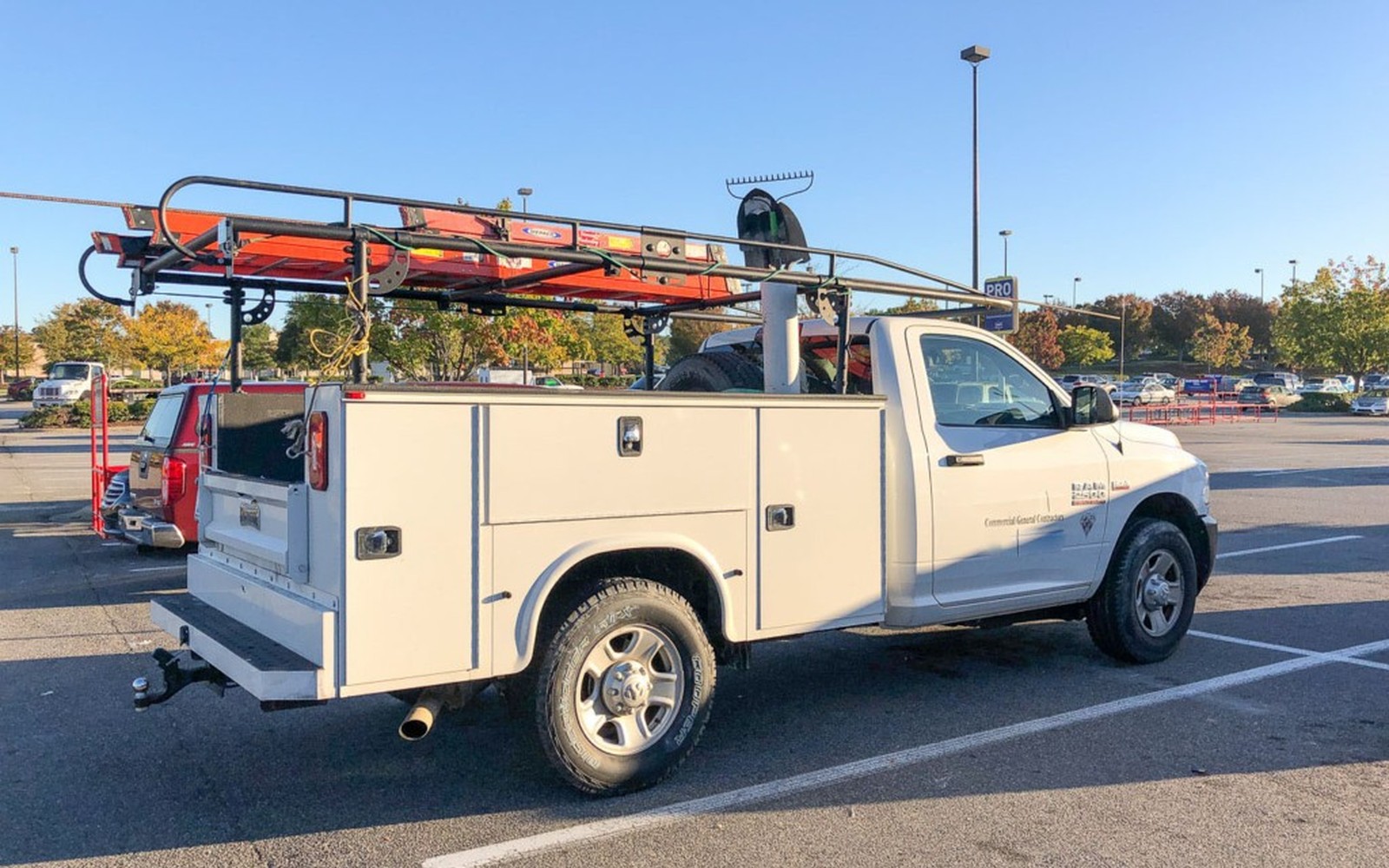
The loan you took out two years ago made sense at the time. Market conditions change, your credit profile strengthens, or the original terms were rushed to close a deal fast. Whatever got you to a payment that feels heavier than it should, a fleet refinance is often the most straightforward fix on the table.
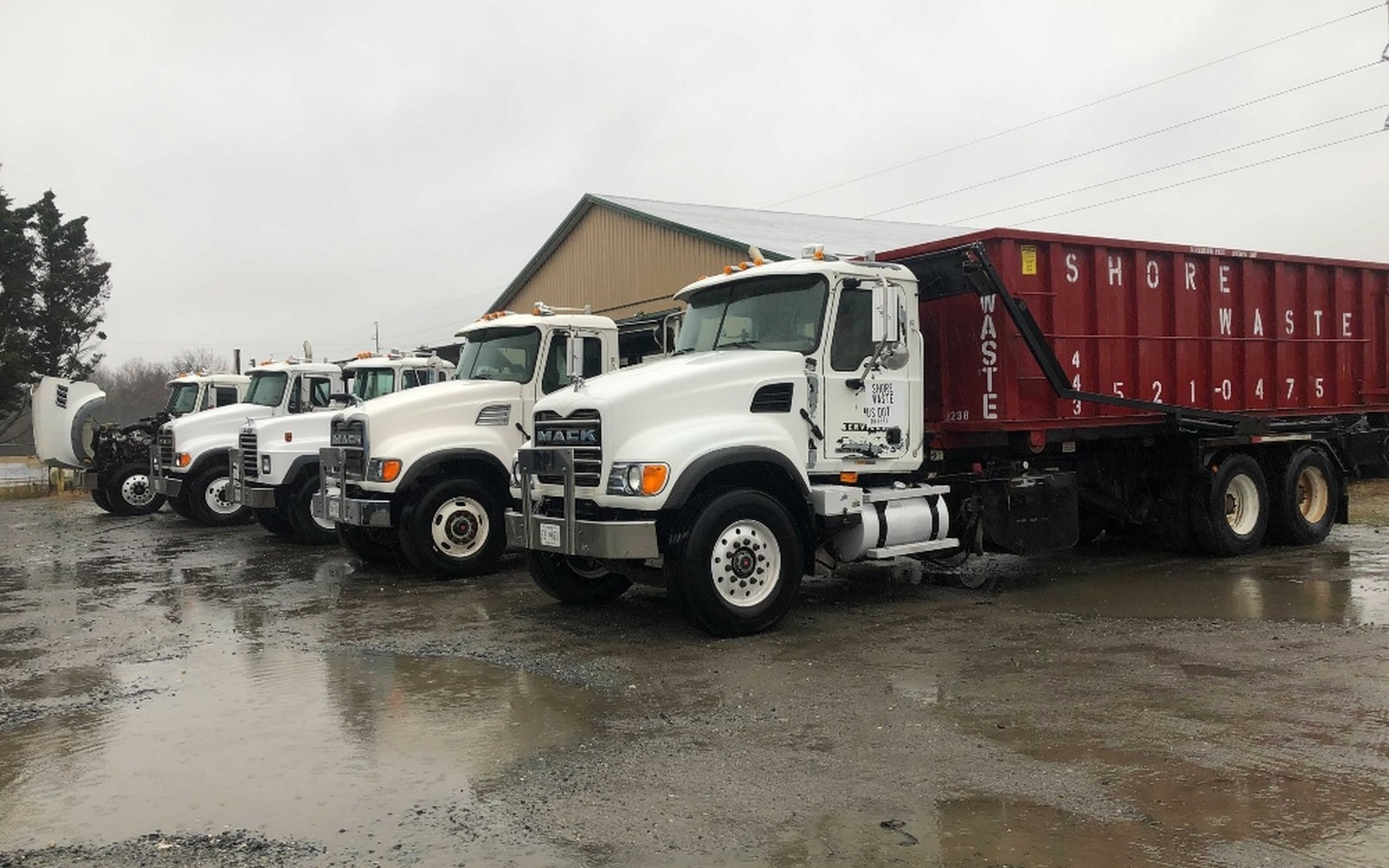
Refinancing existing commercial truck debt can reduce monthly payments, extend the repayment timeline to improve cash flow, or consolidate multiple notes into a single obligation with one due date. For fleet operators carrying notes on sleeper tractors, vocational trucks, or mixed equipment, the savings on even a modest rate reduction across a multi-unit portfolio add up to real money each month.
We work on fleet refinances from $50,000 and up. The process is largely the same as new financing: we look at the current payoff balances, the equipment being refinanced, and your business cash flow. B and C credit profiles qualify. Funding typically completes in one to two weeks once paperwork is in order.
What Fleet Refinancing Actually Does
A refinance replaces your existing loan or loans with new debt, ideally on better terms. There are a few different goals operators come in with, and the right refinance structure depends on which one matters most to you right now.
Payment reduction: If rates have moved since your original financing or your credit has improved, a refinance may lower your rate and therefore your monthly obligation. Even a one to two point improvement across five or ten units is a meaningful number by year end.
Term extension: Stretching the repayment period from, say, 48 months to 60 or 72 months lowers the monthly payment even if the rate stays flat. This is a liquidity play, not a rate play. Some operators use it to free up cash for maintenance reserves or fleet additions.
Consolidation: Multiple notes with different lenders, different due dates, and different terms are an administrative headache and can obscure your true debt-service picture. Rolling several obligations into one note simplifies accounting and makes it easier to see what you actually owe on the fleet at any given moment.
Refinancing does not reset depreciation or change the equipment's age, so lenders will look at the current equipment value against the outstanding balance. Trucks that are significantly underwater (you owe more than they are worth) are harder to refinance without a cash-in contribution. Trucks with real equity are the easiest path.
Who Refinancing Makes Sense For
Fleet refinancing fits a specific set of situations. It is the right move when:
- You financed trucks during a period of elevated rates and have since improved your credit profile or business cash flow
- Your original dealer financing carried a higher rate than the open market, which is common when the priority was closing a purchase quickly
- You are carrying notes with multiple lenders and the fragmentation is creating administrative strain or masking your true leverage position
- Your current payments are restricting your ability to add trucks, hire drivers, or handle seasonal cash flow swings
- You have an equipment note coming due and want to restructure before renewal rather than accept default terms
Refinancing is generally not the best move if the existing note has a heavy prepayment penalty that eats the interest savings, or if the trucks are in the final 12 months of a loan and the payoff is already close. We run that math with you before recommending a path forward.
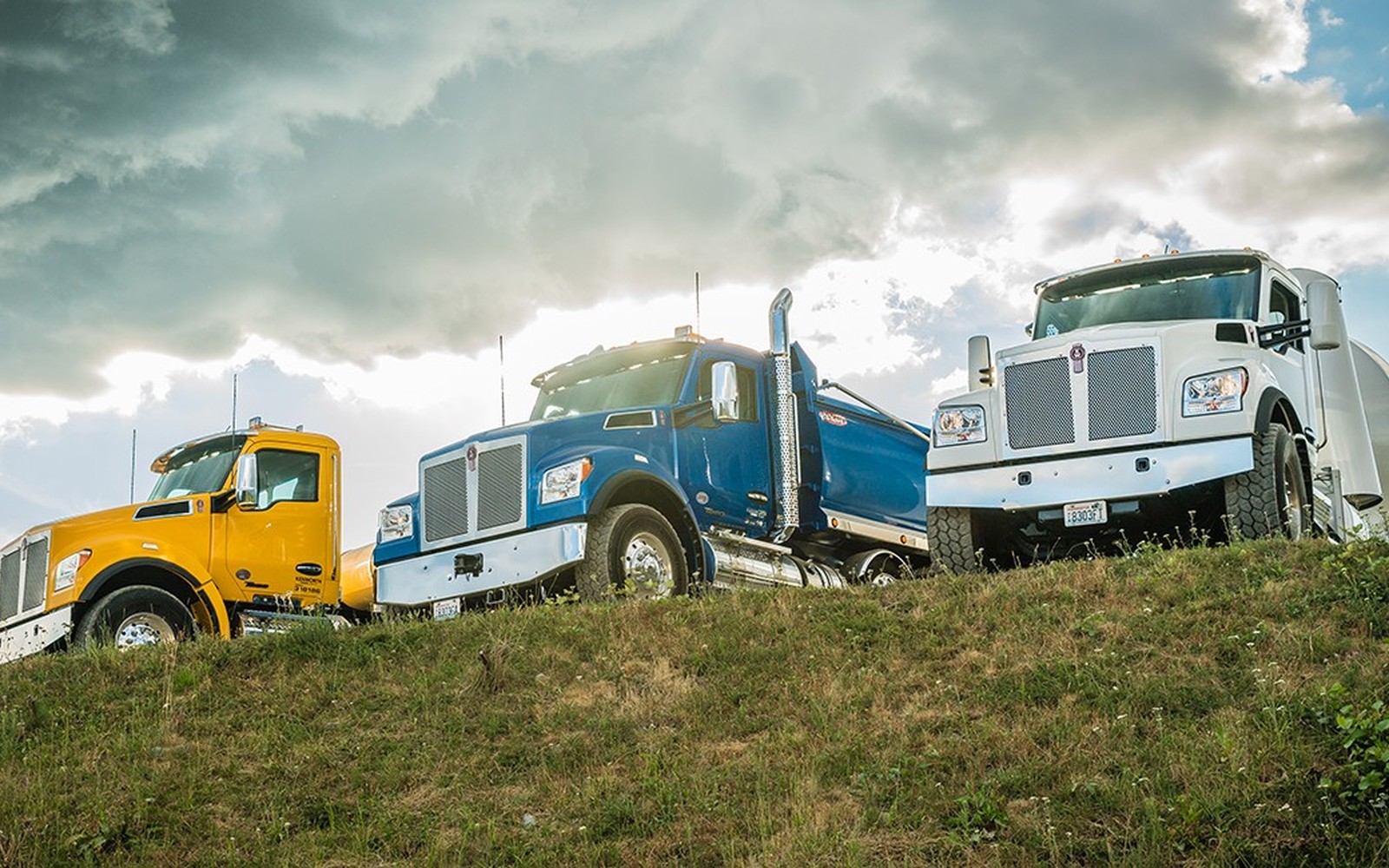
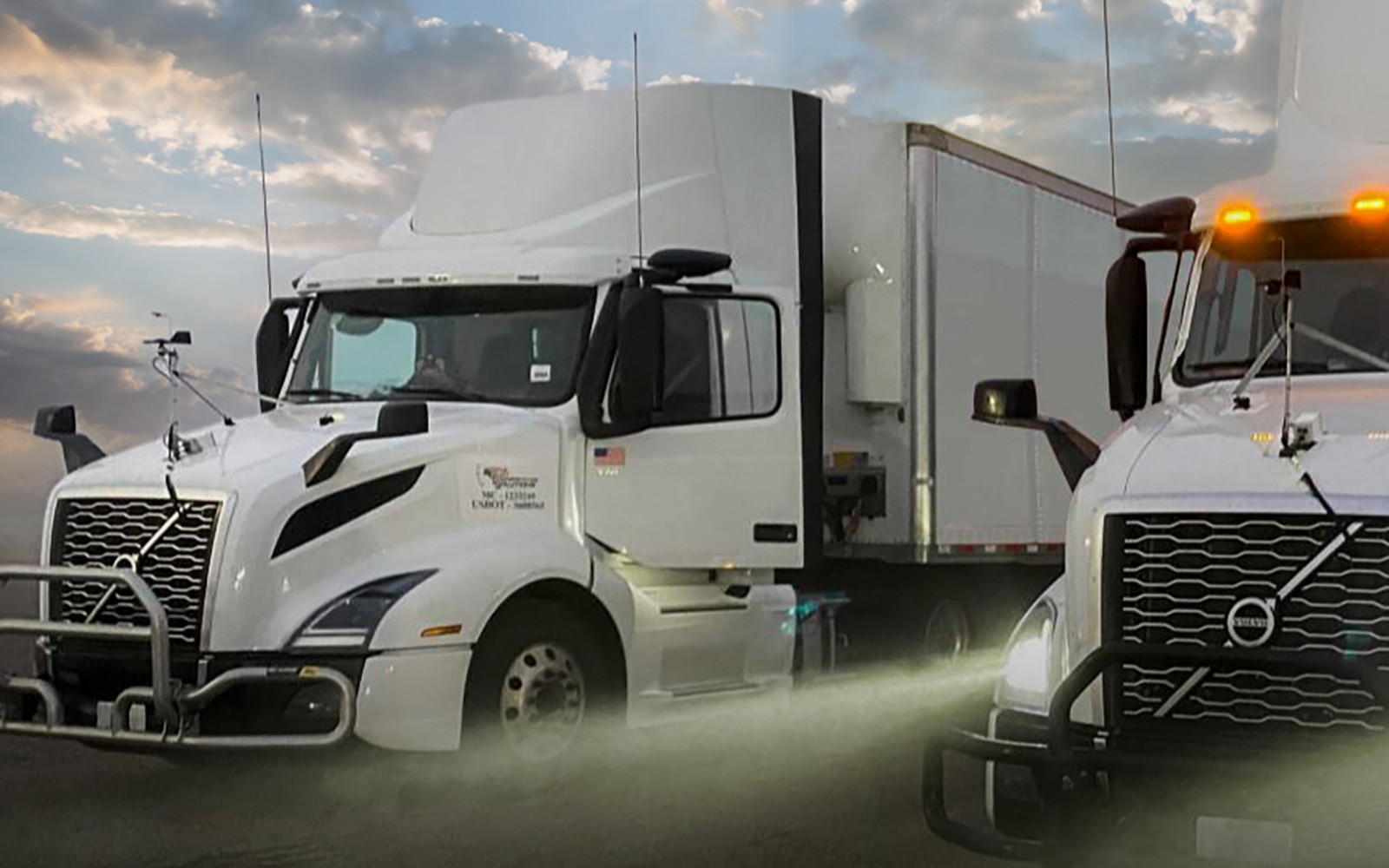
Operators running dump truck fleets in construction markets and carriers running day cab tractor regional routes are two of the most common profiles we see in fleet refinance transactions, simply because those equipment categories see heavy financing volume and therefore frequent opportunities to improve original terms.
Documentation for a Fleet Refinance
The paperwork for a refinance closely mirrors a new purchase. You will need:
- Current payoff statements from each existing lender, showing the balance and per diem interest
- Equipment details: year, make, model, VIN, and current mileage for each unit
- Three months of business bank statements
- Business entity documents and photo ID for all principals
- For larger transactions or weaker credit profiles, a current profit and loss statement or recent business tax returns
The lender will order an equipment value check to confirm the collateral supports the new loan amount. For trucks with strong market value and a clean maintenance history, this is a formality. For older or high-mileage units, the appraised value relative to the payoff balance is the key number to watch.
B and C credit borrowers should expect adjusted rates and possibly shorter terms, but refinancing options exist across a wide credit range. If you have been turned away elsewhere, it is worth a conversation. We will tell you quickly what is available and what is not, rather than stringing along an application.
Related Financing Options
If you want to pull cash out of existing equity while refinancing, rather than just reducing the payment, a cash-out truck refinance structures the transaction to return capital to you at closing. That is a separate product from a standard rate-and-term refinance and has its own underwriting standards.
Operators with fully paid-off iron can achieve a similar result through a fleet sale-leaseback, which sells the trucks to a financing company and leases them back, converting asset equity into working capital without giving up the trucks themselves. For companies looking to add trucks rather than restructure existing debt, see our overview of fleet financing for new acquisitions.
If your operation serves the freight hauling or construction sectors, those pages outline how fleet debt structure typically looks in those markets and what underwriters expect to see in those applications.
Find Out What Your Fleet Refinance Could Look Like
Send us the current payoff balances, the equipment list, and three months of bank statements. We will come back with concrete options on rate, term, and monthly payment, not an estimate range. Minimum $50,000 transaction. Most refinances we close fund in one to two weeks.