Atlanta sits at the intersection of I-75, I-85, and I-20, which means fleets operating out of the metro run freight in every direction around the clock. The Hartsfield-Jackson cargo complex, the Norfolk Southern and CSX intermodal terminals near the downtown connector, and the dense concentration of distribution centers in the Fairburn and McDonough corridors put sustained pressure on fleet uptime. A truck down in that environment is not an inconvenience; it is a missed load, a strained customer relationship, and a cost that compounds fast.
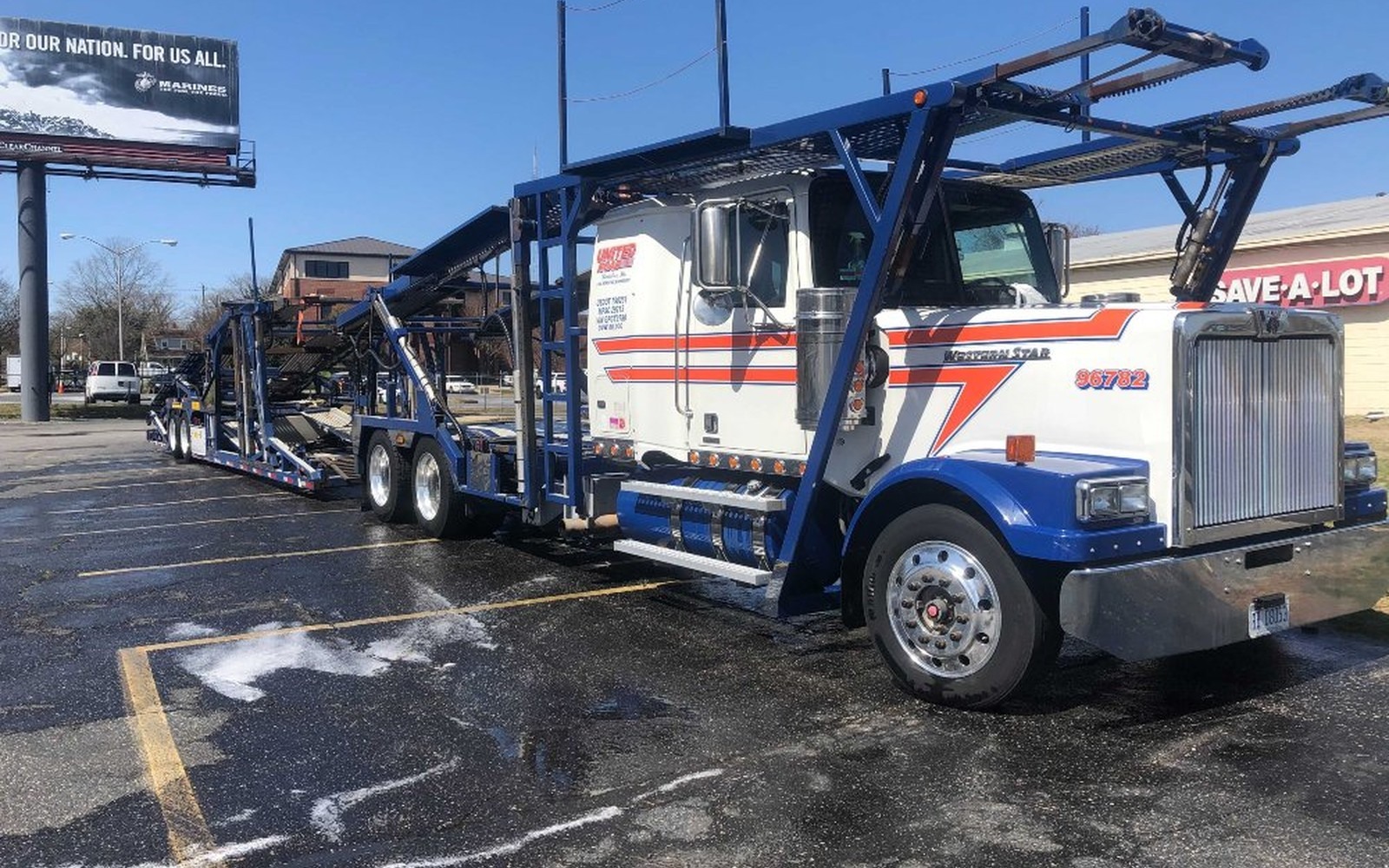
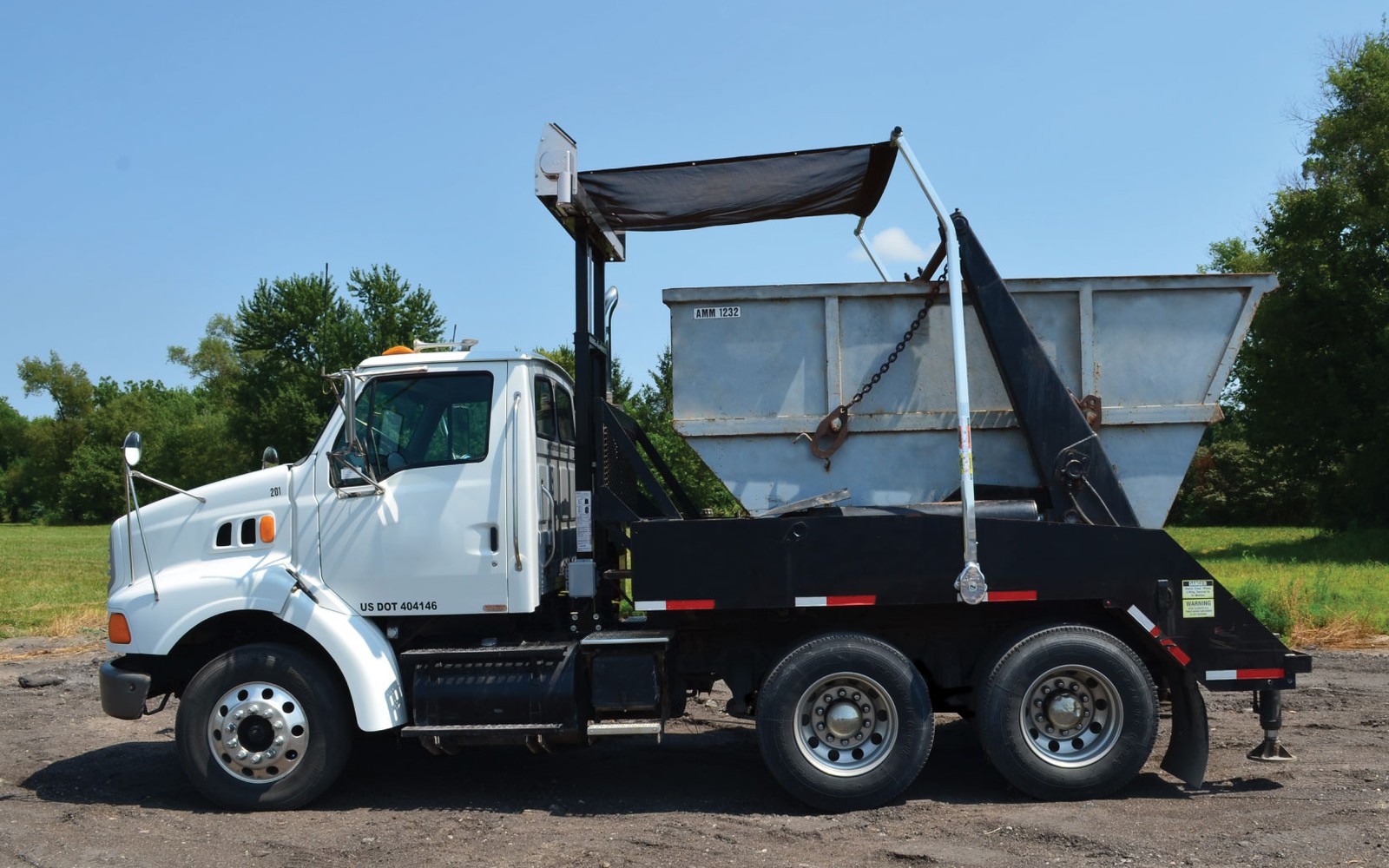
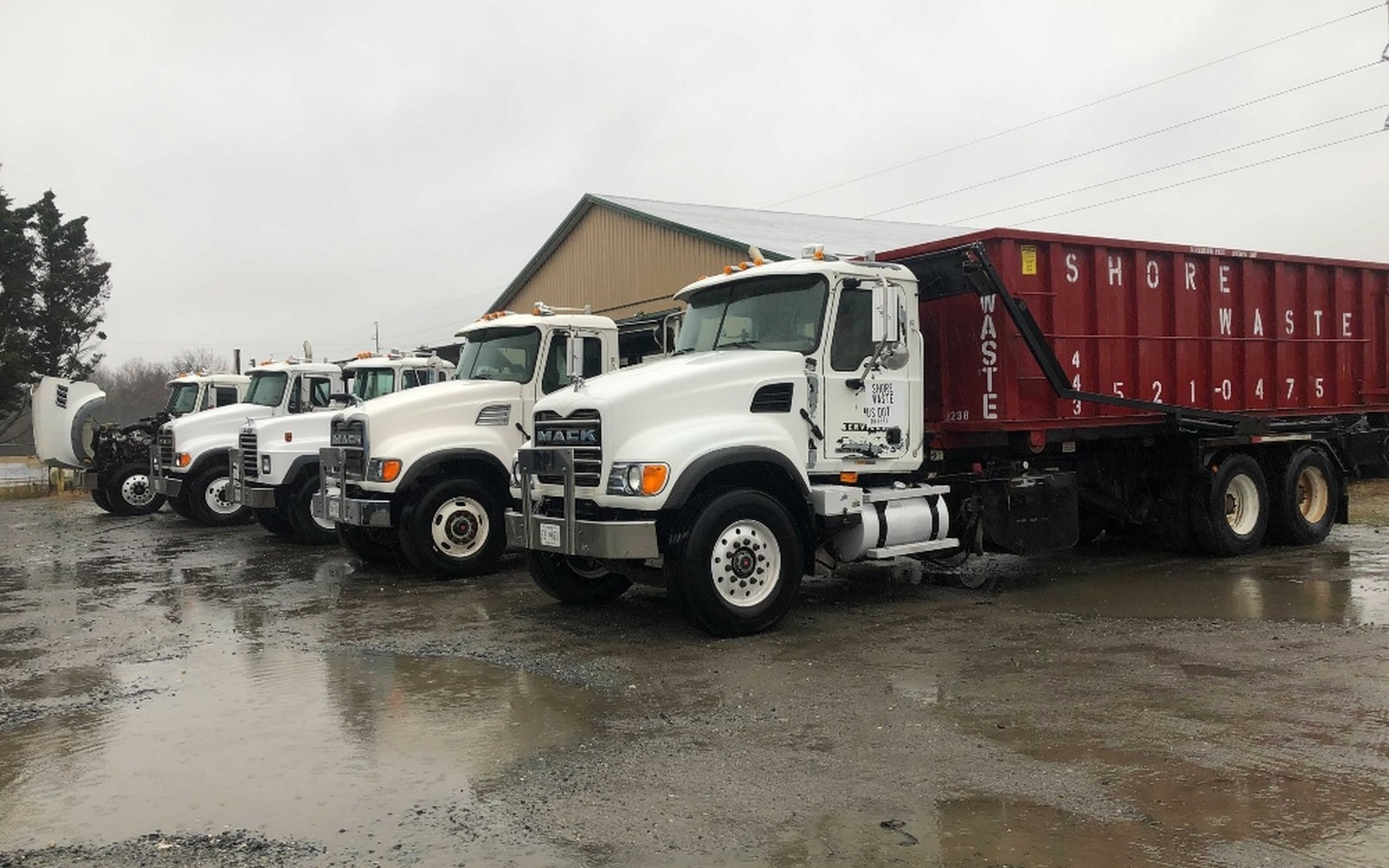
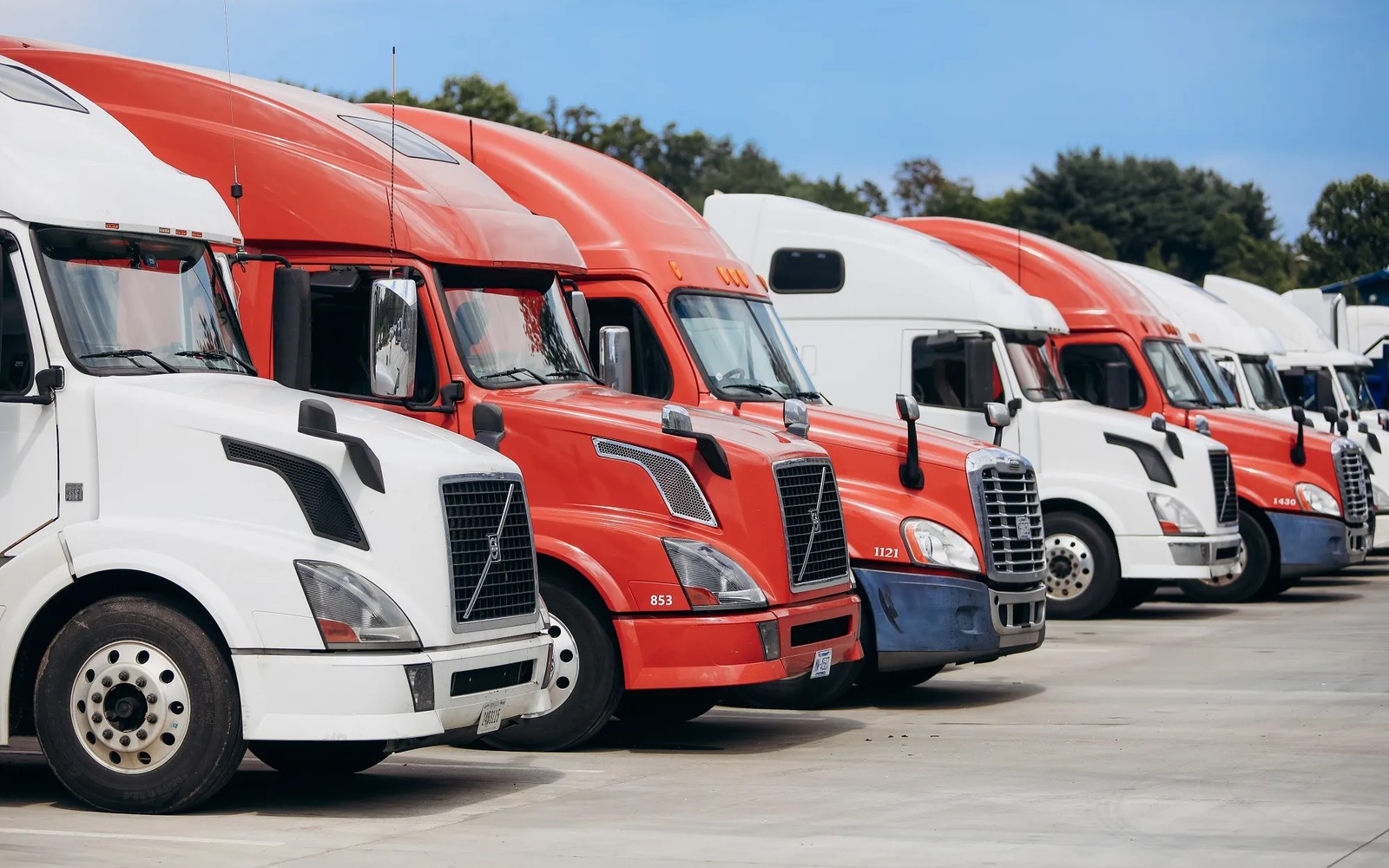
We finance commercial truck fleets for Atlanta-area operators across a full range of equipment: day cab tractors pulling LTL freight to the Southeast, sleeper tractors running Southeast-to-Midwest lanes, refrigerated units keeping grocery and produce moving to regional DCs, flatbeds servicing the construction surge across the metro, and the medium-duty box trucks and vans that handle last-mile work throughout the city's urban delivery corridors. New iron or used, single units or a block of replacements, we work with the full spectrum of fleet situations.
The minimum we work with is $50,000, and the deals we structure most often fall running about $100k to $150k per transaction. Application-only approval is available up to roughly $400,000, and deals that call for full financials typically move from application to closing after title and lien paperwork. B and C credit is considered; we are not a bank, and we do not score fleets the way a bank does.
The Atlanta Freight and Fleet Environment
Atlanta's position as the Southeast's primary logistics hub traces to its highway geometry and its role as a rail gateway. The metro handles a disproportionate share of Southeast-bound truckload and LTL freight, and that volume has only grown as e-commerce fulfillment has pushed more distribution square footage into the outer ring counties. Paulding, Cherokee, and Henry counties have added significant warehouse and DC capacity over the past several years, and the trucks serving those facilities tend to be medium-duty units running tight regional circuits.
For the long-haul operators, Atlanta is a natural origin point for Southeast freight moving north to the Midwest or northeast toward the Carolinas. Kenworth and Peterbilt-spec'd sleepers running those corridors often carry heavy annual mileage, which makes replacement cycle planning and truck fleet refinancing a recurring conversation for operators who want to manage their cost per mile on aging assets. A unit at 600,000 miles still has real collateral value, and refinancing it at a lower rate while pulling cash out for a down payment on a newer truck is a transaction we structure regularly for Atlanta fleets.
The construction sector adds another dimension. Metro Atlanta's residential and commercial building activity generates continuous demand for flatbed truck fleets moving steel, lumber, precast, and HVAC equipment. Those operators often run mixed fleets of medium and heavy equipment, and their replacement cycles do not align neatly with calendar year. We work with irregular timing; not every fleet manager wants a fiscal year that dictates when they buy iron.
How Fleet Financing Works Here
The process is straightforward. You provide the details on the units you want to finance (year, make, model, mileage or hours, purchase price), and we structure a transaction that fits the collateral and your credit profile. For deals under roughly $400,000, the application is often all we need to get to a decision. For larger blocks, we will ask for three months of bank statements and, depending on the deal size and structure, basic business financials.
Purchase financing covers new and used equipment acquired from dealers, auctions, or private sellers. Fleet sale-leaseback lets you convert equity in trucks you already own into working capital while keeping the trucks in service; that structure works well for Atlanta operators who need cash for fuel, insurance, payroll, or the deposit on a new facility without selling iron they depend on. Refinancing existing notes at better rates or pulling cash out of paid-off equipment are both transactions we handle on an ongoing basis for clients in this market.
For operators who want flexibility on the back end, a TRAC lease sets a residual value at the outset that lowers your monthly payment and gives you the option to purchase at the end of term, trade, or walk away. For those who want guaranteed ownership, a dollar buyout lease functions like a loan with the truck yours at the end for a nominal payment. We explain both structures and let the fleet's actual situation drive the choice.
Who Applies in This Market
The Atlanta operators who come to us span a wide range of business profiles. A three-truck LTL subhauler based in Forest Park replacing aging day cabs to protect his contract. A seven-unit refrigerated carrier out of Gainesville adding two reefer trailers to handle a new grocery account. A construction subcontractor in Alpharetta putting a second flatbed to work on a long commercial project that just funded. A mid-size beverage distributor in the northern suburbs refreshing a block of straight trucks before the summer delivery season hits.
We also work with operators who have credit situations that do not fit conventional lending. A couple of slow pay marks on the credit report, a bankruptcy in the recent past, or a business that is still relatively young, those are not automatic disqualifiers here. We look at the whole picture, including the fleet's revenue, the quality of the contracts it is running under, and the strength of the collateral. B and C credit fleet financing is a real product, not a placeholder, and we use it regularly for Atlanta-area operators who got a hard no elsewhere.
Operators with newer authority or a business under two years old also have options. The equipment is the primary security in a startup fleet financing transaction, which means less weight on time-in-business and more weight on the value of the iron and the operator's ability to service the debt from actual freight revenue.