Every truck sitting in the shop or waiting on a title problem is a load that goes to someone else. Freight hauling is a utilization business: the margin is thin, the lanes are competitive, and the only way to grow is to keep more units rolling more hours. Our job is to make sure financing never becomes the reason a profitable load goes uncovered.
We work with freight carriers from single-truck owner-operators scaling their first second unit to regional fleets managing dozens of tractors and trailers. The equipment mix in this industry is well understood by our team. Day cab tractor financing for short-haul regional work, sleeper tractor financing for long-haul OTR runs, dry van trailers, reefer units, flatbeds. We finance the full spectrum and we know the actual spec differences that matter to a freight operator.
Minimum transaction size is $50,000. The sweet spot for most freight fleet deals is $100,000 to $150,000 and up, covering multi-unit purchases or a tractor-trailer combination. New equipment, late-model used units, and older iron with solid maintenance records all qualify. B and C credit situations are considered on a deal-by-deal basis, and we can often close application-only up to approximately $400,000 for established carriers with clean payment history.
The Equipment Freight Fleets Actually Run
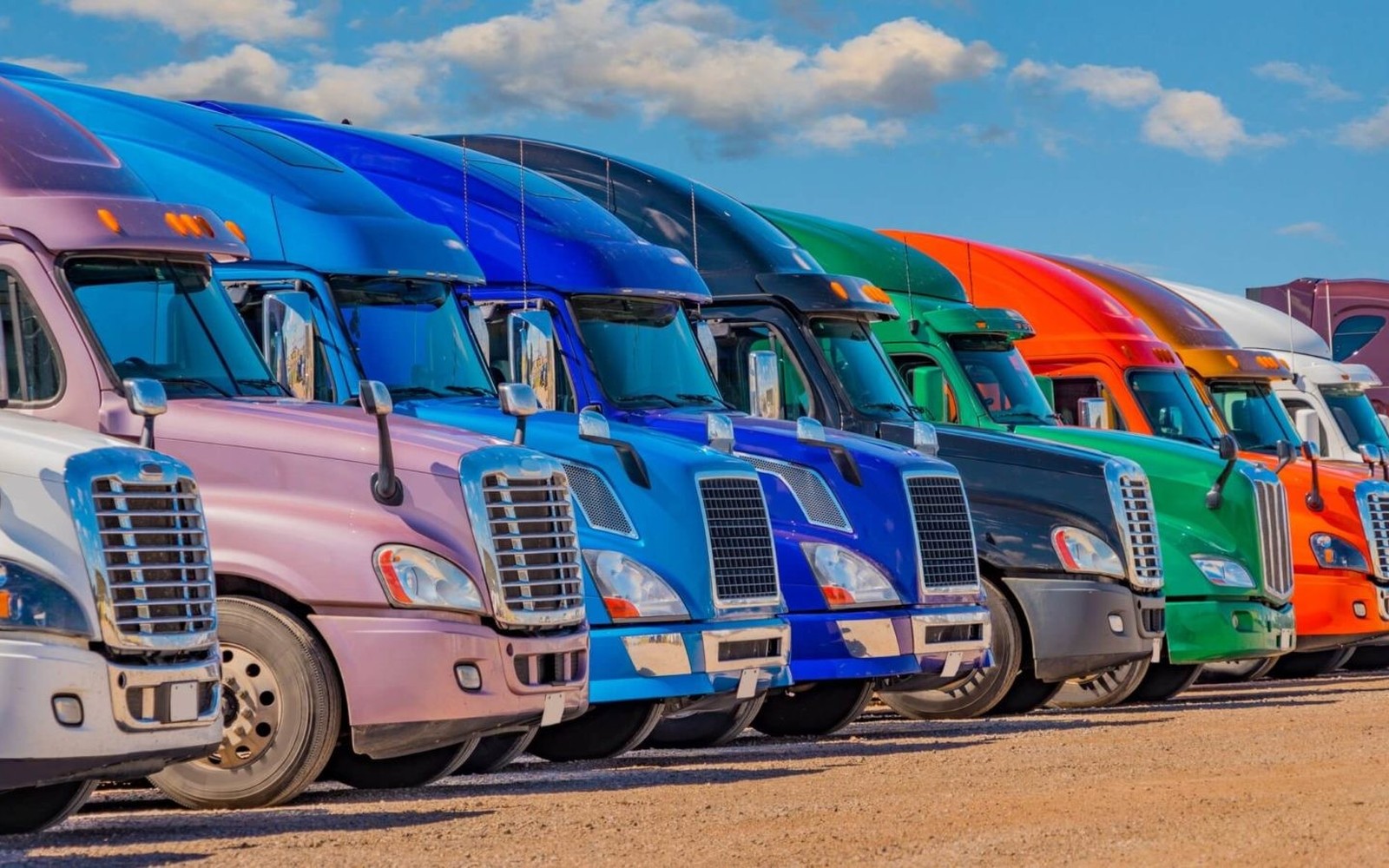
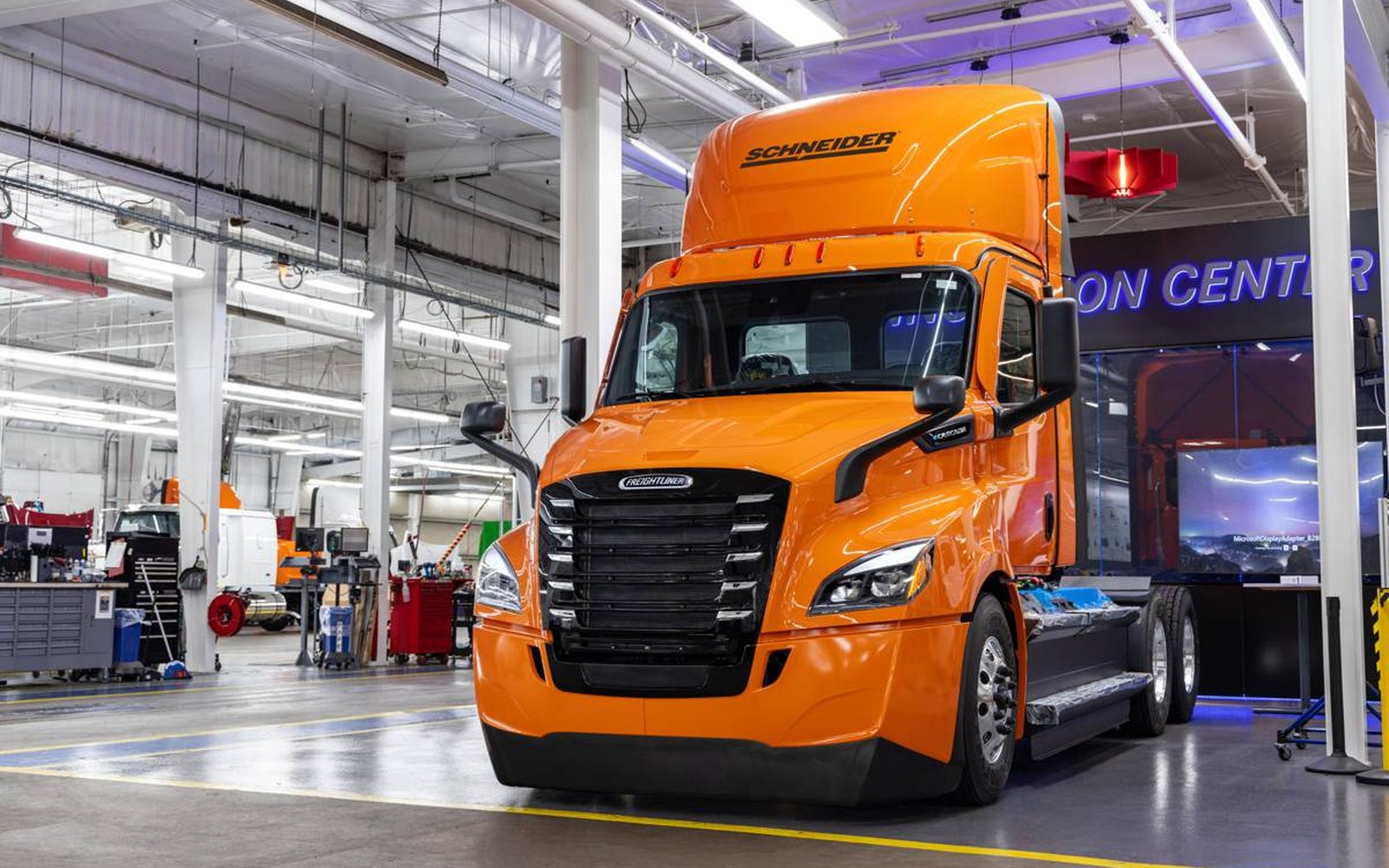
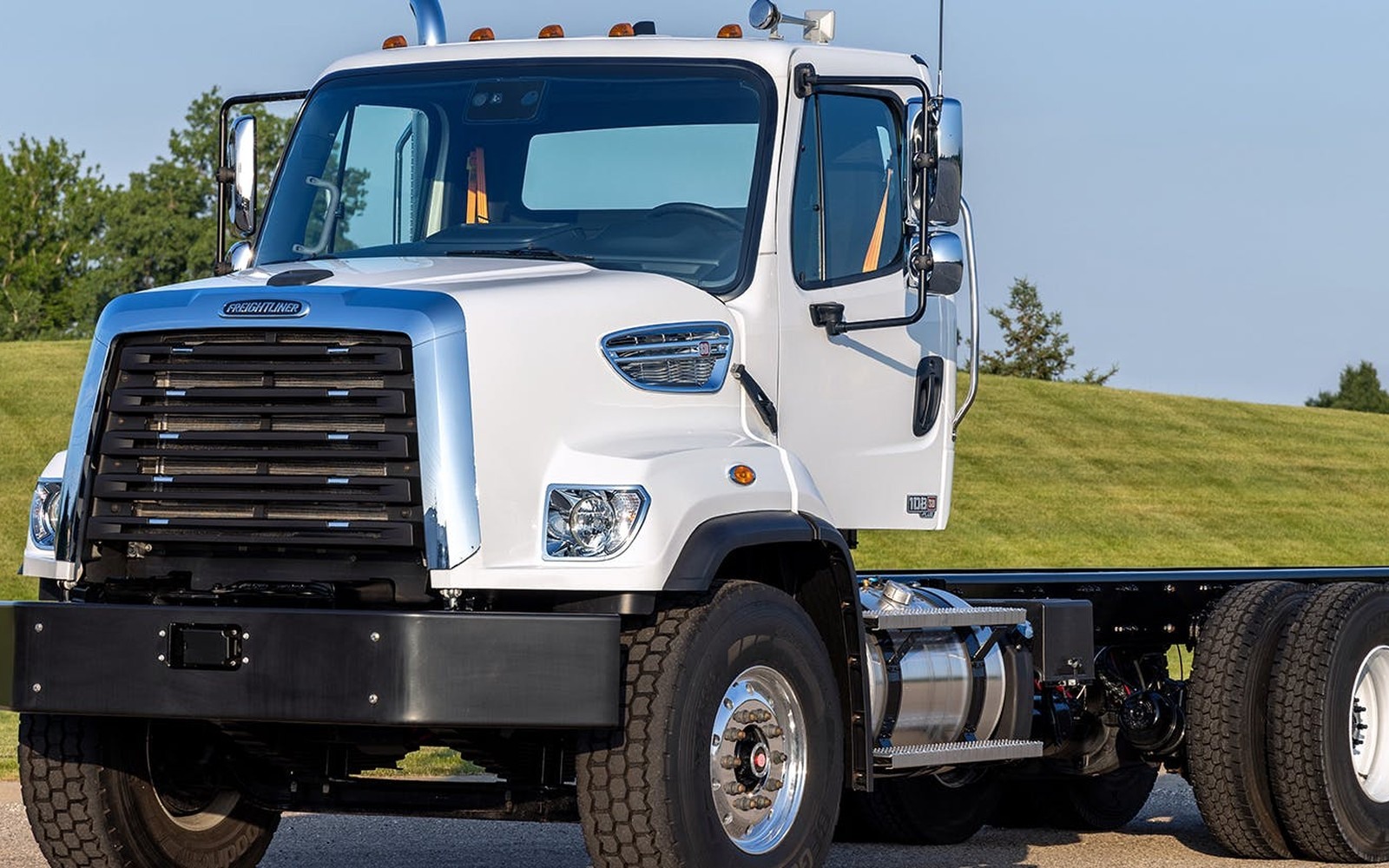
Long-haul carriers running interstate lanes gravitate toward aerodynamic Class 8 sleeper tractors. Fuel efficiency at highway speeds drives spec decisions, which is why modern integrated sleeper cabs from manufacturers like Freightliner and Kenworth dominate new-equipment purchases in this segment. The Freightliner Cascadia and its Detroit DD15 or DD13 powerplant combination is one of the most common assets we see in freight fleet applications.
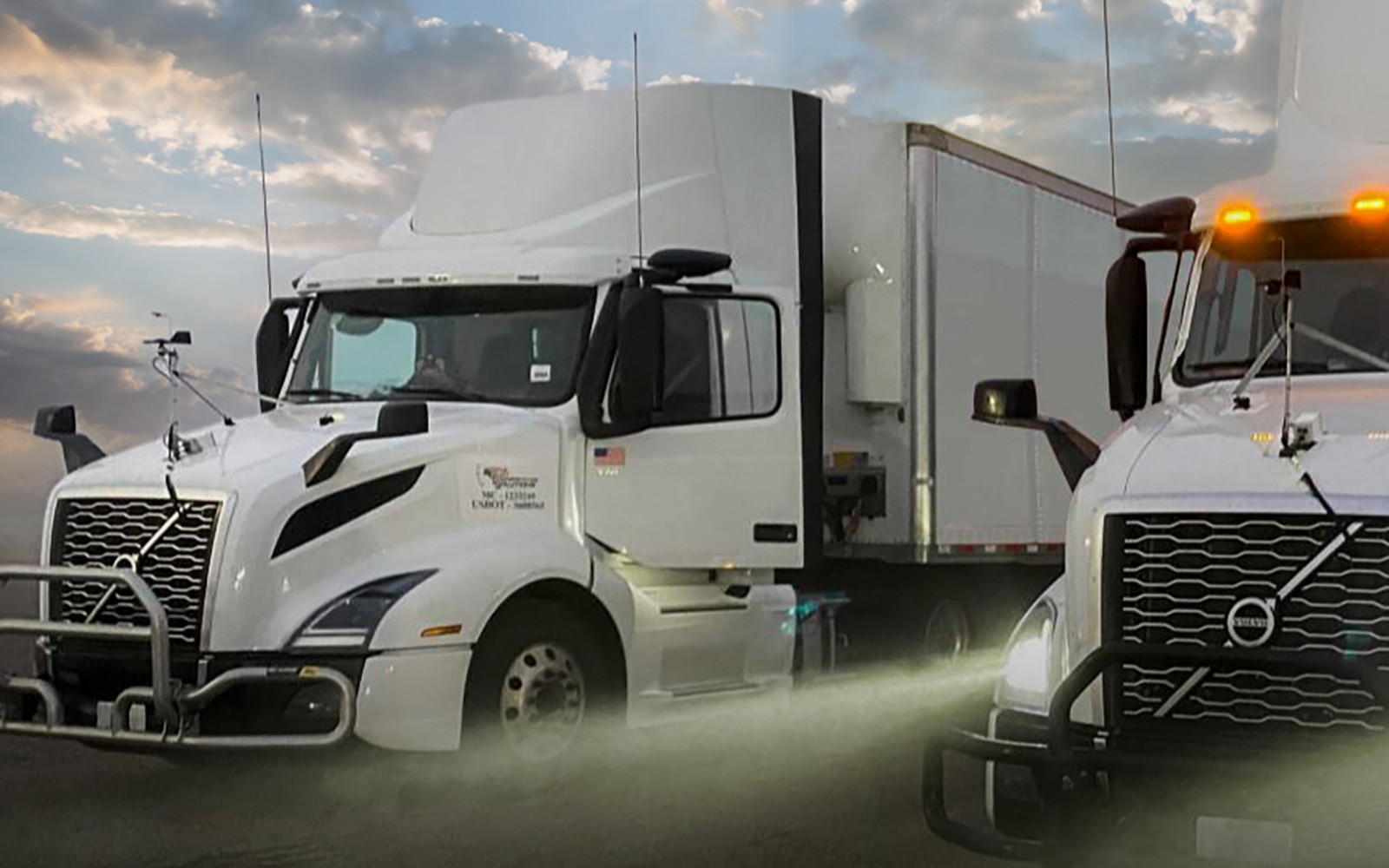
Regional carriers and dedicated contract operations lean toward day cabs paired with 53-foot dry van trailers. The cycle time advantage of a day cab is real: lighter spec, lower cost per unit, easier driver recruitment for local and regional runs. Carriers covering freight lanes out of intermodal hubs like Chicago, Dallas, and the I-81 corridor in Pennsylvania tend to run high day-cab ratios.
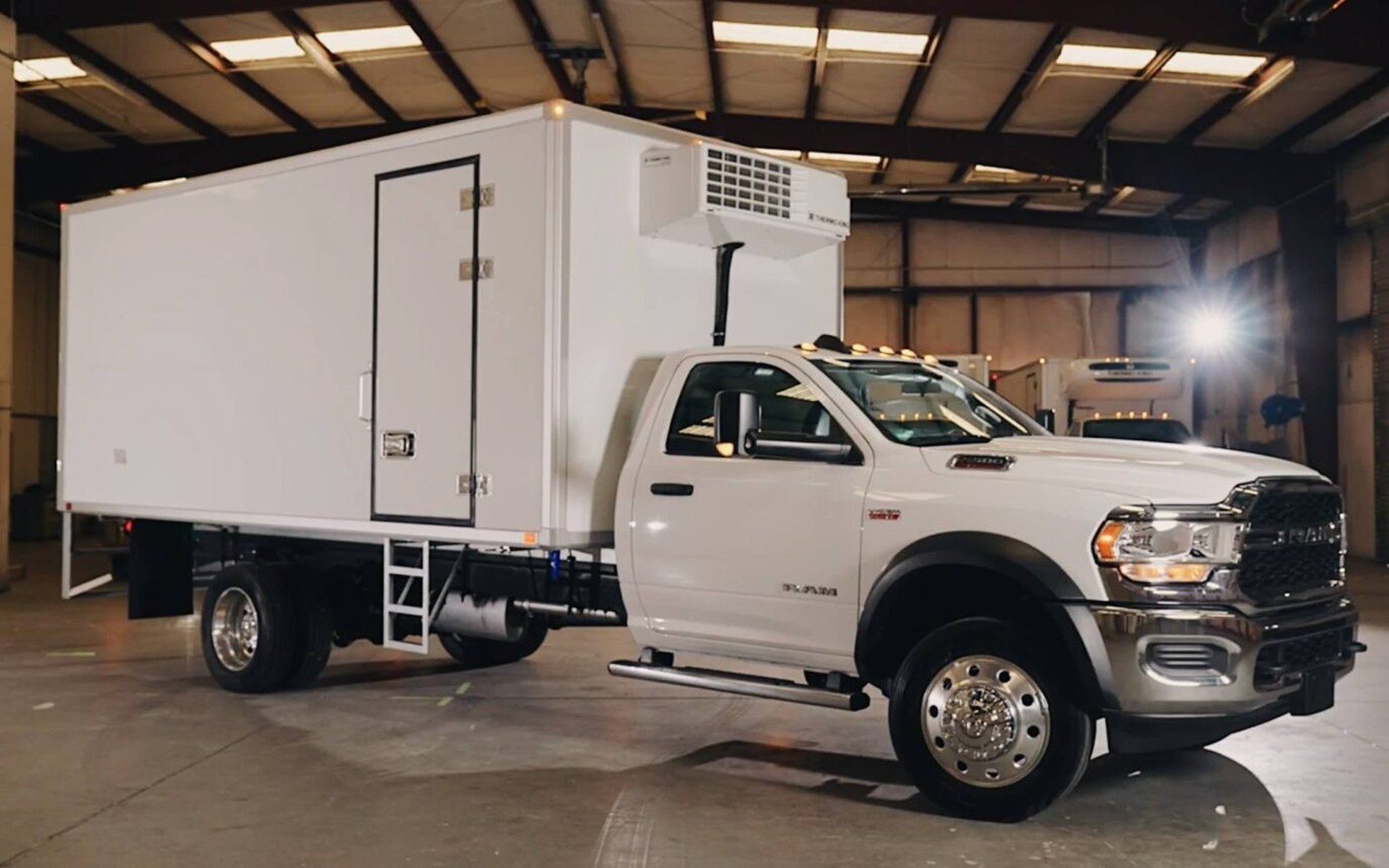
Reefer units add complexity. The trailer-mounted refrigeration system, typically a Thermo King or Carrier unit, is part of the collateral package and we underwrite it as such. Refrigerated truck and trailer financing carries slightly different documentation requirements around the reefer maintenance logs, and we walk carriers through that process.
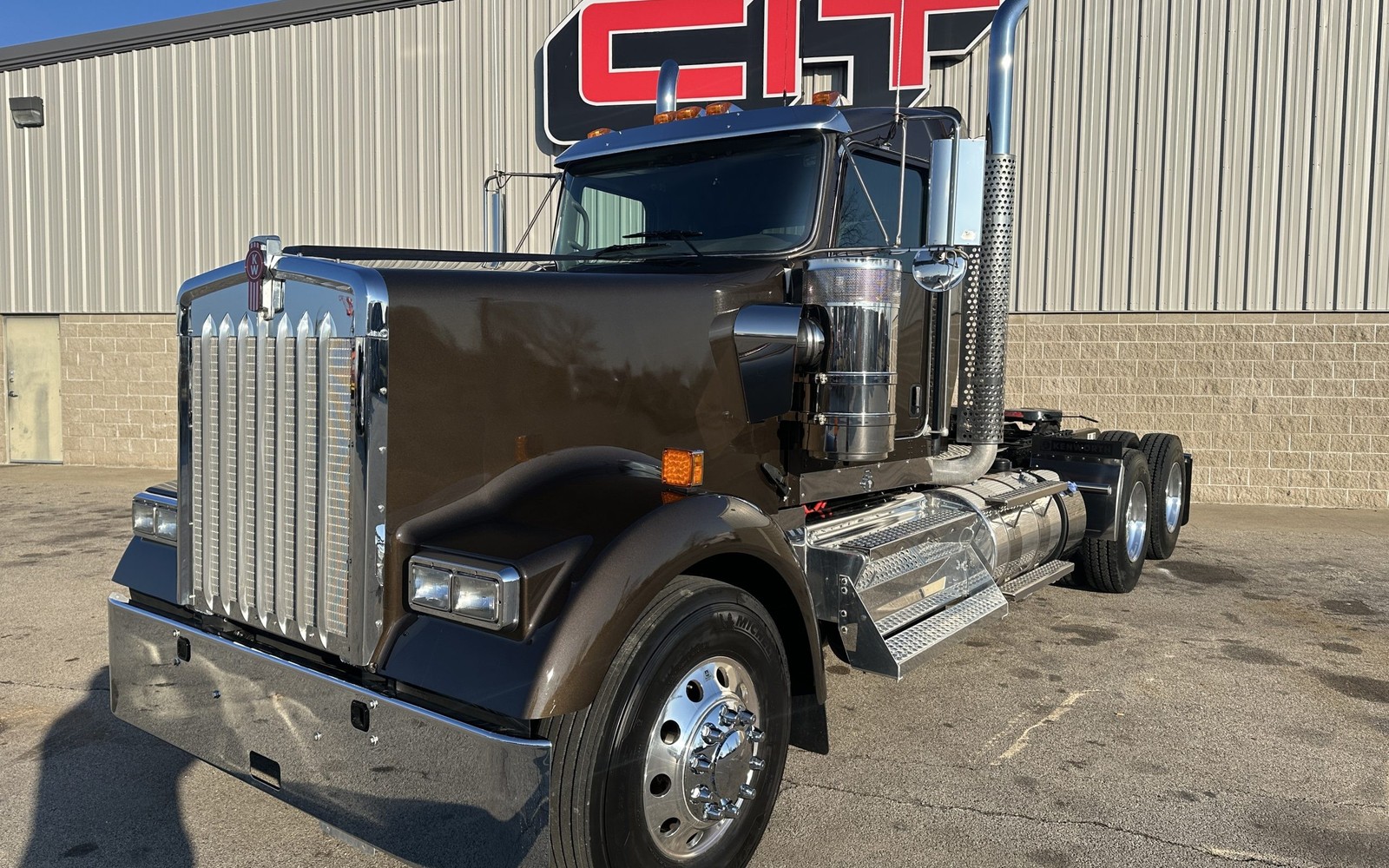
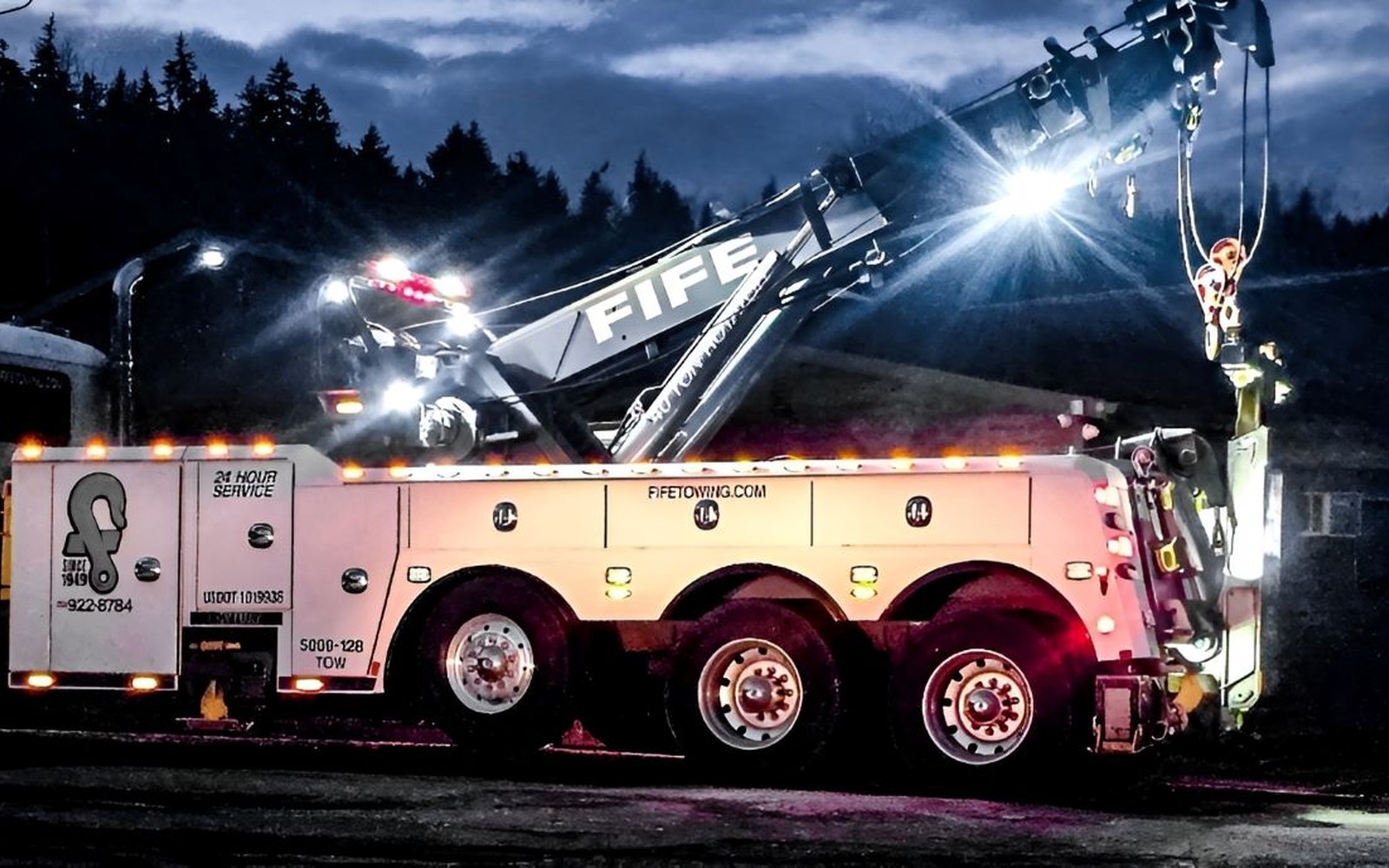
Flatbed configurations serve a distinct freight segment. Oversized loads, steel coil work, lumber, and industrial machinery move on flatbed and step-deck equipment, and those carriers often need crane trucks or specialized trailers alongside tractors. We can package multi-asset transactions so you are not piecing together separate loans for each unit.
How the Process Works for Freight Carriers
The typical freight fleet financing transaction moves through three phases. First, we collect a credit application and the last three months of business bank statements. For transactions above $400,000, we add two years of business tax returns and current financials. The application-only threshold means a significant percentage of freight fleet deals close without a full financial package.
Second, we match the deal to the right equipment finance program. Freight is a well-understood asset class for equipment lenders, which generally keeps rates and terms competitive. Owner-operators and small carriers with B or C credit should look at B and C credit fleet financing options where the lender focuses on the equipment value and recent cash flow rather than a credit score alone.
Third, funding. Most freight deals close in about one to two weeks from a completed application. If a carrier is buying at auction or from a private seller, we can work with those timelines as well. Private-party truck financing for freight equipment follows the same process with some additional title verification steps.
Refinance and Sale-Leaseback for Freight Fleets
Carriers with equity in existing iron have options beyond a straight purchase loan. A fleet refinance can lower monthly payments on tractors or trailers that were financed at higher rates, freeing cash flow for fuel, driver wages, or insurance reserves. The math on a refinance is straightforward: if the current rate is significantly higher than what the market offers today and there is remaining term on the loan, a refi typically pencils.
Sale-leaseback works differently. A carrier sells titled equipment to a lender and leases it back, converting asset equity to working capital without giving up the truck. For a freight operator who needs liquidity to cover a large fuel purchase, expand a terminal, or bridge a slow receivables period, a sale-leaseback on the fleet can generate meaningful capital fast. We structure these for freight fleets regularly and can walk through the tax treatment with your accountant.
Who Fits This Program
Owner-operators adding a second or third unit. Regional carriers replacing aging tractors before the repair bills outpace the truck's productive value. Asset-based carriers winning new contract freight and needing equipment fast. Intermodal drayage operators running port lanes who need day cabs to cover container moves. Flatbed specialists adding trailer capacity for project freight.
Carriers that have been through a rough patch, including a prior bankruptcy that has been discharged for at least one year, can still find a path to financing through our B/C credit programs. We evaluate the current business condition, not just the credit history.
Start-up carriers with new authority have a separate program. New authority truck financing carries different requirements, including a larger down payment in most cases, but it is available. If you are further along, the standard freight fleet program is the right starting point.