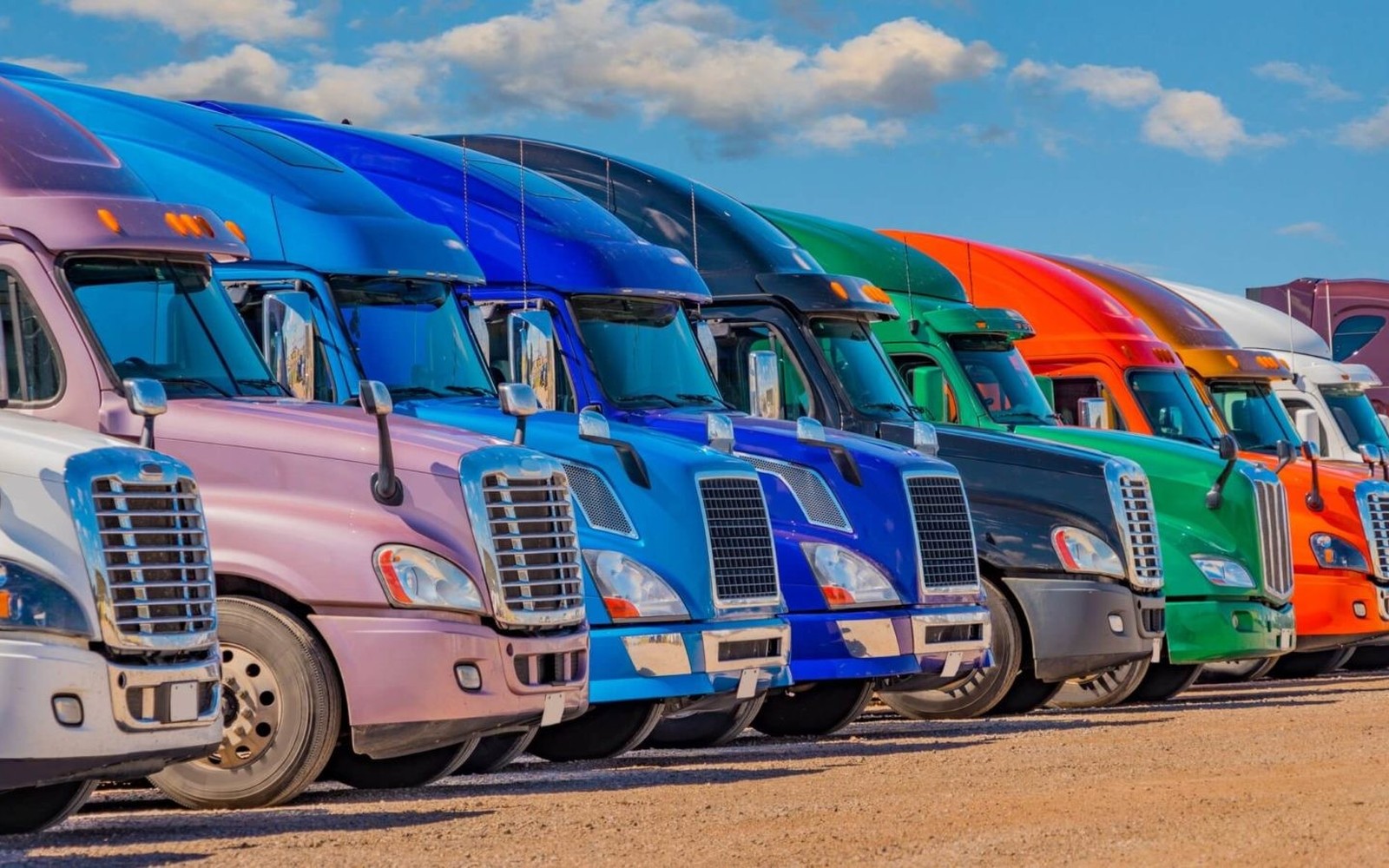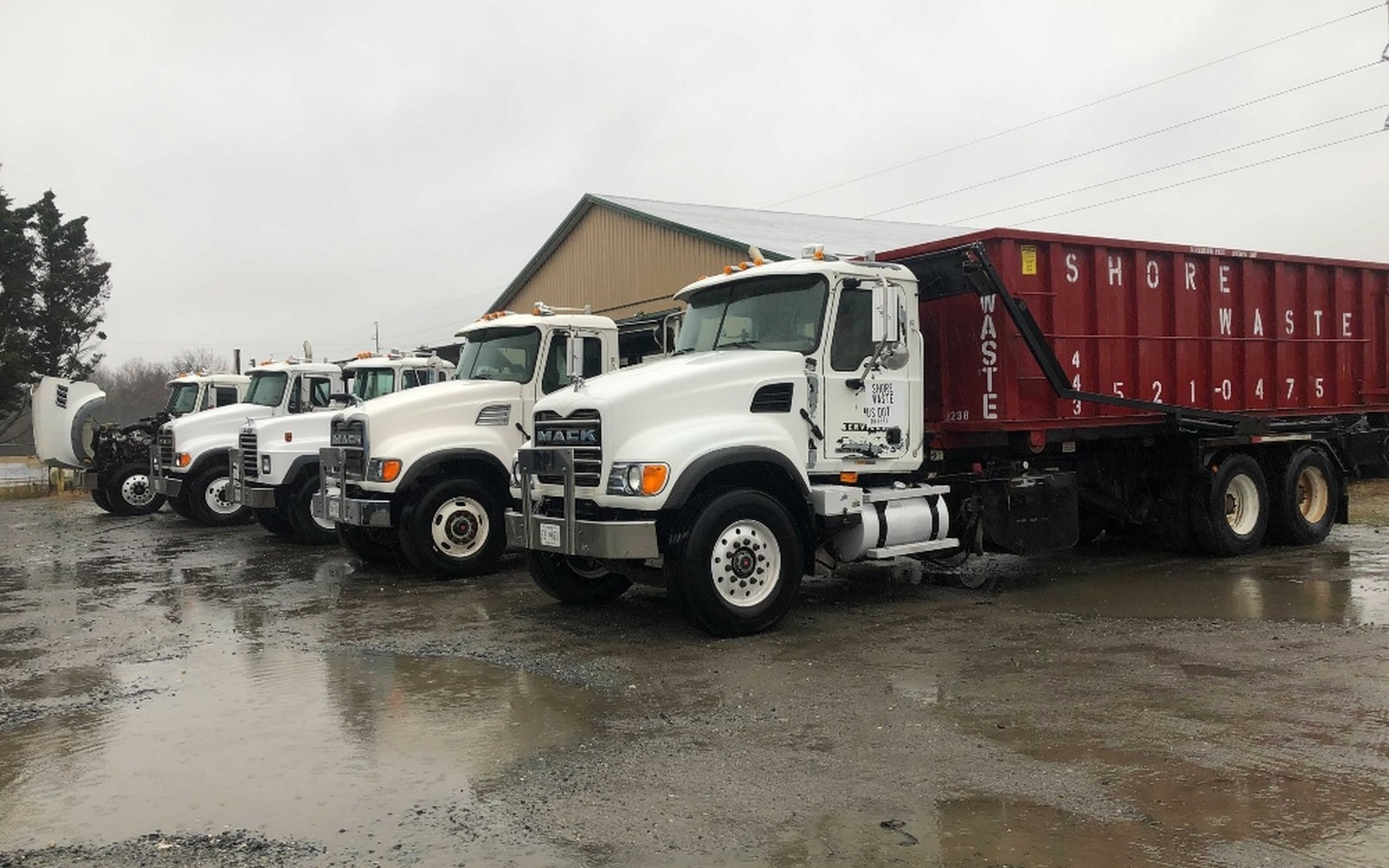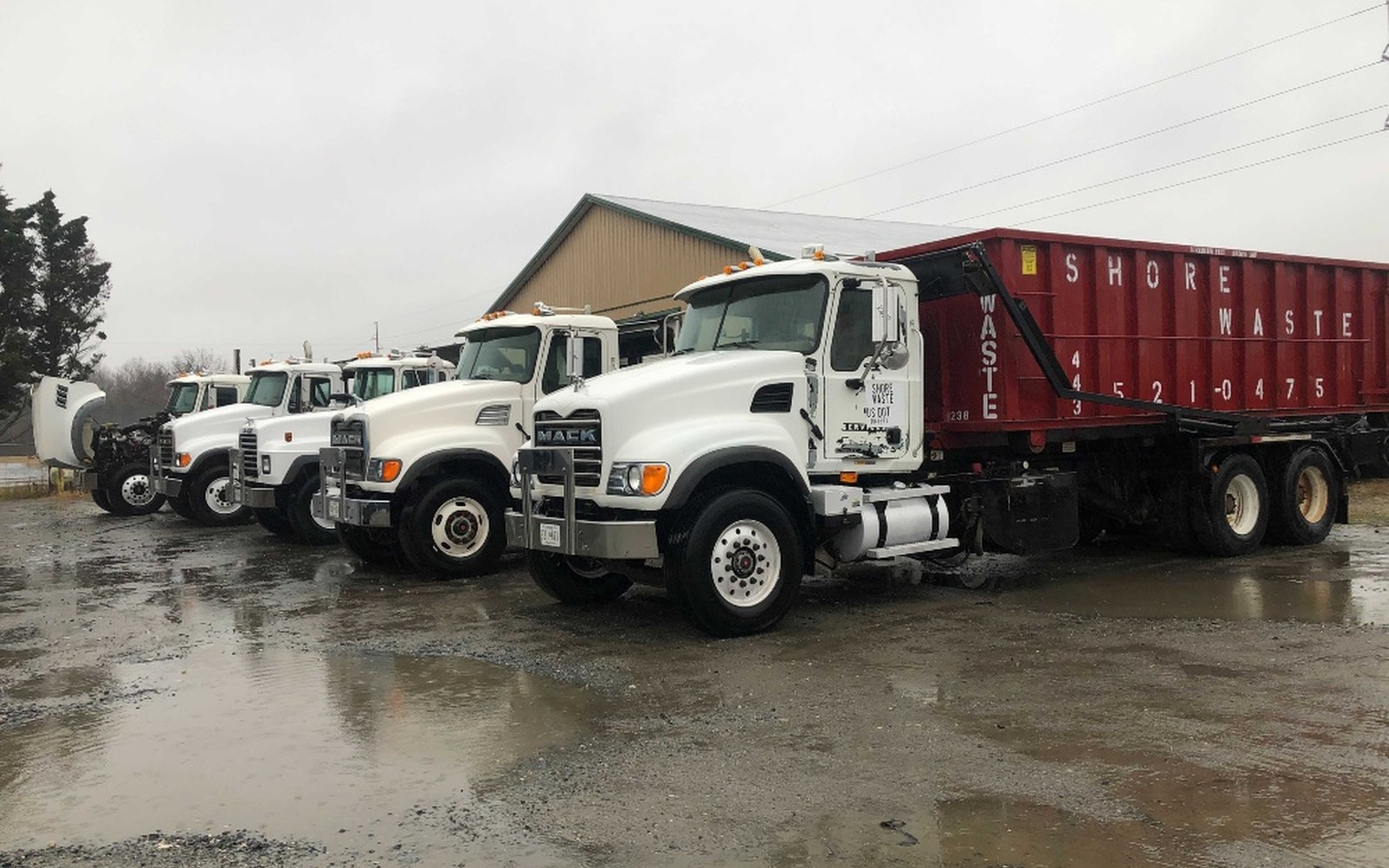
A single truck down cuts into margin. A fleet with aging iron and staggered replacement cycles is a cash-flow problem waiting to compound. The operators who keep utilization high and cost-per-unit predictable are the ones who treat fleet acquisition as a planned financial decision, not a crisis response. That is exactly where fleet-level financing earns its keep.
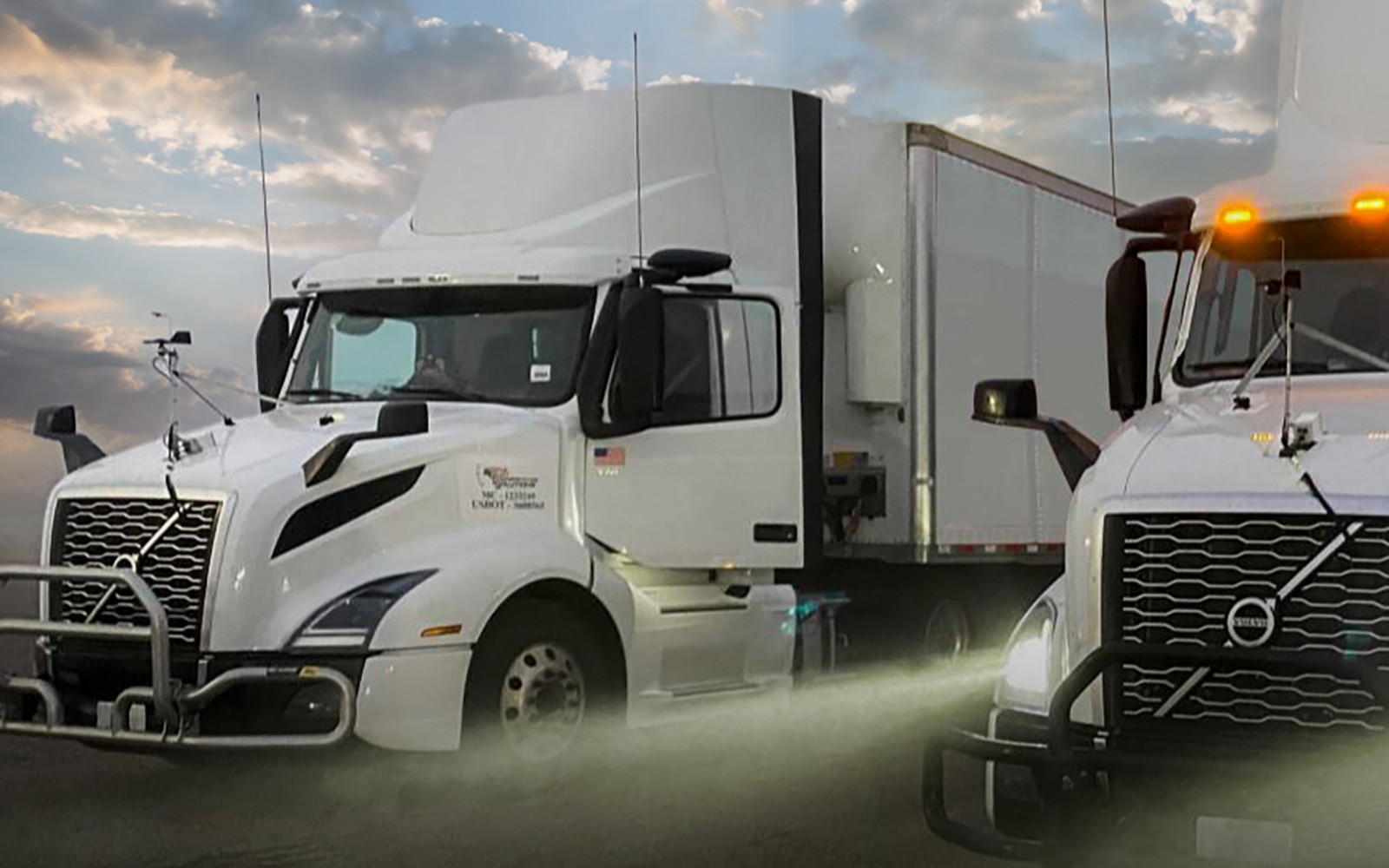
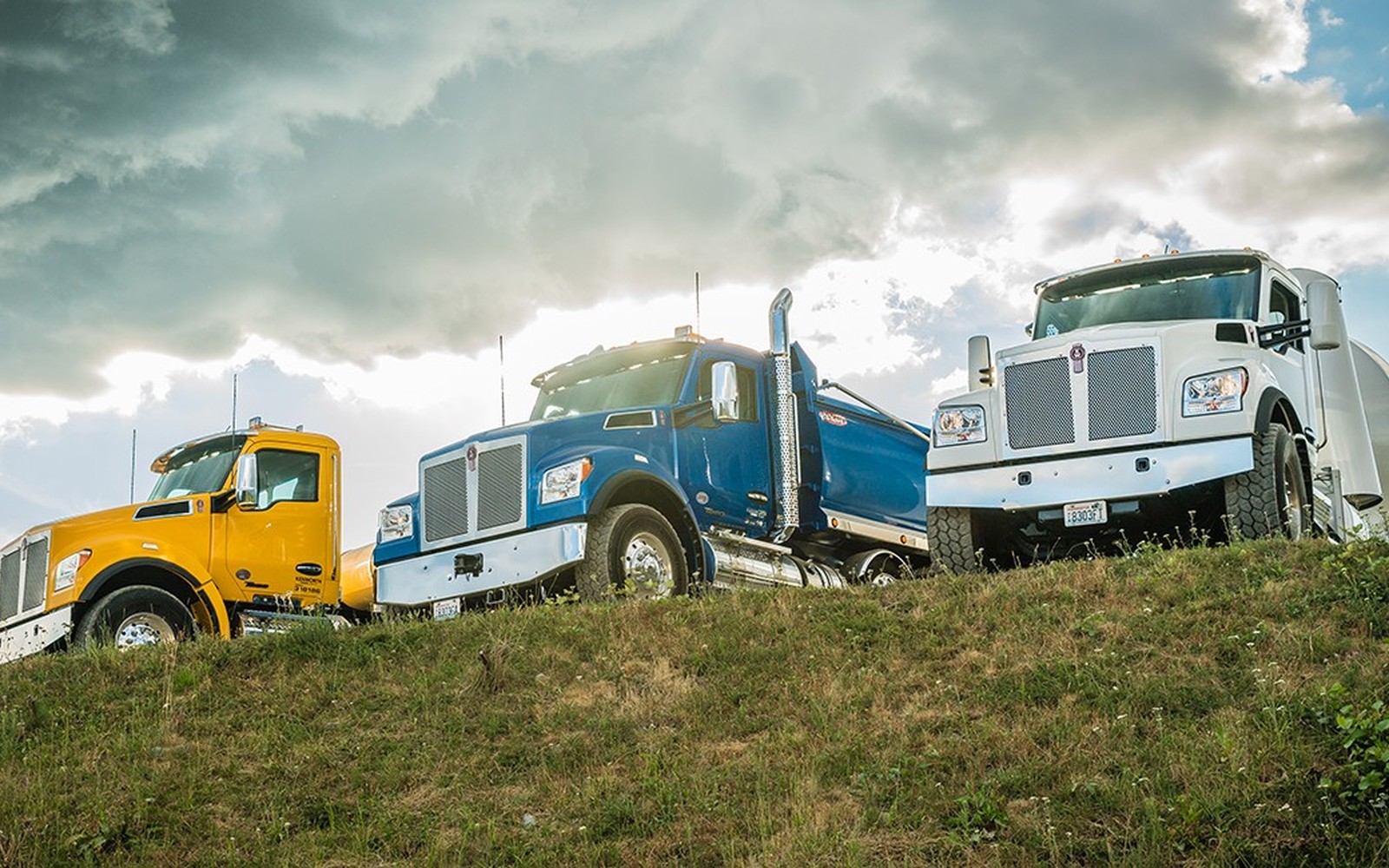
We structure commercial truck financing for fleets of two units and up, from regional carriers running day cab tractors on short-haul lanes to contractors with mixed dump truck and service truck lineups. Fleet underwriting looks at the whole portfolio, the cash flow behind it, and the business's track record, not just the sticker price on one vehicle.
Our minimum is $50,000 per transaction, and the sweet spot is $100,000 to $150,000 and above, which covers multi-unit purchases with real weight behind them. New equipment, late-model used, and combination orders all qualify. We fund in roughly one to two weeks once documentation is complete.
How Fleet Financing Works
Fleet financing is not just a larger version of a single-truck note. The structure matters. A lender reviewing five or ten units at once is evaluating asset diversity, replacement timing, and your ability to carry multiple payment obligations simultaneously. Good fleet underwriting uses that diversity as a strength rather than treating each unit as a standalone credit decision.
The process typically starts with a fleet summary: what units you are acquiring, their year and mileage if used, intended use, and the business entity behind the transaction. From there we pull three months of bank statements and business financials to establish cash flow. Approval timelines run about one to two weeks in most cases.
Rates and terms depend on credit profile, time in business, and the specific equipment. Newer trucks with lower mileage carry better terms than older iron. Operators with a clean payment history on existing equipment have more options. Those with B or C credit still have a path forward; we work across the credit spectrum and will tell you plainly what is available before you commit to anything.
Once approved, funds flow directly to the dealer or seller. You take title (or the lender holds a first lien, depending on structure) and trucks go to work.
Equipment We Finance at the Fleet Level
Most of the commercial truck classes and configurations we see fall into a few core categories. On-highway Class 8 work, which includes sleeper tractors and day cabs, represents the largest share of fleet deals. These trucks operate on tight cost-per-mile math, so getting the financing structure right has a direct effect on route profitability.
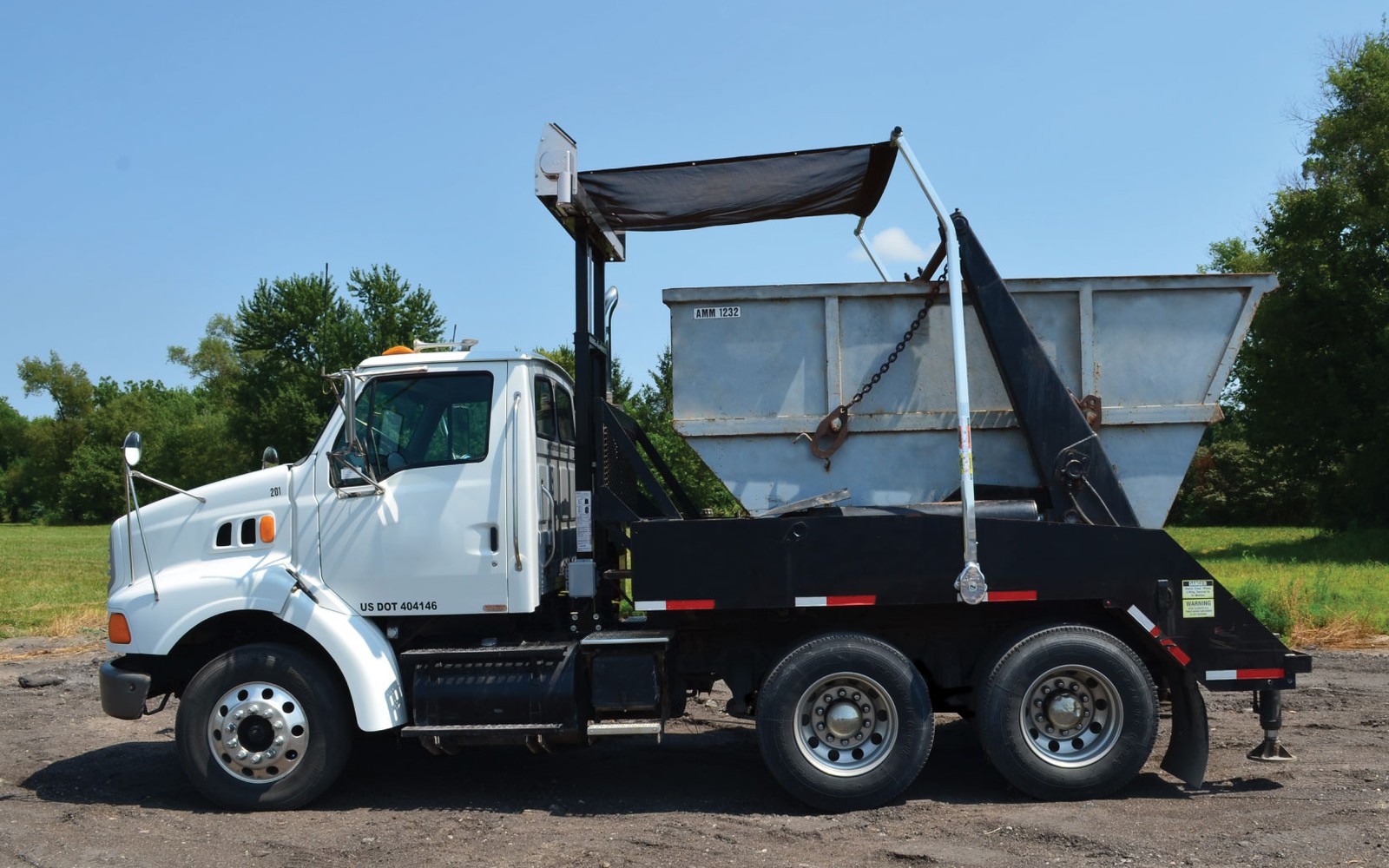
Vocational fleets look different. A contractor running flatbed trucks, crane trucks, and service vans needs a lender who understands that the collateral value and use case vary across the same deal. We handle mixed-spec orders regularly. Refrigerated trucks for food distribution, box trucks for last-mile work, and utility trucks for field service operations all fall within our scope.
Trailers are also financeable as part of a fleet package or standalone. If your operation is adding dry vans alongside new tractors, we can structure the trailer component in the same transaction or separately, depending on what makes the most sense for your balance sheet.
Credit Profile and Documentation
Fleet transactions require more documentation than a single-truck loan, but the bar is not unreasonable. Here is what most deals need:
- Three months of business bank statements
- Business entity documents (articles of organization or incorporation, EIN letter)
- Driver's license for all principals
- Equipment details: year, make, model, VIN or dealer invoice
- For larger transactions, current profit and loss or two years of business tax returns
Credit requirements scale with deal size. Application-only approvals are available up to around $400,000 for businesses with strong bank statement cash flow and a reasonable credit history. Larger fleet deals require financial statements. B and C credit profiles qualify for most equipment classes with adjusted terms. Startups and operators under two years in business have specific programs available; see our page on startup fleet financing for that path.
Other Financing Structures Worth Knowing
Fleet financing covers new purchases, but it is one of several tools in the fleet manager's toolkit. If you own trucks outright or have significant equity in existing units, a fleet sale-leaseback can pull cash out of that iron and put it to work elsewhere in the business, while you keep the trucks operating. That is a different transaction than a purchase loan but often accomplishes similar growth goals.
Operators who need ongoing flexibility for additions throughout the year rather than a single acquisition may benefit from a fleet equipment line of credit, which lets you draw against a pre-approved limit as needs arise. For freight-hauling fleets that also have invoice aging issues, pairing equipment financing with factoring on the receivables side solves both sides of the cash flow picture.
Industries like construction fleet operators and freight hauling companies each have specific financing patterns worth understanding before you structure a deal.