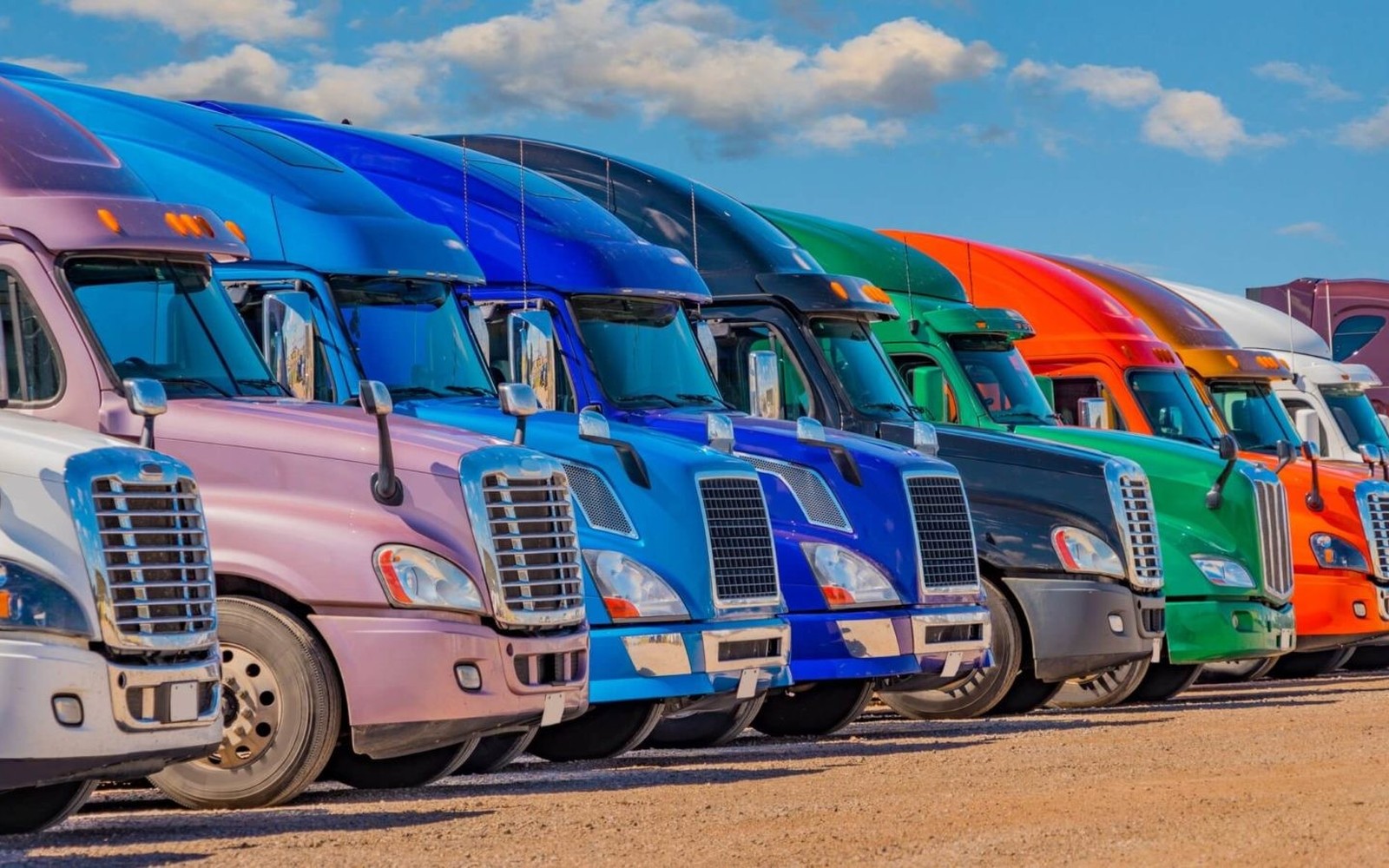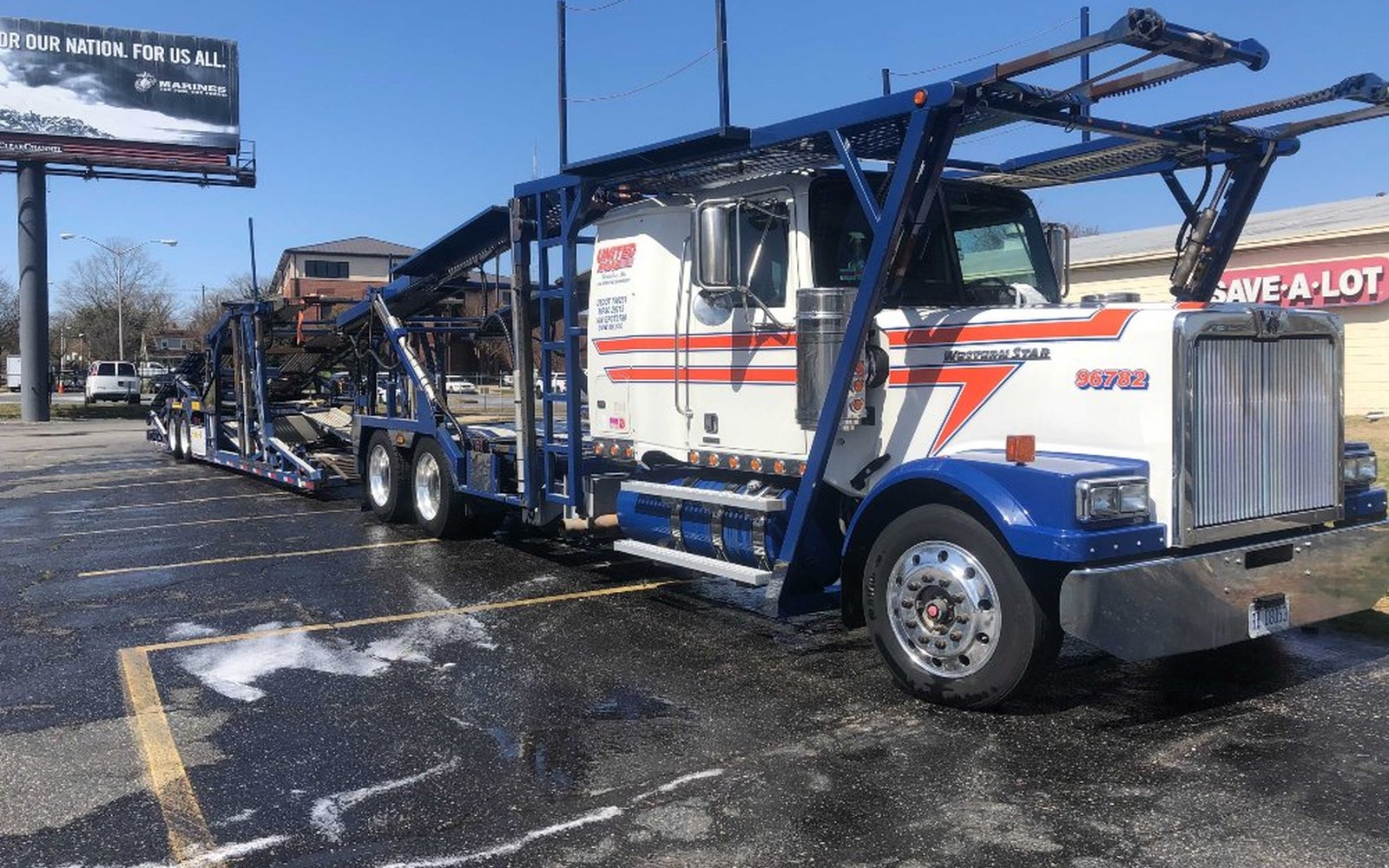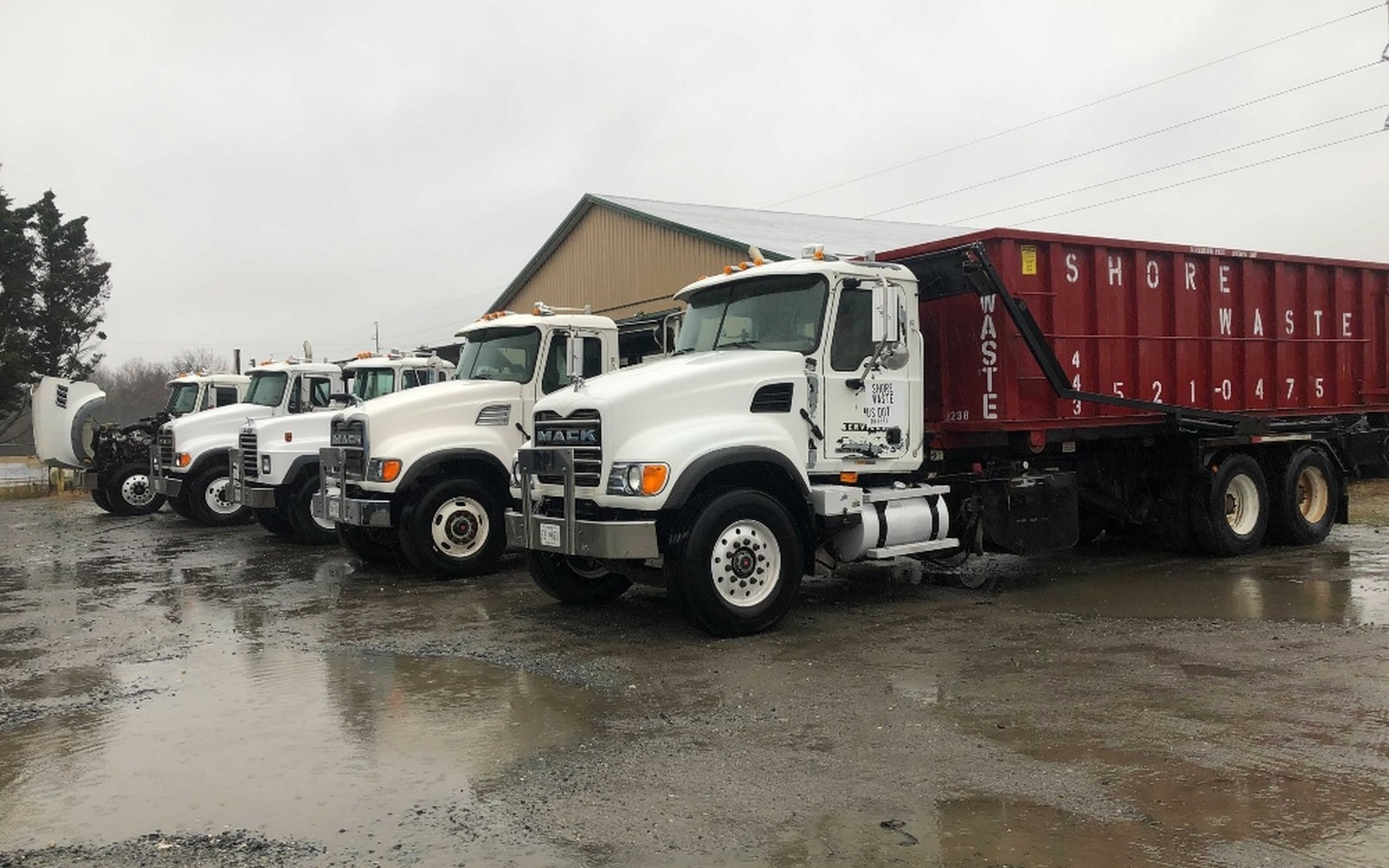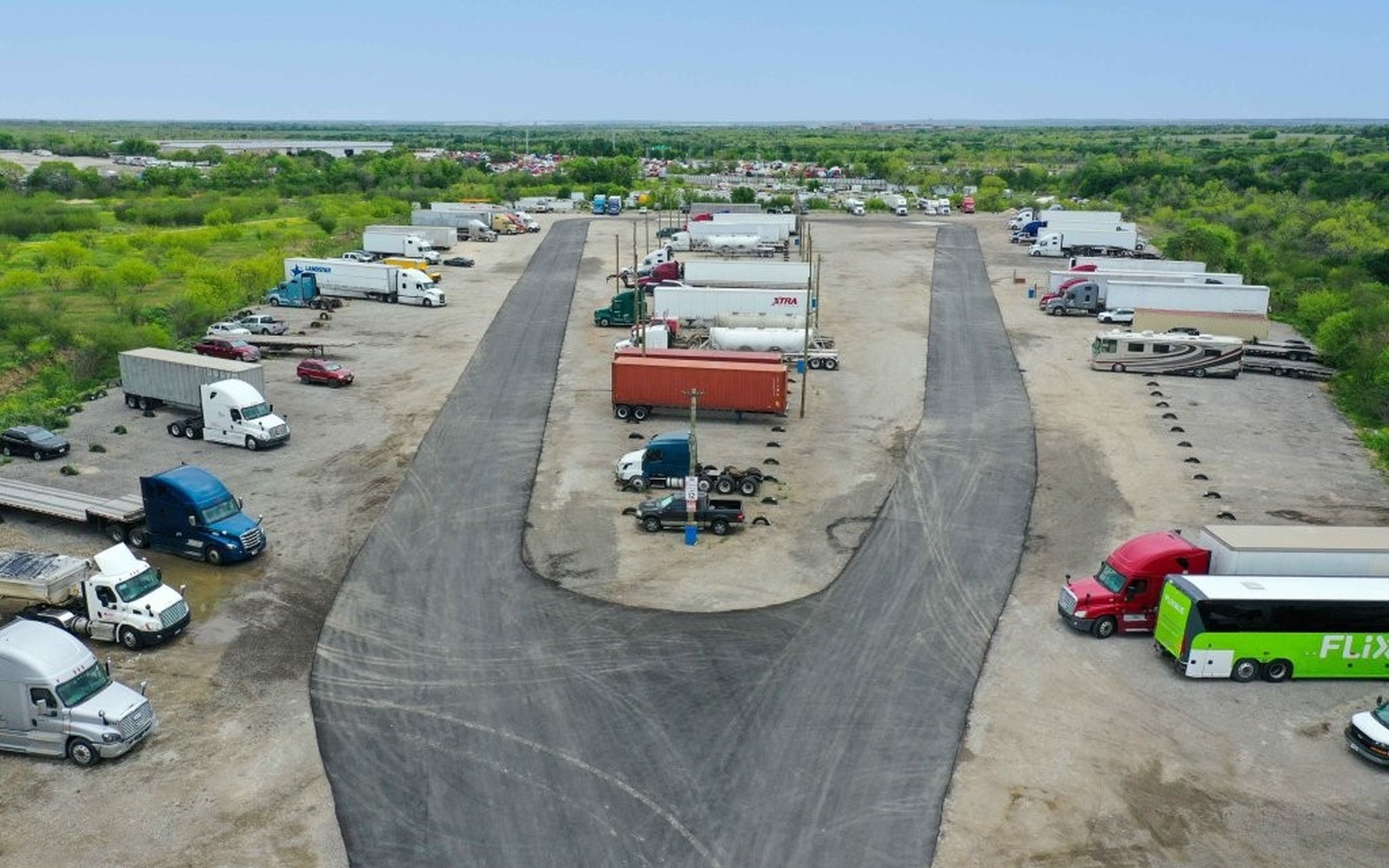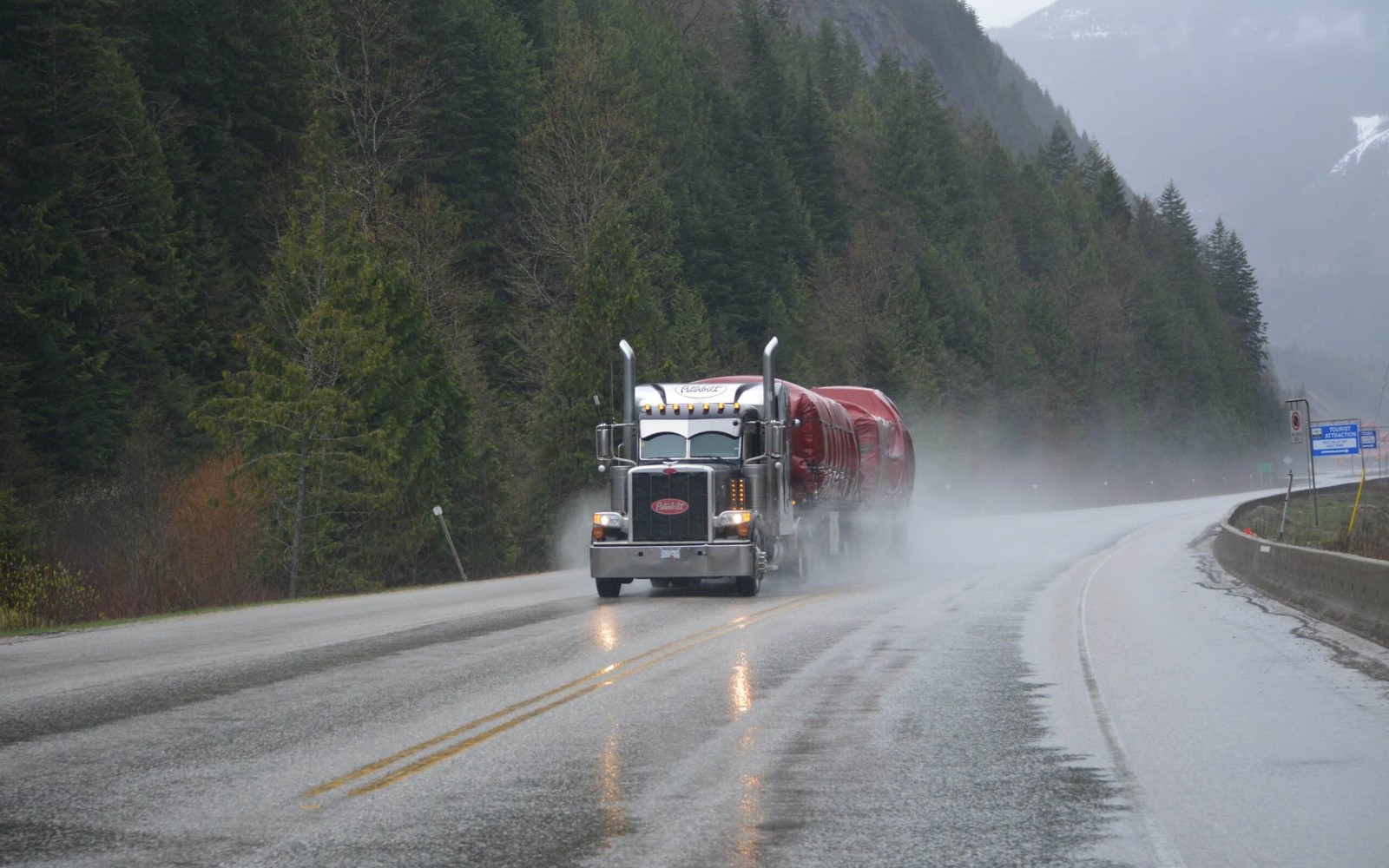
A growing fleet does not run on a predictable acquisition calendar. A truck comes available at auction below market, a competitor liquidates their equipment, or a new contract requires two additional units within the month. Structuring financing truck-by-truck means starting from scratch every time an opportunity surfaces, and opportunities in the truck market do not wait for underwriting cycles to complete.
A fleet equipment line of credit solves the timing problem. You go through underwriting once to establish a pre-approved credit limit. When you need to acquire a truck, you draw against that limit, take delivery, and the equipment becomes collateral. You pay down the draw over time, replenishing the available credit. The next acquisition draws from the same line, without another full application.
This structure fits operators who are actively building or rotating their fleet throughout the year, not just making a single annual purchase. Minimum transaction size is $50,000 to establish a line; individual draws within the line can vary based on unit cost. We work with businesses across a range of credit profiles and explain clearly what limit is available and under what conditions.
How a Fleet Equipment Line Works
An equipment line of credit is different from a general-purpose business line. The availability and collateral are tied to the specific equipment you finance through it. Here is how the mechanics play out in practice:
Establishment: You apply with business financials, three months of bank statements, and information about the types of equipment you intend to finance. The lender approves a total facility amount, say $500,000, based on your cash flow and credit. That limit represents the maximum you can have outstanding at any one time.
Drawing: When you identify a truck to purchase, you submit a draw request with the equipment details and seller information. The lender disburses funds to the seller and the unit is added to the collateral pool. The draw reduces your available credit by that amount.
Repayment: Each draw typically carries its own repayment schedule, often matching the useful life of that unit. As you pay down a draw, the credit available on the line replenishes, depending on the structure.
Rotation: When you sell or retire a unit from the collateral pool, the lender releases the lien on that truck. If the sale proceeds exceed what is owed on that particular draw, you may be able to apply the difference to other draws or reuse the freed credit capacity.
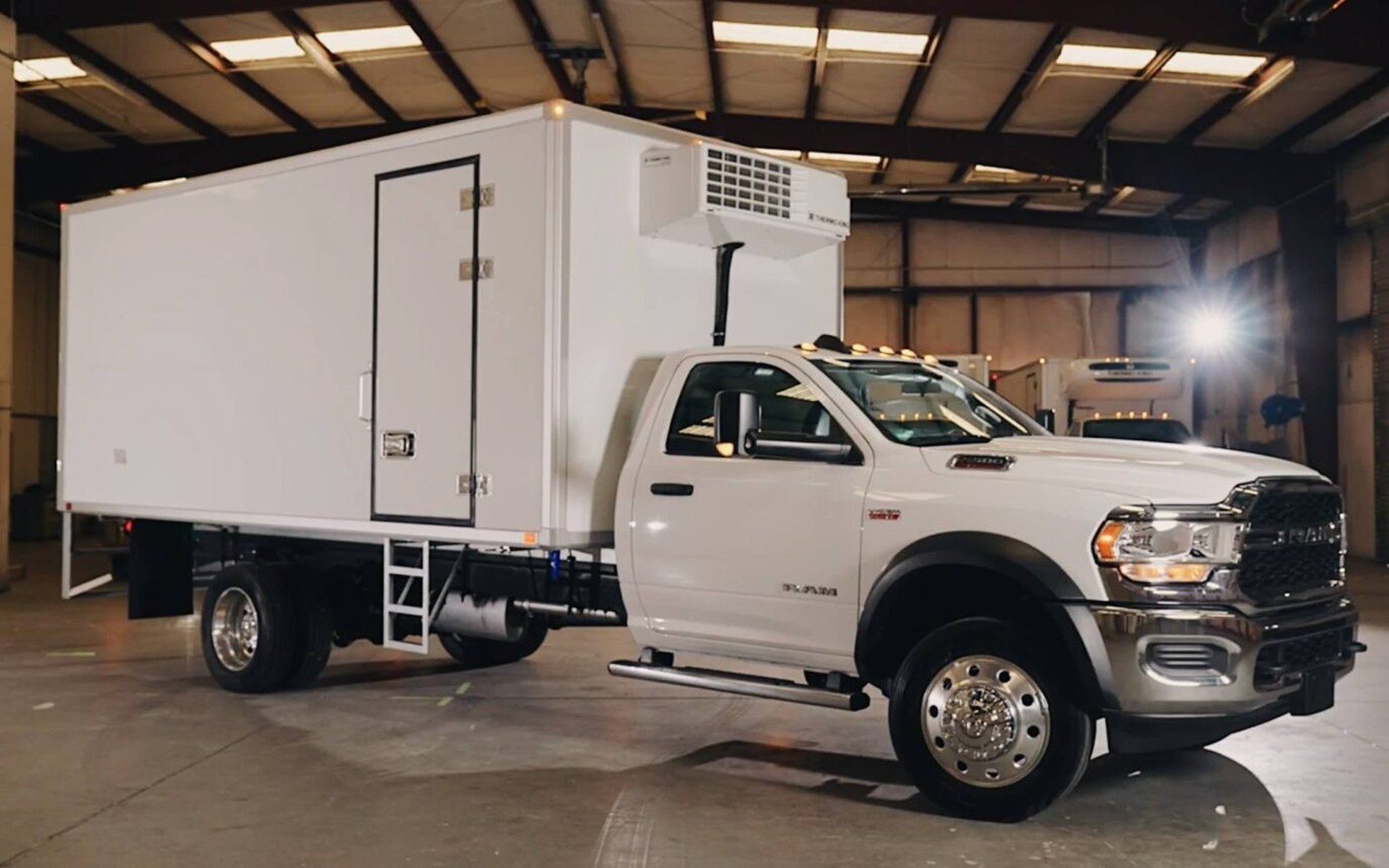
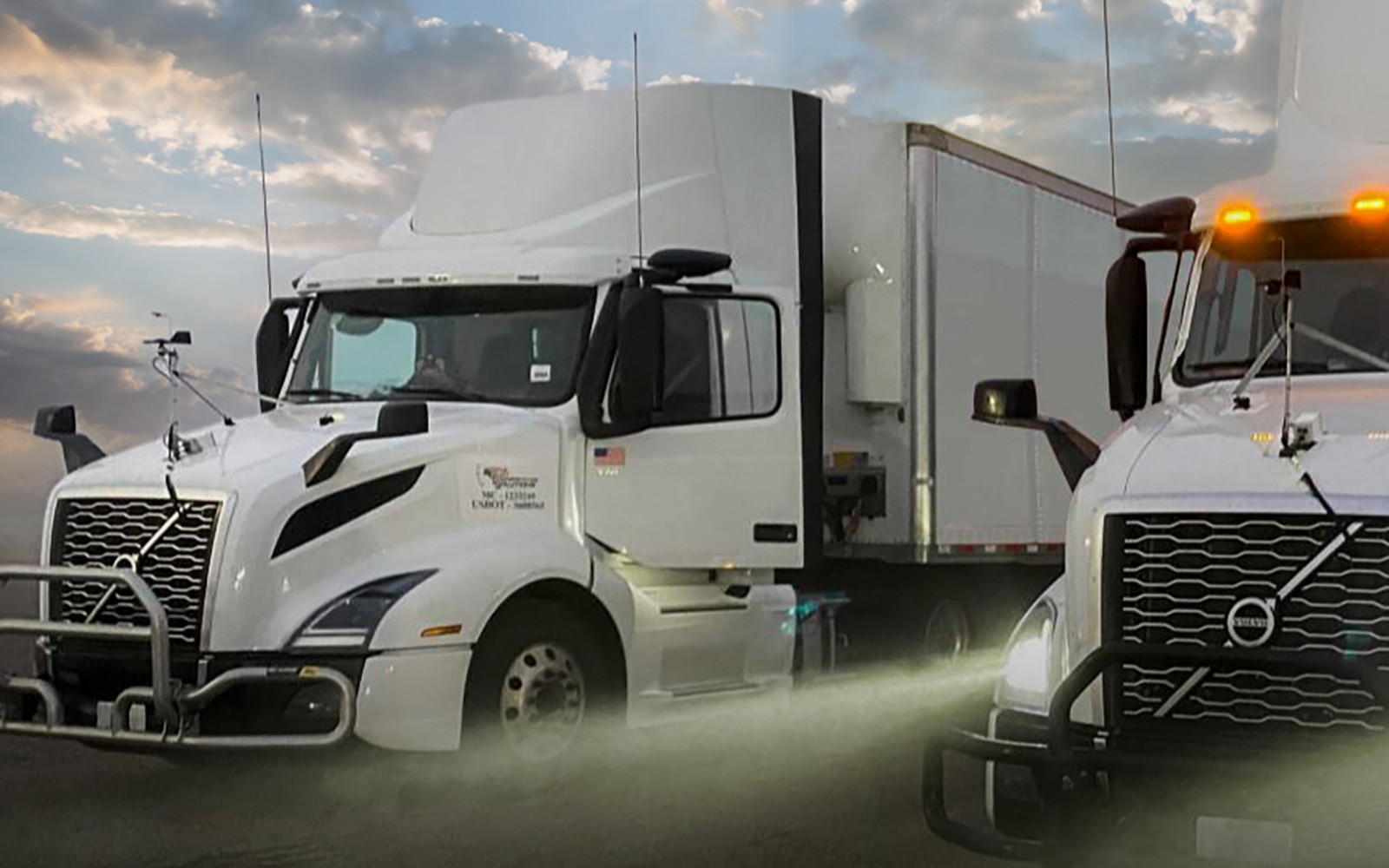
Operators running active fleet rotation programs, such as carriers cycling sleeper tractors every three to four years or refrigerated truck fleets upgrading for fuel efficiency, get the most value out of this structure because each transaction does not require a new lender relationship.
When a Line of Credit Makes More Sense Than Individual Loans
The line structure earns its overhead for operators in specific situations:
- Auction buyers: Truck auctions at locations like Ritchie Bros. or Iron Planet move fast. Having a pre-approved line means you can bid with confidence, knowing funding is available within days once you win a lot, rather than scrambling to get a new loan approved after the fact.
- Fleets with rolling replacement cycles: If you retire two or three trucks per year and replace them on a rotating schedule, a line lets you manage those transactions from a single facility instead of opening a new loan relationship for each replacement.
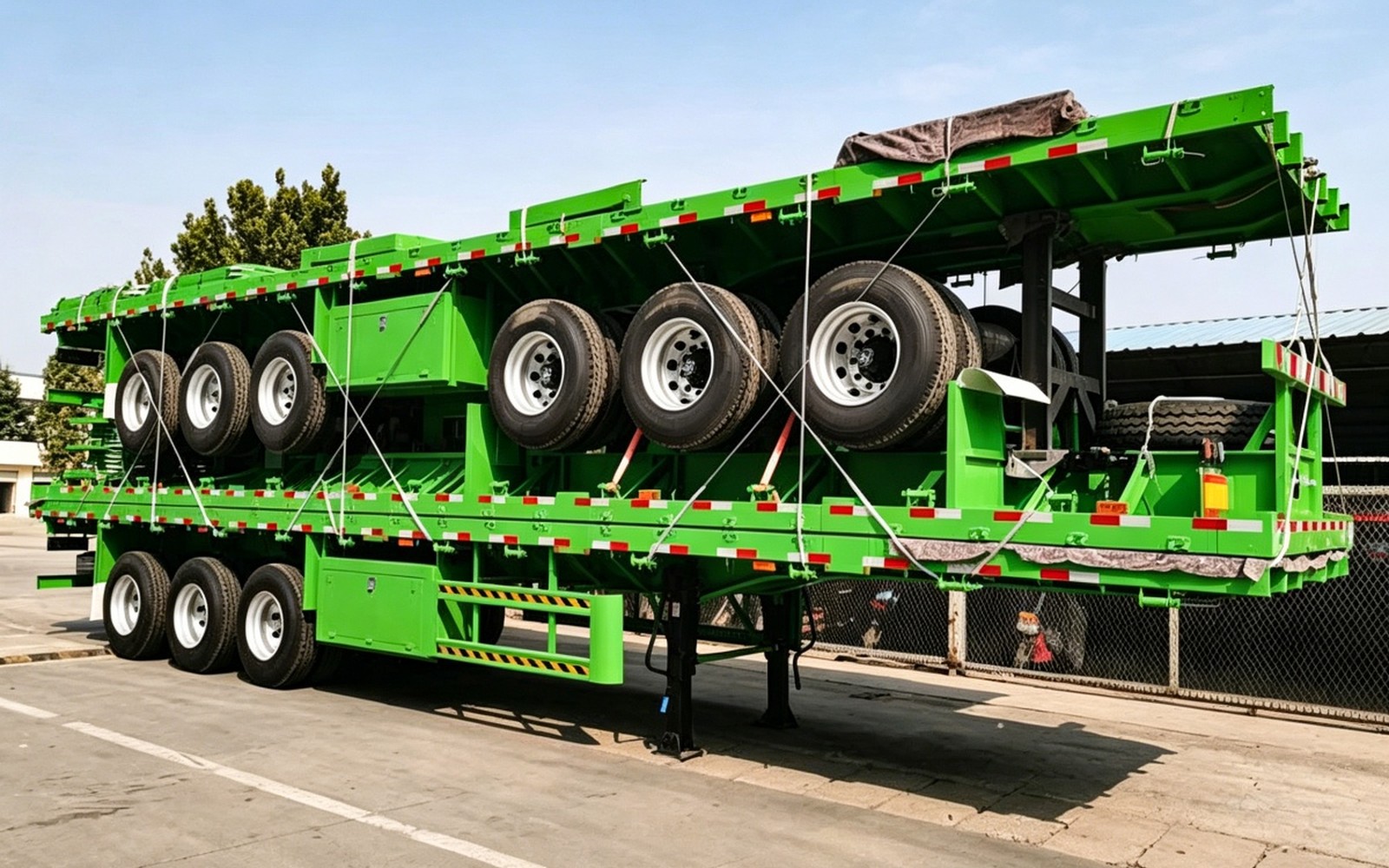
- Operations adding to existing fleets: Carriers who have won a new contract and need to add dry van trailers or day cab tractors incrementally as the contract ramps up do not want to apply for financing in stages. A line covers the additions as they are needed.
- Multi-branch operations: Businesses with equipment in several locations managing a fleet across those sites benefit from consolidated credit visibility rather than separate financing for each location's trucks.
The line structure adds overhead (a facility fee, ongoing reporting obligations, and periodic credit reviews) that does not make sense for one-time or infrequent purchases. For those, a standard fleet financing loan is cleaner and less expensive to administer.
Pricing and Credit Requirements
Lines of credit carry variable or fixed rates depending on the lender and market conditions at the time of establishment. The rate on each draw may be the same as when the line was established, or it may reset to market at the time of the draw, depending on your agreement. This distinction matters if you are establishing a line today with the expectation of drawing heavily over the next 18 months as rates move.
Credit requirements for a facility tend to be higher than for a single-unit purchase, since the lender is committing to multiple future transactions rather than underwriting one. Strong business cash flow, two or more years in business, and a clean payment history on existing obligations are the foundation. B and C credit operators may qualify for smaller facilities, and the line can be structured conservatively to reflect the credit profile.
Facility fees (sometimes called commitment fees) are common on equipment lines and represent the lender's cost of holding capacity for you. These are negotiable and vary by lender and facility size. We discuss these terms explicitly before you commit to a line structure.
If a Line Is Not the Right Fit
For operators making a single fleet acquisition rather than an ongoing program, a straightforward fleet financing loan covers multiple units in one transaction without the facility overhead. If your goal is to unlock capital already sitting in your existing trucks, a fleet sale-leaseback or a cash-out refinance addresses that without creating a revolving facility.
Fleets in specific industries like waste hauling or food distribution, where equipment is replaced on defined schedules tied to contract renewals, are often good candidates for an equipment line because those replacement cycles are predictable enough to justify the setup cost of a facility.
Set Up a Fleet Line Before You Need It
The time to establish a credit facility is before an acquisition opportunity lands on your desk, not after. Tell us about your fleet, your annual acquisition pace, and your business profile. We will structure a facility that gives you the flexibility to move when the right equipment comes available.