Peak moving season arrives the same months every year. Late May through August accounts for the majority of annual residential move volume, and a moving company that reaches that window short on trucks either turns away profitable moves or patches the gap with expensive rental units that eat directly into margin. The fleet decisions made in February and March determine whether peak season is profitable or just busy.
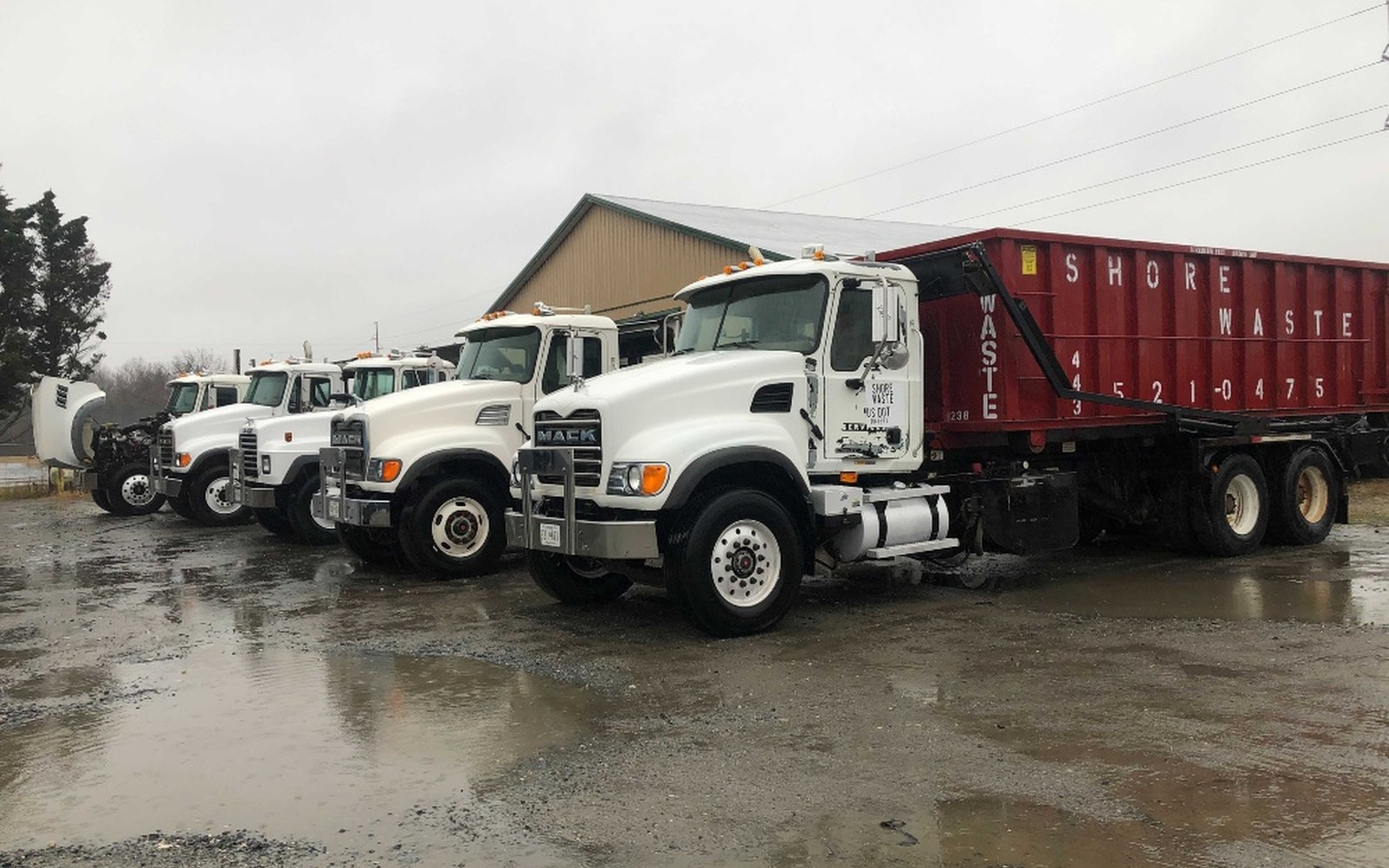
We finance moving company truck fleets across all service categories. Box truck fleets for residential local and long-distance moving, straight trucks in 26-foot and 28-foot configurations for furniture and household goods transport, dry van trailer combinations for interstate van-line operations, and specialty vehicles like lift-gate equipped units for heavy furniture and appliance delivery. We finance the trucks that do the work, not a theoretical version of the business.
Moving company fleet transactions start at $50,000. A single 26-foot box truck runs $50,000 to $90,000 depending on age and spec. Multi-truck fleet additions for the peak season run $150,000 to $400,000 and are common transactions in our program. Application-only approval is available to approximately $400,000 for qualified operators. Three months of business bank statements is the documentation foundation at that level.
Moving Company Operators We Finance
Independent local movers operating three to eight box trucks who want to add units for peak season without the overhead of long-term rental. Regional agents affiliated with national van-line networks like United Van Lines, Allied Van Lines, or Atlas Van Lines who need to add capacity to meet booking volume. Long-distance moving companies running interstate jobs on their own authority who need additional straight truck or tractor-trailer capacity for the heavy moving months.
Commercial moving specialists who handle office relocations, data center moves, and industrial equipment transport have a different fleet profile than residential movers. Their equipment tends to run larger, heavier-spec units with air-ride suspensions for sensitive cargo. We finance those as well.
Moving companies that also do storage, operating climate-controlled or standard storage facilities alongside their truck operations, sometimes use fleet financing to add trucks while separately managing the real estate side of the business. We focus on the truck fleet side; the storage operation is relevant to us primarily as it contributes to overall business revenue and cash flow stability.
Operators in their first or second year of business have access to our startup fleet financing program. Down payment requirements are higher and the approval criteria are stricter, but financing is available for operators who can document their operating authority, insurance, and early revenue.
Moving Equipment: Body Types and Spec Considerations
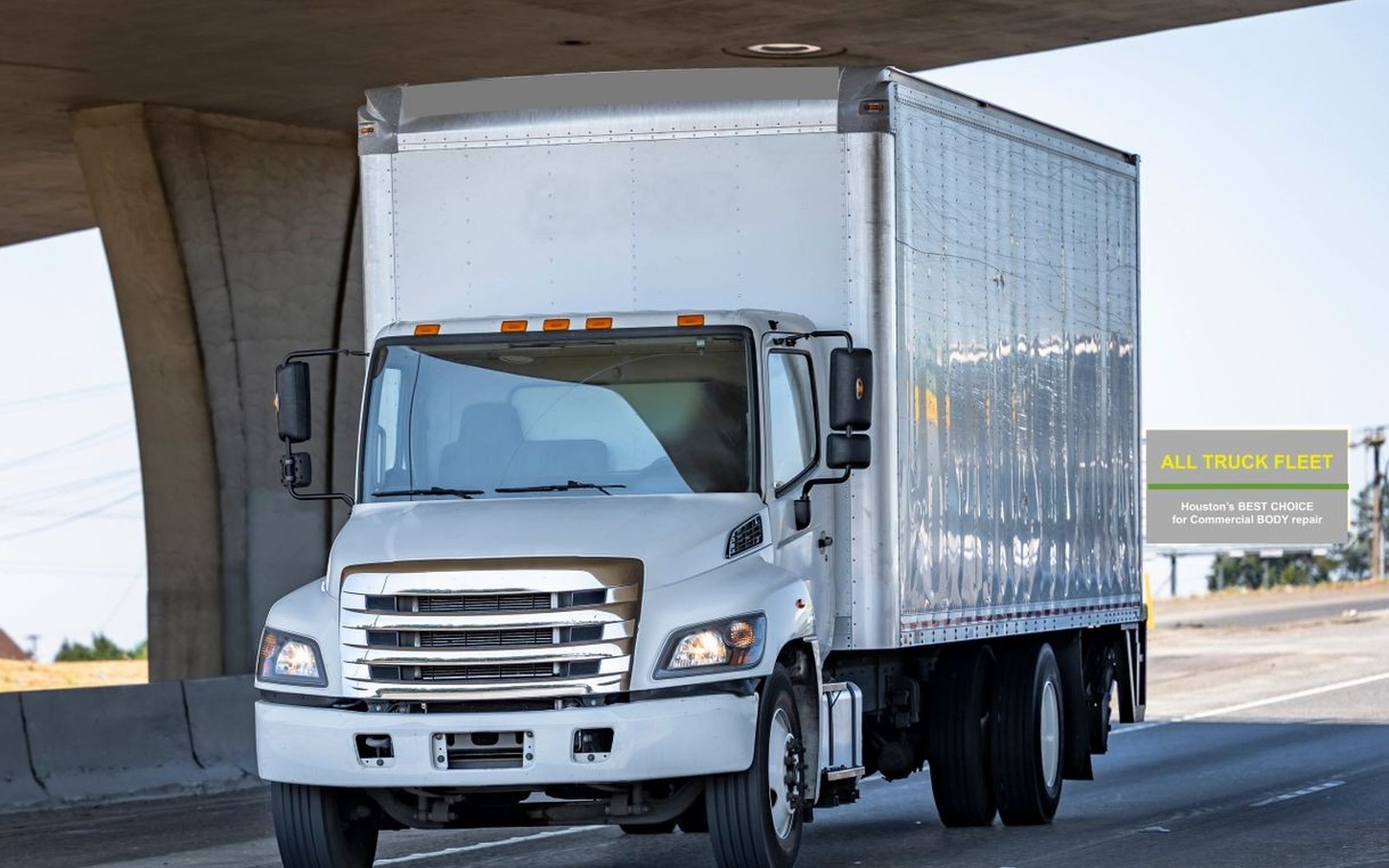
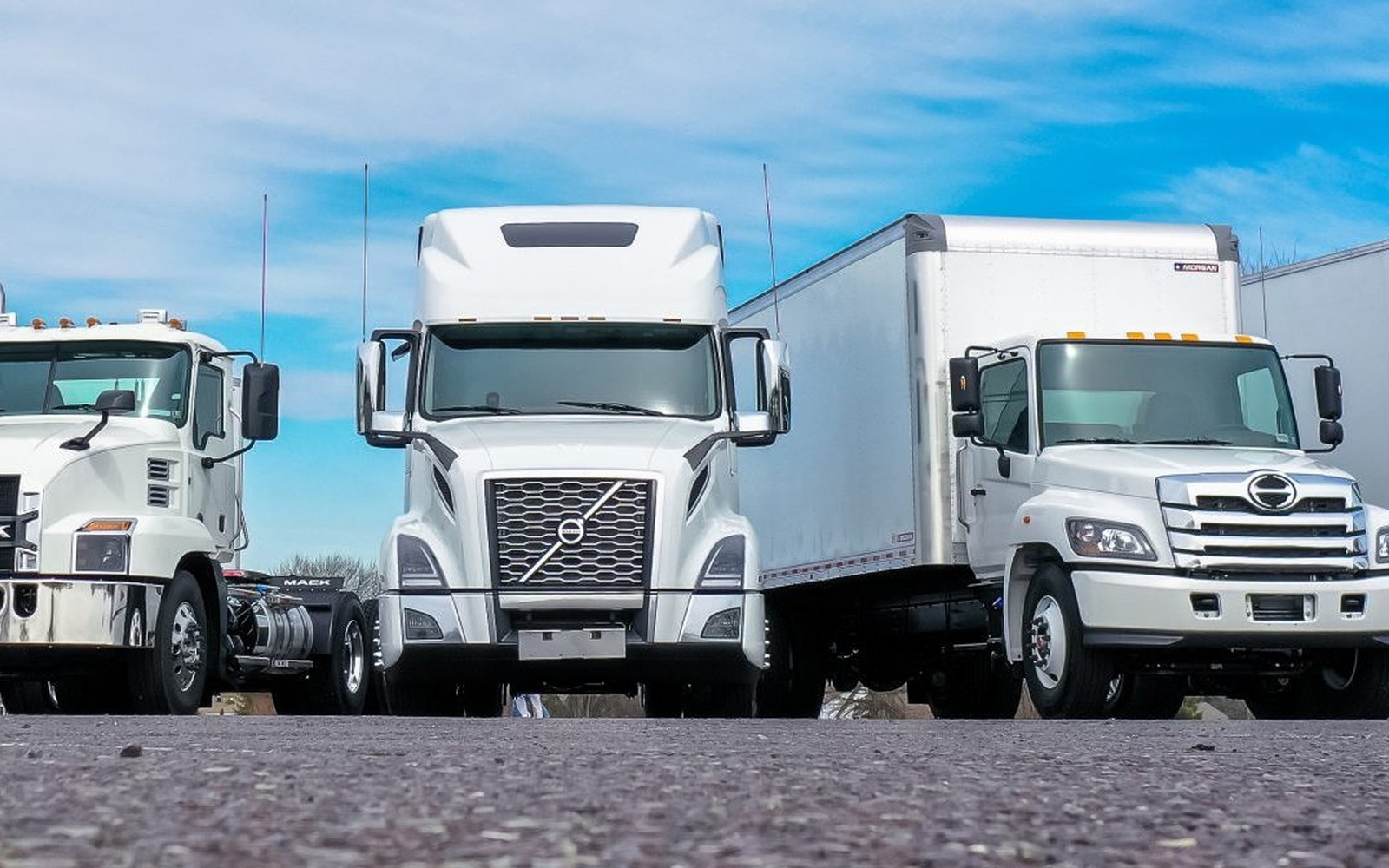
The 26-foot box truck is the most common unit in residential moving fleets. It offers the capacity to handle the contents of a typical two to three bedroom home in a single load, fits within the CDL-exemption weight thresholds in most states when loaded within limits, and can navigate most residential streets and apartment complex access points. Used 26-foot units from rental fleet disposals, particularly Penske, Ryder, and U-Haul fleet disposals, are a common purchase source for growing moving companies and are well-represented in our used truck program.
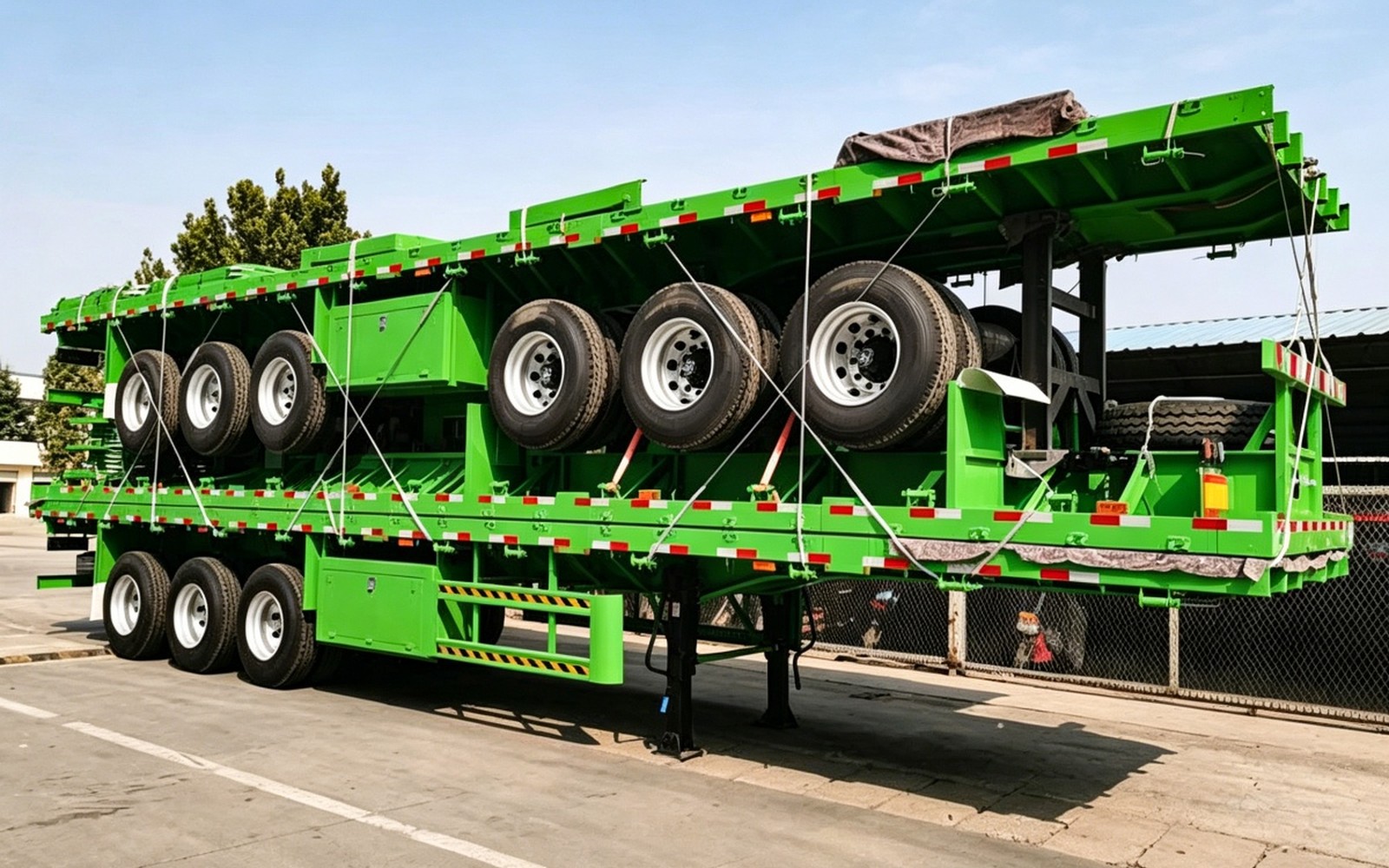
Larger moving companies running interstate van-line agency work or independent long-distance authority use tractor-trailer combinations. A 48-foot or 53-foot dry van trailer with a capable tractor is the standard configuration for full-truck interstate moves. These are larger transactions and often involve sleeper tractor financing for the drivers who run multi-day long-haul moves.
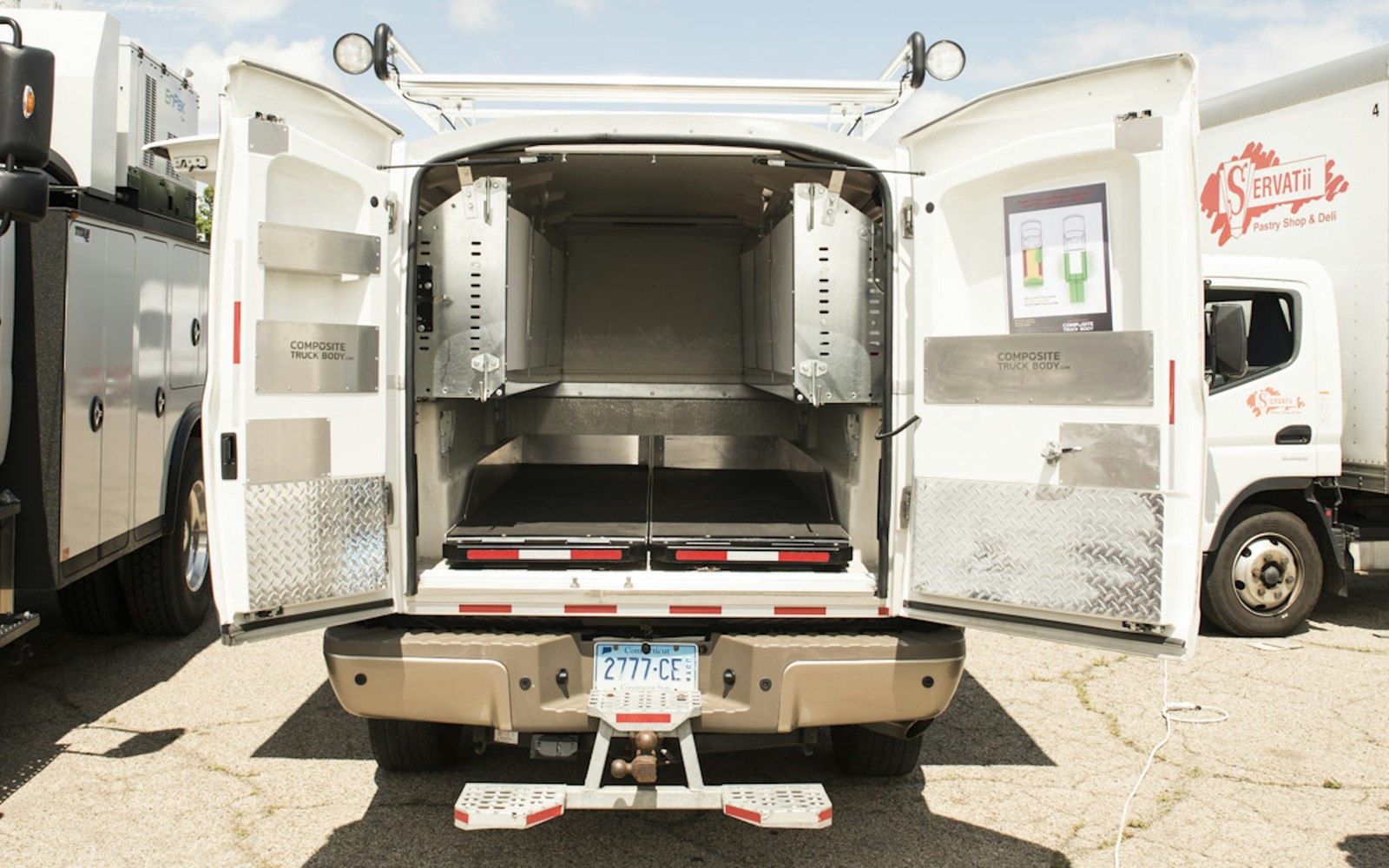
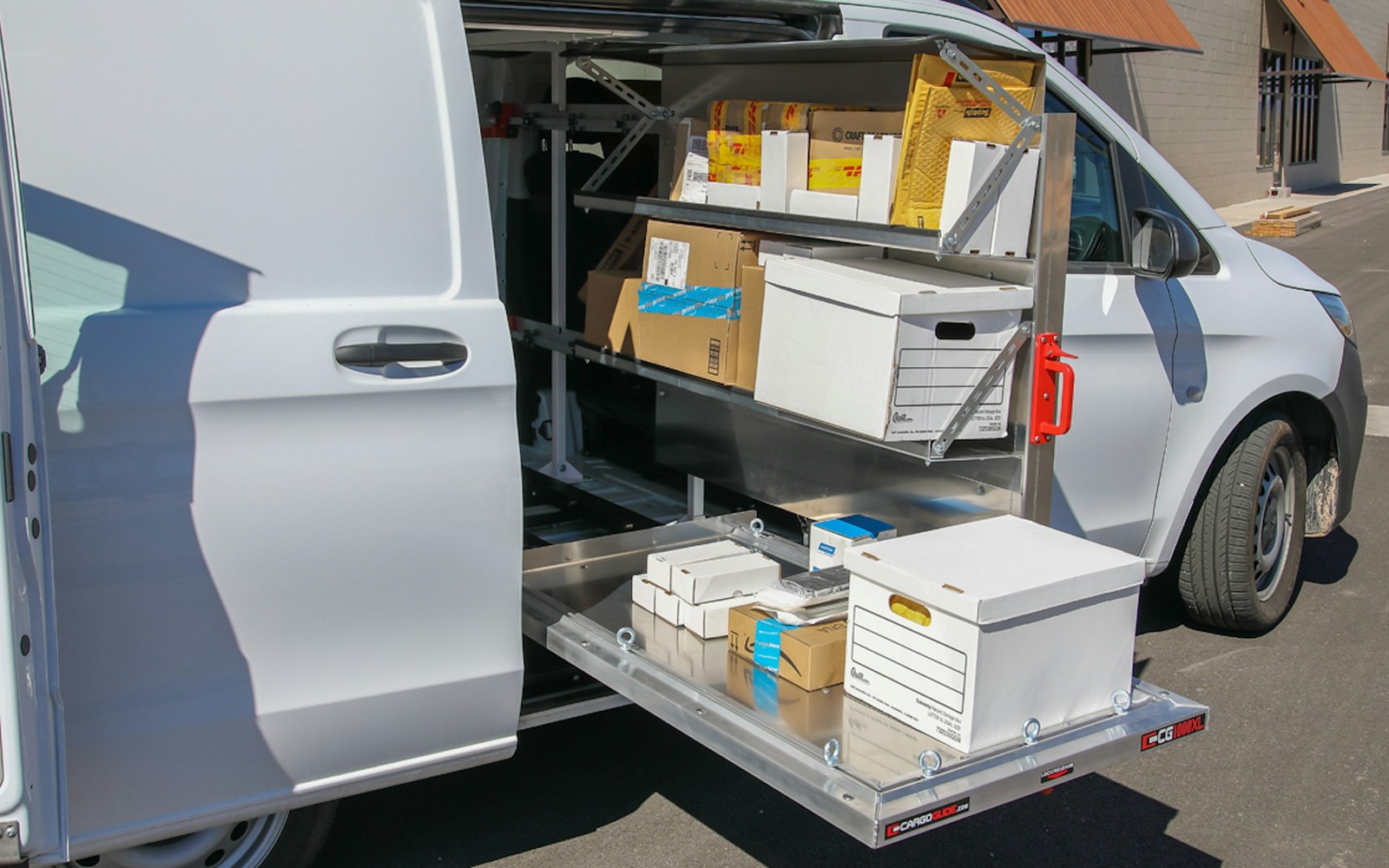
Lift-gate equipped units are standard in many moving operations. The hydraulic lift gate reduces injury risk and labor time when moving heavy furniture or appliances. Lift gates add to the asset value and we make sure lenders credit them in the collateral valuation. Some moving companies also run cargo van fleets or Sprinter van fleets for studio and one-bedroom residential moves or small office relocations.
Financing Terms and Seasonal Considerations
Moving company trucks are typically financed on 36 to 60 month terms. The useful life of a 26-foot box truck in a moving operation depends heavily on care and annual mileage. Local moving operations accumulate miles more slowly than regional movers, so a well-maintained local moving box truck can have a longer productive life than the same unit used for cross-country moves.
Seasonal cash flow is a real factor in moving company financing. The winter months, January through March, are slow for most residential movers. A payment structure that accounts for that reality can make a truck addition more financially manageable. Seasonal payment programs let you adjust payments to align with your revenue cycle rather than paying full freight through the slow months.
For moving companies with existing truck loans that were originated at different times and rates, a fleet refinance consolidates them into a single payment and potentially a better rate. This simplifies cash management and can meaningfully reduce monthly outflows during the off-season. We run the comparison before recommending the consolidation so you see the actual benefit before committing.