Courier operations run on density and speed. Every vehicle in the fleet earns by the stop, and a van sitting for maintenance or waiting on a financing approval is a van burning overhead instead of building revenue. Fleet managers in courier and same-day delivery understand the math better than most: utilization drives everything, and the acquisition cycle needs to match the growth cycle, not lag behind it.
We finance cargo vans, sprinter vans, box trucks, and straight trucks used in courier, medical courier, same-day delivery, and dedicated transport operations. Transactions start at $50,000, with a practical sweet spot running about $100k to $150k per unit or multi-unit batch. Application-only approval is available up to roughly $400,000, and B or C credit backgrounds are considered. Funding typically reaches the account within one to two weeks of completing documentation.
The Equipment Courier Fleets Actually Run
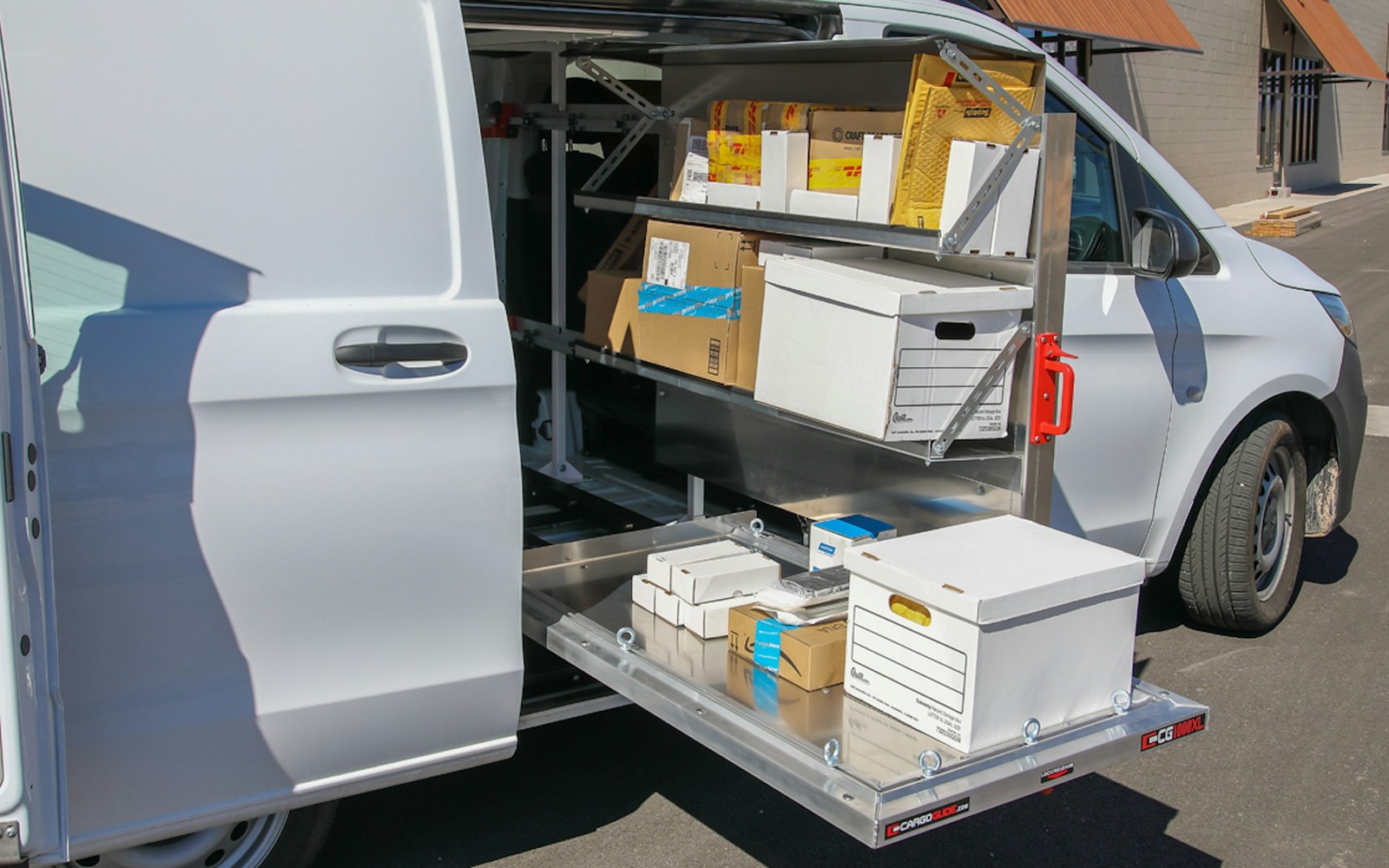
The backbone of most courier operations is the full-size cargo van or high-roof sprinter, depending on volume and route density. Ford Transit high-roofs and Ram ProMaster 2500s dominate the cargo van category for metropolitan same-day work, while Mercedes-Benz Sprinter and Ford Transit in the extended wheelbase configuration handle higher-volume pharmaceutical, lab specimen, and medical courier routes where payload and organization matter.
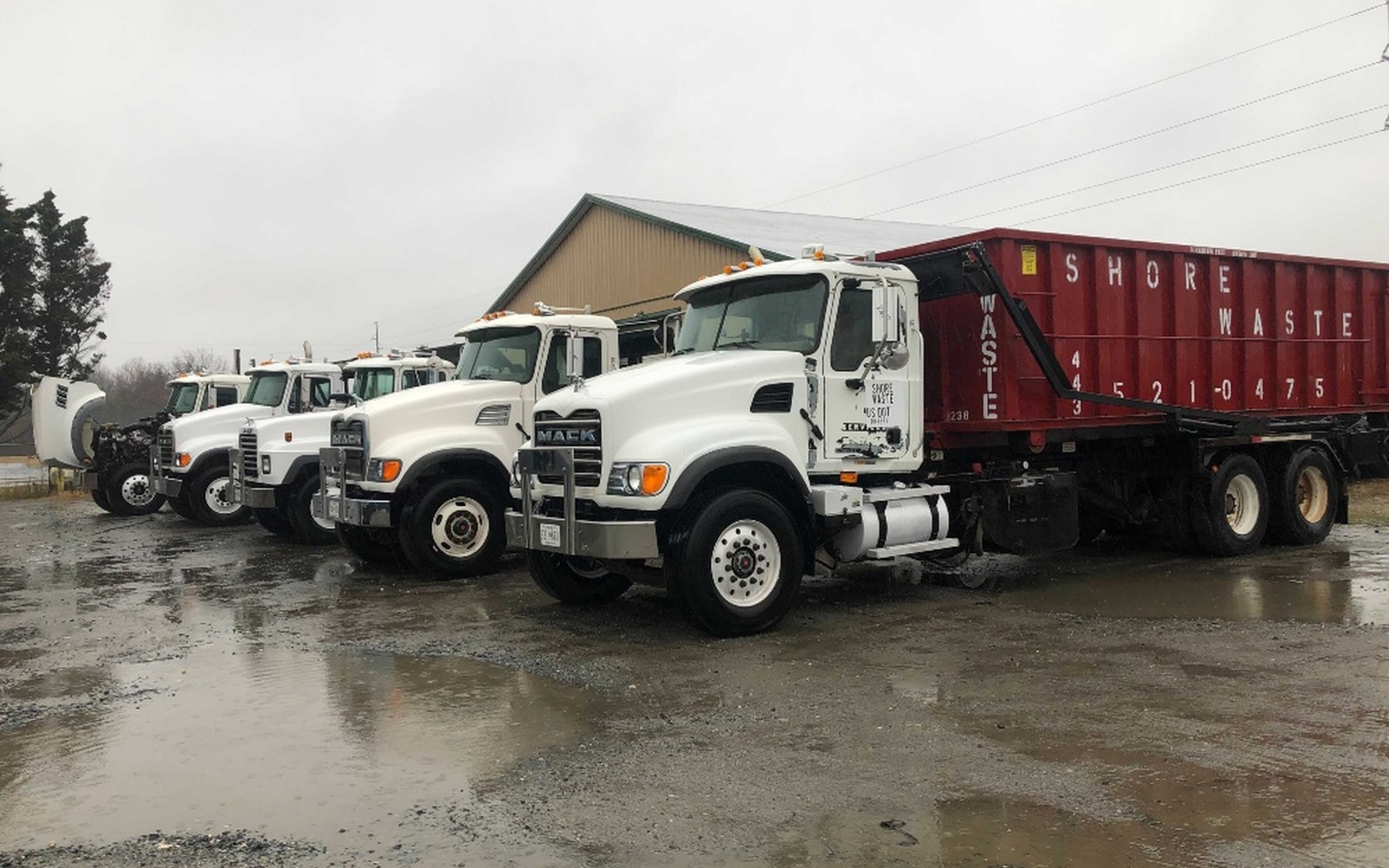
For couriers who have grown beyond vans into dedicated freight corridors, the Class 4 to Class 6 straight truck becomes the logical step. A 16- or 24-foot box truck lets a courier expand from parcel to pallet freight without pulling a trailer. These units typically spec out at $80,000 to $140,000 depending on chassis and box configuration, putting them squarely in our financing range.
Medical courier fleets have some of the most specific requirements in the industry: temperature-controlled compartments, secure specimen lockboxes, and vehicles that meet hospital access standards. The upfit cost on a medical courier van can add $15,000 to $30,000 to the base vehicle price. We structure those upfit costs into the financing so the operator does not need to fund them separately. Sprinter van fleet financing covers the full upfitted unit.
How the Financing Process Works
Courier companies often grow by contract wins, not by slow organic volume increases. A hospital network awards a dedicated specimen transport contract, a large employer hires out dedicated shuttle service, or a fulfillment center adds a dedicated last-mile route. Each of those wins has a go-live date, and the fleet acquisition has to track it.
Our process is set up for that kind of deadline pressure. Submit the credit application and three months of bank statements, and most deals have a credit decision within 24 to 48 hours. Documents go out for signatures, the vendor gets funded, and the fleet is on the road. For operators with strong credit and an established relationship with a dealer, closings in under a week are realistic.
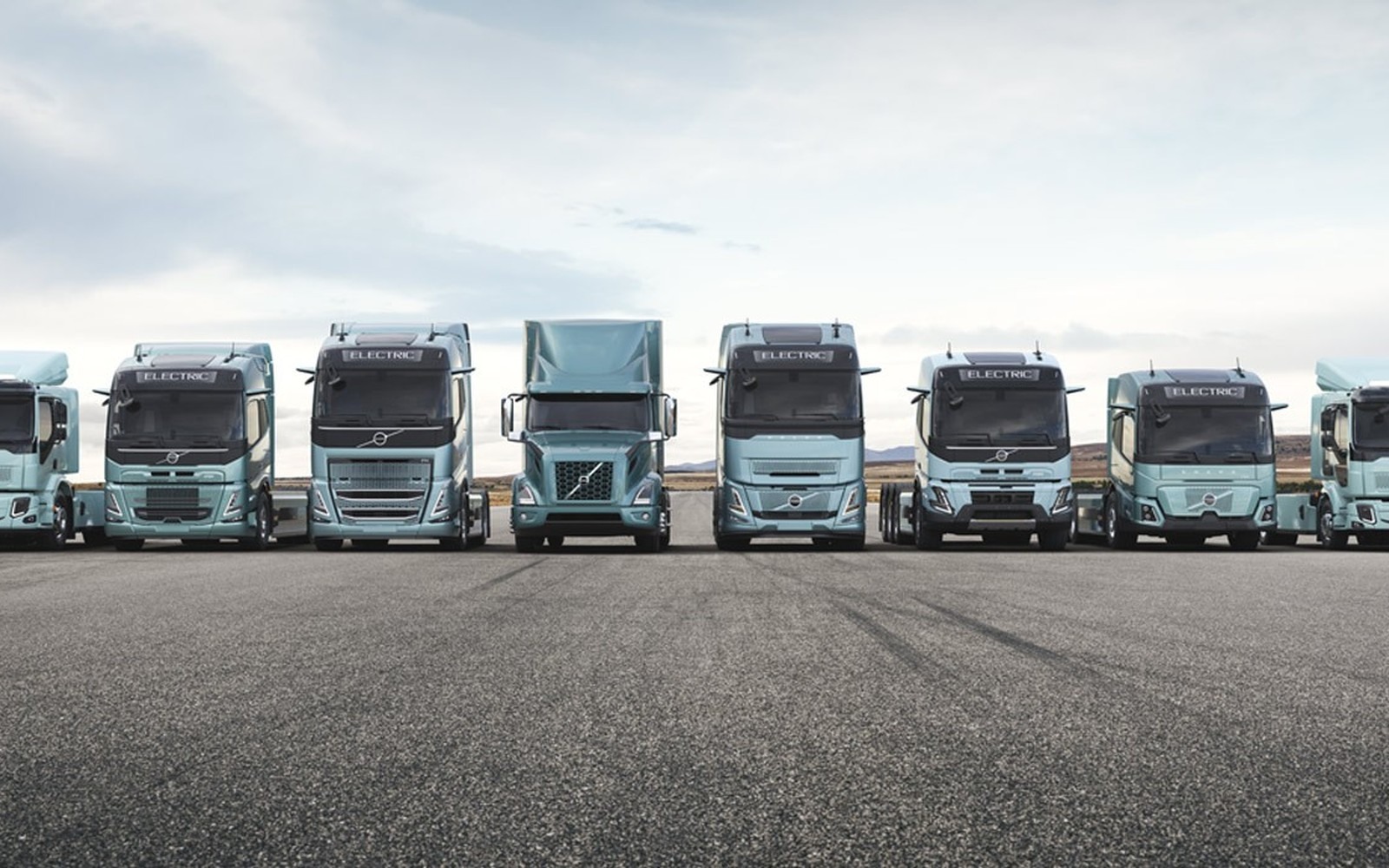
Multi-van acquisitions, where the operator is adding four or five units at once to serve a new contract, close as a single transaction rather than five separate deals. That keeps the paperwork manageable and locks in terms across the batch. Operators who prefer to draw vehicles down over time as routes are launched can use a fleet equipment line of credit that pre-approves the capacity and lets individual draws happen as each vehicle is purchased.
New Vans Versus Quality Used Units
New sprinter and cargo van inventory has returned to more normal availability after the supply disruptions of the early 2020s, but lead times from dealer stock still vary. Operators who need a van in two weeks often turn to quality used units, and our financing covers both without a meaningful process difference.
A three- to four-year-old Transit or ProMaster with under 60,000 miles and a clean service history is a solid fleet asset. Used unit pricing typically runs $25,000 to $55,000 for a well-maintained high-roof cargo van, compared to $55,000 to $75,000 for a new unit. The financing terms on used equipment are similar to new, though lenders may ask for a slightly larger down payment on higher-mileage units. Used commercial vehicle financing for couriers is a regular part of our deal flow.
For larger straight trucks in the courier mix, used Class 5 box trucks in the five- to eight-year range often represent better value than new, particularly for operators who are testing a new route corridor before committing to a full fleet build-out. Financing a $75,000 used unit to validate a lane makes more sense than buying new at $120,000 before the route economics are confirmed.
Term Structures That Match the Business
Standard loan terms for courier vehicles run 48 to 72 months, with 60 months being the most common for mid-range transactions. Shorter terms keep total interest cost lower; longer terms reduce the monthly outlay and preserve cash flow for operations. For a fleet adding multiple units at once, the monthly payment structure matters as much as the rate, because cash flow management across five new payments hitting simultaneously requires planning.
Operators who want to keep the vehicles off the balance sheet or preserve borrowing capacity elsewhere may prefer a TRAC lease structure, which converts the transaction into an operating arrangement with a defined residual at end of term. Couriers with corporate accounts that require vendor financial statements sometimes prefer lease treatment because it changes how the obligation appears on the books.
For growing courier companies in major freight and logistics corridors, cities like Chicago and Atlanta see consistent demand for courier fleet financing as the last-mile logistics market continues expanding. Regional contract awards, particularly from healthcare and pharmaceutical distributors, are driving fleet growth in those markets faster than other segments.