Waste hauling runs on contracts. A municipal collection agreement, a commercial route account, or a roll-off contract with a demolition company are the revenue anchors that make this business highly predictable once you have the accounts. The problem is that the contracts often require specific equipment specs, minimum truck counts, or backup vehicle commitments, and a fleet that cannot meet those requirements on day one loses the bid or loses the account.
We finance waste hauling fleets for private collection operators, roll-off companies, vacuum and liquid waste haulers, and transfer vehicle operators. The core assets are garbage truck fleets, which include rear-loader, side-loader, and front-loader configurations used in municipal and commercial collection, and roll-off truck fleets used in construction debris, demolition, and commercial waste removal. We also finance vacuum trucks for liquid waste, grease trap service, and industrial cleaning applications.
Waste hauling deals start at $50,000. Multi-unit fleet additions, full contract fleet builds, and replacement programs for aging routes trucks are all common transaction structures. Application-only approval is available to approximately $400,000 for established haulers with clean payment history. The documentation standard at that level is three months of business bank statements and a credit application.
Operators We Work With
Private waste collection companies adding a route truck to cover a new commercial or residential account. Roll-off operators expanding container capacity and truck count ahead of a construction-season uptick. Vacuum truck operators adding a unit to handle grease trap or septic volume growth. Transfer station operators that need hook-lift or packer trucks to move material from smaller containers to transfer trailers.
Operators pursuing their first municipal collection contract face a particular challenge: the contract often requires proof of fleet capability before the bid is accepted, which means the equipment needs to be committed before the revenue is guaranteed. We understand this sequencing problem and have structured deals where the financing commitment precedes the formal contract award, giving an operator the ability to show fleet compliance during the bid evaluation.
Haulers working through a difficult credit period, including those with a prior bankruptcy discharged at least a year ago, can access our B and C credit fleet financing program. The route account revenue and the contract value are meaningful inputs for lenders when evaluating waste hauling operators whose credit history does not reflect current business performance.
Waste Hauling Equipment: Financing the Specialized Units
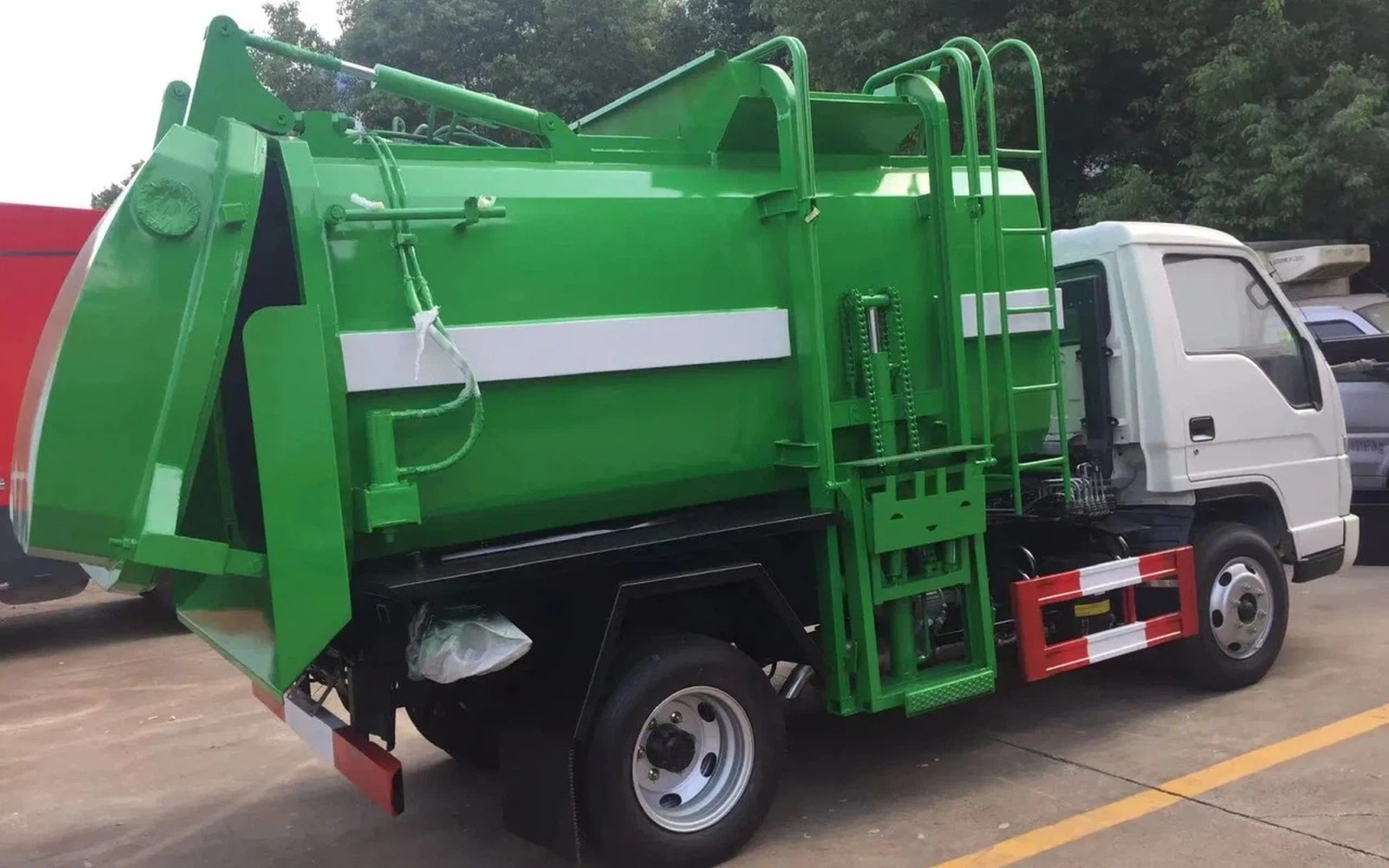
Garbage trucks are one of the more specialized collateral categories in fleet financing. A rear-loader packer, a side-loader with automated arm collection, and a front-loader serving commercial dumpsters are all distinctly different assets. Each has a different chassis spec, body manufacturer, hydraulic system, and secondary market value. Lenders that work with waste haulers understand these differences; lenders that do not are slower to approve and often misprice the risk.
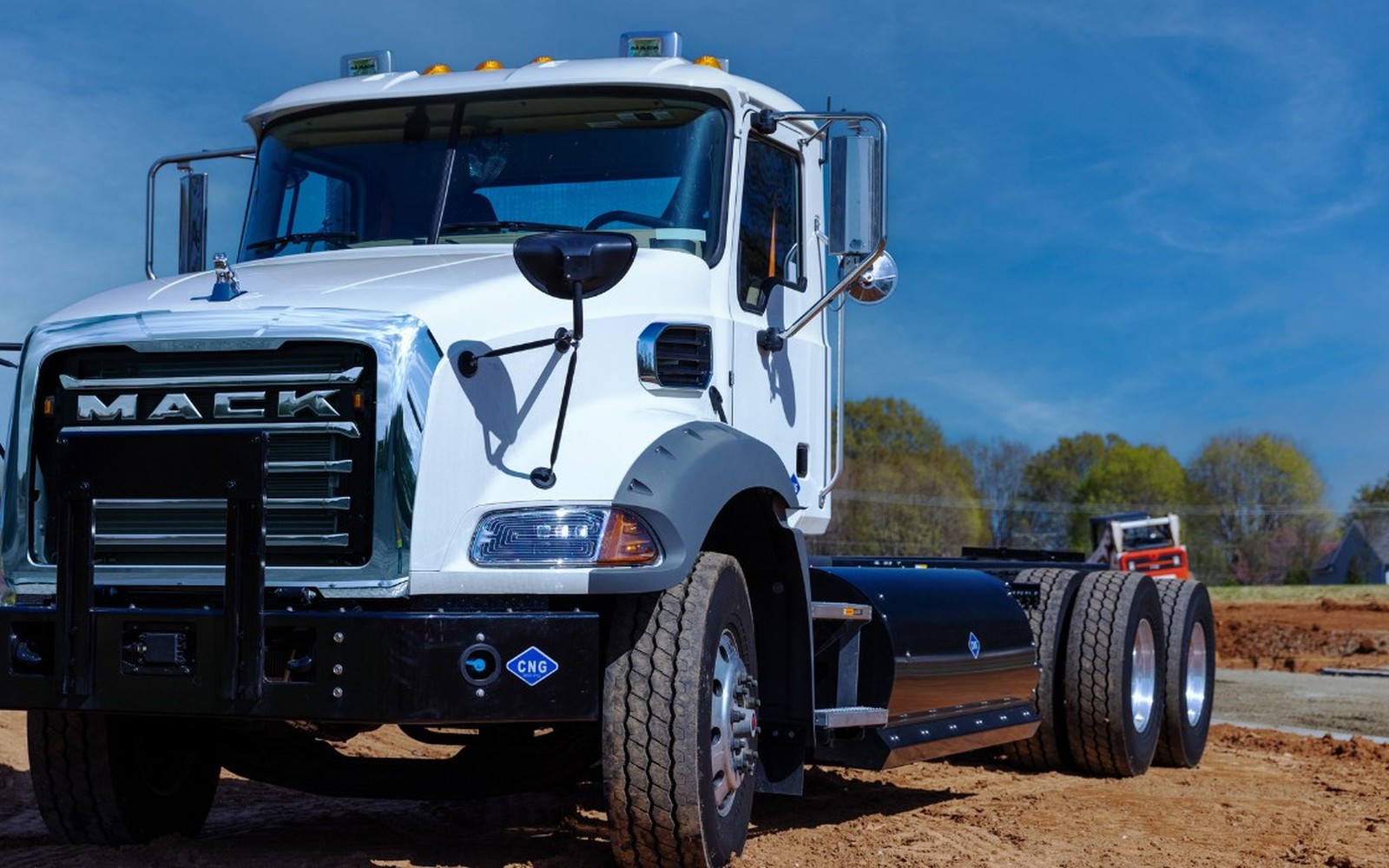
We connect waste hauling operators with lenders who know the asset class. Autocar, Mack, and International are the dominant chassis brands in the collection truck segment. The Mack TerraPro and LR models are widely used in municipal and commercial collection. Autocar builds purpose-built vocational trucks specifically for the waste hauling industry, including the Autocar ACMD for automated side-loader applications. We finance all of these platforms.
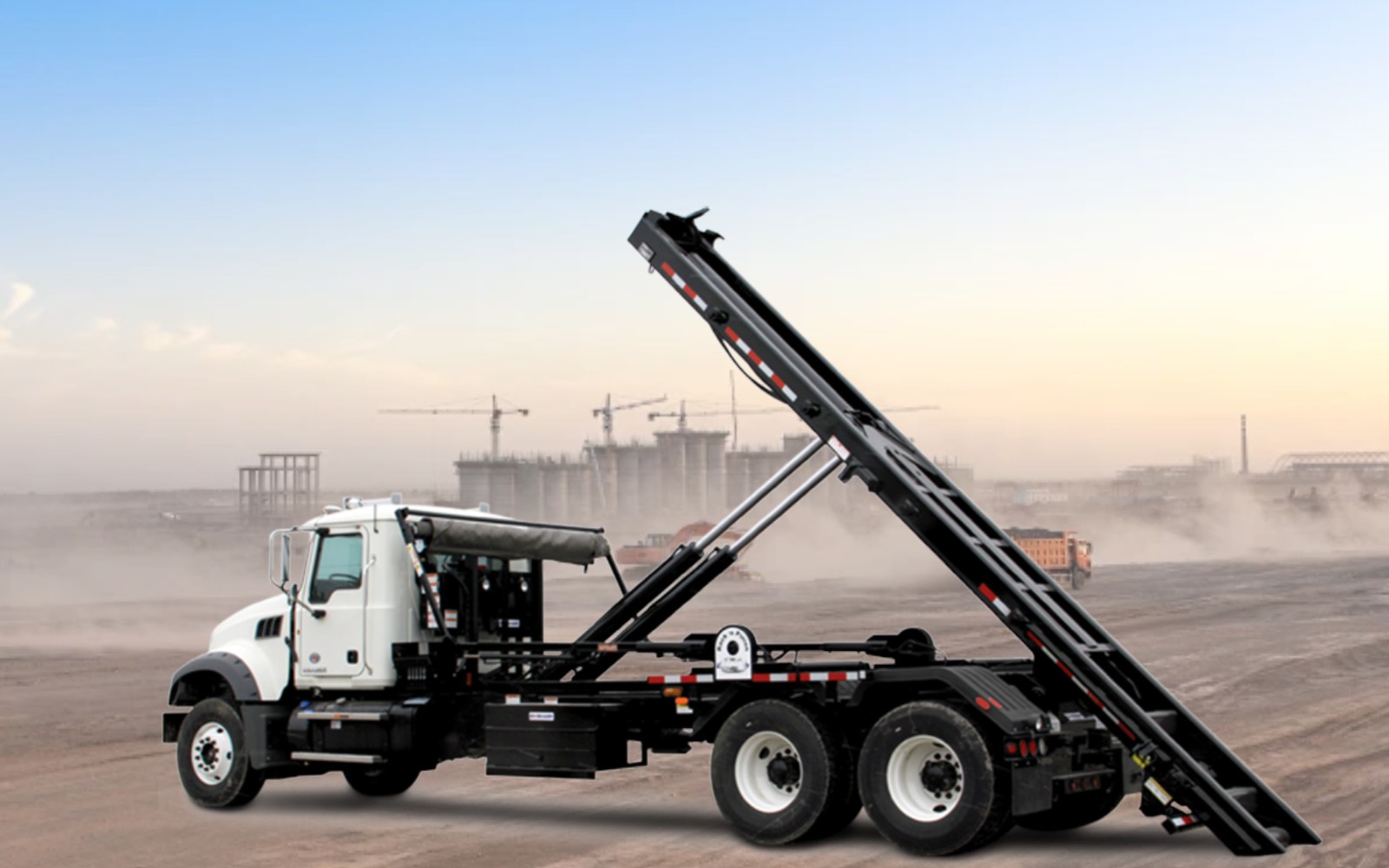
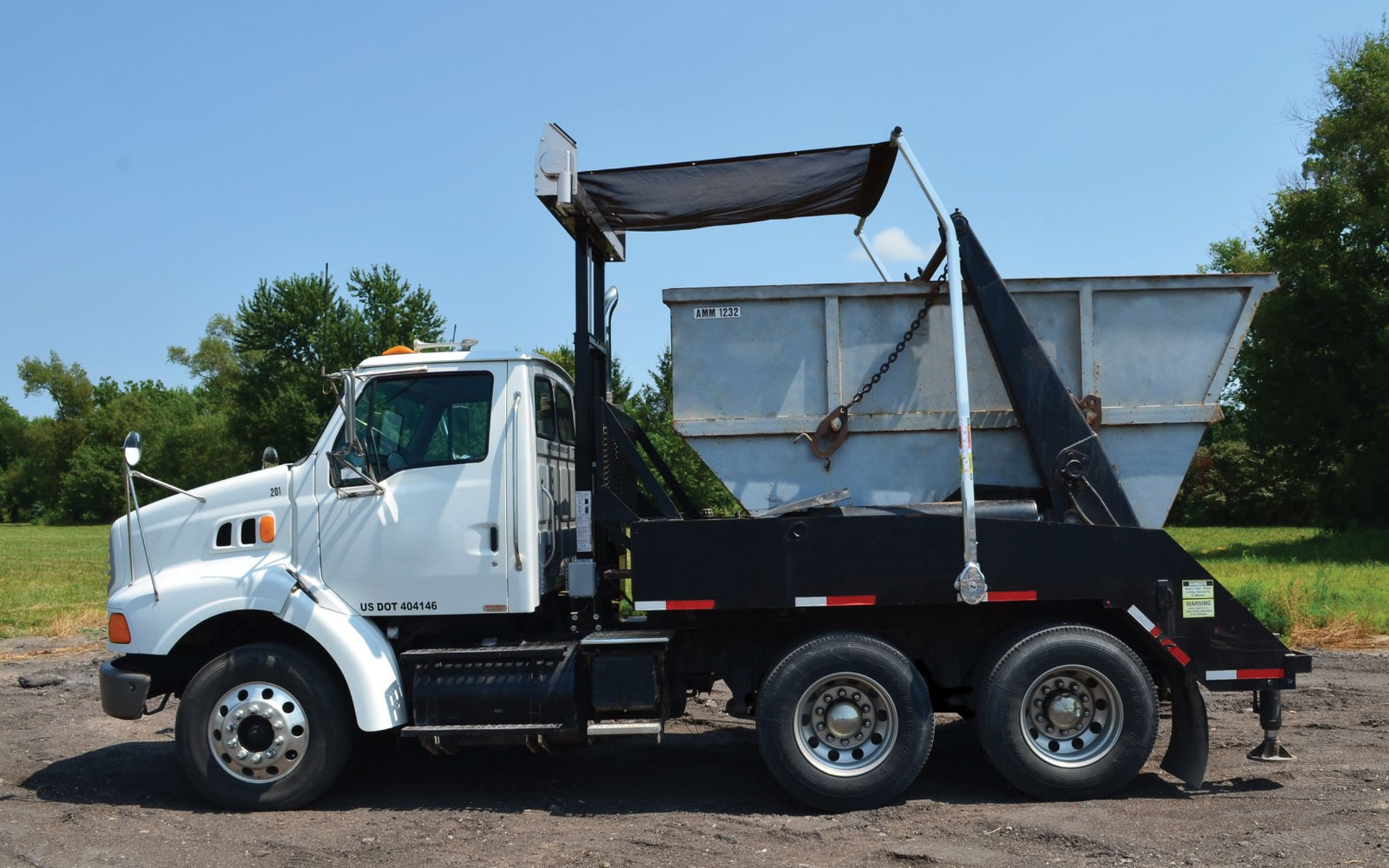
Roll-off trucks are generally Class 8 hook-lift units. The hoist and hook system are part of the collateral and add meaningful value to the asset. Container counts are a separate consideration; we can structure financing to cover both the trucks and the roll-off container fleet if that is part of the operator's growth plan.
Vacuum trucks for liquid waste removal are a distinct underwriting category. The tank, pump system, and vacuum equipment are specialized components with their own service life. A properly maintained vacuum truck retains value well because the installed equipment cost is high. We place vacuum truck financing with lenders who value the full unit, not just the chassis.
Refinance and Sale-Leaseback for Waste Fleet Operators
A waste hauling fleet that has been built up over many years often carries a mix of paid-off units, units with remaining loan balances, and aging trucks that need replacement. A fleet refinance can consolidate those existing balances into a single payment structure, potentially at a lower rate, and simplify the monthly cash management for the operation.
For operators with equity in paid-off collection trucks, a cash-out refinance or sale-leaseback converts that equity to working capital. Waste hauling businesses often use that capital to fund container purchases, buy out a retiring route competitor's accounts, or cover the up-front costs of a new municipal contract startup. The trucks keep rolling, the money goes to work in the business.
The Section 179 tax deduction applies to financed waste hauling equipment as well. Rear-loaders, side-loaders, roll-off trucks, and vacuum trucks placed in service during the tax year can be eligible for first-year expensing under the current rules. We recommend confirming with your tax advisor, but the deduction is something most waste hauling operators benefit from when financing new units.