Vacuum trucks serve industries where nobody else wants to go, and that specificity is exactly what makes them valuable assets. Liquid waste haulers, industrial cleaning contractors, oilfield tank battery cleaners, and municipal sewer maintenance crews all depend on vacuum trucks to do work that cannot be deferred or subcontracted out of the equation. The companies running these fleets have consistent, contracted revenue and equipment that earns at high per-hour rates. Financing that equipment on terms that reflect its earning power is what we do.
The vacuum truck category splits into several distinct configurations. Standard vacuum tanker trucks carry liquid waste from portable restrooms, grease traps, and industrial sumps. Combination sewer jetter and vacuum units clean and vacuum storm and sanitary sewer lines. Hydrovac trucks use high-pressure water plus vacuum for soft excavation, daylighting buried utilities, and pot-holing without ground disturbance. Industrial vacuum trucks with large-bore suction systems handle heavy sludge, industrial waste, and tank cleaning operations. Each configuration has its own market, its own cost structure, and its own secondary market dynamics.
New hydrovac trucks from manufacturers like Vactor, GapVax, or Aquatech can reach $400,000 to $700,000 for heavy-spec units. Standard combination jetter/vacuum trucks run $200,000 to $350,000 new. Liquid waste tanker vacuum trucks start around $100,000 for basic configurations and push higher with more sophisticated tank and pump systems. We finance across this range, with application-only processing available up to approximately $400,000 and bank statement review supporting larger transactions.
Who Operates Vacuum Trucks and Why the Work Is Stable
Portable restroom service companies are among the most consistent vacuum truck operators. The portable sanitation industry runs on service contracts that produce predictable, recurring revenue on weekly or bi-weekly schedules. A septic and portable restroom company with 50 to 200 route stops per week has a highly predictable cash flow profile that makes it an excellent financing candidate, even when the credit report is not perfect.
Industrial cleaning contractors serving refineries, petrochemical plants, food processing facilities, and manufacturing operations operate at the higher end of the vacuum truck capability spectrum. A hydrovac or large-bore industrial vacuum truck working a shutdown cleaning contract at a refinery generates significant per-day revenue. These operators often need to add capacity before a large contract starts, and the financing decision needs to move faster than the contract ramp-up timeline allows for a slow lender.
Municipal sewer maintenance departments and their private contractor equivalents run combination jetter/vacuum trucks on scheduled maintenance programs for storm and sanitary sewer systems. Cities with aging infrastructure, including large metro areas like Chicago and Houston, have multi-year maintenance contracts in place that provide stable revenue for the contractors serving them. These government and municipal fleet contractors are a core part of our vacuum truck financing business.
Vacuum Truck Configurations and Financing Considerations
The vacuum truck's tank capacity, pump type, and suction configuration are the defining specifications that determine its value and the work it can perform. A standard liquid waste tanker with a 2,500-gallon aluminum tank and a positive displacement pump is a common portable restroom service configuration. A combination jetter/vacuum unit with a 1,200-gallon water tank, a jetter pump rated at 2,000 PSI or higher, and a 1,500-gallon debris body is the standard tool for sewer cleaning. A hydrovac unit with a high-pressure water system and a strong vacuum blower rated at 5,000 CFM or more represents the top of the soft excavation market.
Tank material matters for secondary value. Aluminum tanks are preferred over steel in liquid waste applications because of their corrosion resistance and lower tare weight, which maximizes payload. Fiberglass tanks offer chemical resistance for industrial waste applications. Steel tanks, while less common in new configurations, are durable and repairable. Lenders familiar with this segment know to ask about tank material and condition, because tank integrity determines the truck's operational capability.
Manufacturers like Vactor Manufacturing (a Federal Signal company), GapVax, US Jetting, and Aquatech International are recognized names in the combination and hydrovac space. Equipment from these manufacturers has established service networks and parts availability, which matters both for the operator's uptime and for the lender's confidence in the collateral. We see Vactor and GapVax units most frequently in our financing transactions and are very comfortable with both platforms.
What Your Application Needs to Show
Vacuum truck operators often run smaller businesses with straightforward financial profiles. The portable restroom service company doing $800,000 a year in route revenue may not have a pristine credit profile, but the bank statements tell a clear story of consistent weekly deposits and manageable expenses. We prioritize that operating reality over a credit score in isolation.
For deals under $400,000, application-only processing handles the transaction without requiring tax returns. Operators with clean credit and verifiable time in business often close in this channel efficiently. For deals above the threshold or for operators with credit complexity, three months of bank statements replace or supplement the credit-heavy underwriting with a cash flow view.
B and C credit operators in the liquid waste, industrial cleaning, and sewer maintenance space are common customers and we handle them through our B and C credit fleet financing program. A larger down payment often solves the credit challenge. If cash for a down payment is constrained, a fleet sale-leaseback on existing vacuum equipment can generate the capital needed without requiring outside cash. We have structured this combination many times and it works well for established operators with equity in their existing fleet.
Related Equipment and Fleet Structures
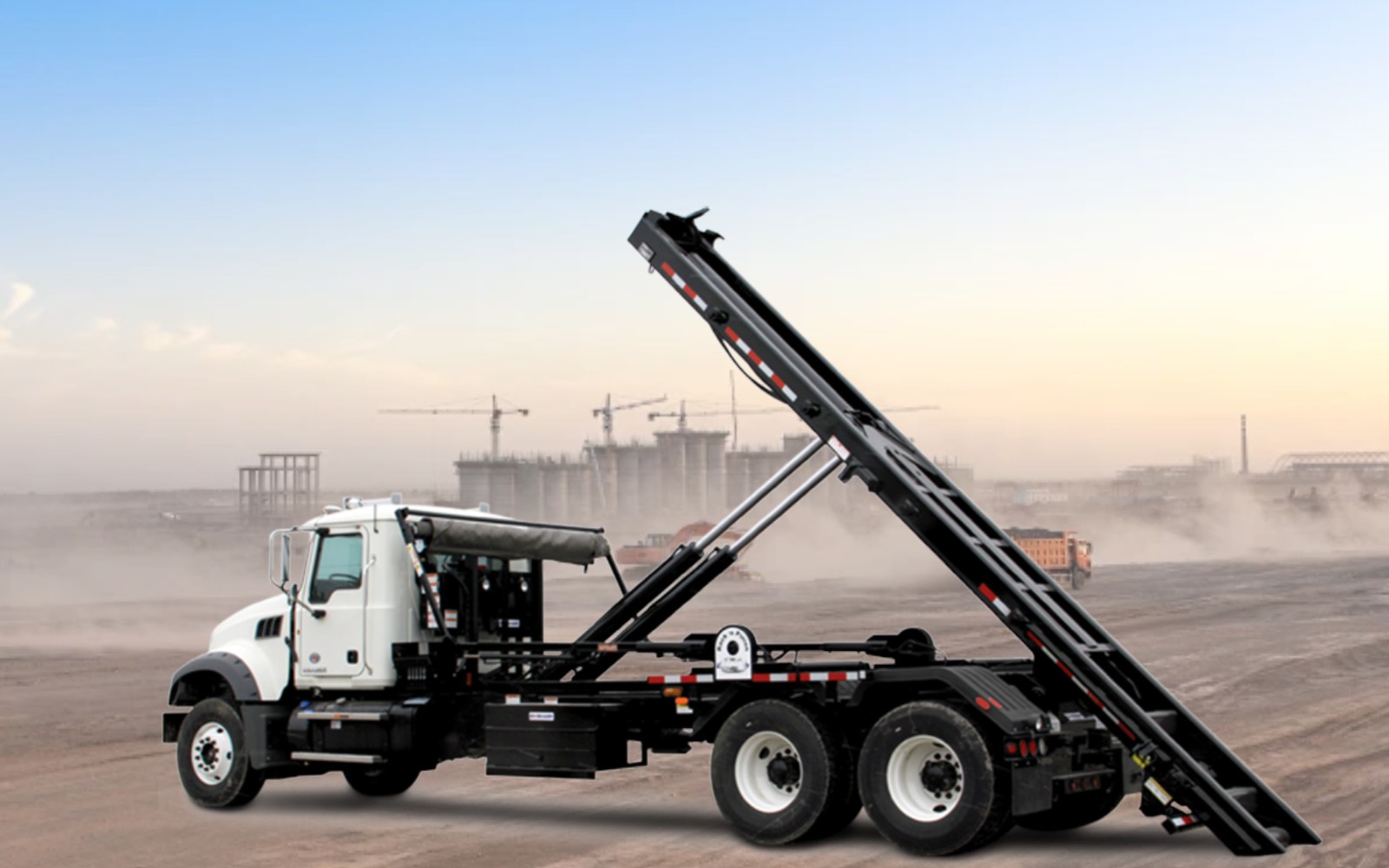
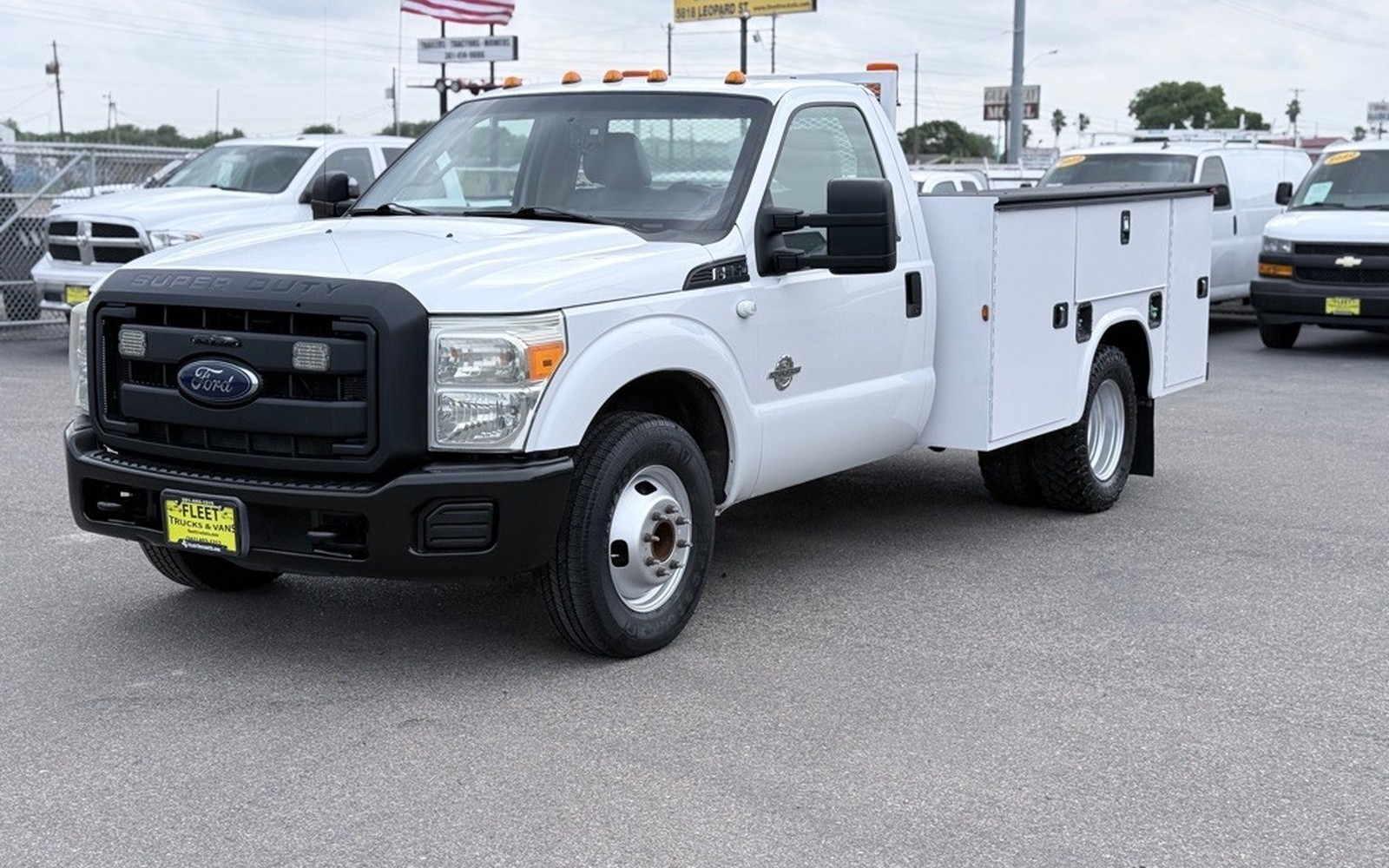
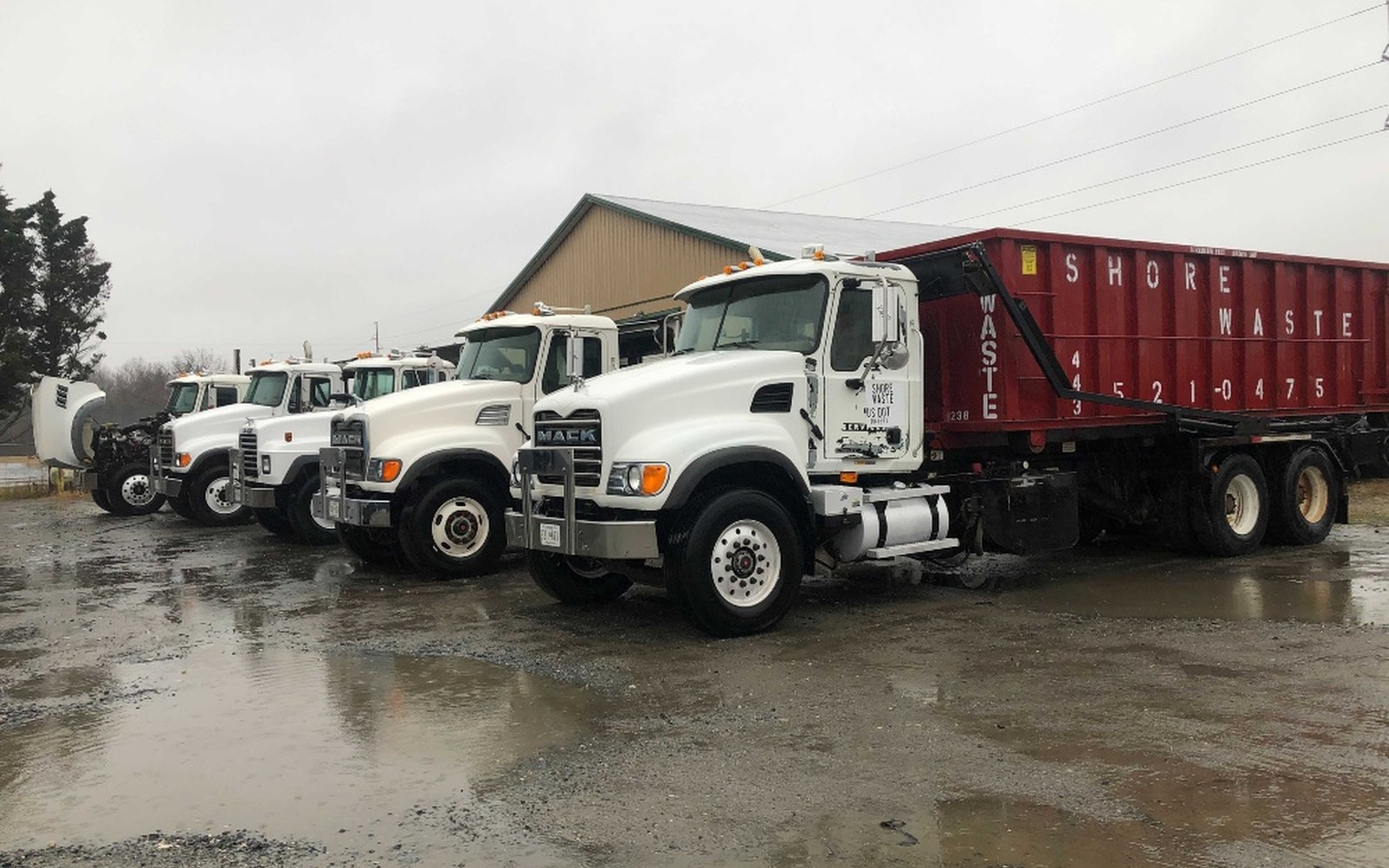
Vacuum truck operators often also need other specialty equipment in their fleet. Roll-off trucks for transporting vacuum debris containers, box trucks for parts and supply delivery, and service trucks for field maintenance on their vacuum units are common adjacent equipment needs. We finance all of these, and bundling them into a single fleet application simplifies the process and the credit review.
Operators considering their overall fleet capital structure should understand the refinance option for existing vacuum trucks with remaining equity. A hydrovac truck purchased three years ago for $500,000 and now worth $350,000 on a $200,000 remaining balance represents $150,000 in accessible equity through a cash-out refinance. That equity can fund the down payment on the next unit, cover a major maintenance expense on another truck, or provide working capital for a new contract ramp-up. We run this analysis as part of our fleet capital consulting process at no additional cost.
Related routes worth a look include Startup Fleet Financing, New Authority Truck Financing, and TRAC Lease.