Roll-off trucks earn money by completing cycles, not by sitting in the yard. A Class 8 roll-off rig that runs three to five container swaps per day on a tight route is a well-utilized asset. One that is waiting on a repair, sidelined by cash flow problems preventing a replacement, or running a route that demands four trucks when you only have three is leaving revenue behind. The fleet math is straightforward, and the financing should be too.
Roll-off trucks are purpose-built Class 7 or Class 8 vocational vehicles with hook-lift or cable-hoist systems designed to place, pick up, and haul open-top containers ranging from 10 to 40 cubic yards. The truck and container inventory together form the operating asset base of a dumpster rental and debris hauling business. New roll-off trucks from manufacturers like Heil, Kann, and McNeilus or from chassis manufacturers fitted with a roll-off body typically run from $130,000 to $225,000 depending on chassis spec and hoist system configuration.
We finance roll-off trucks starting at $50,000, with most fleet transactions running about $150k to $500k. Fleets can qualify app-only on transactions approaching $400k. B and C credit is considered. Funding typically happens after underwriting, title, and lien documents are complete.
Roll-Off Fleet Economics and Why Financing Matters
Dumpster rental and debris hauling businesses operate on container utilization and cycle efficiency. A roll-off operation typically maintains two to four containers per truck to ensure the truck is always moving rather than waiting at a job site. Adding a truck without adding containers, or vice versa, creates an imbalance that hurts per-truck revenue.
Most dumpster rental operators in the construction debris and residential cleanup segments run their trucks on service routes that combine new placements, swaps, and pickups across a geographic territory. The route density and cycle count per truck per day determine how many trucks the operation can profitably support. Experienced operators in this space know their cost per cycle and price accordingly.
Operators in the waste hauling industry who also handle commercial routes alongside their dumpster rental business run larger fleets and need reliable replacement schedules to maintain uptime. A roll-off truck with a mechanical failure on a commercial account day affects the contract relationship in a way that a residential swap cancellation does not. Fleet age management is a direct business risk, and financing that supports timely replacement is part of managing that risk.
We have also worked with operators growing into garbage truck and vacuum truck territory who need roll-off capacity as part of a multi-service waste business. Those multi-equipment transactions can often be structured under a single deal or a master fleet agreement.
Roll-Off Equipment That Qualifies
We finance roll-off trucks across the primary chassis configurations and hoist types in the market:
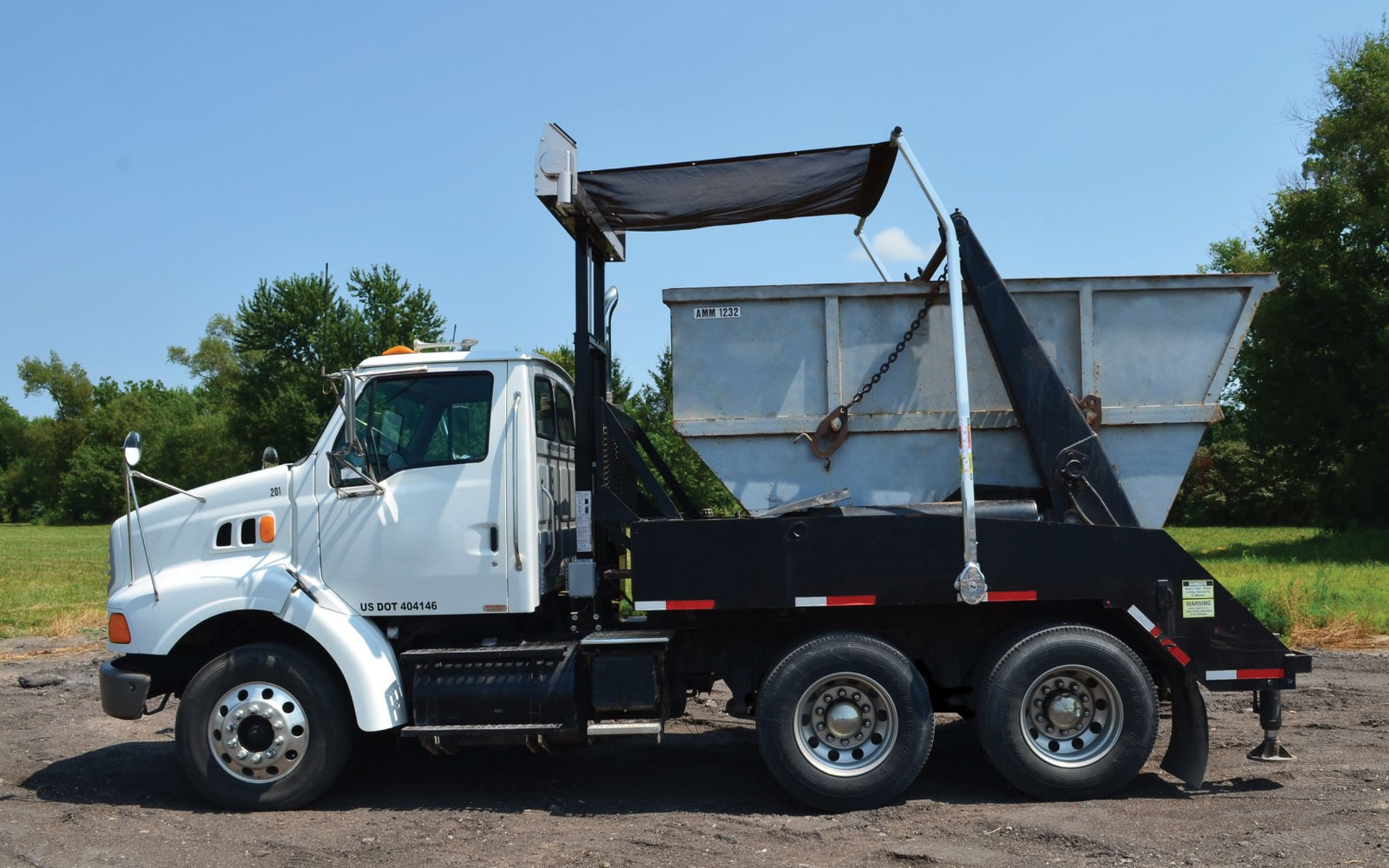
- Cable hoist (traditional swinging arm with cable and tub) roll-off trucks
- Hook-lift trucks that use a telescoping arm to place and retrieve containers with a front hook
- Combination units that run both roll-off containers and hook-lift bins
- Class 7 and Class 8 chassis configurations from major manufacturers
We finance new units, dealer-stock used units, and units purchased through fleet sales or remarketing channels. Container inventory (the open-top dumpsters themselves) can sometimes be included in the same deal as the truck if the total package meets our minimum and the containers are documented as assets.
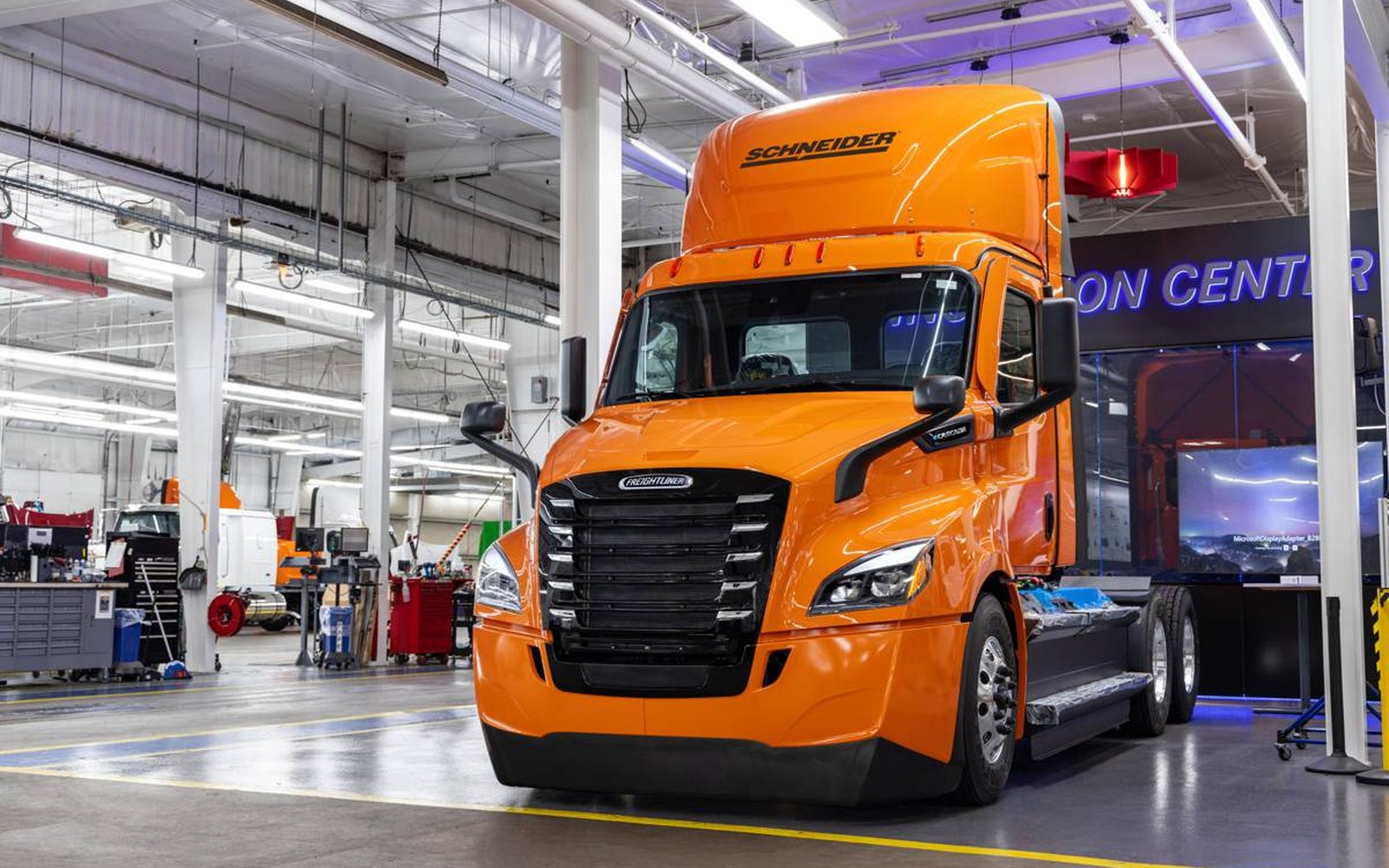
A Freightliner truck or similarly spec'd Class 8 chassis with a name-brand hoist system typically carries better residual value than a lighter chassis with proprietary or low-volume hoist equipment. We discuss chassis brand and hoist configuration during the review because both affect the deal structure.
Equity Strategies for Established Roll-Off Fleets
Roll-off trucks that are paid off or mostly paid down represent equity that can be deployed. Operators who have built a fleet over five to ten years often have three or four trucks with significant remaining value and no lien. A fleet sale-leaseback converts that equity into cash without removing the trucks from service. Use the capital to buy additional containers, launch a new service territory, or cover working capital through a slow quarter.
For operators whose trucks carry existing loans, a refinance that lowers the rate or extends the term can free up monthly cash flow. If market values have held up, a cash-out refinance may also be possible on trucks where the payoff is meaningfully below the current value.