The Port of Los Angeles and the Port of Long Beach together handle more container volume than any other port complex in the Western Hemisphere, and every container that comes off those ships eventually gets onto a truck. That basic fact shapes the entire commercial fleet market in Southern California. Fleet operators here are not running hypothetical routes. They are running constant drayage, regional freight, last-mile delivery, and construction logistics for one of the largest and most complex metro economies in the world. Keeping those fleets running and growing requires capital that moves at the speed of the market, not the speed of a bank's underwriting committee.
We finance commercial truck fleets throughout Los Angeles County and the surrounding Southern California region, starting at $50,000 per transaction. Our typical range is $100,000 to $150,000 per unit or deal, with application-only approval available up to approximately $400,000. New trucks, used trucks, purchase, refinance, sale-leaseback, and cash-out refinance are all available. B and C credit operators are a regular part of our business. Funding completes in roughly one to two weeks from application.
Southern California's Fleet Ecosystem
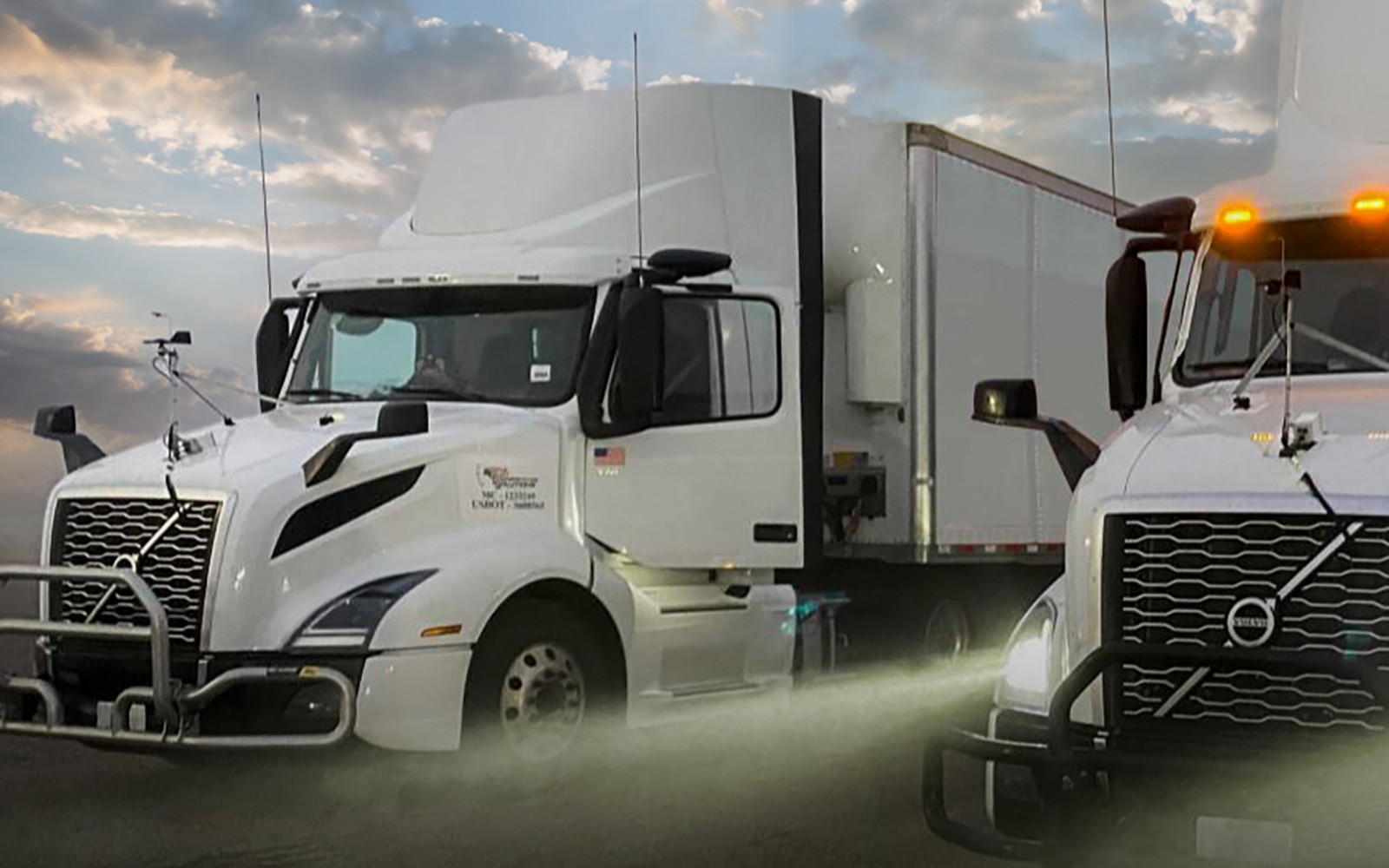
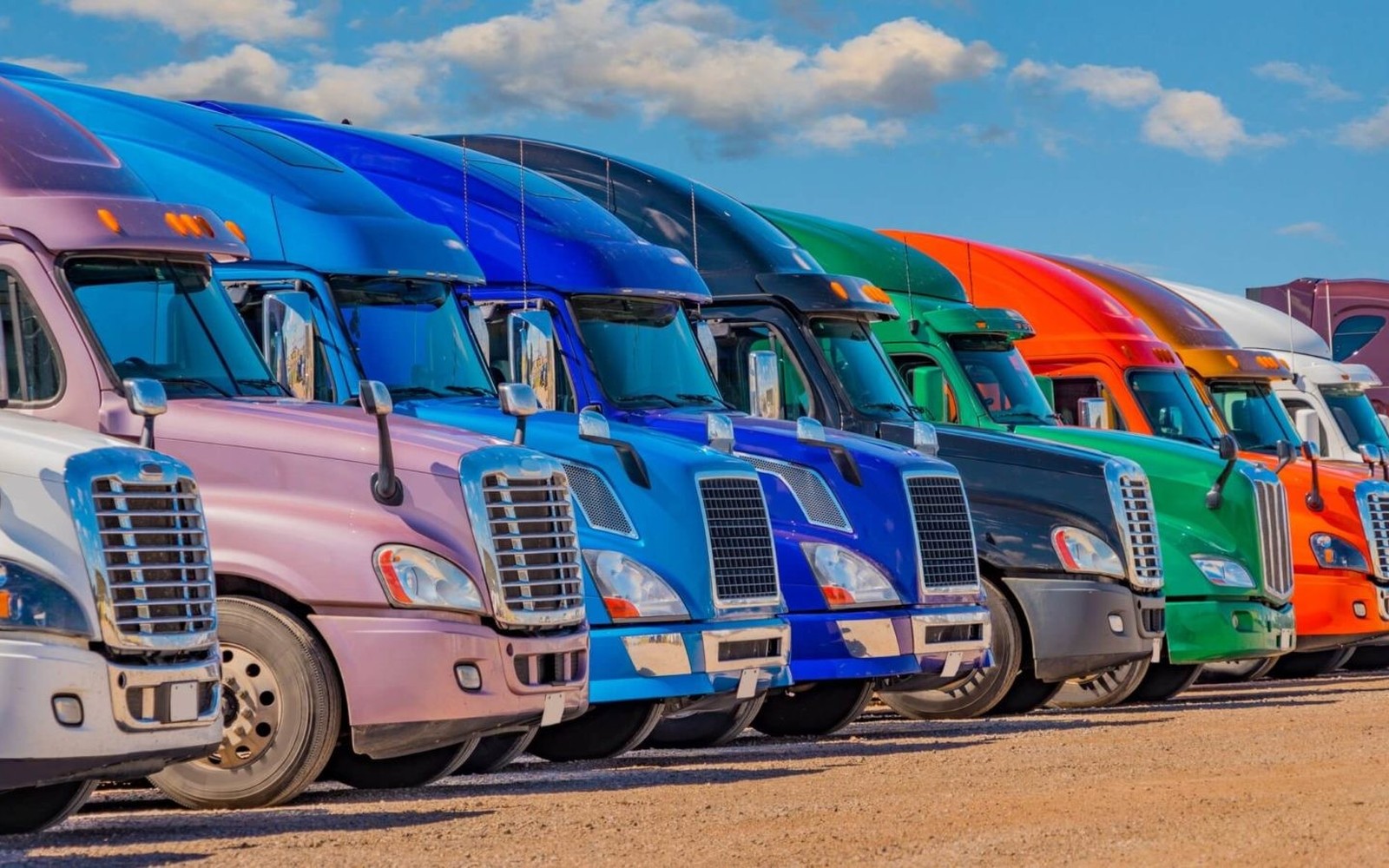
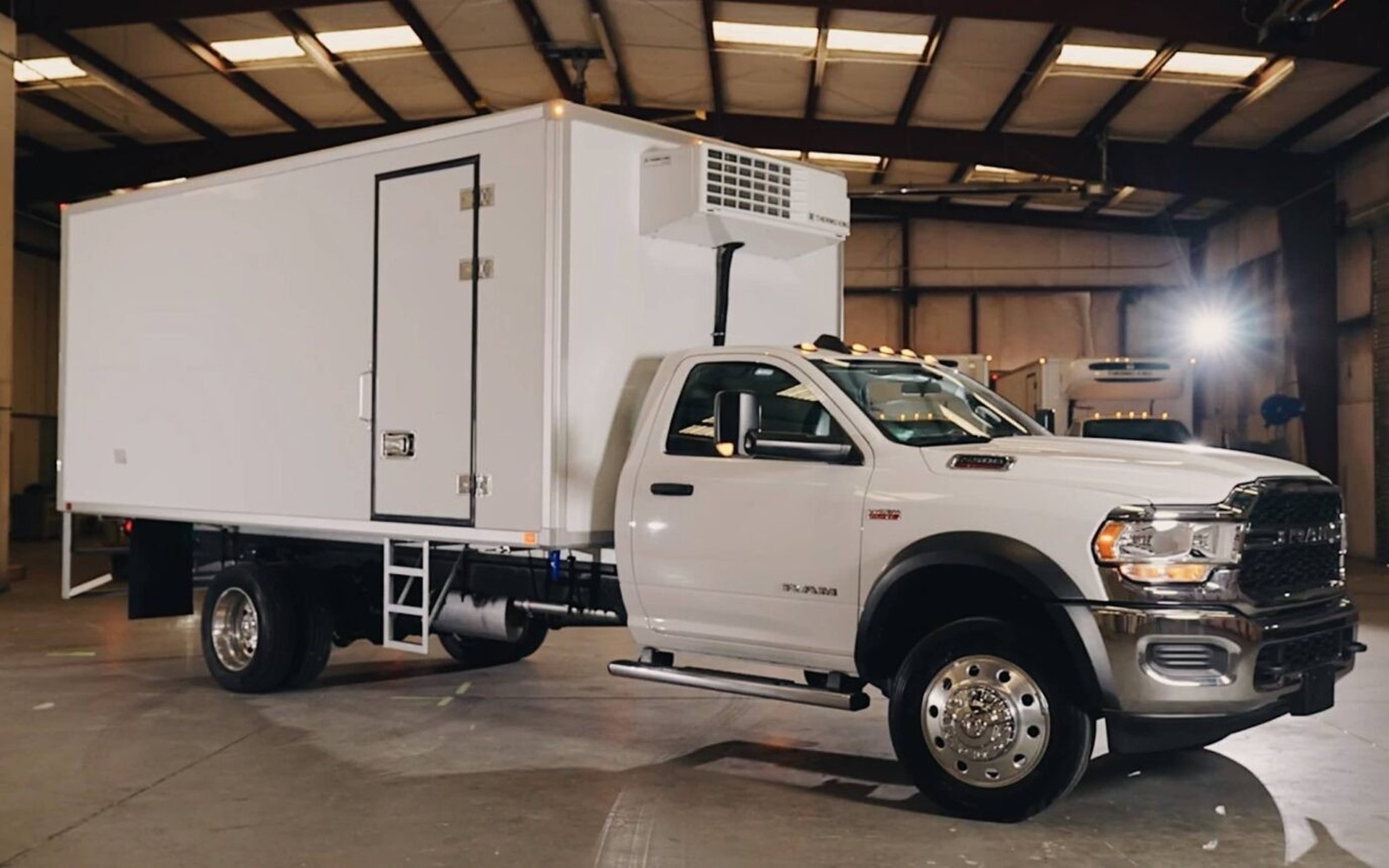
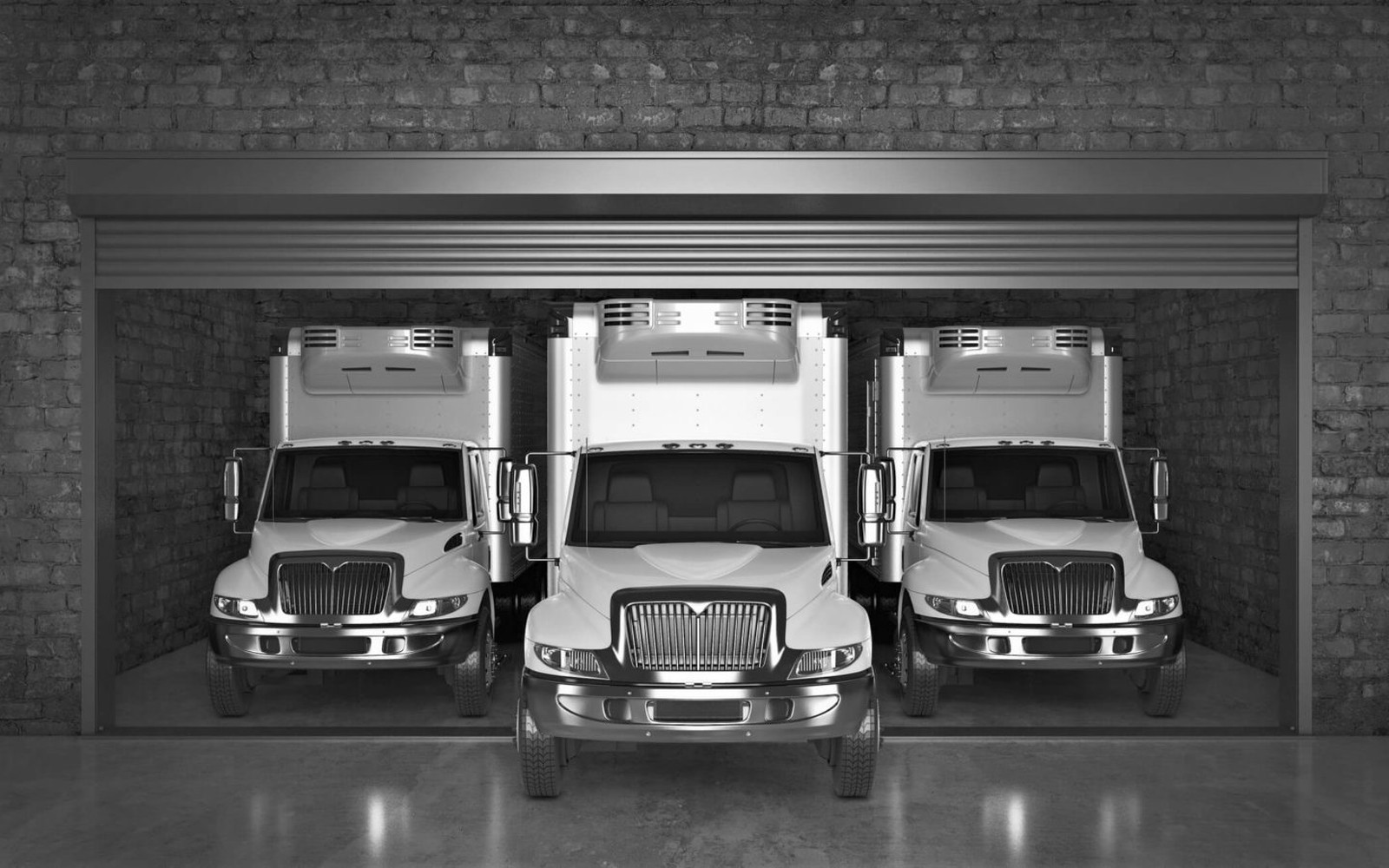
Los Angeles is simultaneously the nation's largest drayage market, one of its largest last-mile markets, and a major destination for refrigerated freight serving 10 million people in the metro area. The equipment mix reflects that diversity. Day cab tractors dominate port drayage, running containers between the San Pedro port complex and the massive inland empire distribution centers in Fontana, Rialto, and Ontario. Sleeper tractors serve the long-haul lanes that connect Los Angeles to the rest of the country, running I-5 north, I-10 east, and US-101 coastal routes. The cold chain segment is enormous here. Refrigerated trucks and reefer trailers serve the produce markets, restaurant supply chains, and grocery distribution networks that feed the city.
California's regulatory environment adds a layer of complexity not found in other states. The California Air Resources Board's Truck and Bus Regulation has required fleet operators to upgrade or replace older diesel equipment over time, accelerating replacement cycles for many LA-area fleets. That regulation has also driven demand for newer, compliant units, which in turn drives financing demand. Operators who need to replace aging equipment to stay compliant on state routes find that financing the newer units is often more affordable than the alternative of losing operating authority.
Equipment Types in the LA Market
Port drayage is dominated by Class 8 day cab tractors configured for container pulls. These units work short, intense cycles in and around the ports and the railyards in downtown Los Angeles and Commerce, and they tend to accumulate hours faster than over-the-road units. Fleet operators running these routes replace equipment more frequently and need a financing partner who understands high-utilization, short-replacement-cycle economics. We structure deals with that reality in mind.
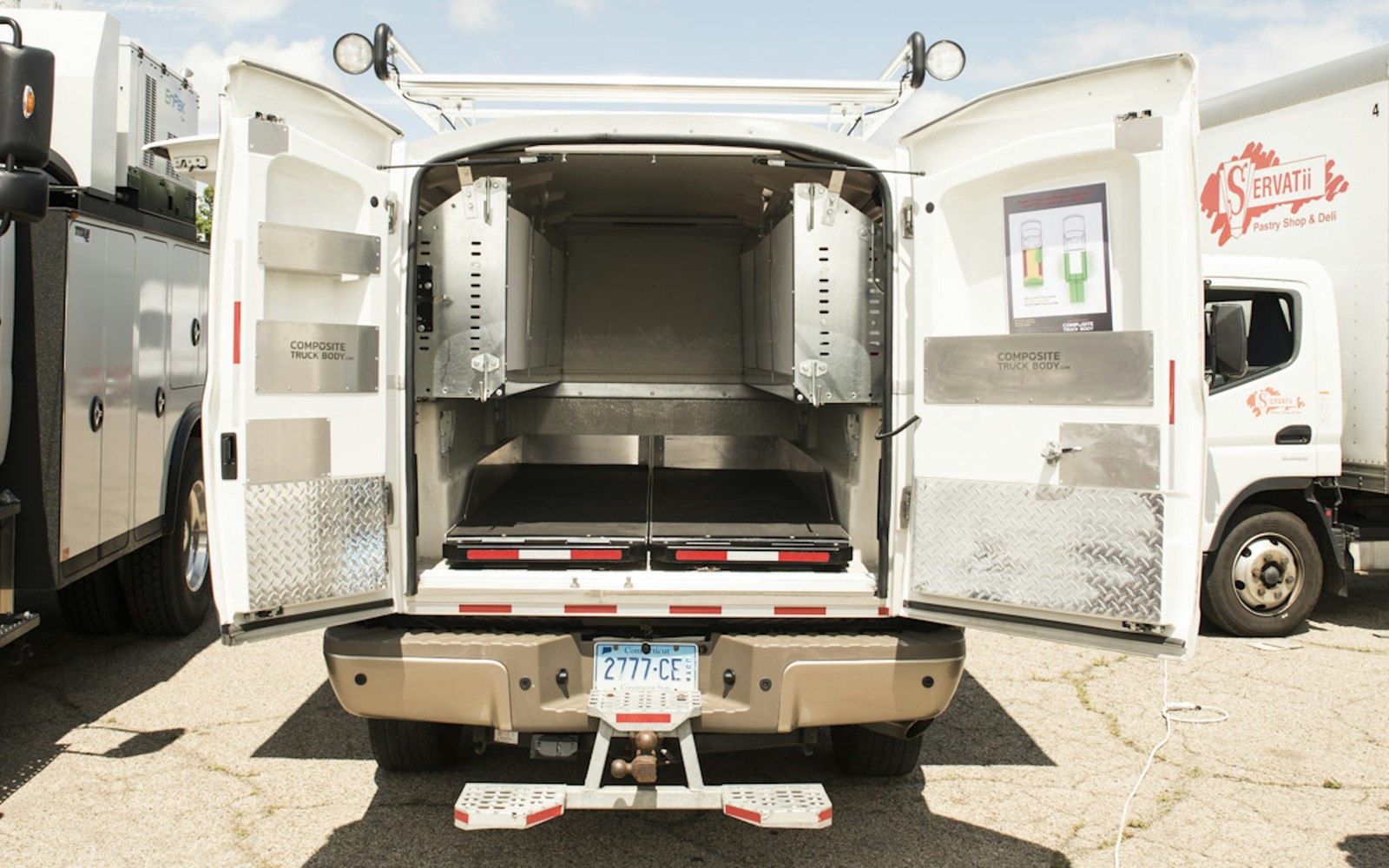
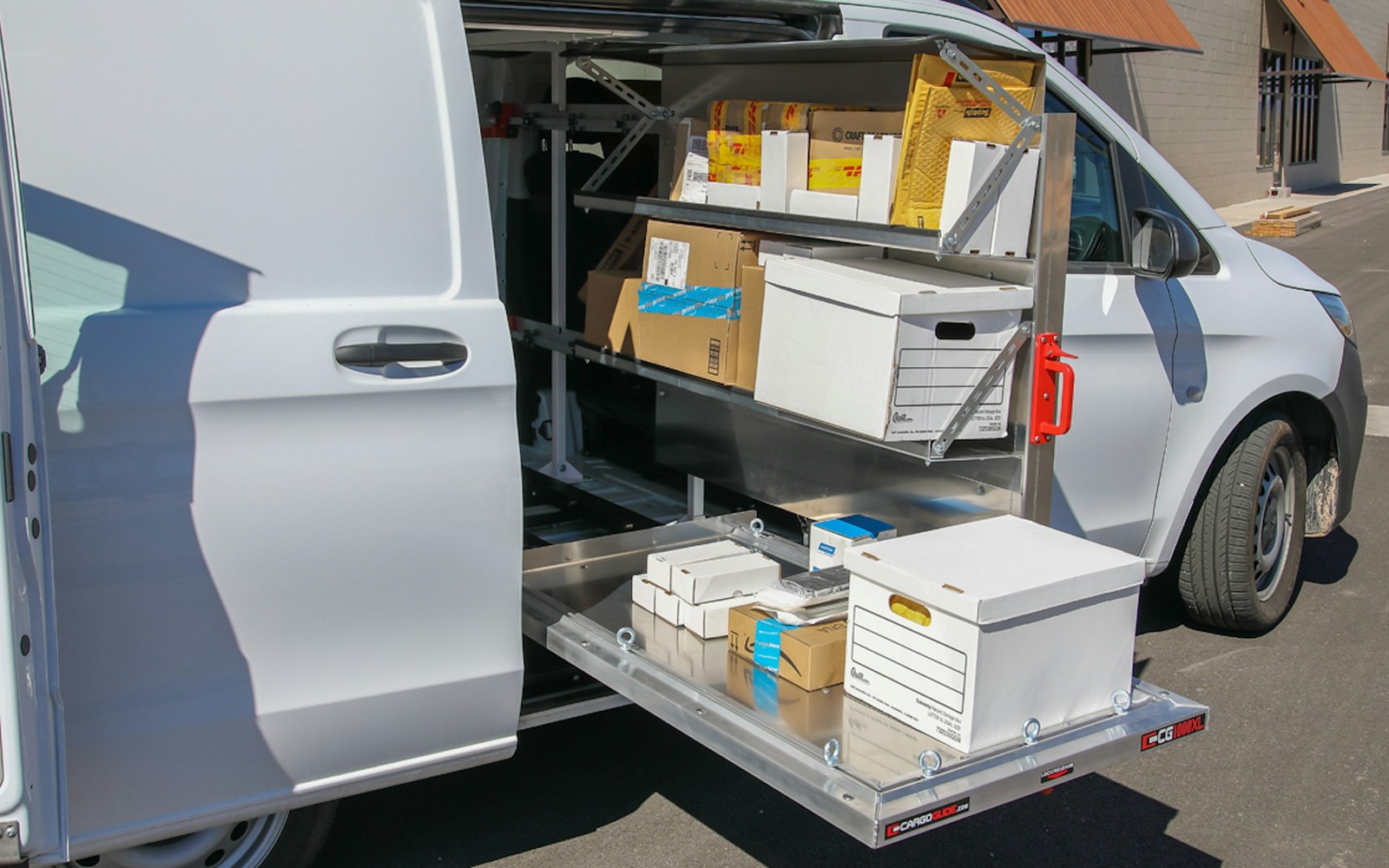
Last-mile delivery has exploded in the LA basin. Box trucks, cargo vans, and sprinter vans are in constant demand from e-commerce logistics operators, courier services, and grocery delivery fleets. These units tend to be mid-cycle assets, replaced on two-to-four-year cycles rather than the longer replacement cycles of heavy Class 8 equipment. We finance both the initial purchase and the replacement cycle for these operators. E-commerce logistics fleet financing is an active area for us in the Southern California market.
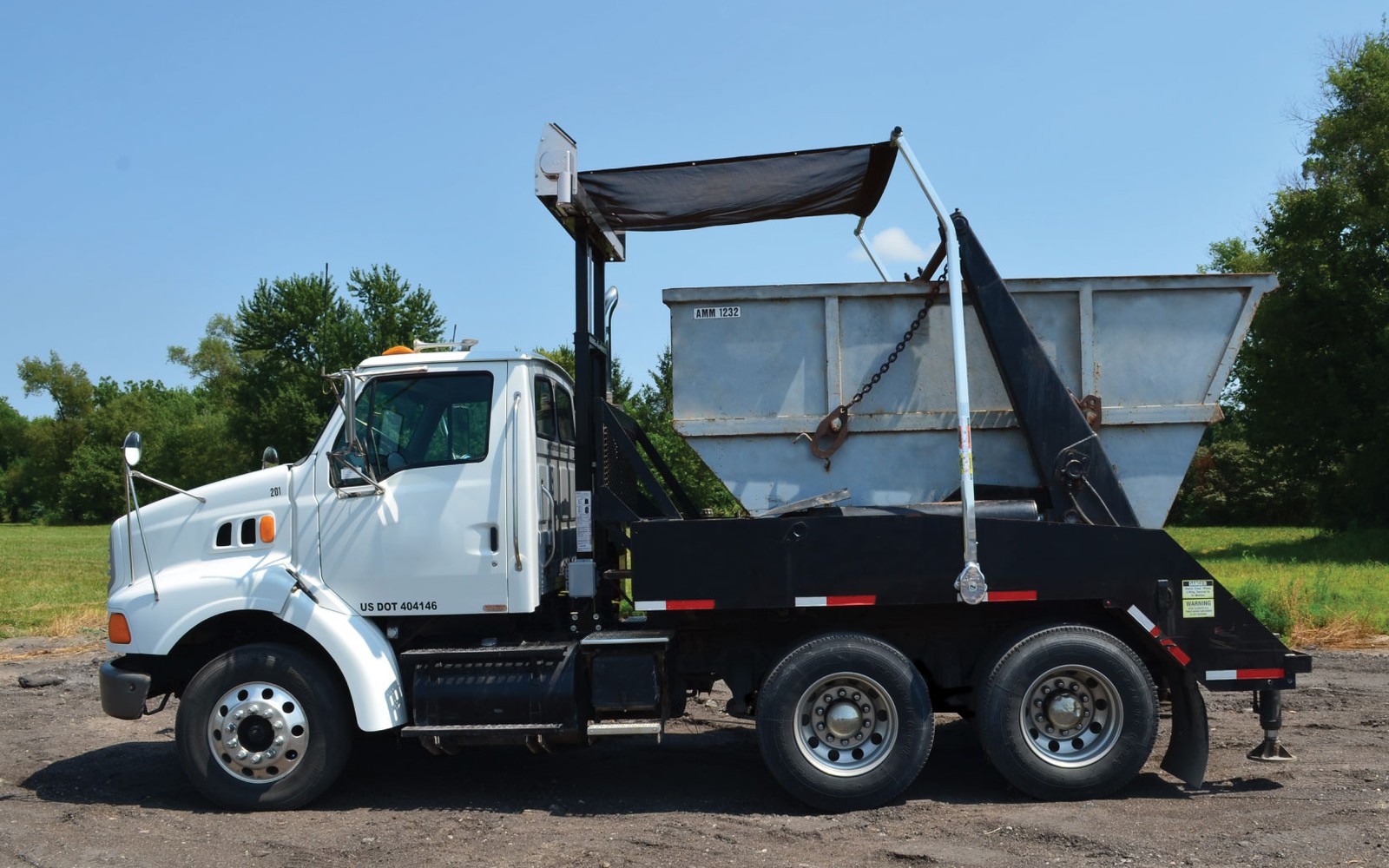
Construction in Los Angeles is ongoing across all categories. Flatbed trucks, dump trucks, and crane trucks serve the residential, commercial, and infrastructure projects spread across the basin. Construction fleets here often deal with tight margins on fuel and driver costs, making equipment payment structure critical to overall fleet profitability.
Credit Considerations for California Operators
California has a concentrated fleet market with substantial competition among lenders. That competition benefits operators with strong credit files, but the same lenders who actively pursue clean credits often turn away B and C profiles with the same speed. We fill that gap. Operators who had a prior credit event, a rough year during the pandemic, or a business restructuring are not automatically disqualified.
Our documentation baseline is three months of business bank statements and a one-page application. For application-only deals up to roughly $400,000, that is usually sufficient. Credit scores below 650 are considered. What moves the needle is consistent revenue, equipment utilization, and a clear story about what the fleet does. California-based operators dealing with CARB compliance costs, rising insurance premiums, and driver wages sometimes show a tight balance sheet despite strong revenue, and we are accustomed to reading that picture. Used truck financing is also available for operators who need to add capacity without paying new-equipment prices in a high-cost state.