Flatbed trucks earn on the load, and the loads that pay best tend to be the ones nobody else can move cleanly: oversized lumber packages, structural steel, machinery, bundled pipe, and palletized materials for jobsites with no dock to receive a van trailer. Fleet managers running flatbeds understand that this equipment category demands more from the operator in terms of load securement skill and logistical planning, but the premium freight that comes with that complexity is worth the investment. Financing flatbeds for that work is where we spend a lot of our time.
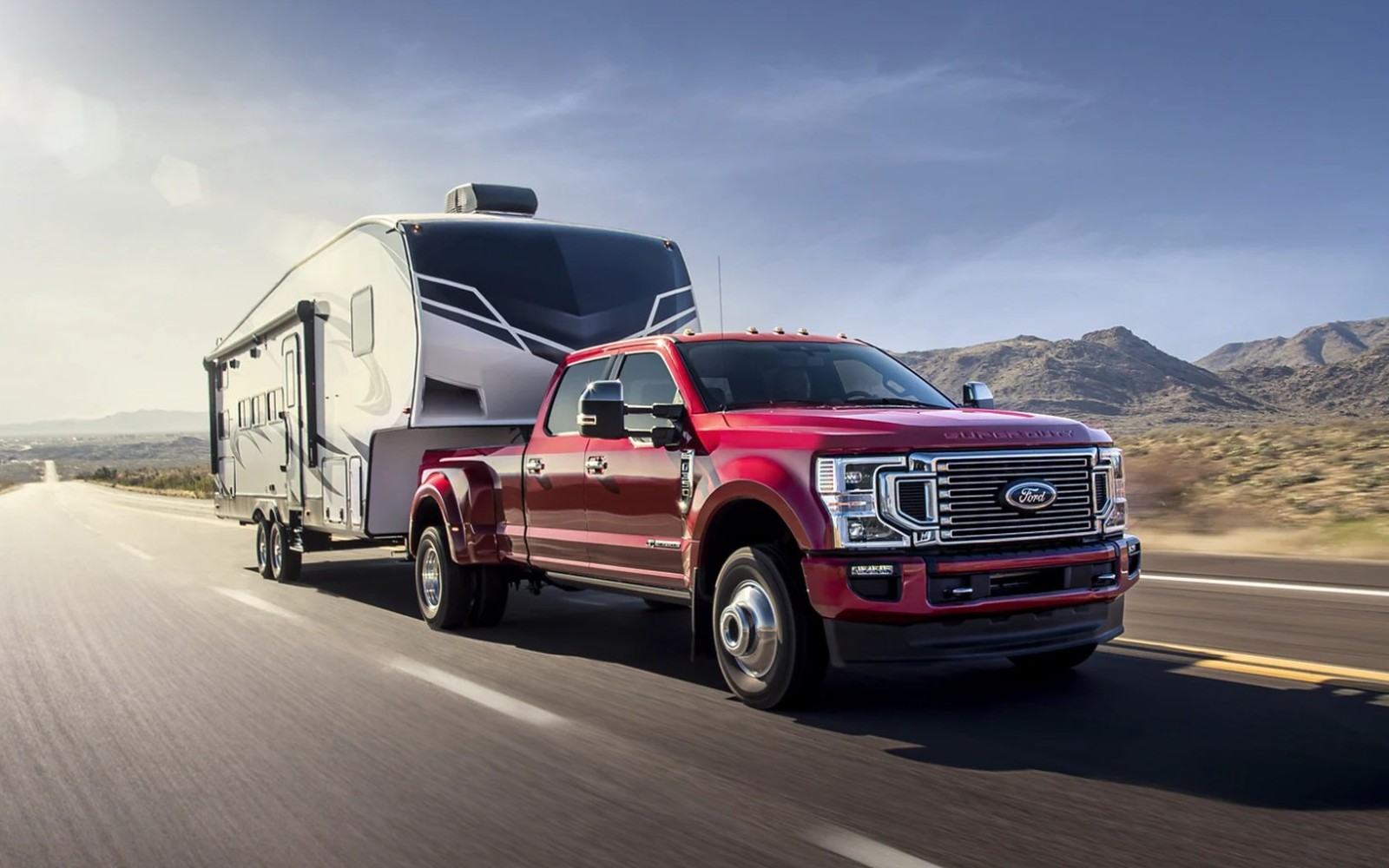
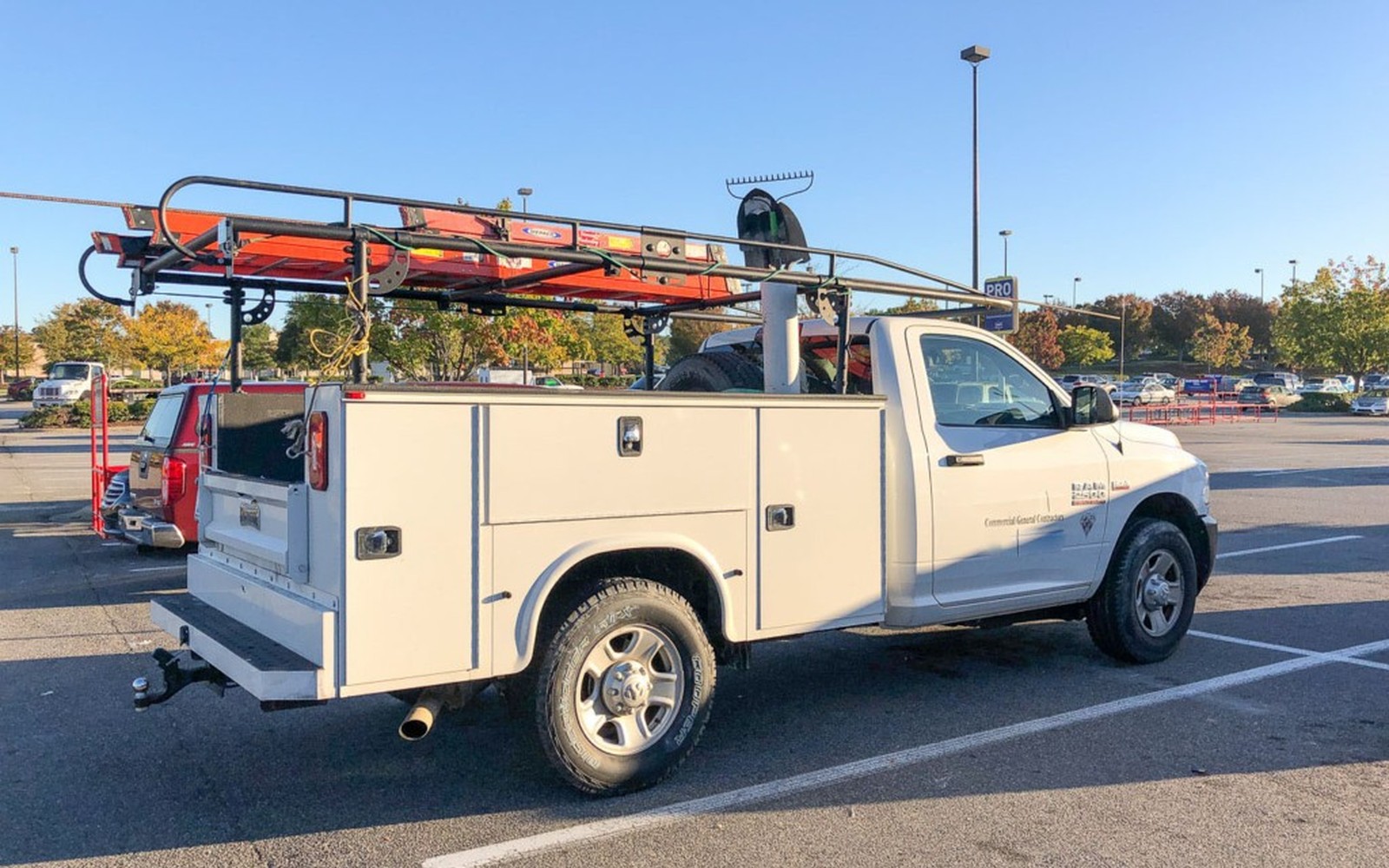
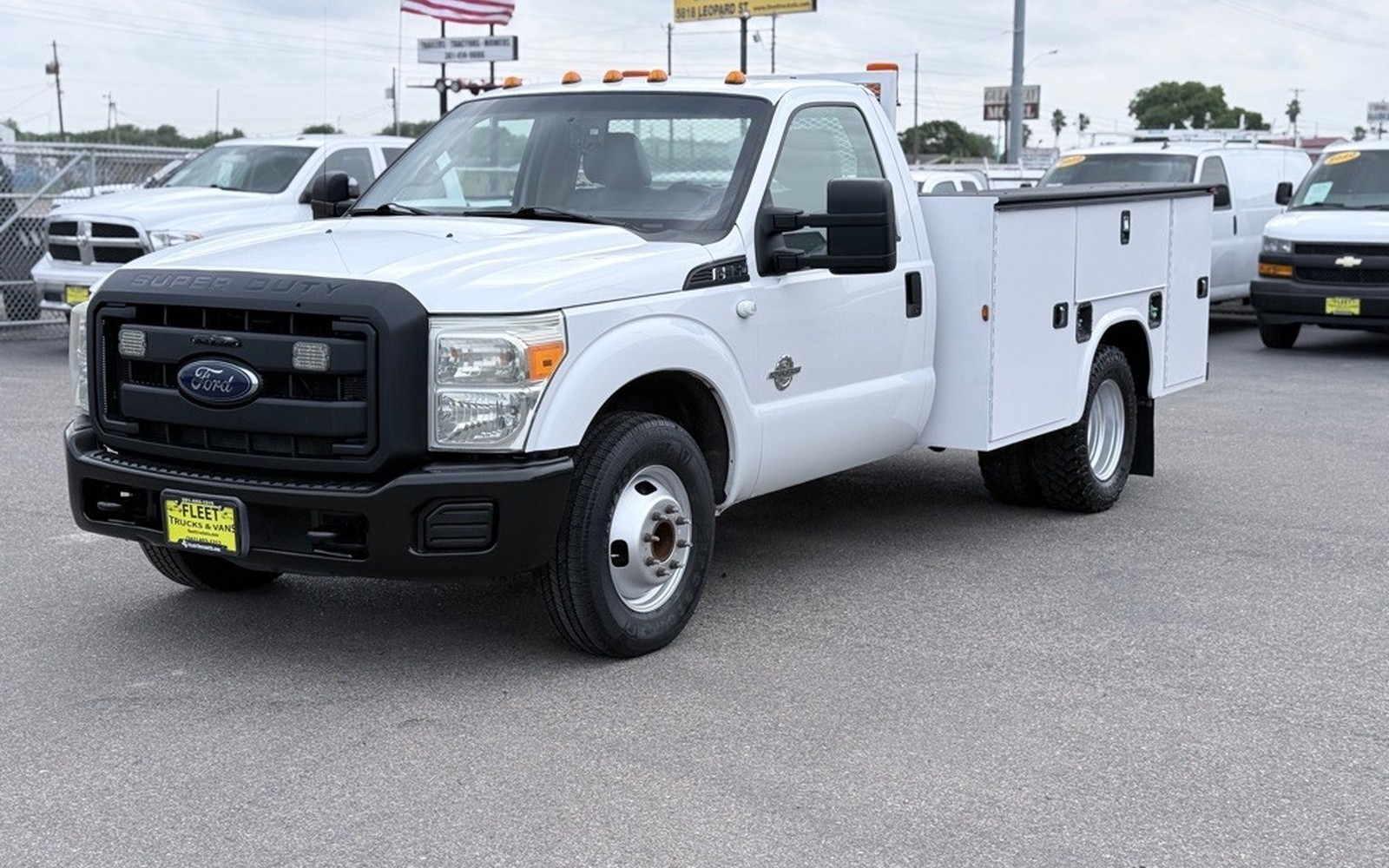
Flatbed straight trucks cover the Class 4 through 7 range, with flatbed body lengths typically running from 12 feet on a Class 4 platform to 24 feet on a Class 7 chassis. The most common configuration for contractor and construction use is a Class 5 or 6 platform with a 16 to 20-foot flatbed body, often paired with a gooseneck hitch or fifth wheel for trailer pulling capability. These trucks frequently serve multiple functions: deliver materials to a jobsite in the morning, pick up equipment for transfer to the next site in the afternoon. That utilization profile is exactly what makes them attractive assets to finance.
Pricing on flatbed straight trucks spans a wide range. A used Class 5 flatbed with 200,000 miles might trade at $35,000 to $55,000 in today's market. A new Class 7 flatbed from a manufacturer like Ford Commercial or International with a heavy-duty flatbed body can exceed $100,000. Our program starts at $50,000 per deal, so used trucks will need to meet that threshold, often in a two-unit package if individual prices fall below the minimum.
Who Uses Flatbed Trucks and Why It Matters for Financing
Construction is the single largest driver of flatbed straight truck demand. Framing lumber, roofing materials, rebar bundles, conduit, and pre-fabricated components all move on flatbeds to jobsites that do not have loading docks and need materials placed precisely on site. A contractor running multiple active projects across a metro area needs a flatbed for each crew, not one shared unit that creates scheduling conflicts.
Landscaping and tree service companies are another major user group. Flatbed straight trucks carry equipment, soil, mulch, and stone where a box truck cannot easily load or unload without lift equipment. An operator running four or five landscape crews needs a flatbed for each team, and financing that fleet expansion is often the critical step between running two crews out of a single market and scaling to citywide coverage.
Steel service centers and building materials distributors run flatbeds for local delivery from their yards. A steel distributor in a market like Chicago or Houston might run a fleet of 10 to 20 flatbed trucks making daily deliveries to fabricators and contractors. These operators need consistent financing terms across a regular replacement cycle, which is where our fleet line of credit structure helps. Instead of applying separately each time a unit cycles out, an approved line lets them draw as needed against an established credit facility for construction fleet operators.
Financing Process for Flatbed Trucks
Flatbed straight truck financing follows the same application-through-funding path as other commercial vehicle deals. For transactions under $400,000 with qualifying borrowers, the application-only process issues approvals without tax returns. We look at credit, time in business, and the equipment being purchased. A clear application on a well-specified truck gets a decision within one to two business days in most cases.
Bank statement review is available for borrowers whose credit requires more context or whose deal exceeds the application-only threshold. Three months of statements showing consistent business revenue is often enough to support a deal that might not score cleanly on the credit report alone. Operators with B or C credit who are generating steady revenue from active construction or landscaping contracts typically look much better on a bank statement review than a raw credit score suggests.
Funding targets one to two weeks from approved application to cash in the seller's account. If you are buying from a dealer, the dealer works directly with our funding process. Private party purchases require more documentation on the seller's end, particularly title transfer, but are fully supported. Operators adding flatbed trucks alongside dump trucks for a mixed construction fleet can typically combine both equipment types into a single application package.
New and Used Flatbeds: The Fleet Manager's View
New flatbed straight trucks carry full OEM warranty on the chassis and, if the body is factory-installed or dealer-installed, on the flatbed as well. Manufacturer warranty coverage for three to five years on major components removes the unplanned repair exposure that can strain cash flow on a growing fleet. For operators who cannot absorb a major repair cost mid-contract, the warranty coverage that comes with new equipment has real financial value beyond its sticker price.
Used flatbeds tell a different story. A five to seven-year-old Class 6 flatbed that has been in consistent commercial service may show cosmetic wear but maintain a fully functional mechanical drivetrain and a sound flatbed body. For operators who do their own maintenance and have a mechanic relationship they trust, buying used and keeping ahead of the maintenance schedule is a legitimate cost management strategy.
One nuance with used flatbeds: the flatbed body itself has a separate service life from the chassis. A flatbed body on a worn chassis may be in excellent condition, and vice versa. When evaluating a used flatbed, inspect both the chassis mechanically and the flatbed body for structural integrity, floor condition, and stake pocket functionality. This distinction matters to lenders as well, since the combined condition of both components determines the collateral value.
Teams evaluating this usually look at Startup Fleet Financing, New Authority Truck Financing, and TRAC Lease.