Fleet managers who want full ownership at the end of the term gravitate toward the $1 buyout lease for one clear reason: the residual is a dollar, not a guessing game. Every payment you make goes toward an asset you will own free and clear the day the term closes. No balloon, no fair-market-value calculation, no option exercise that depends on where used-truck prices land three or five years from now. You sign knowing the outcome from day one.
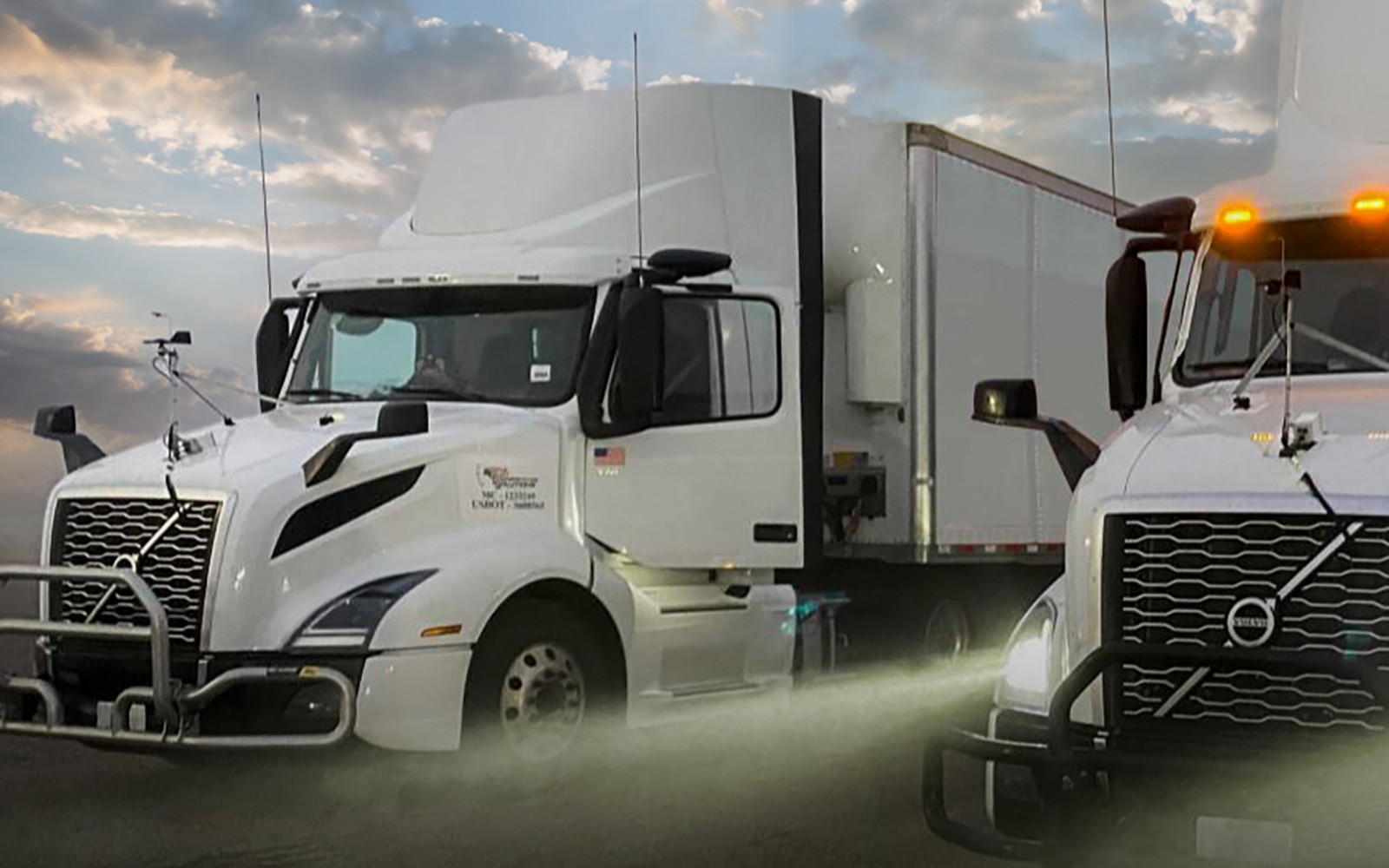
This structure is sometimes called a capital lease or a lease-to-own arrangement, and the IRS treats it as a purchase for tax purposes rather than a true operating lease. That distinction matters when you sit down with your accountant at year end, because the full depreciable basis transfers to you immediately. Combined with the Section 179 deduction and bonus depreciation rules, a $1 buyout lease can accelerate a substantial amount of tax benefit into the acquisition year. We have structured these transactions for day cab tractor fleets, flatbed truck pools, and medium-duty vocational units where the operator plans to run the iron for eight or more years.
How the $1 Buyout Lease Is Structured
The lender purchases the truck and leases it to you over a fixed term, typically 36 to 84 months. Monthly payments are calculated on the full equipment cost minus any down payment, plus an interest factor, amortized so that exactly one dollar remains at the end. That $1 residual is the purchase option you exercise at term close. Because the effective residual is zero, monthly payments usually exceed residual-based structures, including TRAC and FMV operating leases, on comparable trucks at the same rate. The trade-off is that every dollar paid is building equity in an asset you keep, not returning a truck to a remarketing lot.
Title can be handled two ways depending on the lender. Some place title in the lessee's name at origination with a lien, much like a traditional installment loan. Others hold title in the lessor's name and transfer it at buyout. Both approaches produce identical economics. We clarify title treatment upfront so your fleet management software and insurance certificates reflect the right owner from day one.
Down payments are negotiable. Qualified operators running established fleets sometimes get approved with 10 percent down or less on new iron. Used trucks, B or C credit profiles, or equipment older than five years typically require 15 to 25 percent down to meet lender advance-rate guidelines. We underwrite both paths. Applications under roughly $400,000 can often move on application-only terms with recent bank records and the signed credit form rather than full tax returns.
Which Trucks Fit This Structure Best
The $1 buyout lease fits equipment that holds practical value over a long run life. Class 8 sleepers and day cabs are the most common collateral because an owner-operator or fleet manager who intends to put 700,000 or more miles on a truck before trading has no interest in a residual option that transfers depreciation risk back to a lessor. The structure locks in ownership from the start.
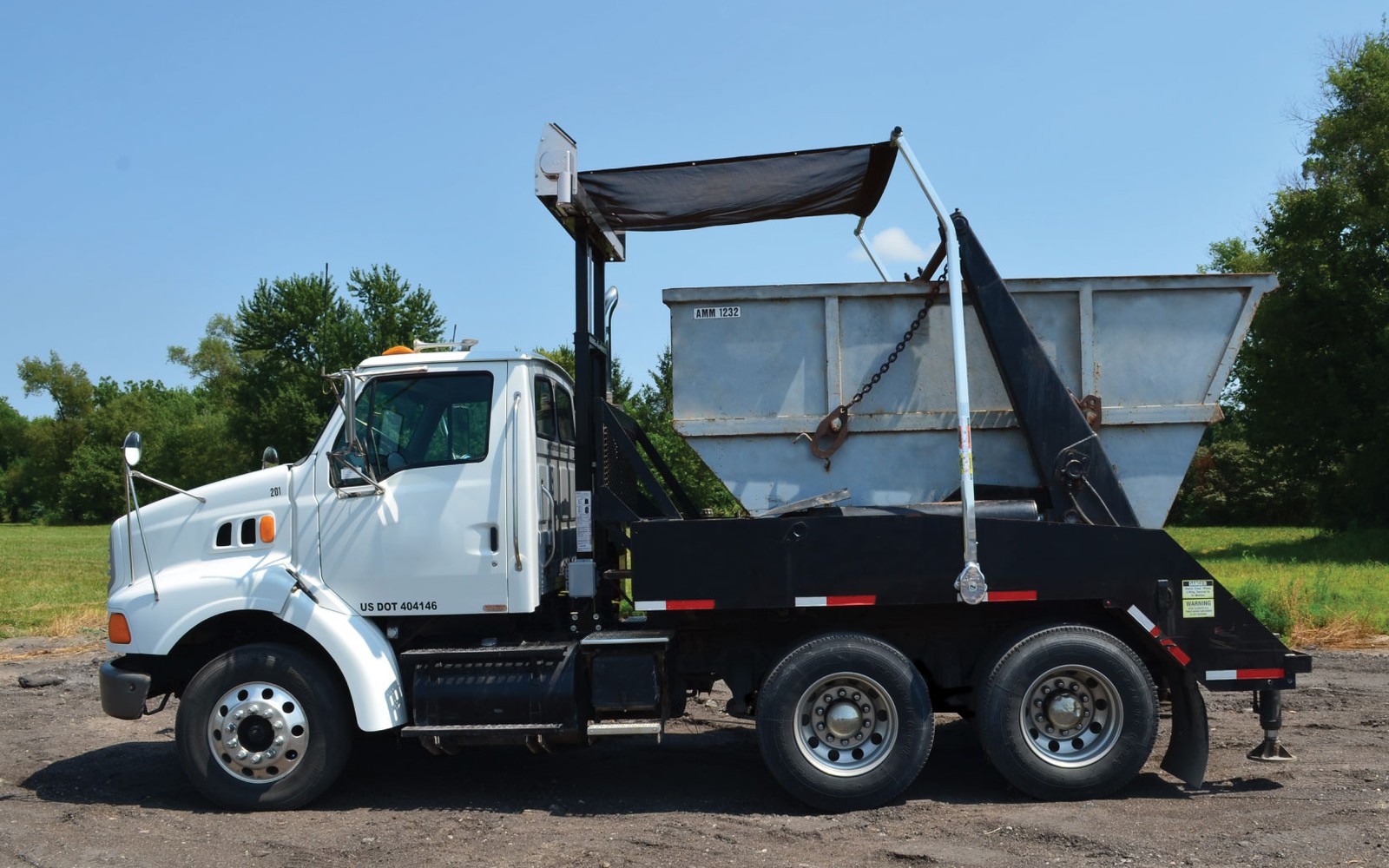
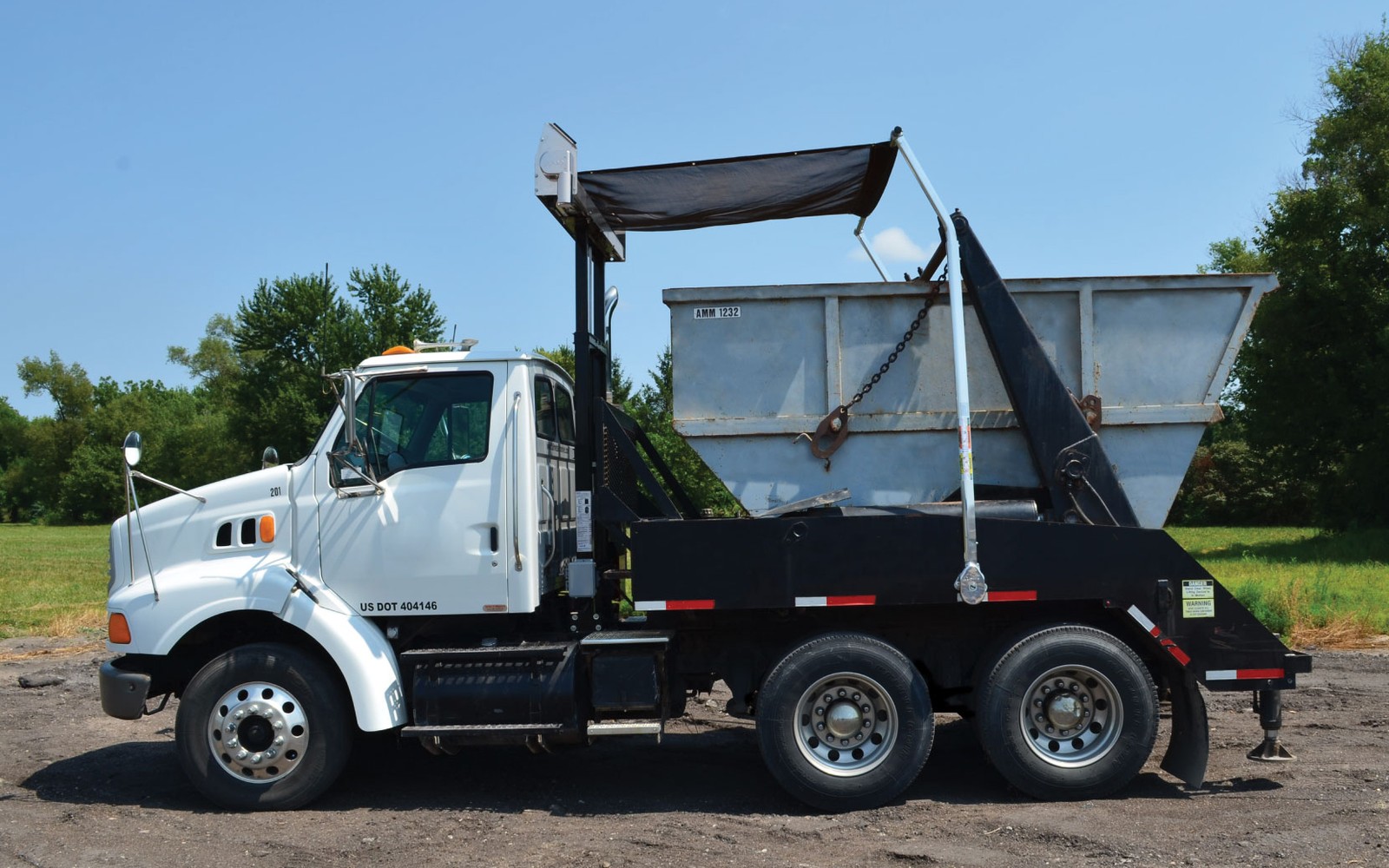
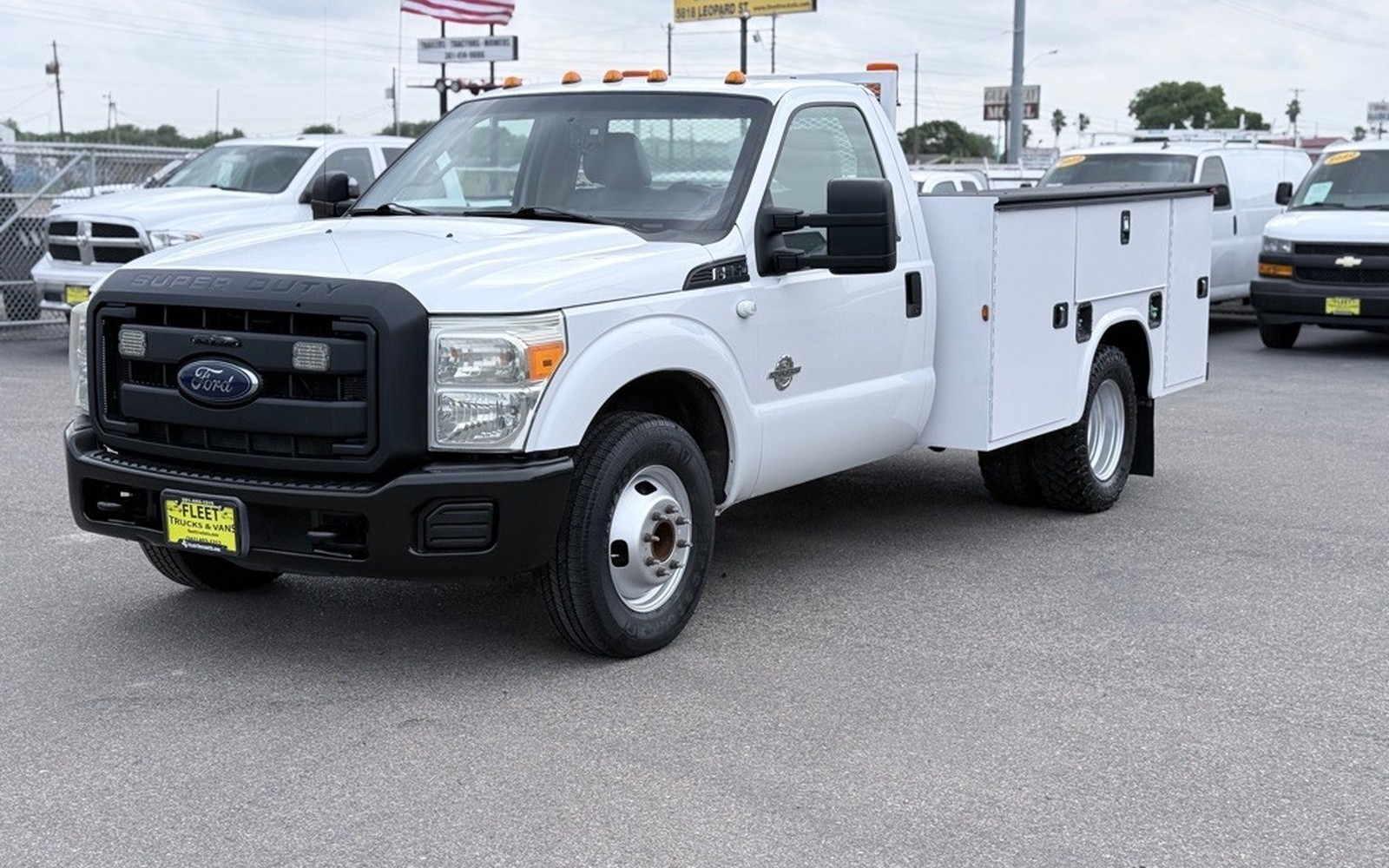
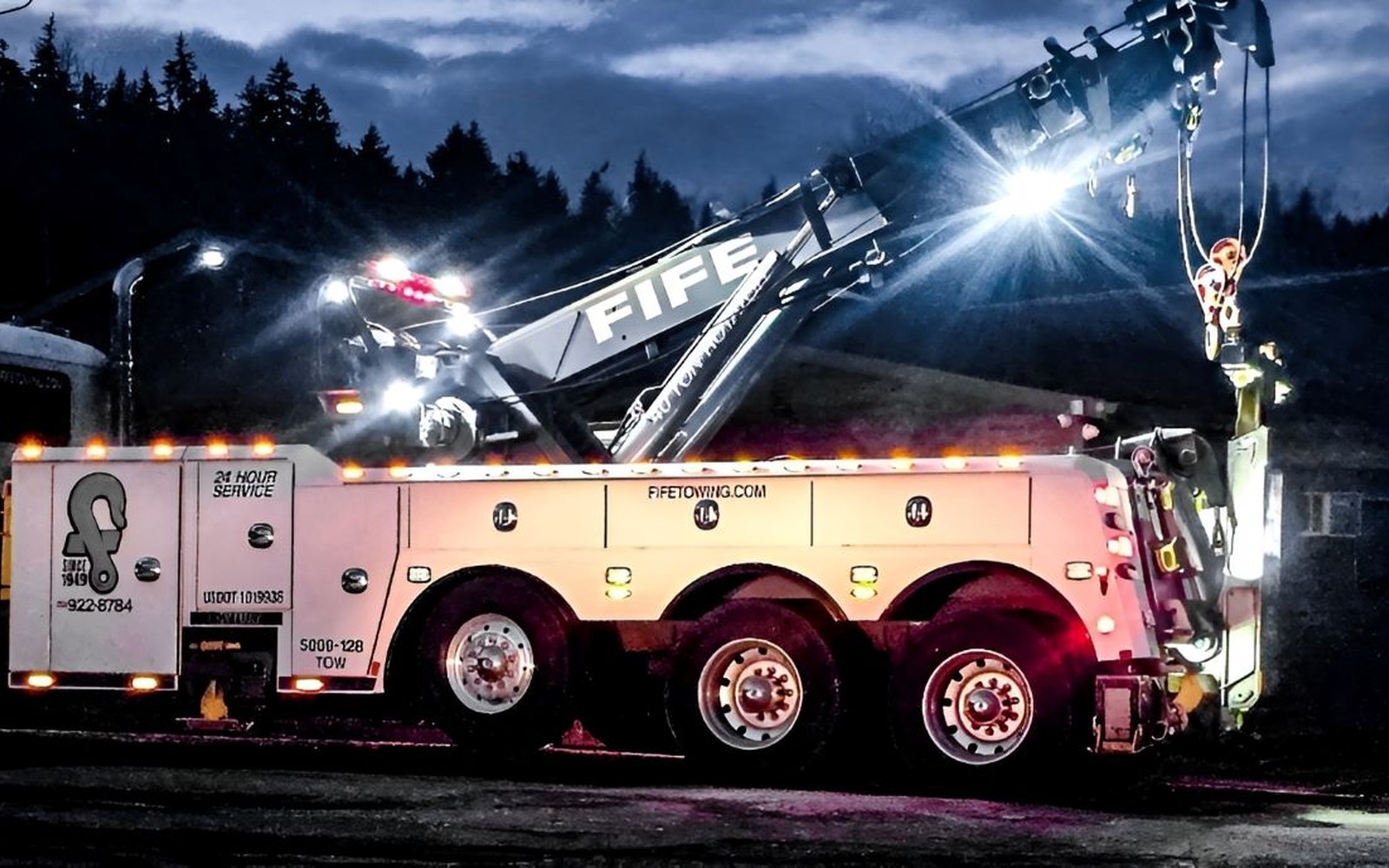
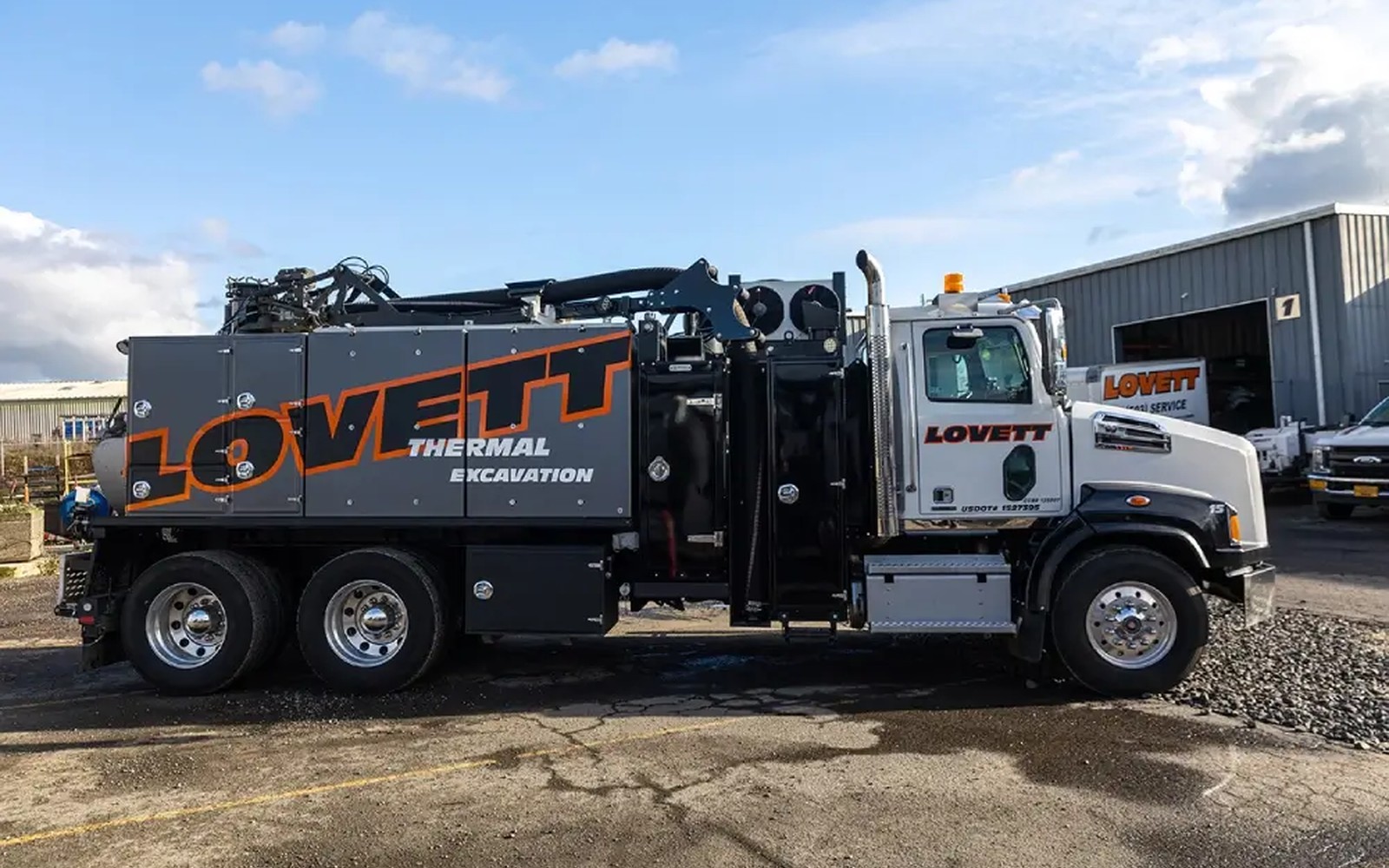
Vocational trucks with high upfit costs are another natural fit. A crane truck or a specialized service truck body can cost as much as the chassis itself, and a lessee who invests in that upfit wants to own the completed unit, not hand it back. The $1 buyout lease captures the entire package, chassis and body, into a single amortizing obligation with a clean ownership outcome.
Refrigerated units and tanker bodies fit similarly. The carrier running temperature-controlled freight for a major grocery distribution account often specs a unit to that account's requirements. Returning that truck to a lessor's remarketing pool at fair market value makes little operational sense. The $1 buyout keeps the operator in control of the asset and the relationship.
Payment Comparison and Total Cost
A $1 buyout lease usually carries a larger scheduled payment than a TRAC lease on the same truck at the same rate, because the TRAC structure uses a residual to reduce each installment. On a $150,000 truck financed over 60 months, the difference between a $1 buyout and a 20 percent TRAC residual can be roughly $300 to $500 per month depending on rate. The $1 buyout costs more during the term but costs nothing at maturity. The TRAC lease costs less during the term but requires either a balloon exercise or a fair-market-value settlement at the end.
Fleet managers running tight cash flow sometimes prefer the TRAC structure for that monthly flexibility. Operators with tax planning goals, long intended run lives, or equipment that is hard to remarket (vocational, specialty-bodied) often find the $1 buyout's clean ownership more valuable than the monthly savings. We model both options side by side so you can see the total cost of each path over the full term before committing.
Rates depend on your credit profile, the age and condition of the equipment, and current market conditions. We do not guarantee rates in advance of underwriting, but we work with a panel of lenders that covers the spectrum from prime commercial operators to B and C credit fleets. If your operation has some credit challenges, B and C credit fleet financing structures exist that can accommodate a $1 buyout structure with appropriate down payment and documentation.
Credit and Documentation
For most $1 buyout lease transactions we collect the signed application, recent operating bank statements, and basic equipment information (year, make, model, mileage, and the dealer or seller invoice). Deals above the application-only threshold, typically in the $400,000 range and up, will require two years of business tax returns and a current balance sheet. Fleet deals adding five or more units at once may need a fleet census showing the existing asset list, any current liens, and average unit age.
We consider a range of credit profiles. Prime operators with established fleets and clean payment history get the most competitive rate tiers. Operators with recent delinquencies, tax liens, or sub-600 scores may still qualify with more equity down and a shorter initial term to rebuild lender confidence. We do not require perfect credit, but we do require an honest picture of where things stand so we can place the deal correctly on the first submission rather than shopping it to lenders whose guidelines it will not meet.
Startups and new authority operators can sometimes use a $1 buyout structure, but most lenders require at least two years in business or a significant down payment, often 30 percent or more, combined with strong personal credit from the principals. We review each situation before advising on the right path.