Last-mile delivery is a volume game with tight margins. The stop count per route, the vehicle utilization rate, and the cost per delivery determine whether the operation is profitable or just busy. Adding routes means adding vehicles, and a delivery service provider that cannot scale the fleet fast enough to match route growth either caps its revenue potential or takes on routes it cannot serve reliably. Neither outcome is good for an operator trying to build a sustainable delivery business.
We finance last-mile delivery fleets for delivery service providers, independent delivery operators, regional package delivery companies, and logistics contractors serving e-commerce fulfillment centers. The equipment is primarily Sprinter van fleets and cargo van fleets for route delivery work, with box trucks in the 16-foot to 24-foot range for higher-volume routes and commercial delivery applications. We understand the DSP (delivery service provider) model, the route operator structure, and the fleet sizing decisions that come with each stage of scaling.
Last-mile delivery fleet transactions start at $50,000. A new Mercedes-Benz Sprinter van runs $50,000 to $75,000 depending on configuration. Fleet additions of five to fifteen units for a growing DSP operation are common transactions in our program and typically land running about $250k to $1k. Application-only approval reaches approximately $400,000 for established delivery operators. Three months of business bank statements supports most deals at that level.
Delivery Operators We Work With
Amazon Delivery Service Partners adding Sprinter or Transit vans to cover new route blocks awarded in a territory expansion. Independent last-mile operators with their own relationships serving regional retailers, furniture companies, or appliance dealers. Small package sub-contractors running routes for regional courier networks in major metro markets like Chicago, Los Angeles, and Atlanta, GA.
White-glove delivery companies handling two-person delivery of large furniture and appliances use heavier equipment than standard parcel delivery. A 24-foot box truck with a lift gate and moving pads is a different asset than a Sprinter van, and white-glove operators often run mixed fleets of both. We finance the full range for those operators.
DSPs that are scaling rapidly sometimes hit a financing ceiling because each new van purchase requires a separate credit inquiry and approval. A fleet equipment line of credit solves this by establishing a pre-approved draw capacity so a DSP can add units as route blocks are awarded without a full underwrite each time. This structure is worth discussing for any last-mile operator adding vehicles on a quarterly or more frequent basis.
New operators entering the DSP space for the first time should ask about our startup fleet financing program. The requirements are stricter and down payment expectations are higher, but the program exists specifically for new delivery operators who are building from a small base toward a full route operation.
Delivery Vehicles: Sprinters, Transits, and Box Trucks
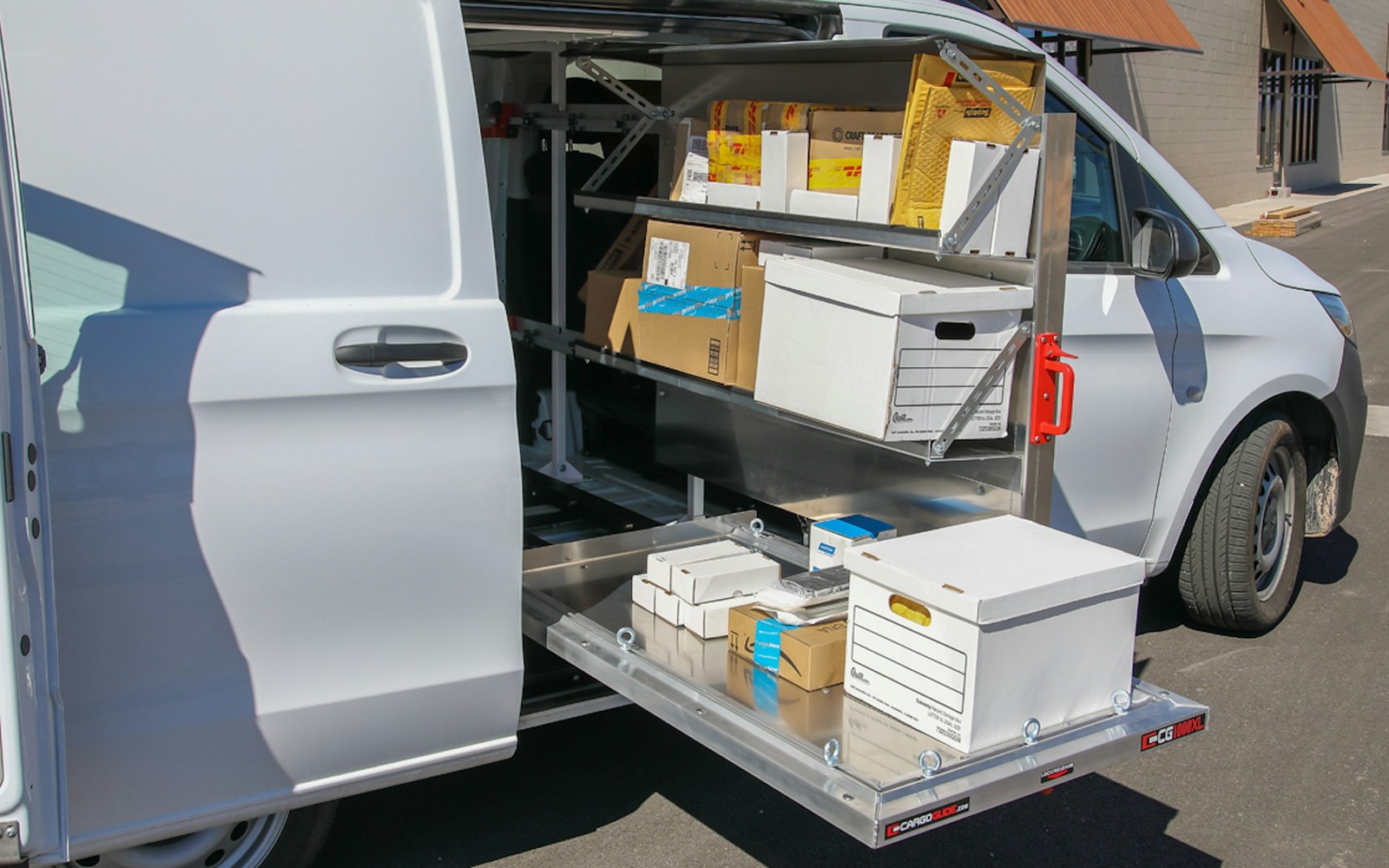
The Mercedes-Benz Sprinter van is the dominant vehicle in parcel and package delivery for DSP operations. The Sprinter 2500 and 3500 in 144-inch and 170-inch high-roof configurations give route drivers the package capacity and cargo organization options needed for high-stop-count parcel routes. Sprinter vans are well-understood collateral with a deep secondary market, which generally keeps financing terms competitive relative to more specialized vehicles.
The Ford Transit in cargo van configuration is another major platform in the last-mile segment. The Ford Transit competes directly with the Sprinter in route delivery applications and has the advantage of broader domestic dealer and service support. For DSPs managing maintenance costs across a large fleet, Transit's parts availability can reduce downtime. We finance Transit fleets with the same program parameters as Sprinter fleets.
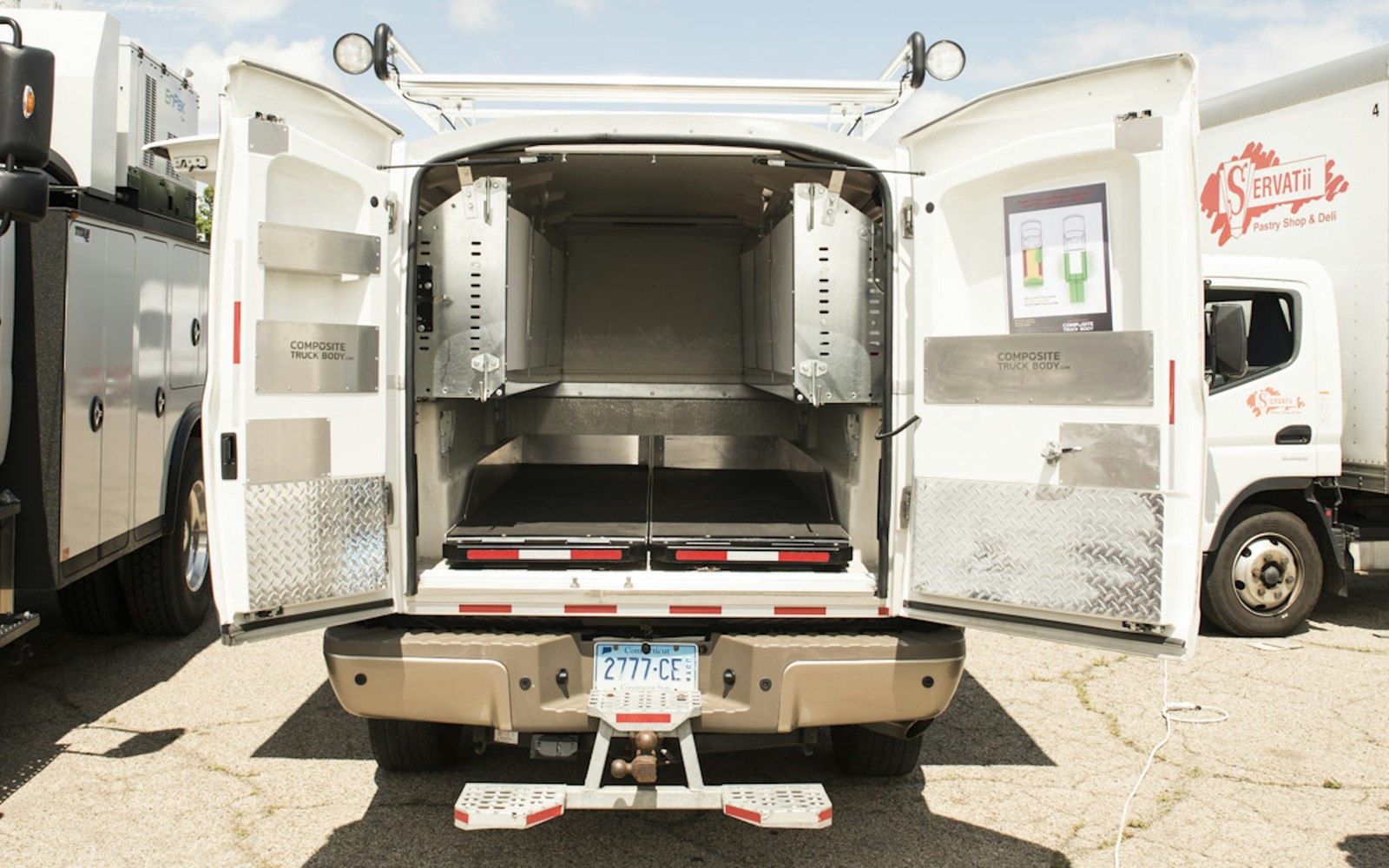
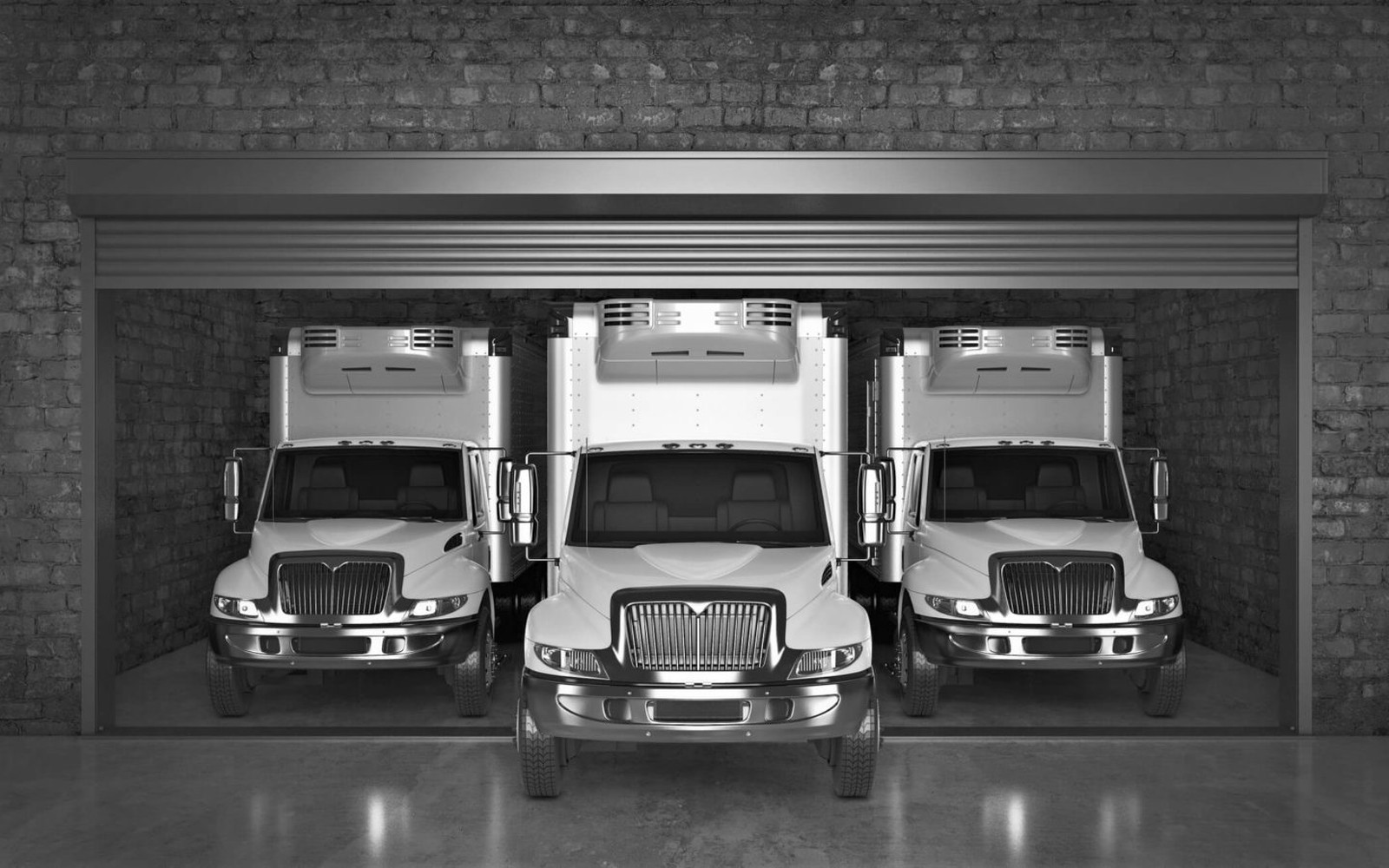
Box trucks in the 16-foot to 24-foot range serve higher-volume routes and commercial delivery applications. A 24-foot box with a Tommy Gate or Maxon lift gate is standard in furniture and appliance delivery. Hino and Isuzu medium-duty platforms are common in this segment, alongside Ford F-650 and International MV Series units with box bodies. We finance all of these platforms as complete upfitted vehicles.
Used delivery vans from DSP fleet disposals or rental fleet retirements are another common acquisition source. Fleet disposal Sprinters and Transits from former delivery operations can represent good value if the maintenance history is documented. Our used truck financing program covers these acquisitions.
Financing Timeline for Last-Mile Operators
Last-mile delivery operators face a specific timing challenge: route blocks and territory assignments often come with short lead times before operations need to begin. A DSP awarded a new block in a metro market may have four to six weeks before the assigned start date, and the vehicles need to be financed, delivered, and wrapped before day one.
Our typical close time for a last-mile fleet transaction is roughly two weeks after a complete file. For multi-unit fleet additions of five or more vans, the process is similar but the documentation may be slightly more thorough because the total transaction size is larger. We work with lenders who know the DSP model and can move efficiently on van fleet transactions.
Operators who have already been through our process once and established a relationship can often move faster on subsequent fleet additions. If you have an existing account with us, we leverage that relationship when you come back for the next route expansion. The goal is to make fleet financing a predictable, fast process so it does not become the constraint on your growth.
Scale Your Delivery Fleet
Apply with your equipment list and bank statements and we will build a financing structure for your delivery operation. Most last-mile fleet deals close in one to two weeks. No application fees, no obligation until you accept terms.