The construction cycle does not wait for slow lenders. When a site opens, grading starts, and the contractor who has trucks on the ground takes the contract while everyone else is still arranging their money. Dump truck financing is where we spend a significant portion of our time, because the operators who run aggregate, fill, and demolition debris need trucks that are ready when the bid wins, not three weeks after the dirt starts moving.
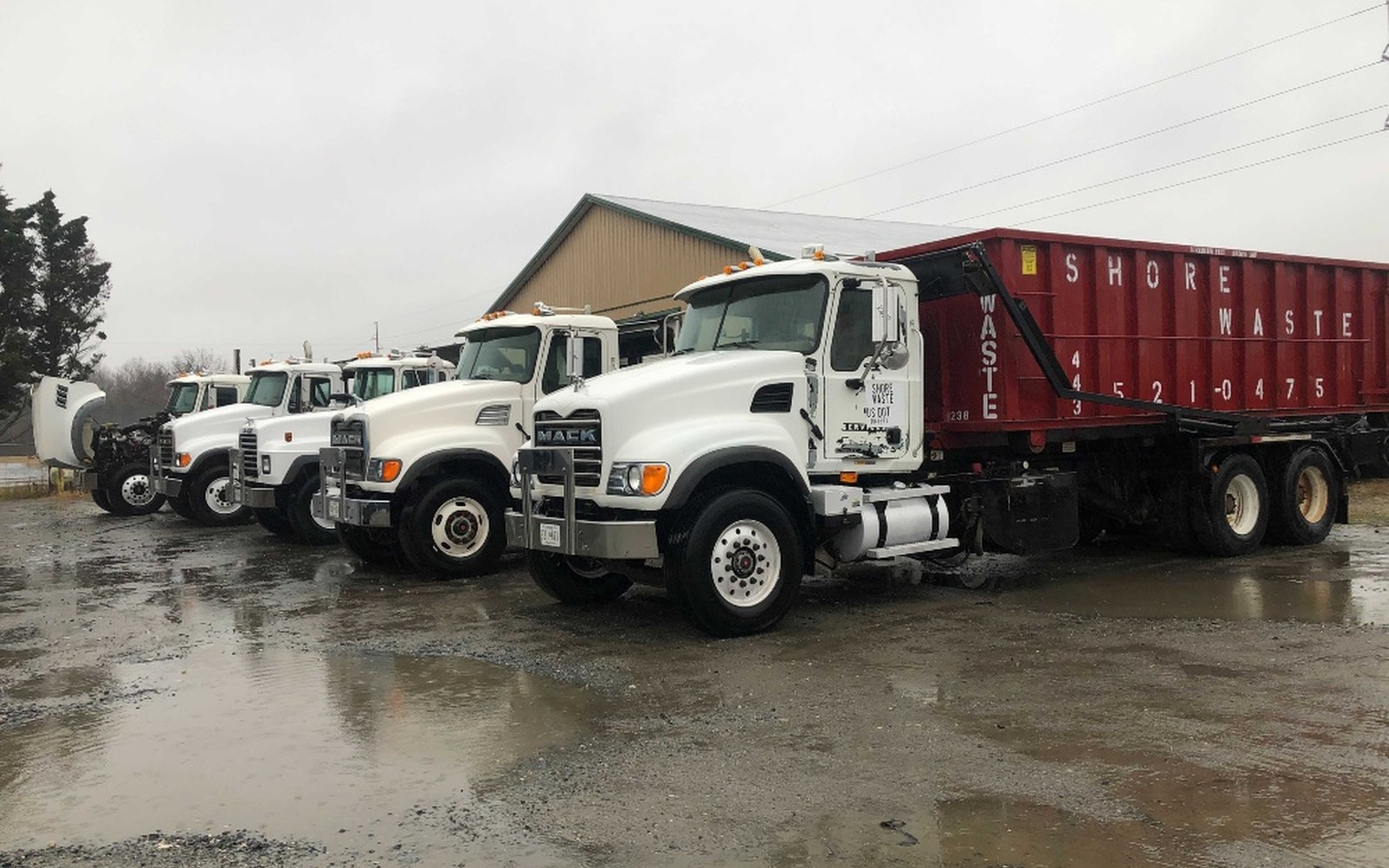
Dump trucks span a wide equipment category. A single-axle straight dump is a different investment than a tandem-axle or tri-axle that moves serious tonnage per cycle. Super dumps with additional lift axles and transfer dump combinations operate at the top of payload capacity for highway-legal configurations. Dump trailers paired with a tractor create yet another configuration. Our program covers all of these, from a first-time owner-operator buying a single used tandem-axle to a regional grading company adding multiple tri-axles for a multi-year highway project.
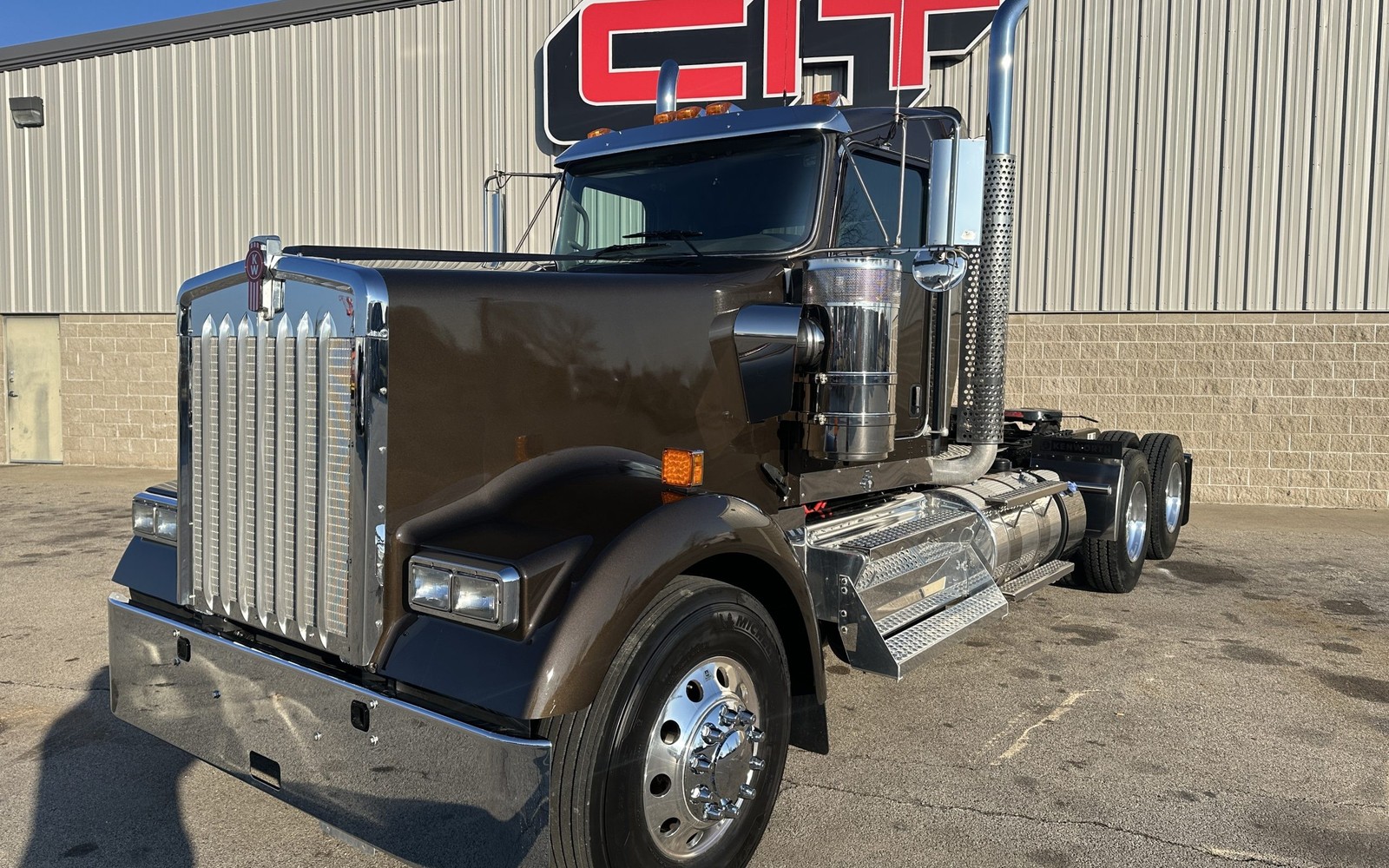
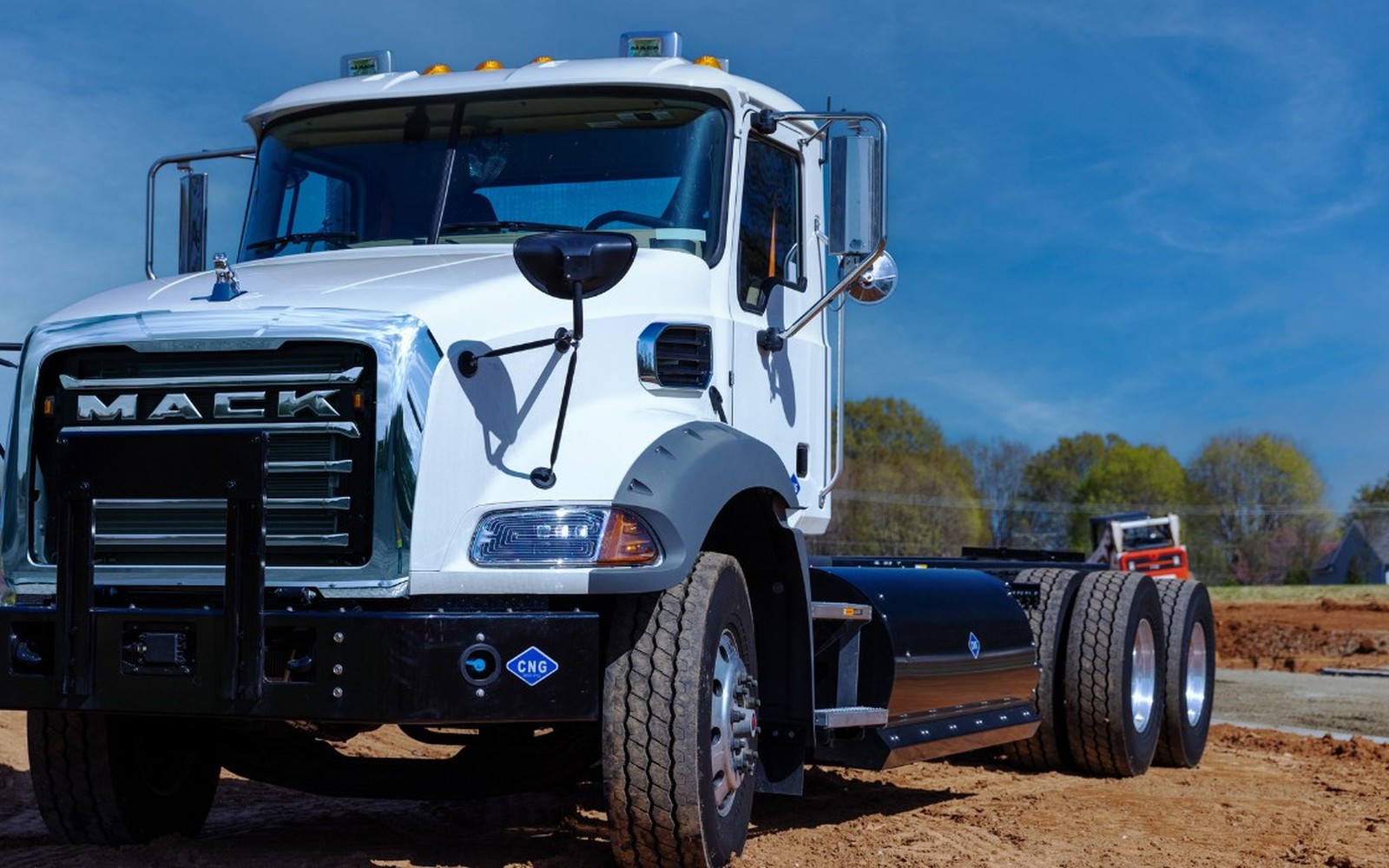
Pricing on dump trucks varies widely by configuration. A used tandem-axle in serviceable condition might trade at $60,000 to $90,000. A new tri-axle from a manufacturer like Kenworth or Mack with a full steel body and PTO can reach $160,000 to $200,000. Super dump configurations from manufacturers like Strong built and others can exceed $250,000 when fully loaded. We finance across this entire range, with a minimum deal size of $50,000 and application-only processing available up to approximately $400,000.
Where Dump Fleets Work and Why Financing Timing Matters
Dump trucks earn money in concentrated bursts tied to project cycles. A highway expansion, a subdivision site work contract, or a quarry supply arrangement can generate intense demand for trucks over a defined window. Operators who have the capacity lined up before the project opens capture the full duration of work. Those who are still sourcing trucks in month two of a six-month project miss income they cannot recover.
The construction industry across major metros like Dallas, TX, Houston, TX, and Atlanta, GA runs hot on infrastructure and residential development cycles. Local market intelligence matters here. A dump truck fleet in a market with active highway construction has a different earning outlook than one in a quiet market, and lenders who understand that context can structure deals that make sense for both sides.
Material haulers serving construction fleets and aggregate operations often need trucks that can perform specific functions. Body material matters: steel bodies hold up better in rock, aluminum is preferred for lighter materials where payload maximization matters. Financing the right spec, not just the cheapest available truck, is how fleet managers protect their long-term cost per ton.
What Equipment and Operators Qualify
We finance new and used dump trucks from recognized commercial manufacturers. Single-axle, tandem-axle, tri-axle, quad-axle, and super dump configurations are all within scope. Transfer dump combos (a dump truck pulling a separate transfer trailer) are handled on a case-by-case basis because the tractor and trailer portions finance differently.
Operator profile matters. We look at time in business, cash flow, and the nature of the contracts the trucks will work. A concrete foundation company with a long-term aggregate supply agreement has a clearer cash flow picture than a speculative operator running spot loads. That said, we work with both profiles. Operators with B or C credit are considered; prior business challenges do not automatically disqualify a deal.
New operators starting their first dump truck business need to be honest about the startup reality. We have a startup fleet financing program designed for first-time fleet owners, but expectations about down payment and credit requirements are higher than for established operations. Call us before you assume the answer is no.
Credit Profiles and Documentation We Work With
Application-only processing up to approximately $400,000 means a single dump truck or a two-truck package can often be approved without pulling tax returns. We look at the application, the credit report, and the equipment details. For operators with strong credit and a well-specified truck purchase, this is the fastest path to an approval.
Bank statements, typically three months, are used for larger packages or for borrowers whose credit requires more context. The bank statement review lets us see actual operating cash flow rather than relying solely on a credit score. A fleet generating strong revenue but carrying some credit blemishes from a prior business challenge often looks much better on the bank statement than on the raw credit report.
B and C credit programs are available. These typically carry higher rates and may require a larger down payment, but they exist because we believe an operator who needs a truck to work their way back to strong credit deserves a real path to doing that. Our B and C credit fleet financing page has more detail on what to expect.