Fleet managers who spec Kenworth consistently point to driver retention as part of the equation. A T680 with a well-configured sleeper, quiet cab, and predictive cruise system keeps drivers in the seat on long lanes, and driver turnover is one of the hardest costs to quantify but one of the first things experienced operators mention when they talk about running costs. That is a different kind of TCO argument than fuel burn alone, and it is the context in which a lot of Kenworth financing decisions get made.
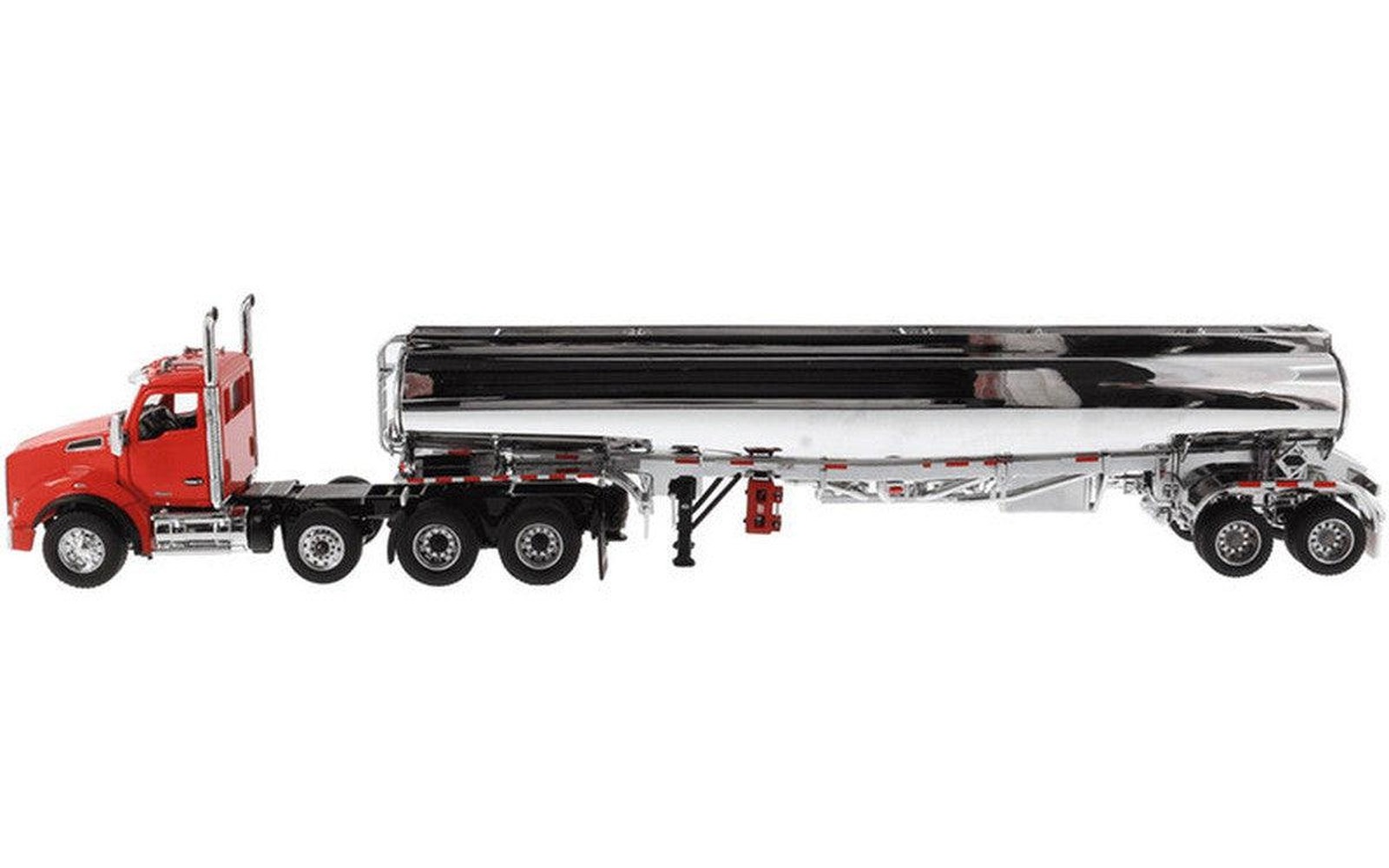
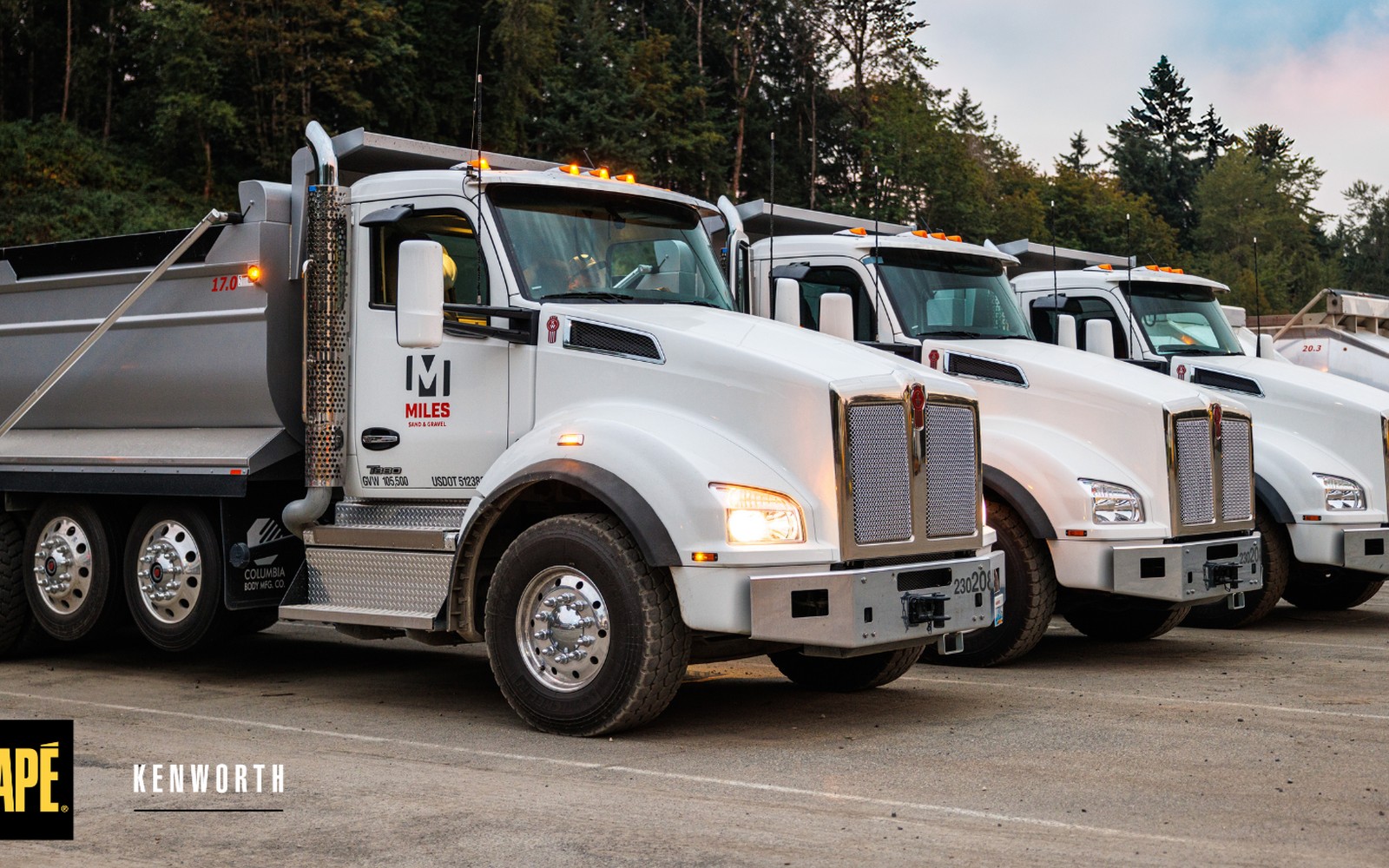
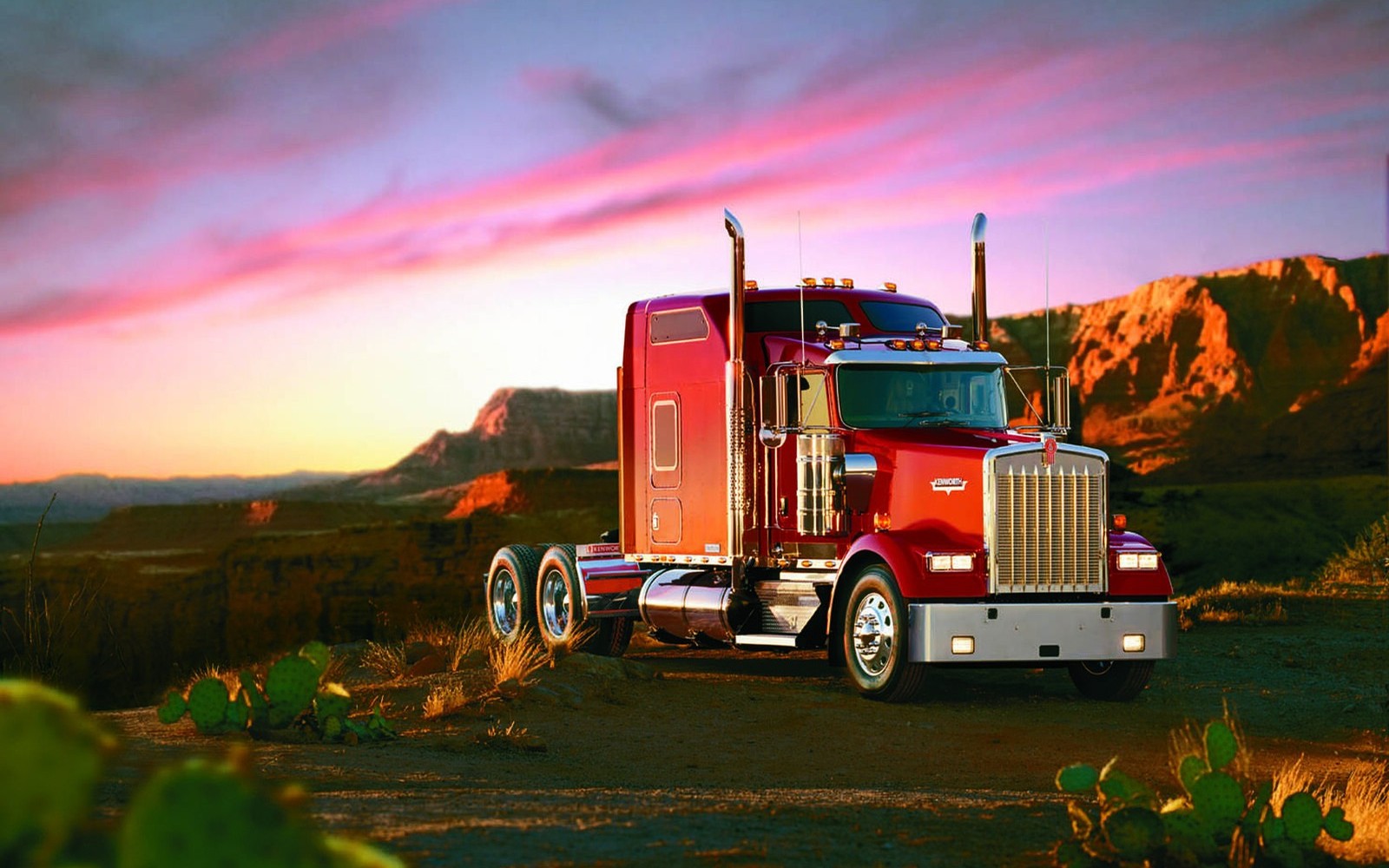
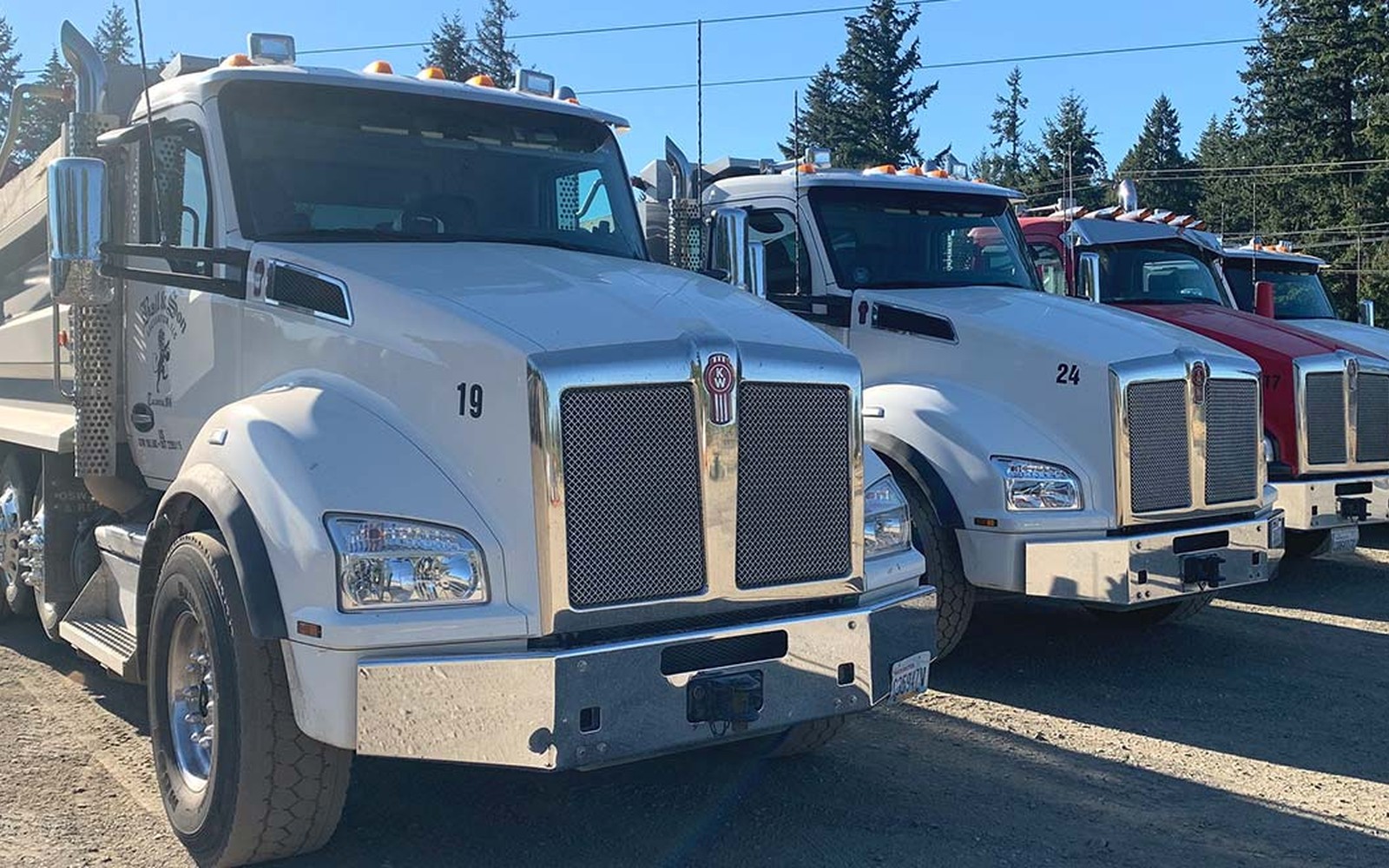
We structure fleet financing for the full Kenworth lineup, from the T680 line-haul tractor to the T880 heavy vocational and the W900 conventional that still dominates certain flatbed and owner-operator niches. Minimum deal size is $50,000, and most fleet replacement or expansion transactions can be processed on an application and three months of bank statements up to around $400,000. Larger fleet transactions follow a fuller documentation path but still move efficiently with the right package.
The T370 medium-duty occupies an important position for regional distribution, municipal work, and specialized services. Its GVW range and maneuverability profile make it the right fit for routes that cannot accommodate a full Class 8, and we finance it the same way we approach heavy trucks: based on the asset's actual utility and your fleet's cash flow rather than on a rigid formula.
Where Kenworth Trucks Operate and Why That Matters to Financing
Kenworth's PACCAR platform is shared with Peterbilt, which means parts availability, dealer network depth, and engine rebuild markets are common across both brands. For fleet operators, that interchangeability reduces downtime risk. For lenders, it means the collateral holds value across a wider secondary market. Both factors support the financing structure we build around Kenworth iron.
The W900 remains a dominant truck on agricultural flatbed, oversized-load, and long-haul tanker routes in the western states. Operators running lanes out of the Pacific Northwest into California and Nevada, or hauling oversized machinery through Utah and Colorado, often stay with W900 configurations for the visibility, cab height, and frame clearance on mountain routes. The resale market for well-maintained W900s is deep among owner-operators, which keeps the collateral value stable even on older model years.
The T880 sees heavy use in construction fleet and aggregate applications where tri-axle and quad-axle configurations are standard. Operators running quarry and ready-mix routes in the mid-Atlantic, Southeast, and Midwest have built fleets around the T880's payload capacity and durability. That vocational depth is a financing consideration because the trucks hold auction value differently than comparable line-haul units and often carry higher mileage at disposal without significant value erosion.
How We Structure Kenworth Financing
Term lengths on Kenworth financing typically run 48 to 72 months depending on the asset's age, the borrower's credit profile, and the deal size. New trucks generally qualify for longer terms because the collateral degradation curve is more predictable and there is more runway before the maintenance cost inflection point. Used trucks with solid condition reports can still access 48- to 60-month terms, which keeps payments at a level that works inside most fleet operating budgets.
Down payment requirements vary. Strong-credit operators may finance up to 100 percent of the purchase price on certain programs. Operators with B or C credit typically contribute 10 to 20 percent down, which also reduces the monthly obligation and improves the loan-to-value ratio. We work with B and C credit fleet financing programs specifically designed for operators who have a solid operating history but a credit file that does not meet prime thresholds.
Fleet managers who want flexibility on payment timing rather than fixed monthly installments sometimes use seasonal and deferred-payment financing, which allows structuring payments around predictable revenue cycles. This comes up frequently in agricultural hauling, where revenue concentrates in harvest windows, and in construction, where winter slowdowns affect cash flow.
Refinancing Existing Kenworth Units
Operators who financed Kenworth trucks at high rates during a tight credit period, or who took balloon payment structures that are now coming due, often come to us for a refinance that smooths out the payment stream and reduces the rate if market conditions allow. A fleet refinance on Kenworth iron typically requires the truck's current payoff, mileage, condition, and the borrower's current financials. If the collateral value supports it, we can refinance even when the current balance exceeds a generic book value estimate, because we evaluate real market comparables rather than software depreciation tables.
Operators with paid-off Kenworth trucks have a different option: a sale-leaseback that converts fleet equity into working capital. A fleet of six T680s that are owned free and clear represents significant capital sitting in the asset rather than in the operating account. A cash-out truck refinance or sale-leaseback unlocks that capital without requiring the operator to dispose of the trucks or reduce fleet capacity.