Food distribution does not tolerate a truck-down day the way other industries can absorb it. A grocery chain's delivery window is not flexible, a restaurant's pre-opening prep depends on product arriving on schedule, and a food service distributor's accounts will move to a competitor after one or two missed deliveries. Fleet uptime in this industry is essentially a service-level agreement, and the financing structure behind the fleet needs to support that standard.
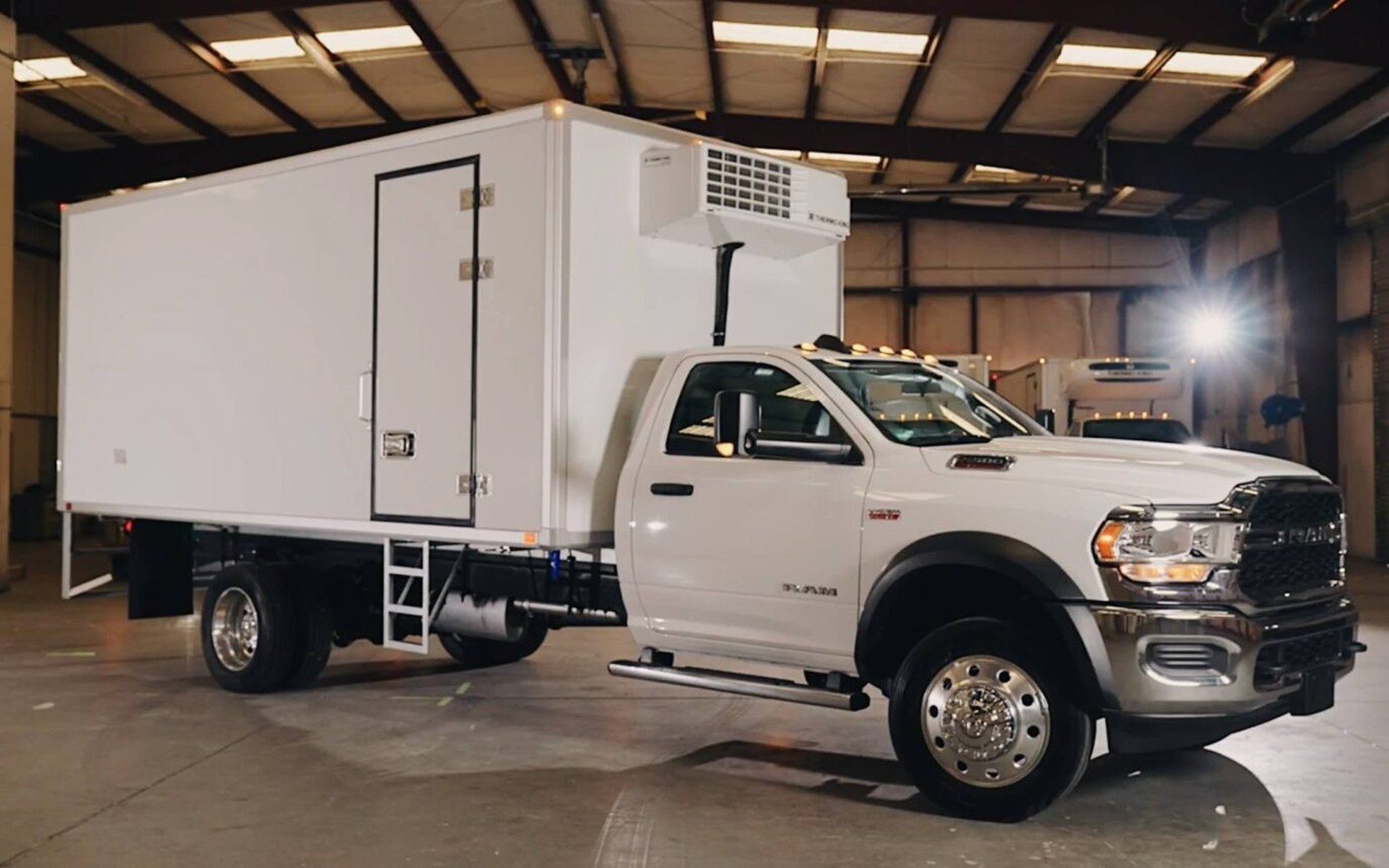
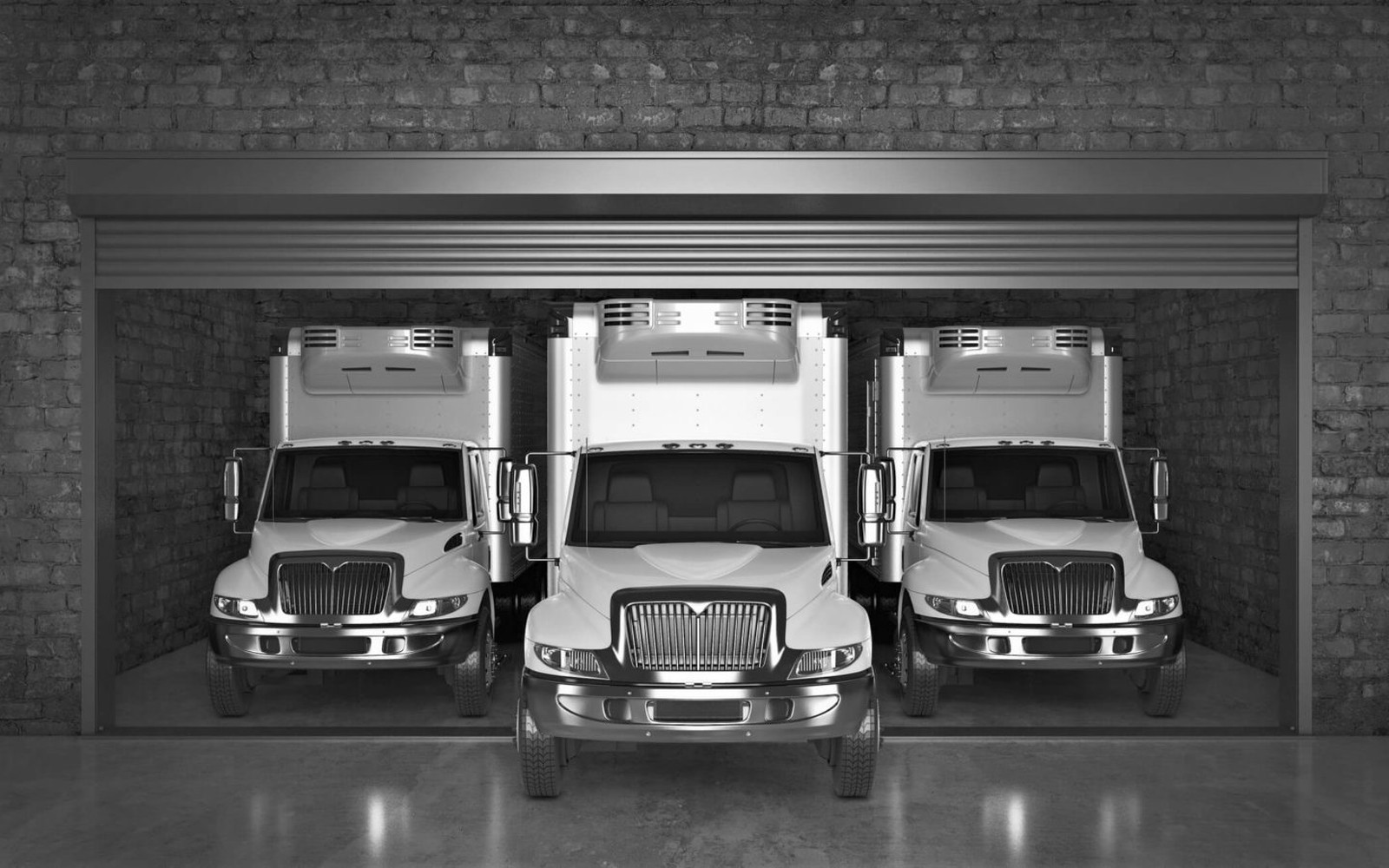
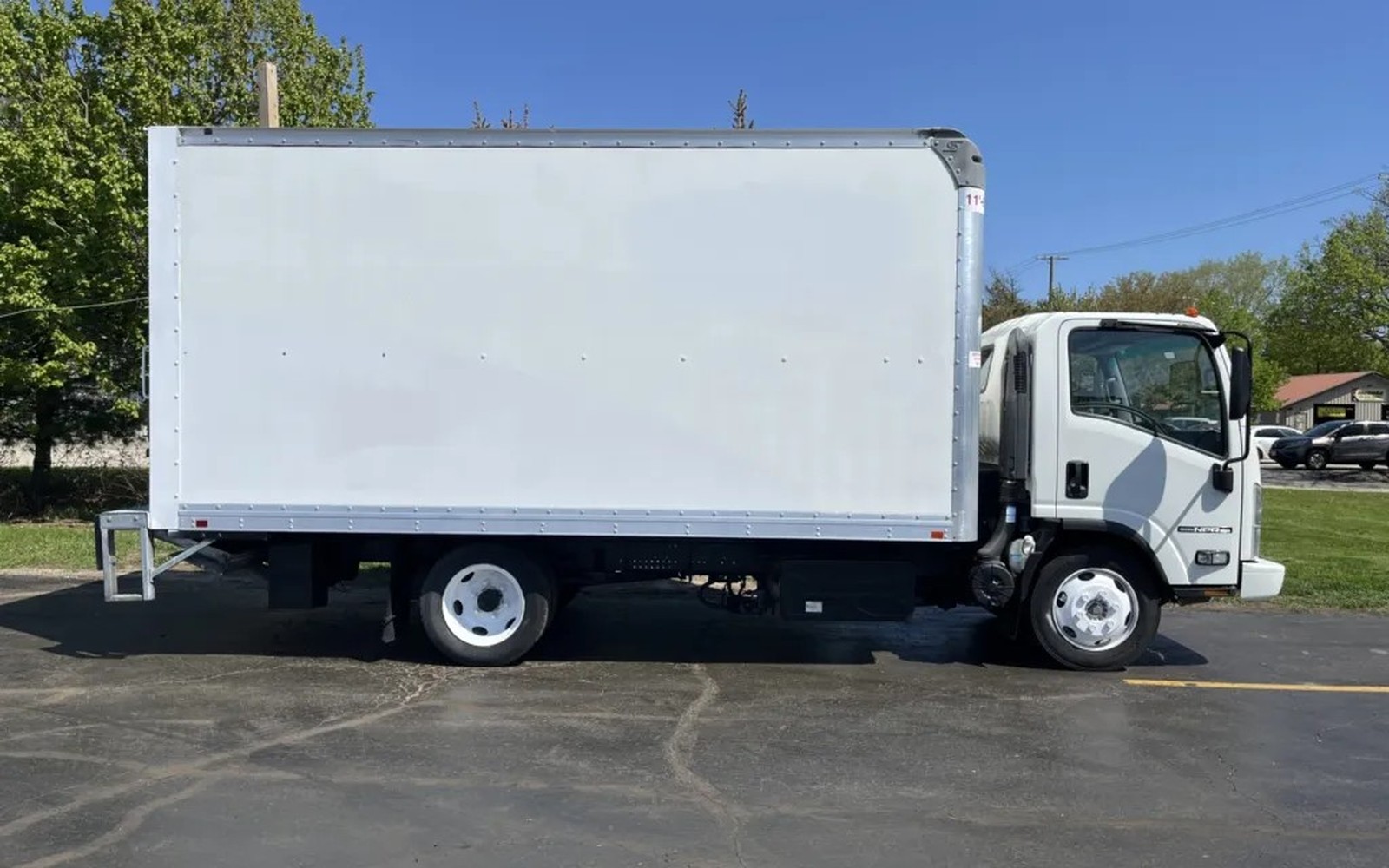
We work with food distributors across every sub-segment: broadline distribution, specialty food, produce, dairy, dry grocery, and food service. The truck types vary by temperature requirement and delivery route. Refrigerated truck fleets for temperature-controlled routes, box truck fleets for dry grocery and ambient-temp distribution, and straight trucks or medium-duty units for urban or high-density delivery routes are all in our lending programs.
Transactions start at $50,000 and the typical food distribution fleet deal runs $100,000 to $150,000 and up, covering multi-unit acquisitions or a full route-truck replacement cycle. Application-only approval covers many food distribution deals up to approximately $400,000, backed by three months of business bank statements. New and used equipment both qualify.
Temperature Control, Body Types, and What Lenders See
Refrigerated straight trucks are the most common food distribution asset we finance. The cargo body, insulation, and refrigeration unit, typically a Thermo King or Carrier system, are part of the collateral package and underwritten as a complete unit. Lenders who know food distribution understand that the reefer unit has its own service history and depreciation schedule separate from the chassis, and they factor that in when valuing the truck.
Walk-in van bodies with lift gates are essential for restaurant and food service distribution. The lift gate adds to the gross vehicle weight and the total asset value. We make sure lenders credit the lift gate and body equipment in the collateral valuation, which affects both the loan-to-value calculation and how much you can finance relative to the purchase price.
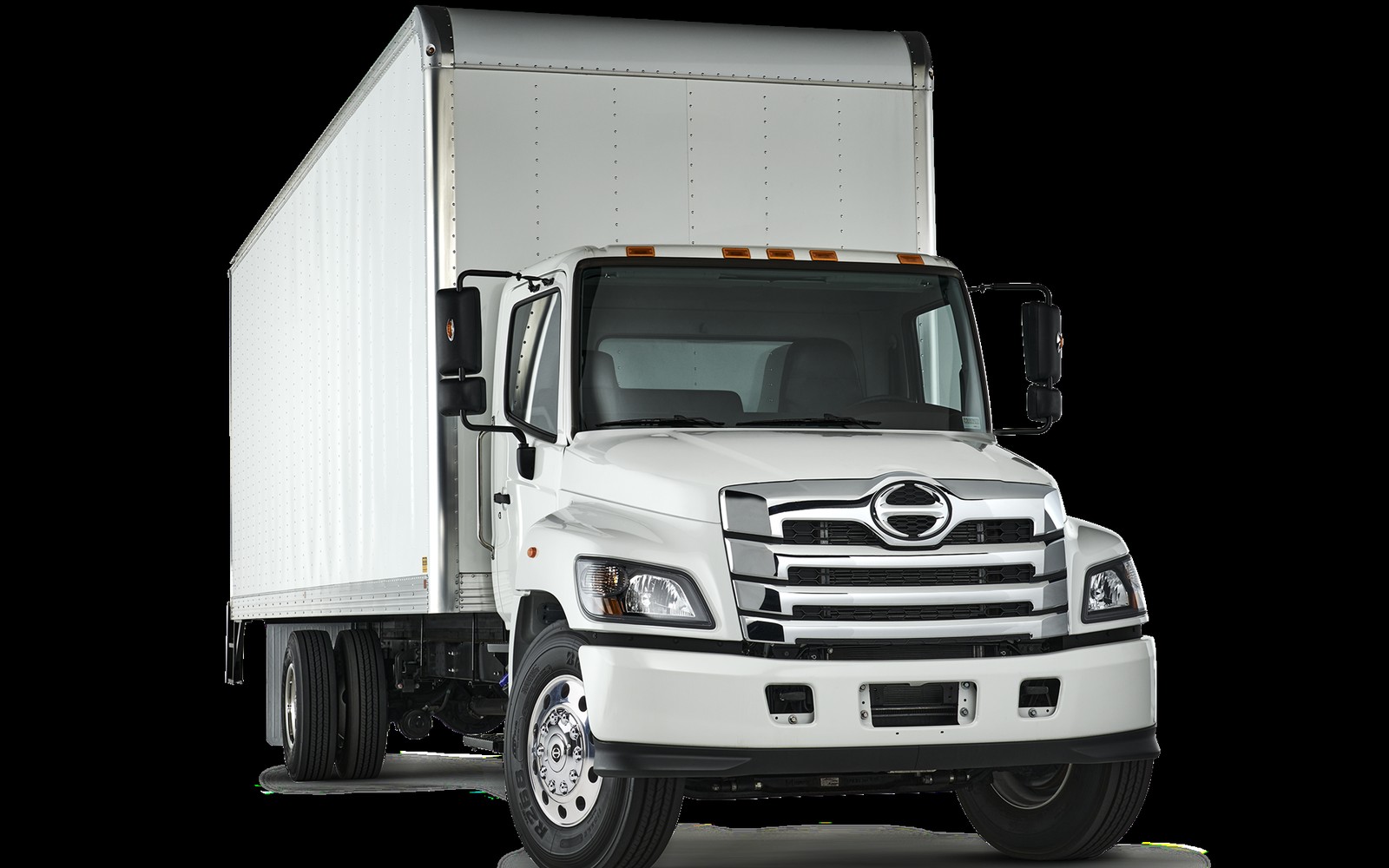
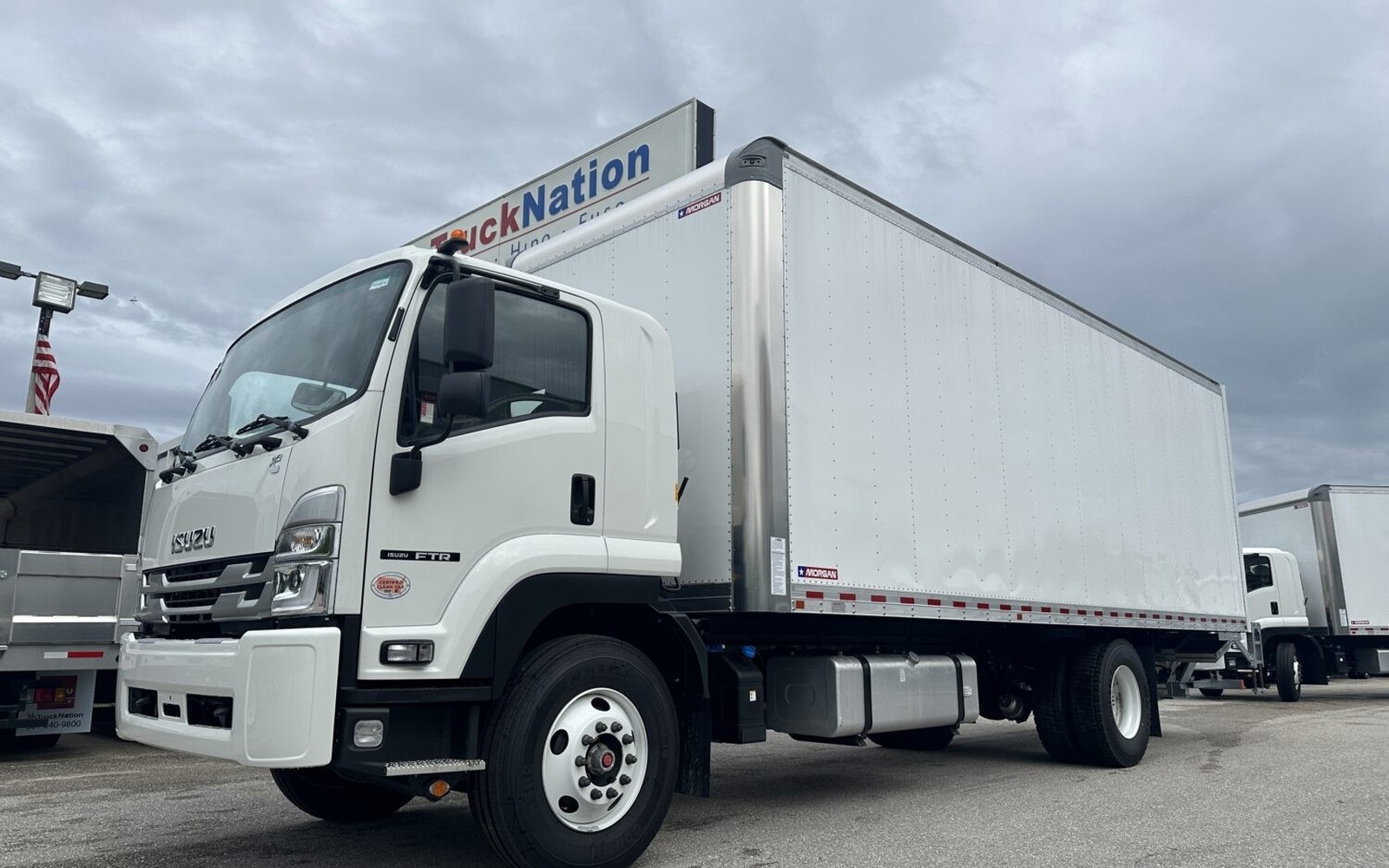
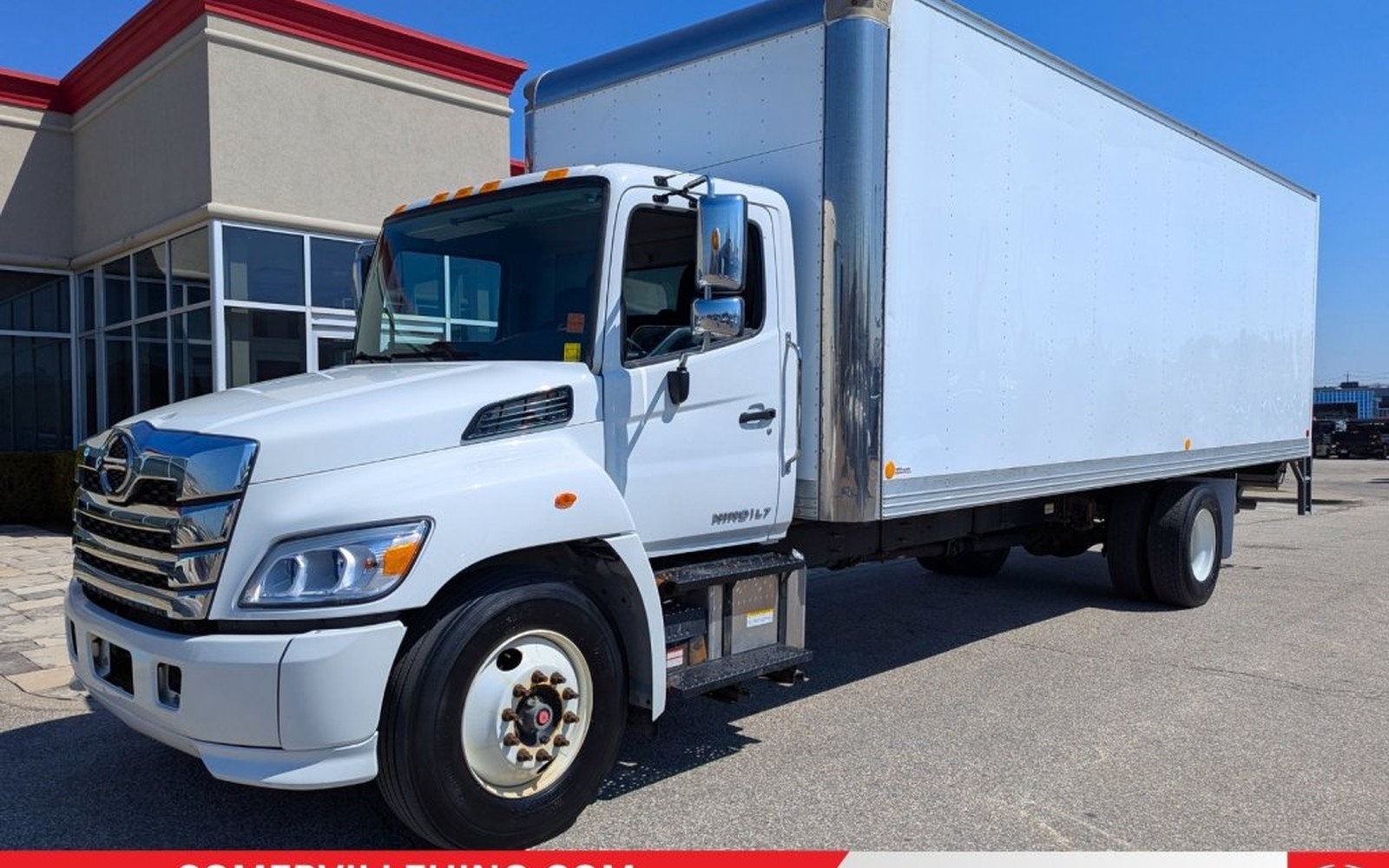
Medium-duty platforms from manufacturers like Isuzu and Hino are heavily represented in urban food distribution. The Isuzu NPR and the Hino 268 are two of the most common units in inner-city grocery and food service route operations. These are well-understood assets with deep secondary market support, which generally keeps financing terms favorable compared to less common platforms.
For broadline distributors covering longer routes and carrying heavier load weights, Class 6 and Class 7 straight trucks with 22-foot or 26-foot refrigerated bodies handle the volume. These can move toward Class 8 territory for large-volume distribution operations running regional lanes with full pallet loads.
Credit and Documentation for Food Distribution Operators
Food distribution businesses range from closely held family distributors to regional operations with dozens of routes and trucks. The credit profile varies just as widely. An owner-operator who built a small route business up to ten trucks over five years has a different financial presentation than a corporation that won a large broadline distribution contract and needs to fleet up fast.
For operators with B or C credit, the key inputs are recent bank statements showing consistent cash flow, evidence of distribution contracts or route accounts, and the current equipment list. Our B and C credit fleet financing program evaluates those factors together rather than making a decision purely on the credit score. A food distributor with route accounts at solid grocery or restaurant chains has revenue predictability that matters to a lender even if the credit file has some history.
Businesses looking to free capital from an existing reefer fleet should ask about a fleet sale-leaseback. This works particularly well for food distributors with paid-off refrigerated trucks. The trucks stay on your routes, the capital goes to your operating account, and the monthly lease payment replaces the depreciation of owned equipment.
Terms and Structures for Food Distribution Fleet Deals
Food distribution trucks are typically financed on terms of 36 to 72 months, with the term matching the expected useful life of the unit relative to the route it covers. A new refrigerated straight truck on a dense urban route may see 200,000 miles in five years. A rural distribution truck covering a lighter route cycle might stay productive longer. We structure the term to match the depreciation curve of the specific unit in the specific application.
Seasonal distributors, particularly those serving food service accounts that track the school year or hospitality operators with peak summer seasons, sometimes benefit from deferred or seasonal payment structures. A seasonal or deferred payment program lets you align cash outflows with revenue peaks rather than carrying full payments through low-revenue months. Not every lender offers this, but it is available in our network for qualified food distribution operators.
For established distributors looking to lower the cost of existing truck notes, a fleet refinance can consolidate multiple loans into a single payment at a better rate. This is worth examining if trucks were financed individually over time at different rates or if market rates have dropped since the original loans were originated.