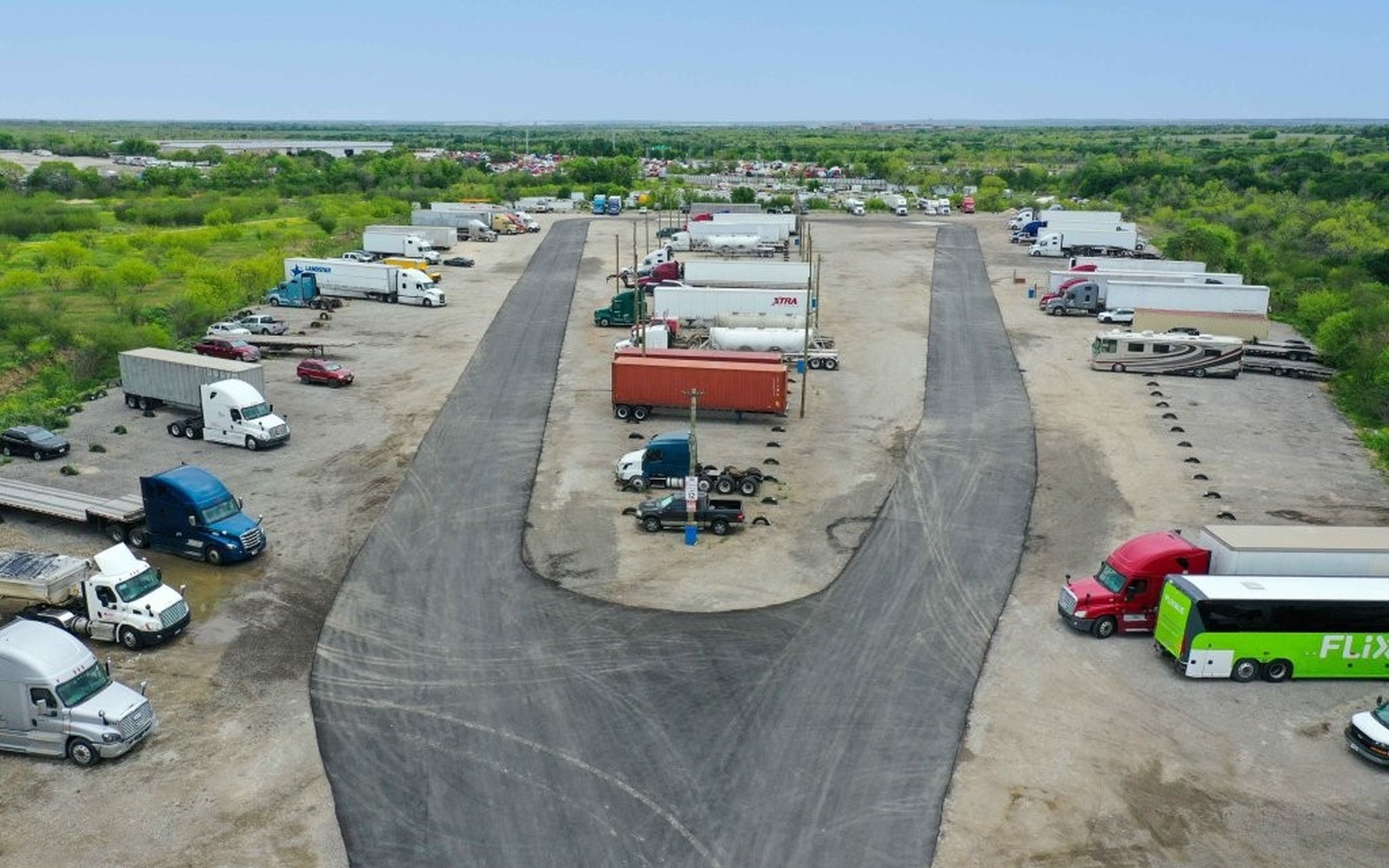
Dallas-area fleets carry freight that touches nearly every freight lane in the country. The DFW metroplex sits at the junction of I-20, I-30, I-35E, I-45, and the 635 loop, and those corridors funnel an enormous volume of truck traffic connecting the Gulf Coast ports, the Midwest, the Southeast, and the West. A fleet managing routes out of the Alliance or Mesquite corridors, or out of the dense distribution clusters along the IH-35 spine from Hillsboro north through Denton, is running equipment hard. That pace makes replacement-cycle discipline and low-downtime financing a direct line to cost-per-unit performance.
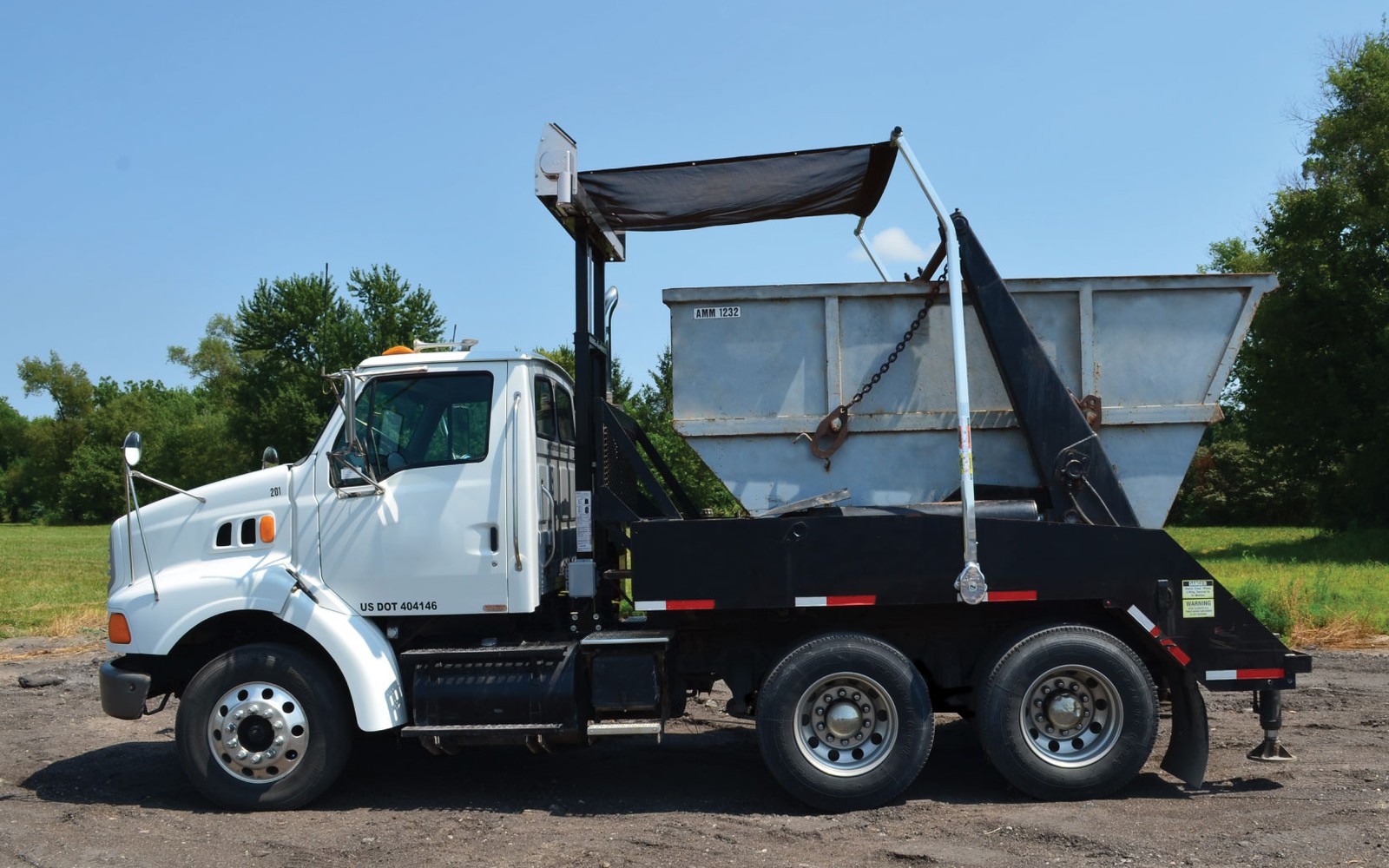
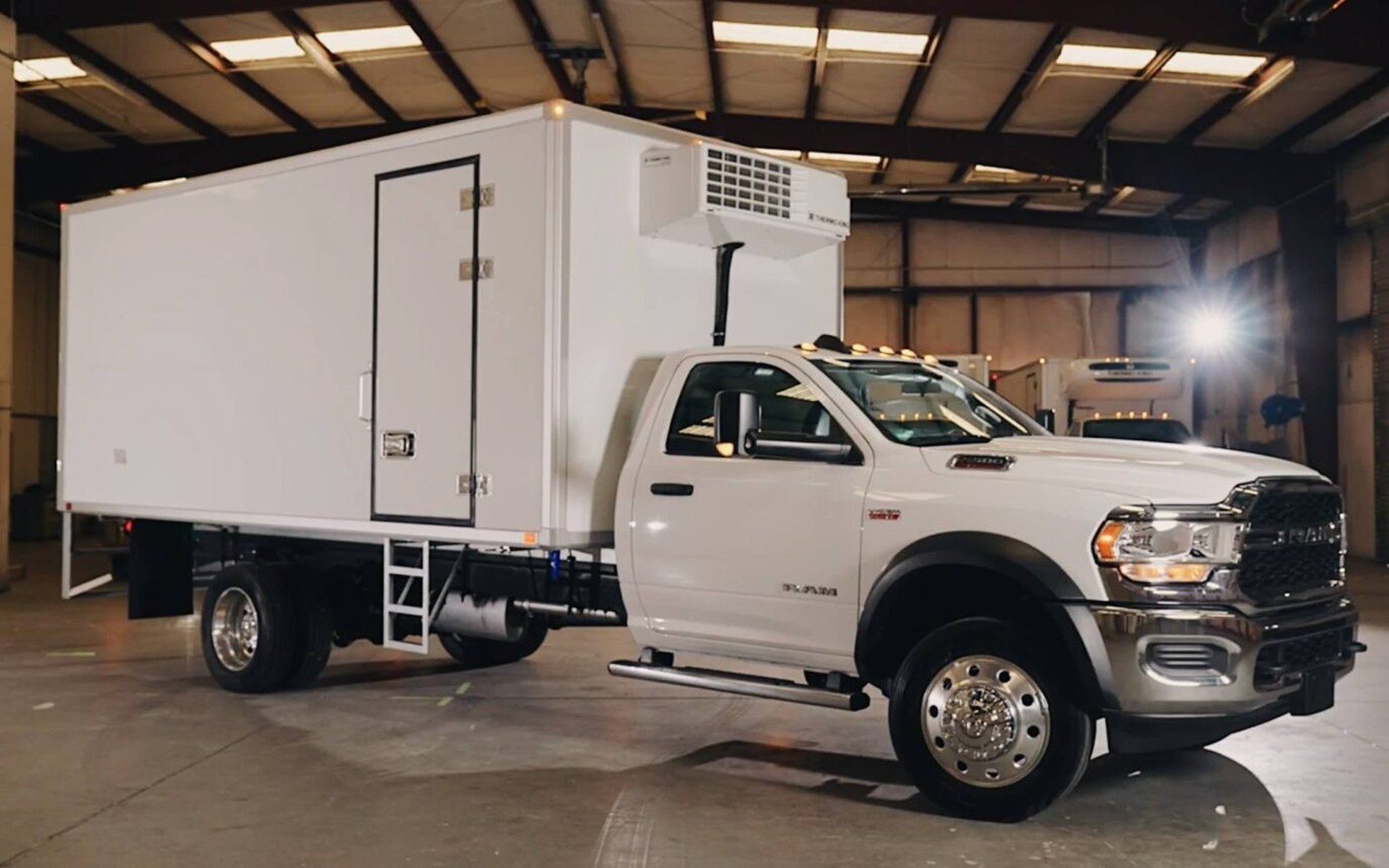
We finance truck fleets for Dallas operators across the full equipment range: sleeper tractors on long-haul Texas-to-Midwest corridors, day cabs pulling regional LTL freight through the DFW distribution network, refrigerated units serving grocery and cold-chain DCs, box trucks and cargo vans running last-mile delivery in the dense urban core, and specialty equipment like flatbed truck fleets supporting the area's active construction and steel-service sectors. Our minimum is $50,000, with a sweet spot around $100,000 to $150,000 per transaction, and application-only approvals available up to roughly $400,000.
Dallas Freight Volume and Fleet Demand
The Alliance corridor in far north Fort Worth and the southern industrial belt running from Lancaster through Wilmer are two of the most active logistics concentrations in Texas. Amazon, Walmart, FedEx, and dozens of third-party logistics operators have large distribution footprints in those zones, and the fleets supporting them run high annual mileage on predictable routes. Predictable routes make replacement timing a manageable calculation; the question is almost never whether to replace a unit, but when the financing math makes the swap smarter than keeping aging iron.
The area's energy sector also drives sustained demand for oilfield-services equipment moving between the DFW metro and the Permian Basin to the west. Oilfield services fleet financing for that corridor often involves heavier Class 8 equipment running the US 287 corridor toward Wichita Falls and then west into the Basin. Those units accumulate miles fast and often benefit from refinancing at the midpoint of their useful life rather than carrying an original note to term.
Food distribution is another significant fleet driver in Dallas. The metro's population density and its role as a regional grocery and foodservice distribution hub mean that refrigerated truck fleets are constantly cycling through replacement. Cold-chain operators working out of the Garland, Irving, and Grand Prairie DC corridors often run fleets of eight to twenty reefer units, and those fleets turn to us when a block of trucks is coming off lease or when a new DC contract justifies an equipment upgrade.
Structure and Terms for DFW Fleets
The financing structure we build depends on the fleet's situation. Purchase money financing on new or used units is the most common transaction, covering everything from a single replacement truck to a multi-unit block acquisition. For operators who want to preserve cash while acquiring equipment, a TRAC lease structures a residual at the outset, reducing the monthly payment relative to a loan and leaving the operator with options at end of term to buy, trade, or walk away.
For fleets with equity in older paid-off units, cash-out truck refinancing lets them pull that equity as working capital. In a market like Dallas where diesel, insurance, and labor costs can swing significantly quarter to quarter, having a liquidity cushion from the equity in your fleet is a meaningful operational advantage. We structure cash-out refinances on both free-and-clear units and on units that still carry a note, provided there is sufficient equity above the payoff.
Deal timing runs approximately one to two weeks from application to funding for most transactions. The application-only process handles the majority of deals under roughly $400,000. Larger or more complex transactions may call for three months of business bank statements. We do not require tax returns for most equipment-only deals.
Credit Situations We Work With
Dallas-area fleet operators come to us with a range of credit histories. Many are straightforward: a profitable operation with clean credit and a clear equipment need. Others have a more complicated story, a slow period that resulted in late payments, a prior bankruptcy, or a business that has grown quickly but lacks the credit depth a bank wants to see. We work with all of these.
Bad credit truck financing is not a fallback product for us; it is a structured approach that weights collateral quality and revenue evidence more heavily than credit score. A Dallas operator running documented freight contracts on solid equipment with verifiable bank deposits often qualifies even when the credit report is imperfect. The fleet's earnings power is real security.
Operators who are newer to business also have a path. New authority truck financing for carriers who have recently obtained their operating authority is a common request in this market. We look at the operator's prior driving and operations experience, the quality of the equipment they are trying to finance, and the load availability in their lane structure. A realistic freight plan backed by solid equipment is often enough to work with.