Cold chain capacity is not a luxury in food distribution, pharmaceutical delivery, or floral logistics. It is the business model. A refrigerated truck fleet that cannot hold temperature consistently loses accounts, faces regulatory scrutiny, and creates product liability exposure. Fleet managers running reefer trucks understand this pressure, which is why the decision to replace aging units or add capacity is usually driven by the equipment's performance history, not a calendar schedule. Our refrigerated truck financing is built for operators making exactly that kind of asset-driven decision.
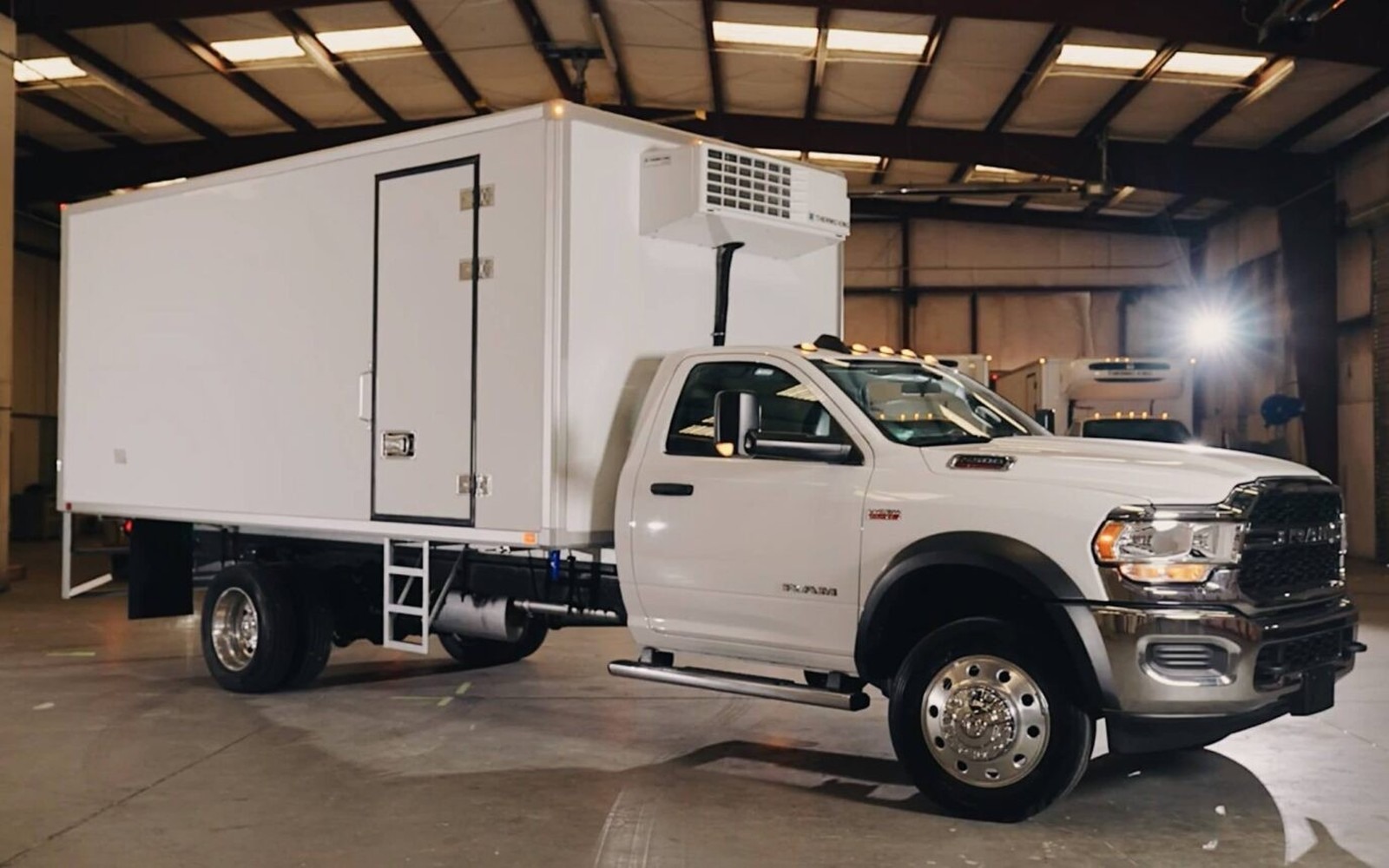
Refrigerated trucks range from Class 3 cargo vans with aftermarket refrigeration units to Class 7 straight trucks with factory-spec multi-zone reefer bodies. The refrigeration unit itself, typically from manufacturers like Thermo King or Carrier Transicold, represents a meaningful portion of the total acquisition cost and must be factored into the financing. A used Class 5 reefer straight truck with a Thermo King V-300 unit can trade anywhere from $50,000 to $90,000 depending on the box condition and the refrigeration unit's service history. New configurations with a multi-zone reefer body on a Class 6 platform can approach $130,000 to $160,000.
We finance the complete unit, refrigeration system included, under a single loan. You do not need to finance the chassis and the reefer system separately. Our minimum deal size is $50,000, with application-only processing available up to approximately $400,000. Operators in food distribution and produce and cold-chain logistics are among our most frequent customers in this equipment category.
What Lenders Look at in a Reefer Truck Deal
The refrigeration unit is a mechanical system with its own service history, and it matters to lenders because it affects the overall value of the asset. A truck with a refrigeration unit that has documented maintenance records and recent servicing is a stronger piece of collateral than the same truck with a reefer unit of unknown history. When you bring us a used refrigerated truck deal, we will ask about the reefer unit's hours, service records, and last temperature calibration.
Box condition is equally important. Reefer bodies are insulated panels, and foam core integrity degrades over time. A box with deteriorating insulation loses temperature hold capacity, which drives up fuel consumption on the refrigeration unit and, more importantly, risks product integrity. Lenders prefer to see box inspections on high-mileage used reefer trucks for this reason. If you are buying a used reefer, a box inspection from a qualified refrigerated body shop is money well spent before making the commitment.
For new reefer trucks, these concerns largely go away. Franchise dealer purchases with full documentation and OEM warranty on both the chassis and the refrigeration unit represent the cleanest financing scenario. These deals move through our application-only program quickly when the buyer's credit supports it.
Cold Chain Fleet Demand and What It Means for Financing
The cold chain logistics market has grown steadily as direct-to-consumer food delivery, restaurant supply complexity, and pharmaceutical distribution requirements all expand. Grocery chains, food service distributors, and regional produce brokers all rely on refrigerated trucks to move temperature-sensitive cargo on local and regional routes that Class 8 reefer trailers cannot efficiently serve.
Operators positioned in metro markets with dense restaurant and grocery concentration have particularly active work opportunities. Markets like Chicago, Dallas, and Los Angeles have large food service distributor footprints that depend on refrigerated last-mile equipment. Fleet managers who maintain reliable refrigerated trucks in those markets have consistent demand to justify their equipment investment.
The pharmaceutical and medical supply segment also drives reefer truck demand, particularly in the Class 3 to 5 range where smaller capacity vehicles serve hospital systems, pharmacy chains, and clinical logistics companies. This segment has specific temperature control requirements (often 2 to 8 degrees Celsius for pharmaceutical products) and documentation standards that favor newer, well-maintained refrigeration systems. If your reefer fleet serves this market, tell us, because it strengthens the credit case for your application.
Credit Profiles and What We Need From You
Application-only processing covers most individual reefer truck purchases and small multi-unit packages. For transactions under approximately $400,000 with an eligible borrower, we issue decisions without requiring tax returns. Time in business and credit profile guide the application-only eligibility. Operators with two or more years in business and serviceable credit typically qualify.
For more complex credit situations or larger fleet additions, bank statements provide the supporting data. Three months of business bank statements show us the operating revenue cycle, which for food distribution and cold chain operators often has predictable patterns tied to weekly delivery schedules. That regularity is useful in demonstrating repayment capacity even when the credit report has blemishes.
B and C credit is considered throughout our program. Operators who have navigated a prior business setback, a slow period that affected payments, or a personal credit issue can still access equipment financing. The path may require more down payment or a co-signer in some cases, but it is rarely a closed door. Our bad credit truck financing program provides more detail on what to expect in those situations.
Related Equipment and Trailer Combinations
Refrigerated truck operators who also pull reefer trailers behind Class 8 tractors are managing a mixed fleet. The straight truck reefer units and the tractor-trailer combinations serve different route types, and financing them properly requires understanding both segments. Our program covers both the refrigerated straight truck and the reefer trailer side of this equation.
Operators considering sleeper tractors to pull dedicated reefer trailers on longer lanes can bundle that acquisition with their straight truck reefer financing into a single application. Coordinating both asset types in one deal often streamlines the credit review and can improve the package terms compared to two separate applications.
Fleet refinancing is also worth considering for established cold chain operators with paid-off reefer trucks. Converting that equity to working capital via a cash-out truck refinance can fund a refrigeration unit overhaul on another unit, cover insurance payments on the fleet, or provide the liquidity needed to take a new distribution contract that requires upfront operational investment before revenue flows.
Teams evaluating this usually look at Seasonal & Deferred-Payment Financing, and Private-Party Truck Financing.
Keep Your Cold Chain Moving
Tell us what refrigerated units you need, new or used, and how many you are looking to add. We will come back with financing options sized to your operation and your cash flow. Apply today or call to discuss your fleet situation.