Trucks that sit idle three months out of twelve still carry fixed monthly payments in a standard installment loan, and that mismatch between cash flow and obligation is where a lot of otherwise solid operations get squeezed. Seasonal and deferred-payment financing exists to fix that mismatch. Instead of twelve equal payments, the schedule bends around your revenue calendar, concentrating the payment load in the months your fleet is running full and reducing it (or eliminating it) during the slow stretch.
This is not a gimmick or a deferral that quietly balloons the back end with penalties. It is a legitimate structuring choice that some lenders offer for operations with documented seasonal revenue patterns. Agriculture haulers moving grain from harvest through early spring, construction fleets that slow through deep winter in northern markets, and agriculture hauling operations in the Corn Belt and Plains states are the most common candidates. The payment structure follows the revenue, and the total interest cost is calculated on the actual outstanding balance at each point in the schedule.
Operations That Benefit from Seasonal Structures
The clearest candidates are fleets that haul commodities with a defined harvest or project season. A grain hauler whose trucks run hard from September through February and slow to a crawl from March through August has a lopsided revenue curve. A flat monthly payment schedule forces that operator to keep six months of reserves just to cover the slow period, capital that could otherwise fund fuel, tires, or a down payment on the next unit.
Contractors running dump truck fleets for highway and site work face the same problem in the northern tier of states, where frozen ground effectively shuts down earthmoving from December through March. The trucks are parked, the revenue stops, but standard financing does not pause with the ground. A skip-payment or reduced-payment structure in those months changes the calculation entirely.
Seasonal farm equipment support, propane and fuel delivery fleets with peak fall and winter demand, and even some landscaping fleet operators whose truck hours concentrate in the spring-through-fall growing season can all qualify. The key requirement is that the seasonality be documentable from bank statements and, ideally, from tax returns showing the revenue concentration.
We also see deferred-start structures used for a different purpose: giving a newly acquired fleet time to ramp up revenue before full payments begin. A fleet buyer who acquires five units from a retiring operator and needs 60 to 90 days to complete driver hiring and lane setup can sometimes negotiate a 90-day payment deferral at the start of the term. The interest accrues and capitalizes into the balance, but the operator is not making payments before the trucks are earning.
How the Payment Schedule Is Built
There is no single template for a seasonal payment structure. The most common forms are: skip-payment schedules that zero out two to four monthly payments per year (typically in the slow months), step-down structures that reduce the payment by 40 to 60 percent during the off-season and increase it during active months, and deferred-start arrangements that push the first payment out 60, 90, or 120 days from funding.
The lender calculates total interest based on the actual outstanding principal at each payment date. A skip-payment structure does not cost you zero in those months; the interest for those periods accrues and is either added to the remaining balance or distributed across the active-month payments. The economics are transparent and modelable, and we walk through the full amortization schedule with you before you sign so you understand exactly what the total cost looks like compared to a flat monthly structure.
Lender availability for these structures varies. Not every commercial truck lender offers seasonal payment options, and those that do typically require stronger documentation: two or more years of tax returns showing the seasonal revenue pattern, bank statements confirming the low-cash months, and sometimes a revenue projection for the year ahead. Fleet deals with an established track record of seasonal operation qualify more easily than first-time buyers attempting to describe a pattern they expect rather than one they have demonstrated.
Minimum deal sizes for seasonal structures tend to run higher than for standard truck financing because the administrative cost of a custom payment schedule is only worth it at a certain volume. Most lenders require at least two to three units or a combined transaction value above the $100,000 range to consider a custom schedule. Single-unit deals at lower price points are more likely to get a flat payment with a recommendation to build a cash reserve for the slow months manually.
Why Cash-Flow Timing Matters for Fleet TCO
Fleet total cost of ownership (TCO) analysis usually focuses on fuel, tires, maintenance, and depreciation. Payment timing rarely shows up in the TCO model, but it affects operational decisions in ways that cost real money. An operator forced to service debt at full rate during a zero-revenue month either draws down a cash reserve (which costs the opportunity cost of that capital), draws on a credit line (which costs explicit interest), or defers maintenance to preserve cash (which accelerates future repair costs and reduces uptime). None of those outcomes are free.
A payment structure that mirrors the revenue calendar eliminates the need for the buffer entirely. The money that would have sat in reserve earning minimal yield is instead available for driver wages, preventive maintenance, and fuel purchasing programs during the active season. Over a 60-month term, that redeployment of working capital compounds into a measurable TCO reduction, even if the gross interest cost of the seasonal structure is marginally higher than a flat-payment loan at the same rate.
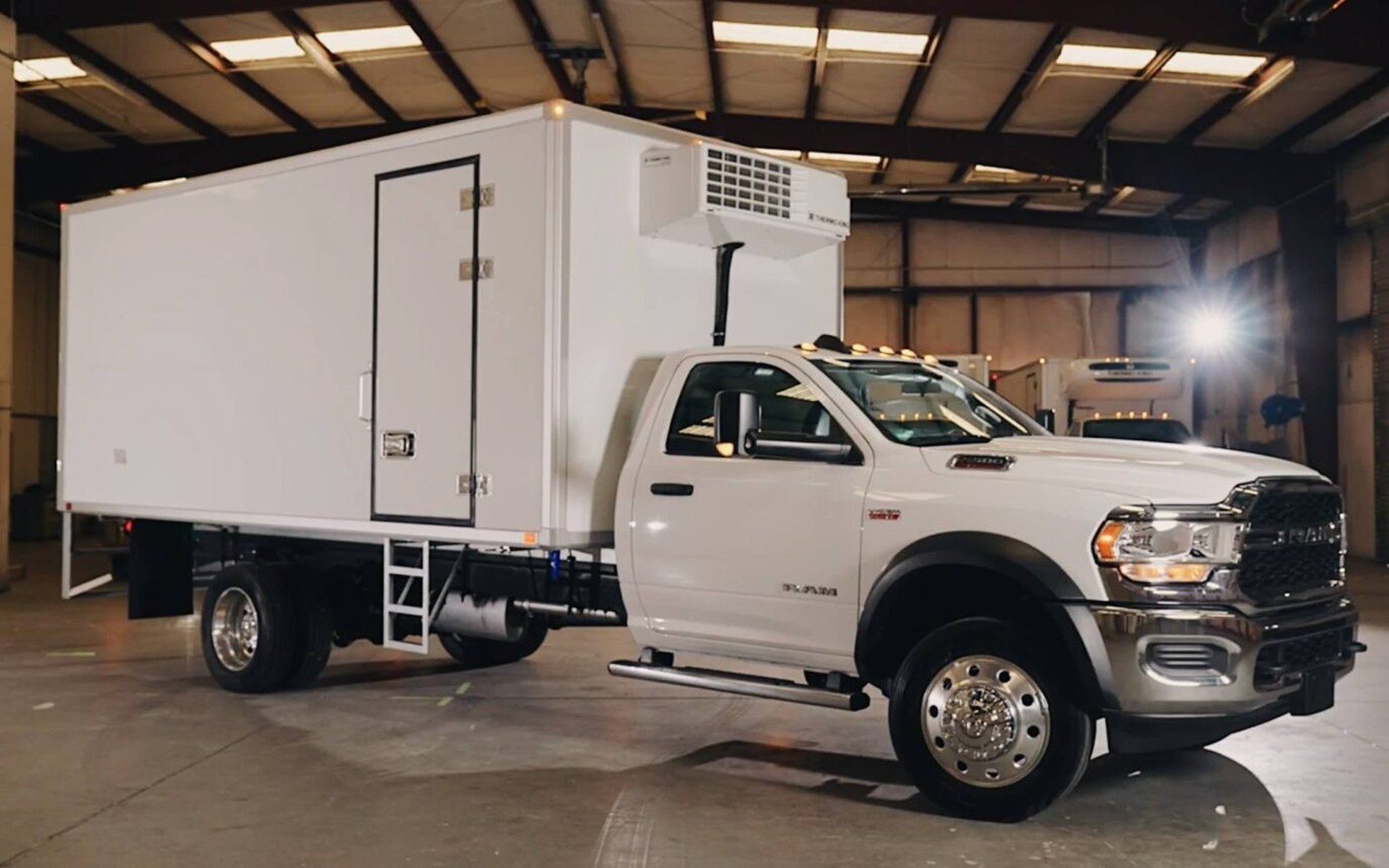
Operators who run refrigerated truck fleets for produce season, or who haul sugar beets, potatoes, and other field crops on tight harvest windows, understand this intuitively. The math tells the story: a fleet that does not have to slow down driver hours or defer oil changes in February because of a payment spike is a fleet that holds uptime through the whole year, not just the active months.
Related Structures to Consider
If a full seasonal payment schedule is not available from the lenders we place your profile with, there are related structures worth evaluating. A fleet equipment line of credit gives you a revolving draw facility where you finance additional units as needed and make payments based on what you have drawn. This does not solve the seasonal payment mismatch on existing iron, but it does give the fleet better access to capital during ramp-up periods without locking into fixed monthly obligations on undrawn capacity.
A fleet sale-leaseback is another tool for operators whose existing trucks carry equity. Selling the trucks to a lender at fair market value and leasing them back generates a lump sum of working capital that can serve as the seasonal cash buffer, essentially self-funding the slow months from the equity already in the iron. The lease payments that follow can sometimes be structured seasonally as well, depending on lender flexibility.
For operations that simply need breathing room at the start of a new acquisition, a application-only fleet financing structure with a 90-day deferred start is often faster to arrange than a full seasonal schedule, because it requires less documentation and more lenders offer it. If the primary goal is just to get trucks working before the first payment hits, that may be the more practical path.
Build a Payment Schedule That Fits Your Season
Tell us your revenue calendar and the equipment you need to finance. We will identify which available equipment finance programs offer seasonal structures for your operation type, model the full amortization against a flat-payment alternative, and show you the total cost of each path. Send us three months of bank statements and a basic description of your fleet needs and we will come back with real numbers, not estimates. Funding on qualified deals typically closes in one to two weeks.