Freightliner holds a larger share of the North American Class 8 market than any other single brand, and that market presence matters in two practical ways for fleet managers: parts are available nearly everywhere, and the secondary market for used units is broad enough to support strong residuals on well-maintained trucks. Both reduce the risk side of a multi-unit fleet financing decision. A lender who knows the collateral will move at auction without a discount is a lender who can offer better terms, and that dynamic plays out consistently in our Freightliner deals.
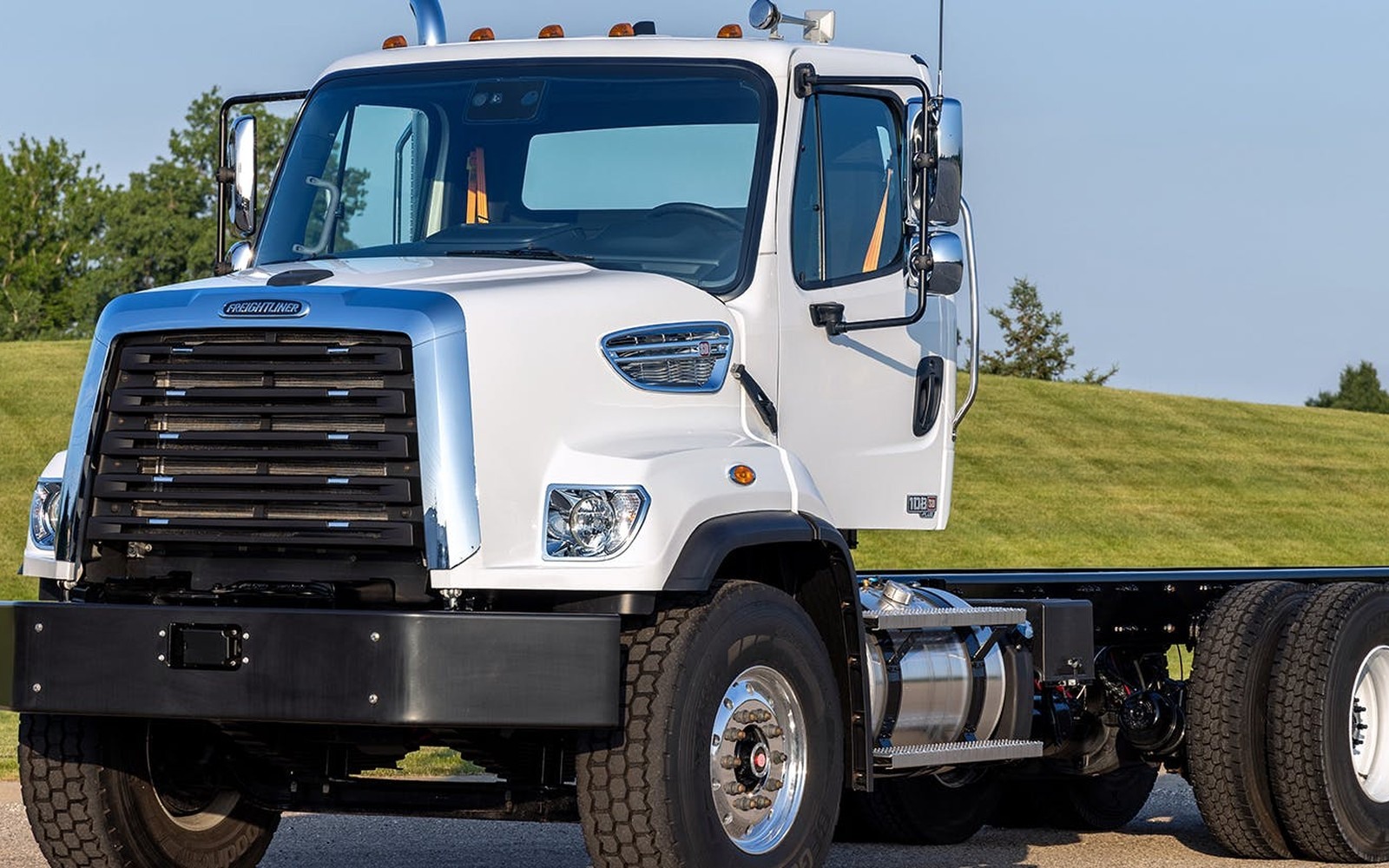
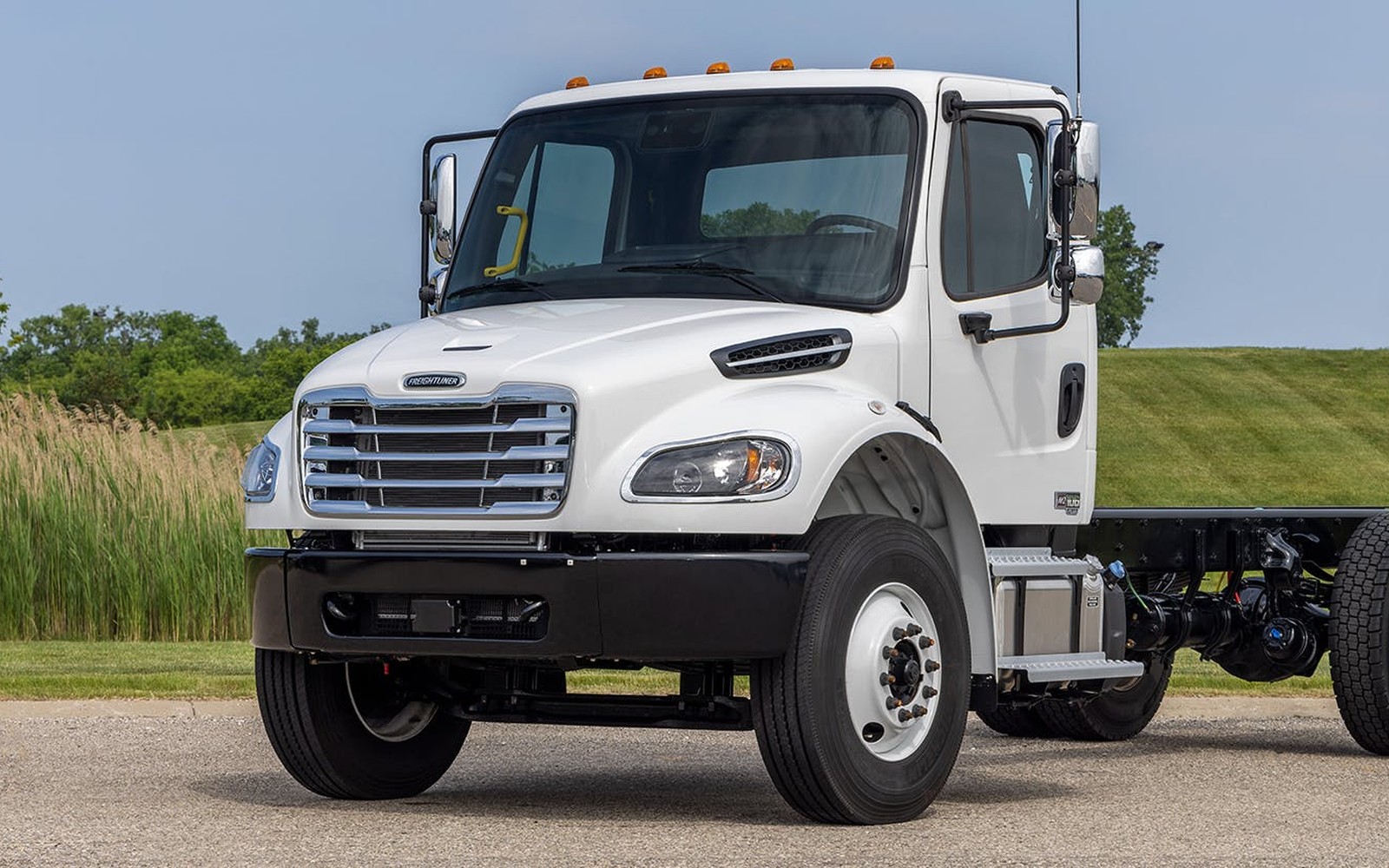
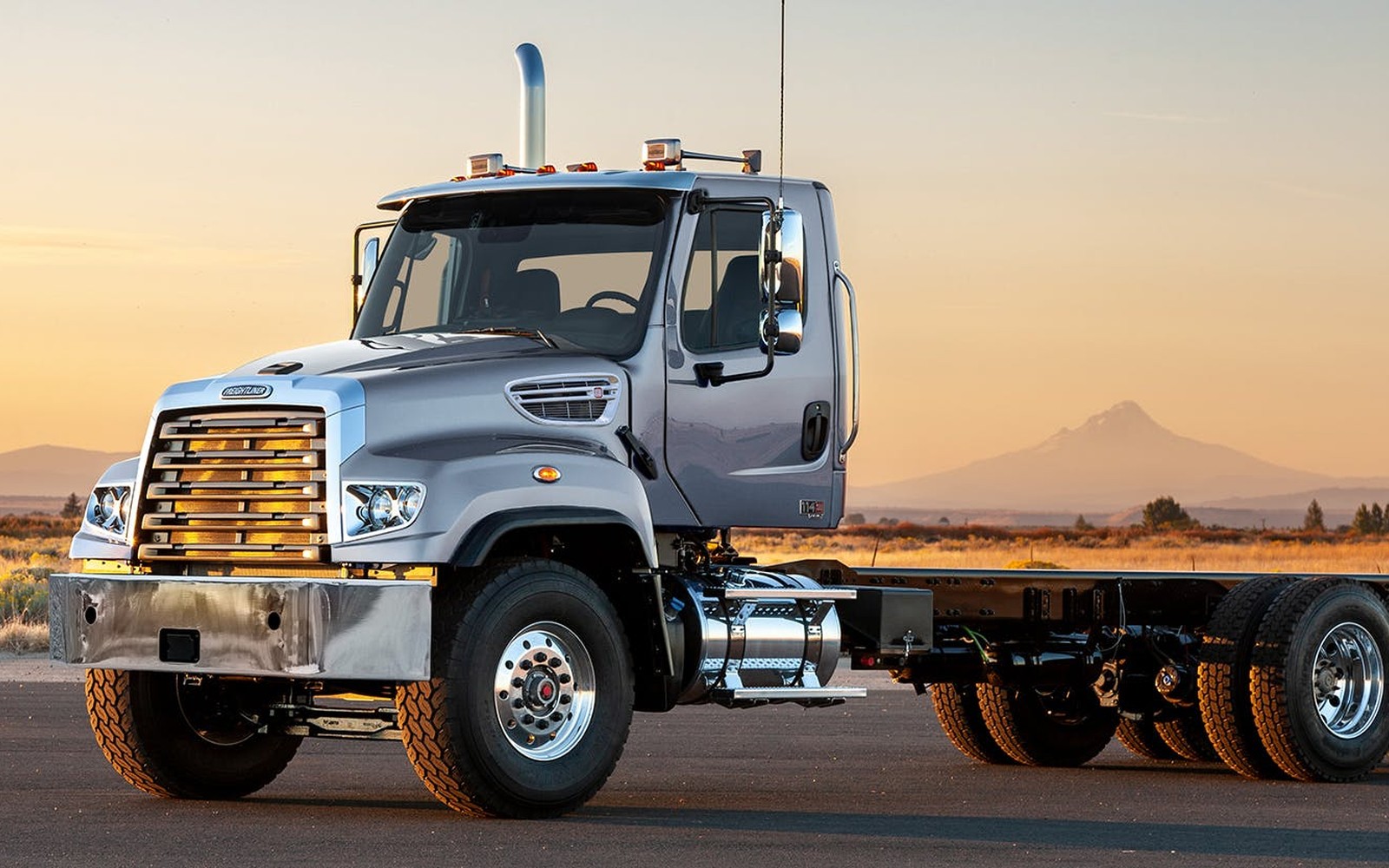
We finance the full Freightliner lineup. The Cascadia dominates our line-haul applications, where operators running regional and long-haul freight need fuel efficiency numbers that translate directly to cost-per-mile advantages. The M2 106 is the workhorse of our medium-duty pipeline, showing up in box truck, straight truck, crane, utility, and vocational configurations across dozens of industries. Vocational operators who need a severe-duty chassis turn to the 114SD and 108SD for refuse, mixer, and construction applications.
Minimum financing is $50,000. Simplified applications covering up to roughly $400,000 need only three months of bank statements in addition to the one-page application. Approvals typically come back within a day on clean files, and funding completes in one to two weeks including title work.
Freightliner's Range and What It Means for Financing
The Cascadia is the highest-volume Class 8 truck in the U.S. market, which means lenders are deeply familiar with it as collateral and dealers in every major freight corridor can service it. For fleet operators, the Detroit DD13 and DD15 engines that power current Cascadia production have established rebuild markets and well-documented maintenance intervals that make long-term ownership cost predictable. Predictable operating cost is the foundation of a financing structure that works over a five- or six-year term without surprises.
The Cascadia's aerodynamic package, including its integrated roof fairing, side extenders, and underbody treatments, delivers measurable fuel efficiency gains compared to earlier generations. Fleets running significant annual mileage find that the fuel savings relative to an older unit can offset a meaningful portion of the monthly financing obligation, which is the kind of operating math that makes a new truck purchase justifiable on a strict TCO basis rather than just a preference.
The M2 106 occupies a different space: it is the medium-duty truck that appears in last-mile delivery fleets, regional distribution, and service-body applications where a full Class 8 is either too large or too expensive for the route. Its GVW range, spanning from 25,995 to 66,000 pounds depending on configuration, and the wide variety of body options make it the most versatile asset in our Freightliner pipeline. Medium-duty trucks often require slightly different underwriting than Class 8, because body type, vocation, and end use affect residual value in ways that do not show up in generic truck depreciation schedules.
Operators Who Finance Freightliner Through Us
Truckload and LTL carriers looking to refresh aging Cascadia units are a consistent part of our deal flow. The economics of running a pre-2020 Cascadia versus a current Detroit-powered unit on a million-mile cycle can be significant enough that a well-structured term loan on a new unit pays for itself in fuel and maintenance before the loan matures. We model these scenarios on request when the fleet manager wants to see the numbers before committing.
Construction contractors and utility operators who need M2 106 or SD-series trucks for specific body configurations represent another major segment. These operators often buy through body-upfitters rather than directly from a Freightliner dealer, and the financing needs to accommodate both the chassis cost and sometimes the body cost in a single transaction. We handle combined chassis-and-body transactions when the upfitter can document the completed unit value.
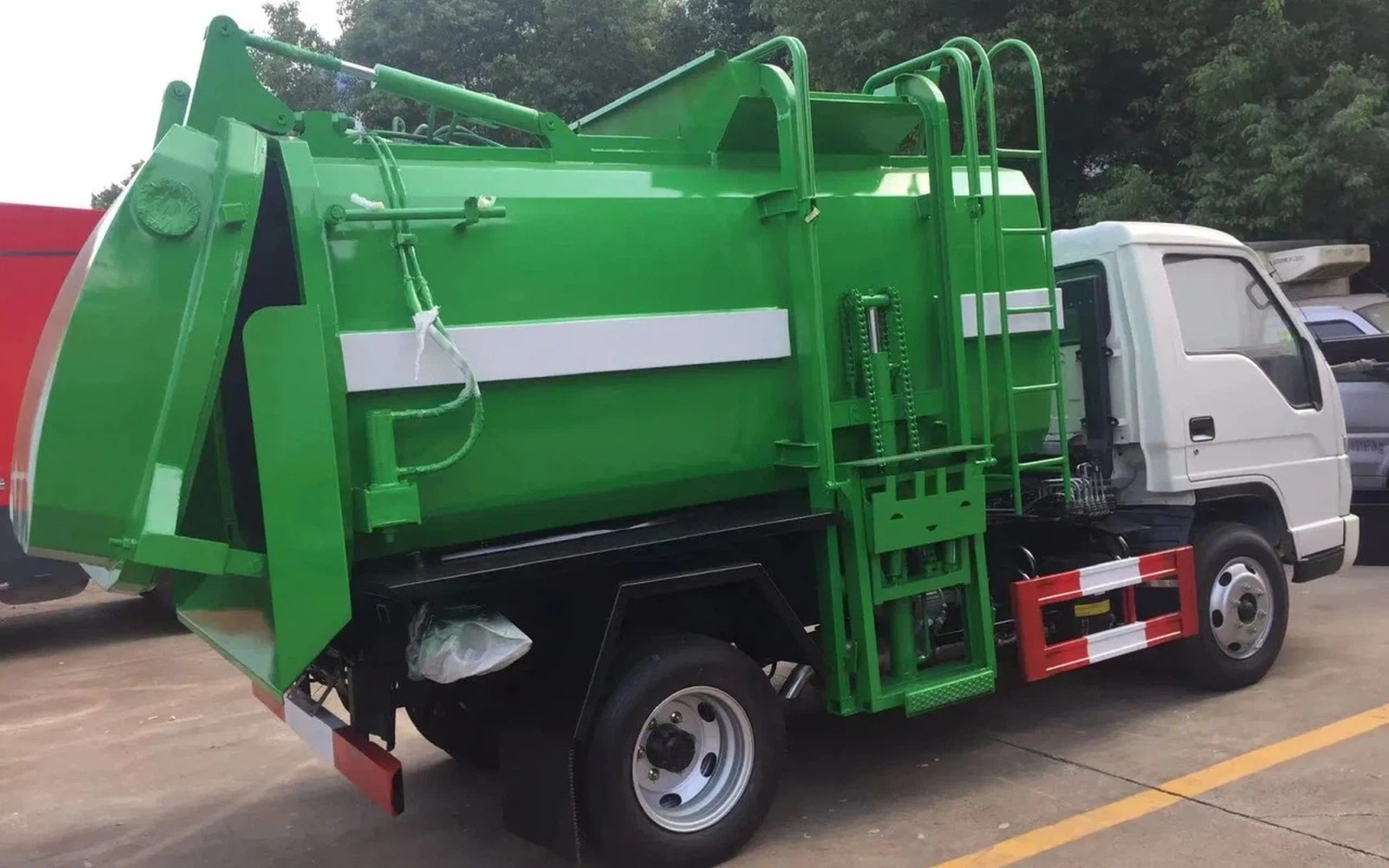
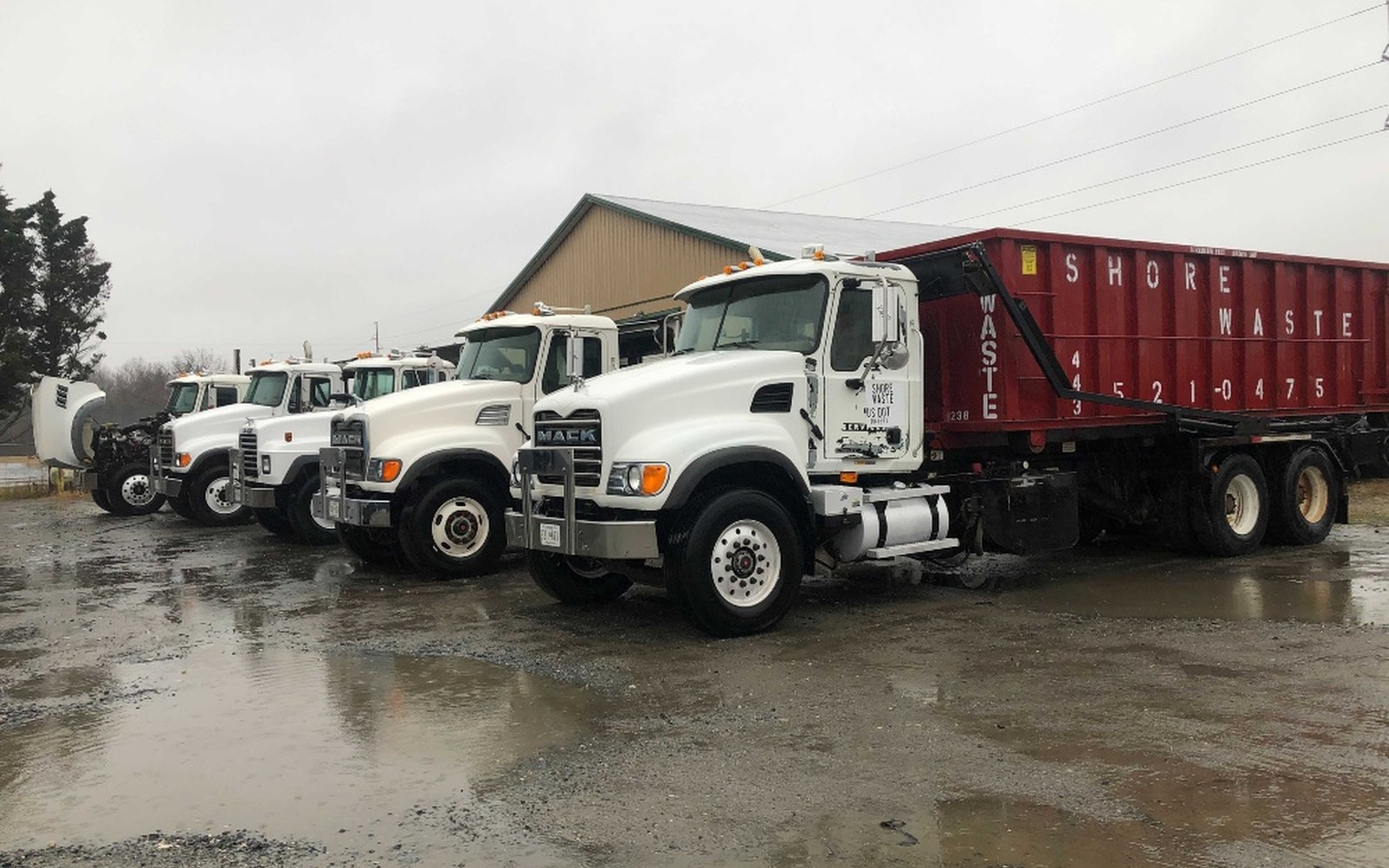
Refuse and recycling operators running garbage truck fleets frequently specify the 114SD for its severe-duty frame and PTO compatibility with major packer body brands. These transactions are larger on average than standard line-haul deals because the trucks are fully upfitted before delivery, and we have experience structuring multi-unit SD-series packages for municipal contractors and private refuse haulers.
Documentation and Credit Considerations
The documentation path for Freightliner financing depends on deal size and credit quality. Under roughly $400,000, operators can often qualify on application plus three months of business bank statements. Larger fleet transactions, or deals where the borrower's credit file has significant derogatory history, require a fuller package including tax returns and profit-and-loss statements. Even in those cases, strong cash flow in the bank statements is often the deciding factor.
Operators with impaired credit who have solid current operations are a segment we actively serve. Our bad credit truck financing programs are not a last resort with punishing terms. They are structured programs designed for operators who hit a rough patch, resolved the issues, and can demonstrate current cash flow strength even without a clean credit profile. Collateral strength matters significantly in these programs, which is one reason Freightliner's secondary market depth helps operators in this category.
For startup operators or those with new authority, the documentation picture is different. Startup fleet financing for Freightliner trucks typically requires a stronger down payment and a tighter initial loan-to-value ratio, but it is fundable when the operator has the right background and a realistic plan. We evaluate each startup deal individually rather than applying a blanket rejection.