Truck Fleet Financing
Freightliner M2 106 Fleet Financing

Open My Fleet Line

Freightliner M2 106 Fleet Financing

    Finance Freightliner M2 106 medium-duty trucks for delivery, utility, and vocational fleets. Fast approvals, B/C credit considered, application-only up to.

Medium-duty fleet operators who need more truck than a pickup but more maneuverability than a Class 8 land on the Freightliner M2 106 with good reason. The M2 106 has been the workhorse of the commercial medium-duty market for over two decades, and the fleets that build around it do so because the platform has proven itself in the configurations they run. Financing M2 106 additions is a transaction we handle regularly, and we bring the same speed and flexibility to it that we do to Class 8 deals.

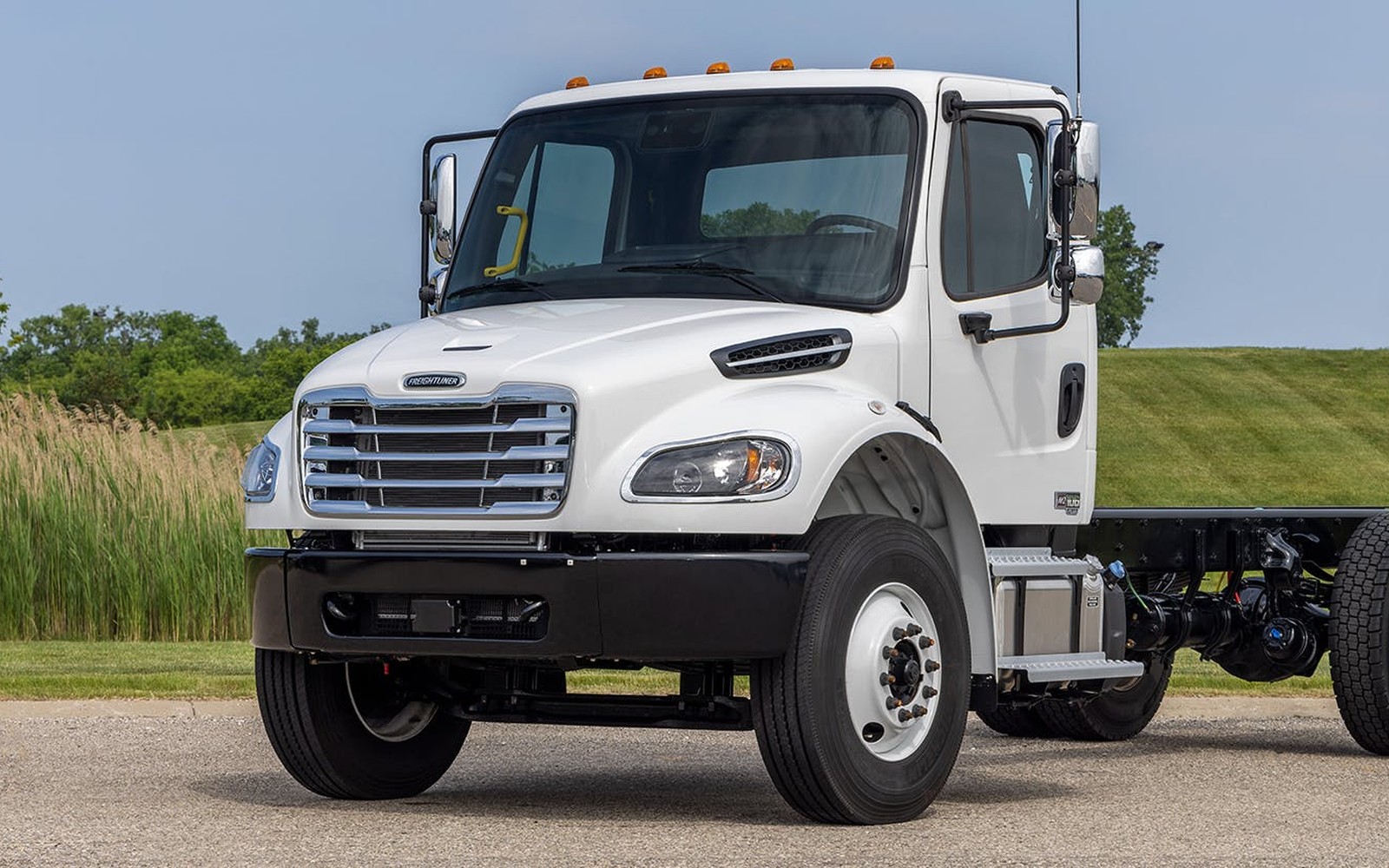
The Freightliner M2 106 is a Class 6-7 conventional truck designed for vocational and commercial service applications. The 106 designation refers to the 106-inch BBC (bumper-to-back-of-cab) dimension, distinguishing it from the shorter M2 100 variant. The Detroit DD8 diesel engine is the standard powerplant for current M2 106 production, producing between 220 and 350 horsepower. The Cummins B6.7 is also available for operators who prefer Cummins dealer coverage in their area. The M2 106 supports a wide range of body configurations, from dry freight box bodies to crane bodies to fuel delivery tanks.

The M2 106 Buyer in Fleet Terms

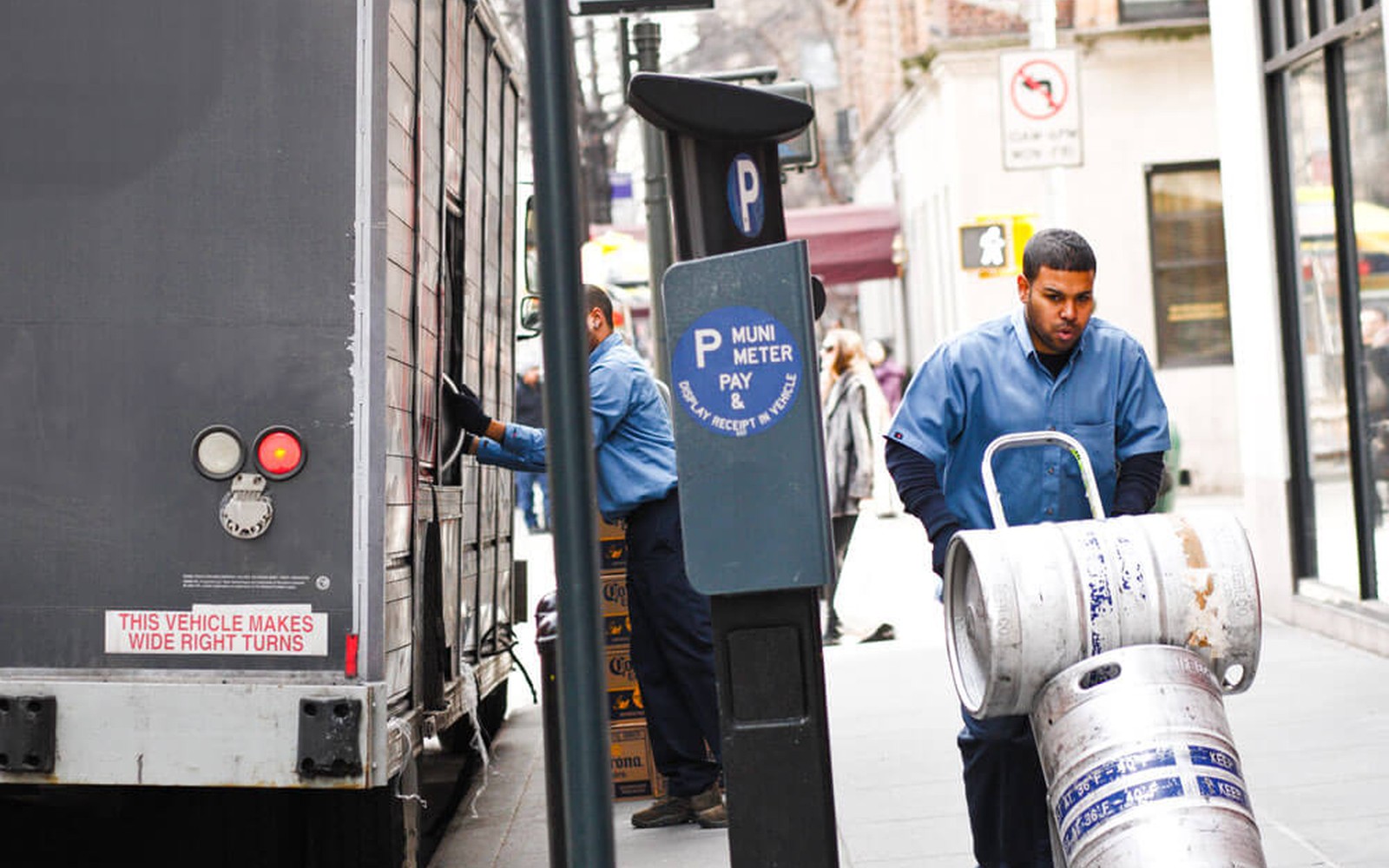
Distribution companies represent the largest share of M2 106 fleet buyers. Beverage distribution fleets have standardized on M2 106 platforms for decades because the truck's payload capacity, driver ergonomics, and body compatibility match the demands of stop-and-go urban delivery routes. The M2 106 can handle a full dry or refrigerated box body without the CDL-required GVW that a Class 8 would impose on every driver.

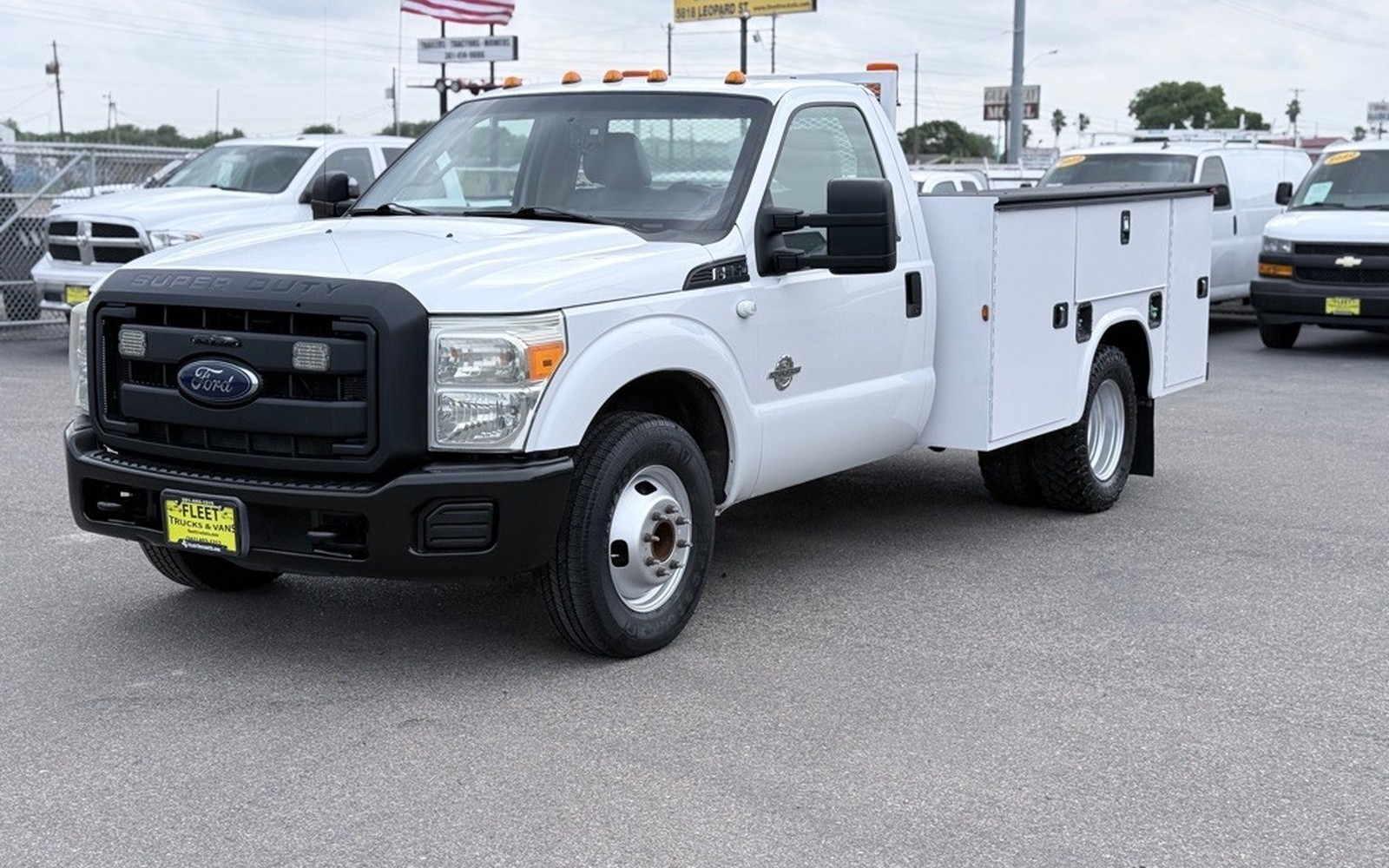
Contractors in the trades industries run M2 106s under service bodies and crane configurations. Electrical, plumbing, HVAC, and specialty contractors who need a truck that can carry significant tool, equipment, and material weight find the M2 106 the natural step up from light-duty platforms. Service truck fleet operators in these trades are a consistent part of our M2 106 customer base.

Utility operators use M2 106s for right-of-way maintenance, cable installation, and equipment transport in urban and suburban environments where truck length and turning radius are real operational constraints. The M2 106's shorter wheelbase options make it genuinely easier to work in tight city blocks compared to longer vocational alternatives.

Last-mile and regional delivery companies also run M2 106-based package and freight delivery trucks. Last-mile delivery fleet operators who need cargo box capacity beyond what sprinter-class vans provide find the M2 106 a natural step up in payload without jumping to a full Class 8 tractor-trailer operation.

The M2 106 as a Fleet Asset

The M2 106 has been in production since 2002, giving it a long track record in the secondary market. Lenders who work in commercial truck financing are familiar with the platform, its duty cycles, and its resale dynamics. This familiarity generally translates to smoother underwriting compared to more specialized or less common medium-duty platforms.

Used M2 106s are widely available in fleet disposal channels, remarketing programs, and private sales. The distribution and delivery market cycles trucks regularly, so a consistent supply of late-model used M2 106s keeps prices competitive. For operators buying used, we look at mileage, engine hours, and the specific body configuration that the truck has been running. A delivery box body M2 106 with normal route wear is a different asset than a crane-body unit that has been in heavy construction service, and we underwrite them accordingly.

New M2 106 transactions are typically sourced through Freightliner Commercial Trucks dealers. Some operators order chassis and source bodies separately from upfit manufacturers, which we can accommodate by financing the chassis purchase and the upfit invoice together when they are part of the same project.

Terms and Process

M2 106 purchase prices depend heavily on configuration. A bare chassis runs well under $100,000 in many cases, while a fully upfitted crane body or specialized delivery configuration can reach $150,000 to $200,000. Our minimum transaction is $50,000 and application-only approval covers up to around $400,000, which encompasses the full range of M2 106 transactions including multi-unit packages of two or three trucks.

For operators adding more than three M2 106s at once, a fleet package structures all the units into a single approval and a single set of paperwork. Fleet operators adding five or ten units as part of a distribution network expansion benefit from this approach both for speed and for the negotiating position that comes with a larger aggregate deal.

B and C credit operators in the distribution and delivery space are a regular part of our business. Seasonal revenue patterns, contract gaps between distribution agreements, and the general working-capital tightness of thin-margin distribution operations can all affect credit profiles in ways that bank underwriters penalize without understanding the industry context. We present these situations to specialized lenders who know the distribution business and the M2 106 platform.

Operators who want to consider a dollar buyout lease for M2 106 units get effectively the same economics as a purchase loan at the end of term, with a one-dollar buyout that puts ownership in the operator's hands at lease maturity. This structure can have tax advantages in some circumstances, which is worth discussing with your accountant before choosing between loan and lease structures.

Fleet Financing Questions

Can I finance a refrigerated box body M2 106 as a single transaction?

Yes. Refrigerated body upfits on M2 106 chassis are standard vocational truck transactions. We need the chassis purchase details and the refrigerated body cost to structure the full transaction amount.

Does operating in a dense urban environment with high stop-and-go cycles affect how lenders view the asset?

Delivery and distribution duty cycles are well understood by lenders familiar with the M2 106 platform. The truck is specifically designed for that use case. Stop-and-go accumulation of hours relative to mileage is expected and does not negatively surprise underwriters who know the platform.

I want to finance M2 106s for a team of employees who will be driving them on delivery routes. Does driver count affect the application?

The number of drivers does not directly affect the financing application. The business entity finances the truck, not the drivers. Operators should ensure all drivers meet any applicable licensing requirements for the specific M2 106 configuration they are operating.

Can I mix M2 106s with other medium-duty models in the same deal?

Fleets that run M2 106s alongside other medium-duty platforms can sometimes package transactions together. It depends on the lender and the configuration mix. We assess the package and tell you whether a combined or separate deal structure makes better sense.

How does the dealer warranty on a new M2 106 interact with the financing agreement?

Manufacturer warranty runs with the truck regardless of the financing structure. The warranty does not depend on how the truck is financed. Standard Freightliner warranty coverage applies to new M2 106 purchases through authorized dealers.

Fleet quote desk

Put Freightliner M2 106 on the road.

Finance Freightliner M2 106 medium-duty trucks for delivery, utility, and vocational fleets. Fast approvals, B/C credit considered, application-only up to.