Kansas City sits at the geographic center of the continental freight network, and every operator in the metro feels that in both directions. Outbound agriculture, inbound manufactured goods, and the dense east-west lanes along I-70 make the Kansas City market one of the highest-volume inland freight hubs in the country. The city's intermodal infrastructure, built on BNSF and Union Pacific connections, keeps drayage and short-haul demand consistent even when over-the-road rates fluctuate. For fleet operators, that means steady work, but it also means equipment that earns hard miles and needs to be replaced on a real schedule.
We structure truck fleet financing for operators across the Kansas City metro and surrounding Missouri and Kansas communities, covering new and used iron with a minimum transaction of $50,000. The sweet spot is $100,000 to $150,000 and up. B and C credit are considered. Application-only approval is available up to roughly $400,000, with most deals closing in about one to two weeks from a complete file. Purchase, refinance, sale-leaseback, and cash-out options are all on the table.
The Kansas City Freight Economy
Kansas City's dual-state location means fleet operators here touch two distinct regulatory environments, but the freight demand is unified by the natural corridors. I-70 runs east-west through the metro as one of the heaviest commercial freight arteries in the Midwest, connecting Kansas City to St. Louis to the east and to Salina and Denver to the west. I-35 runs north-south, creating a direct corridor from Minneapolis through Des Moines to Kansas City and continuing into Oklahoma City and Dallas.
Agriculture is the foundational freight category. Grain, fertilizer, livestock, and farm equipment move through the region at volumes few other metros match. Operators running dump trucks for grain, flatbed trucks for farm equipment, and tanker trailers for liquid ag products are all active in the surrounding counties. The Kansas City Board of Trade and the associated commodity infrastructure generate significant freight demand tied to harvest cycles and input delivery.
Beyond agriculture, the Kansas City market supports a large automotive assembly and supplier base, a growing e-commerce and distribution center corridor along I-70 east of downtown, and significant construction activity tied to infrastructure and commercial development projects. Construction fleet operators in the metro consistently represent some of the most active borrowers in our program.
Equipment and Operators That Qualify
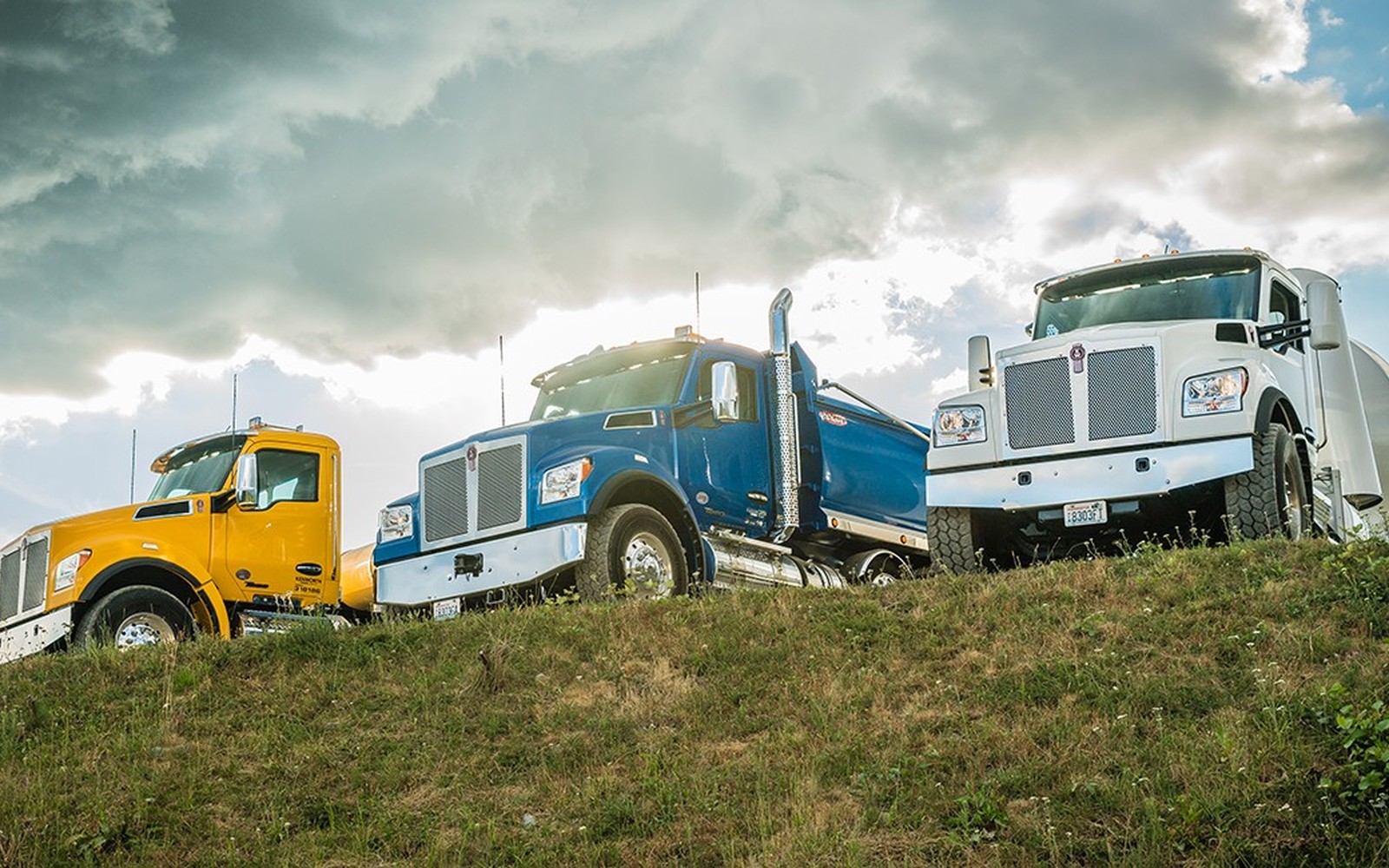
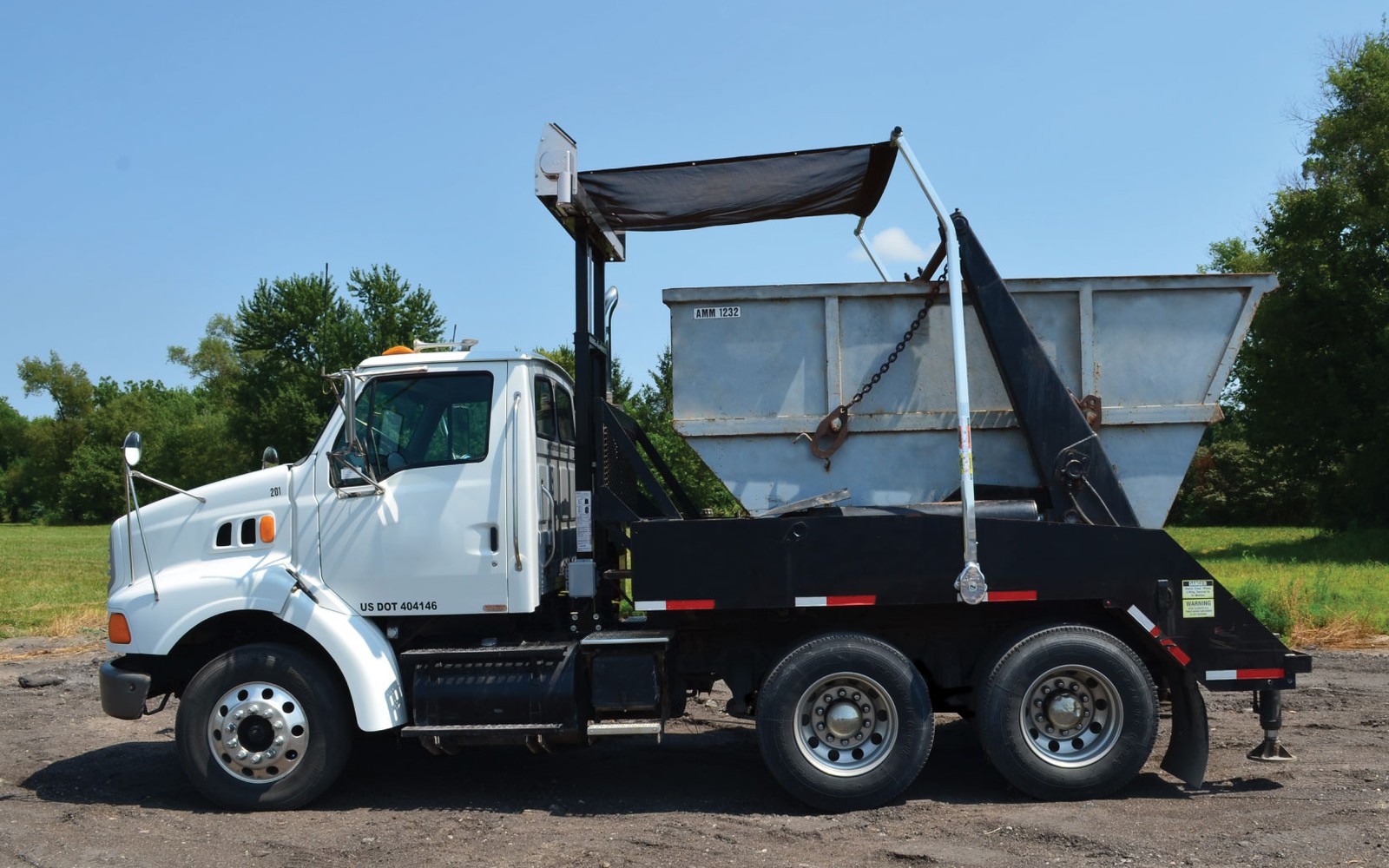
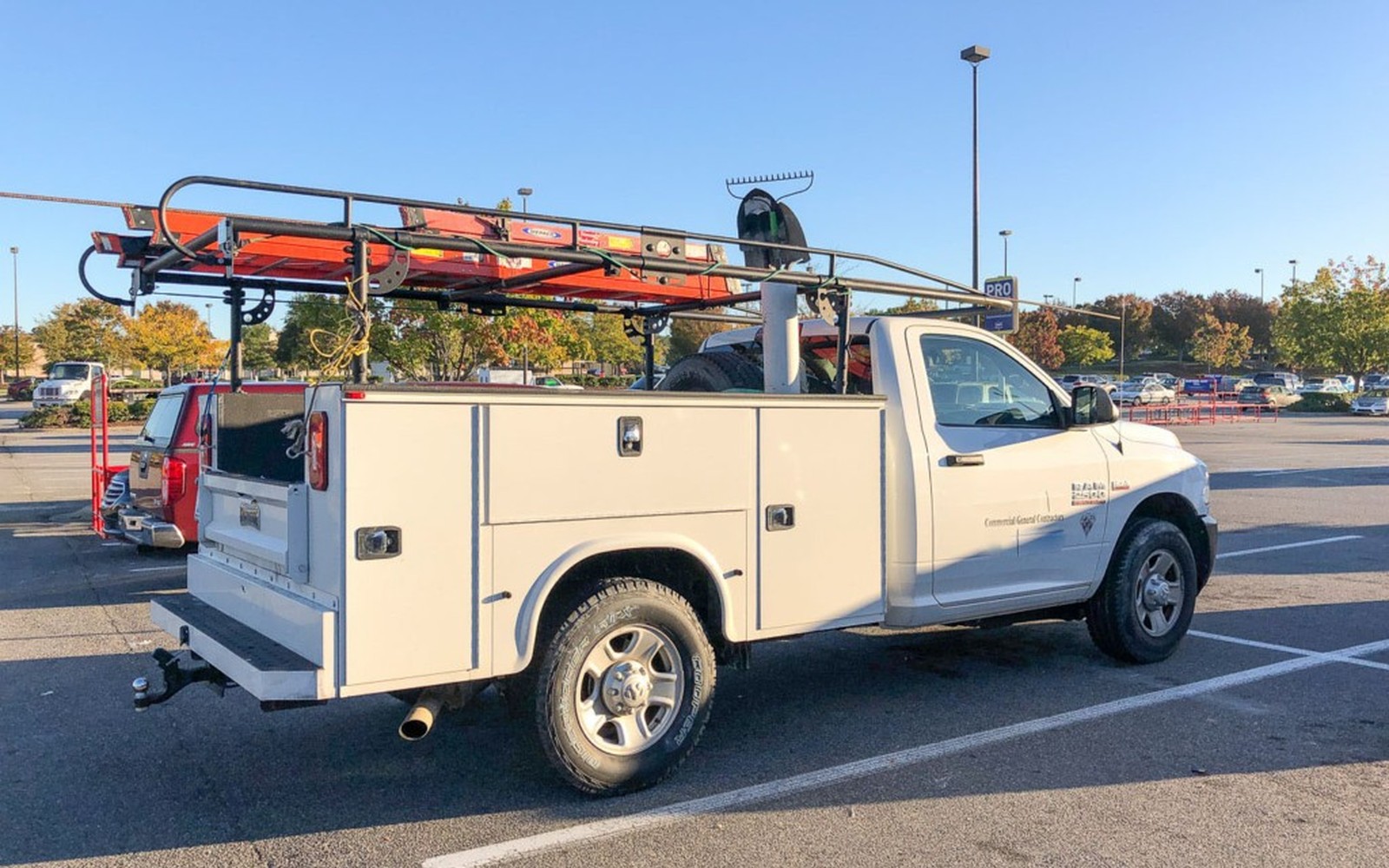
The Kansas City market runs a wide range of equipment types, and our program covers the full spread. Class 8 day cabs and sleepers for regional and OTR lanes. Vocational equipment including dump trucks, flatbeds, crane trucks, and service vehicles for construction and infrastructure operators. Refrigerated equipment for food and beverage distribution, which is a substantial sector in a city that hosts significant food processing capacity. Cargo vans and sprinter vans for last-mile and courier operations.
On the operator side, we work with established carriers looking to replace aging units, growing businesses adding trucks to handle new accounts, and owner-operators who want to structure a deal efficiently without spending weeks in a bank's commercial lending pipeline. Start-up and newer businesses may also qualify depending on the strength of the application. We do not require a minimum number of years in business across the board, though the underwriting approach varies by time in business and credit profile.
Used equipment is fully eligible. A well-maintained unit at 400,000 miles may be the most cost-efficient capital move for an operator whose business cash flow is solid but whose credit score is mid-range. We underwrite based on the full picture.
How Quickly We Can Move
The Kansas City dealer market and the active auction lanes in the region mean operators often find the unit they want before financing is fully in place. That gap can cost you the truck. Our application-only program for deals up to roughly $400,000 is designed to compress the time between identifying equipment and having a funded deal.
Submit a short application, provide three months of bank statements, and give us the equipment spec. For straightforward deals, we can turn a credit decision in one to two business days of a complete file. Funding, including title work and lien filing, typically follows within one to two weeks. For multi-unit transactions or more complex structures, the timeline extends somewhat, but we do not build in unnecessary steps.
Operators who want more flexible terms on timing should look at our fleet equipment line of credit, which provides a pre-approved capacity that you draw against as equipment becomes available. That structure eliminates the start-over application process every time you need to add a unit, which suits operators with predictable annual fleet growth.
New Iron vs. Used Iron in Kansas City
Kansas City has good access to both new truck dealers and a deep secondary market. Peterbilt, Kenworth, Freightliner, and International all have dealer representation in the metro, and commercial auction lanes through Kansas City regularly move good-quality used units. The choice between new and used usually comes down to three factors: the application's credit profile, the intended use and mileage expectations, and the operator's preference on warranty coverage and downtime risk.
New equipment carries longer terms, warranty protection, and lower near-term maintenance exposure. A used truck financing deal on a well-specified unit can put significantly more truck per dollar into service but comes with more near-term maintenance planning. For operators with strong cash reserves and experience managing maintenance in-house, used can be the better capital decision. For operators building a fleet rapidly and prioritizing uptime over initial cost, new often pencils better when the full TCO picture is on the table.
We finance both without preference. The underwriting adjusts for age and condition, but we do not steer operators toward one or the other based on what produces better loan volume for us.