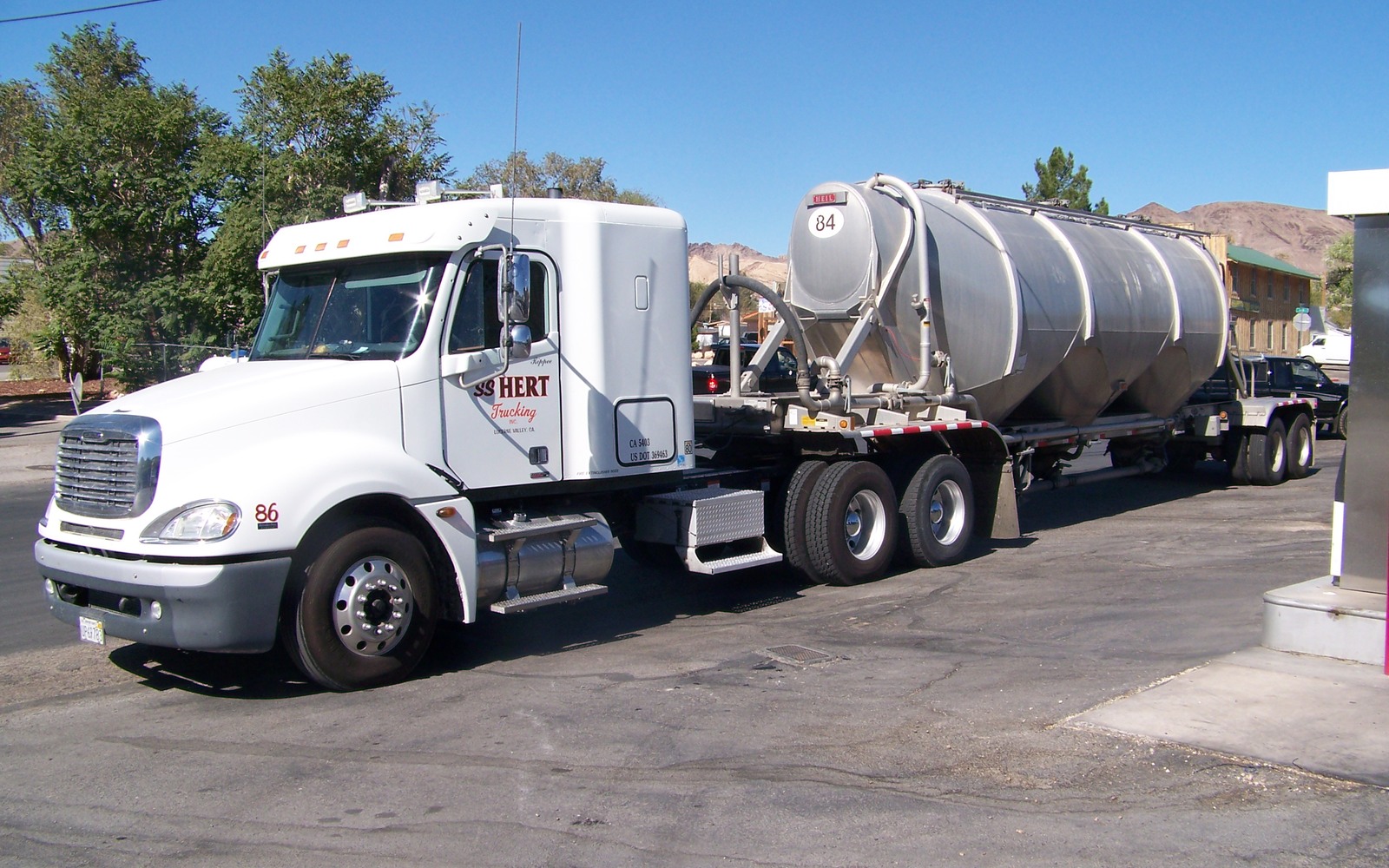
Tanker operations carry cargo that is both valuable and liability-intensive. A petroleum tanker delivering fuel to retail stations, a chemical tanker moving industrial solvents to a manufacturer, a food-grade stainless unit hauling edible oils or milk, each of these represents a significant asset with a specialized regulatory compliance requirement attached to every load. Carriers in this space understand that the trailer is not a commodity piece of equipment, it is a purpose-built tool with cleaning, inspection, and certification requirements that add to the total cost of operation. Financing for tanker trailers needs to reflect that reality.
We finance tanker trailers for petroleum haulers, propane and anhydrous ammonia carriers, chemical and bulk liquid transporters, food-grade liquid haulers, and water and environmental fluid operators. Stainless steel food-grade tanks, aluminum petroleum tanks, DOT 407 chemical tanks, and DOT 412 corrosive cargo tanks are all eligible asset types. Manufacturers including Brenner Tank, Polar Tank Trailer, Walker Engineered Products, and MAC Trailer produce the equipment most common in this market. Transaction minimum is $50,000, and tanker trailers typically run from $60,000 to $150,000 or more depending on spec, material, and configuration.
Tanker Types and Regulatory Context
Petroleum tankers for fuel delivery are built to DOT 406 specification for flammable liquids and are the most common tanker type on the road. These trailers typically carry 8,000 to 10,000 gallons in multiple compartments, allowing the driver to deliver different fuel grades in a single trip. The compartmentalized design means the tank is built to withstand the sloshing and hydraulic forces of partially filled compartments during acceleration and braking, which drives specific structural requirements in the trailer design.
Chemical tankers operate under DOT 407 (combustible or flammable liquids) or DOT 412 (corrosive materials) specifications depending on the cargo. The shell material, valve type, and pressure rating vary by the specific chemicals transported, which means chemical tankers are often highly specific to the cargo type and cannot easily be repurposed for different chemical families without significant modification. This specificity affects residual value; a tanker built for a specific chemical profile is worth more to a buyer who runs the same product than to the general used market.
Food-grade tankers, used for edible oils, liquid sugar, wine, juice, and dairy products, are built to sanitary standards that include interior polish levels, specific valve and fitting materials, and CIP (clean-in-place) systems. USDA and FDA requirements govern what materials can contact food-grade cargo, and the trailer must be inspected and certified for the specific product being carried. Stainless steel is the dominant shell material for food-grade applications; aluminum tanks are not suitable for most food-grade liquids.
Propane and anhydrous ammonia tankers operate under DOT 331 specification for compressed gases and are built to significantly higher pressure ratings than liquid chemical trailers. These are specialized assets with a narrower secondary market, which affects how we approach the collateral valuation and term structure on used equipment financing.
Tanker Operators We Finance
Independent petroleum carriers who own and operate tankers for fuel delivery to gas stations, fuel oil dealers, and fleet fueling accounts represent a large portion of the tanker financing market. These operators typically run a set number of accounts on recurring delivery schedules, which creates relatively predictable revenue. A fleet of four to eight petroleum tankers serving a regional fuel delivery territory is a common profile, and the combination of known accounts and physical assets (the trailers themselves) makes for a straightforward credit review.
Propane and fuel delivery fleets serving rural markets and residential customers are another common profile. The seasonal nature of heating fuel demand means cash flow concentrates in winter months, which makes seasonal payment structures relevant for operators in northern markets. Some carriers also haul agricultural anhydrous ammonia for fertilizer application, which adds a spring peak to the seasonal pattern.
Chemical carriers are a more specialized segment. Operators who run dedicated lanes for a specific manufacturer or chemical distributor have reliable revenue but may have compliance costs, including HAZMAT training, specialized insurance, and tank inspection and cleaning costs, that make the P&L look tighter than the underlying business justifies. We review the full picture of the operation rather than just the net margin line.
Food-grade operators serving dairy cooperatives, edible oil processors, and beverage manufacturers in regions like the Houston petrochemical corridor, the dairy-heavy upper Midwest, or agricultural processing centers in the Central Valley often have long-standing customer relationships that provide revenue predictability. Those relationships are context for the credit review.
Financing Process and Structure
Application-only processing up to approximately $400,000 covers most single-unit and two-unit tanker acquisitions. One-page credit application plus three months of business bank statements. Approval in 24 to 48 hours of a complete submission, closing scheduled once the package is complete. Larger fleet additions require full financial documentation but follow the same review process.
Terms for new tankers typically run 48 to 72 months, depending on configuration and operator preference. Specialized tanks with narrow secondary markets, such as chemical-specific units, may draw shorter terms that reflect more conservative residual value assumptions. Food-grade stainless tanks hold value well because demand for clean, certified stainless tanks consistently exceeds supply in the used market.
B and C credit operators are reviewed. The tanker market, like many specialty freight categories, rewards operators who understand compliance and run clean equipment. A carrier with some credit history issues but a clean compliance record, an established customer base, and documented revenue is a much better credit than their score alone suggests.
For operators looking to free capital from paid-off tankers, a Fleet Sale-Leaseback converts that equity while keeping the equipment in service. Petroleum carriers in particular often build significant equity in their trailer pools over time, and a leaseback is a common tool for funding fleet expansion without selling or retiring existing equipment. Pair that with an inquiry about fleet financing options for the new units and we can structure the whole program together.
Teams evaluating this usually look at Used Truck Fleet Financing, Application-Only Fleet Financing, and Bad Credit Truck Financing.