Isuzu holds the number one market share position in the Class 3 through Class 6 cab-over truck segment in North America, and the operators who buy them tend to stay with them. The repeat purchase rate among Isuzu fleet operators is high because the trucks deliver on a very specific promise: reliable route operation with low maintenance cost and a cab-over design that makes them usable on urban routes where a conventional cab truck cannot fit without a special operating variance. Those practical advantages translate directly into fleet economics, and fleet economics are what we build financing around.
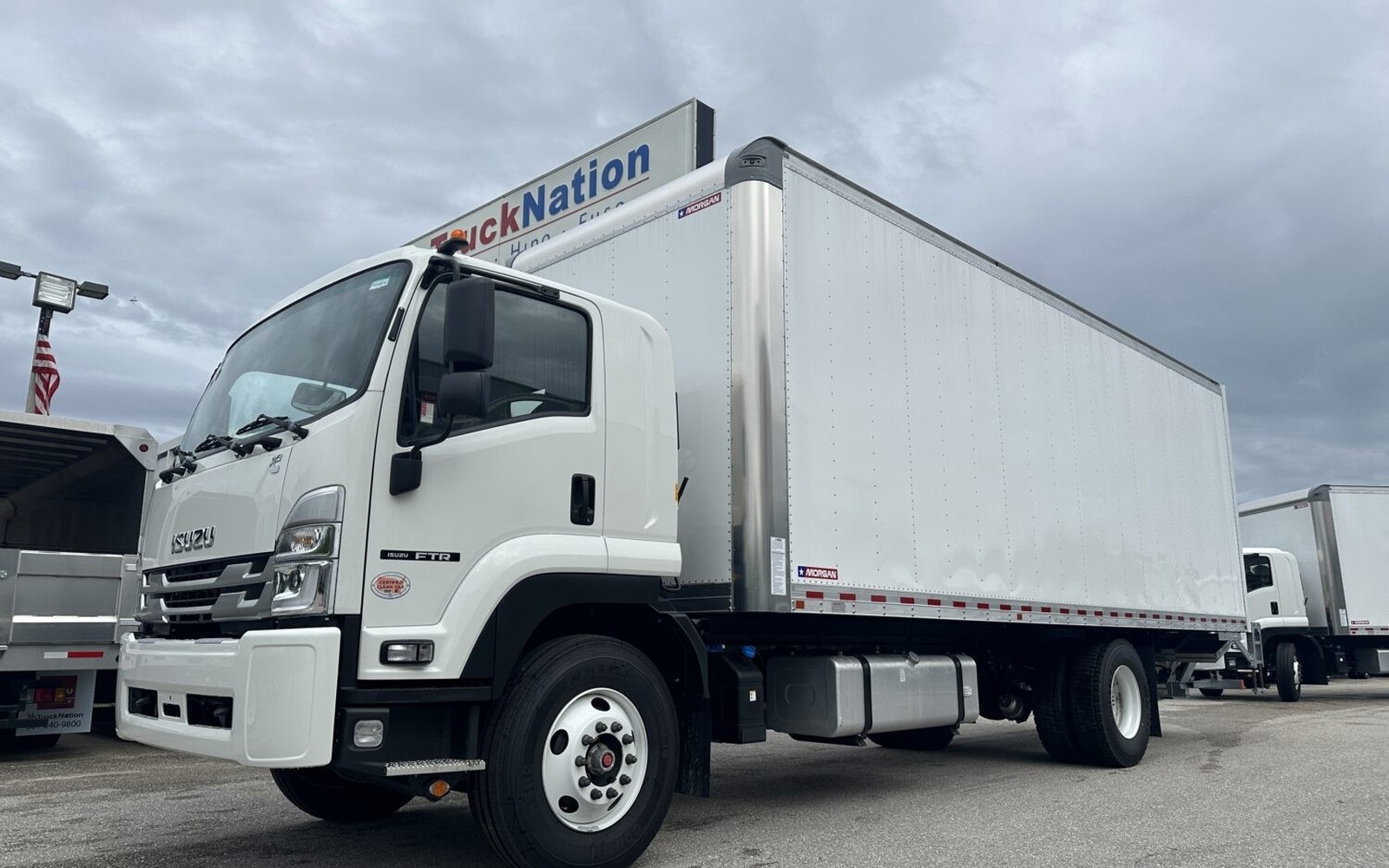
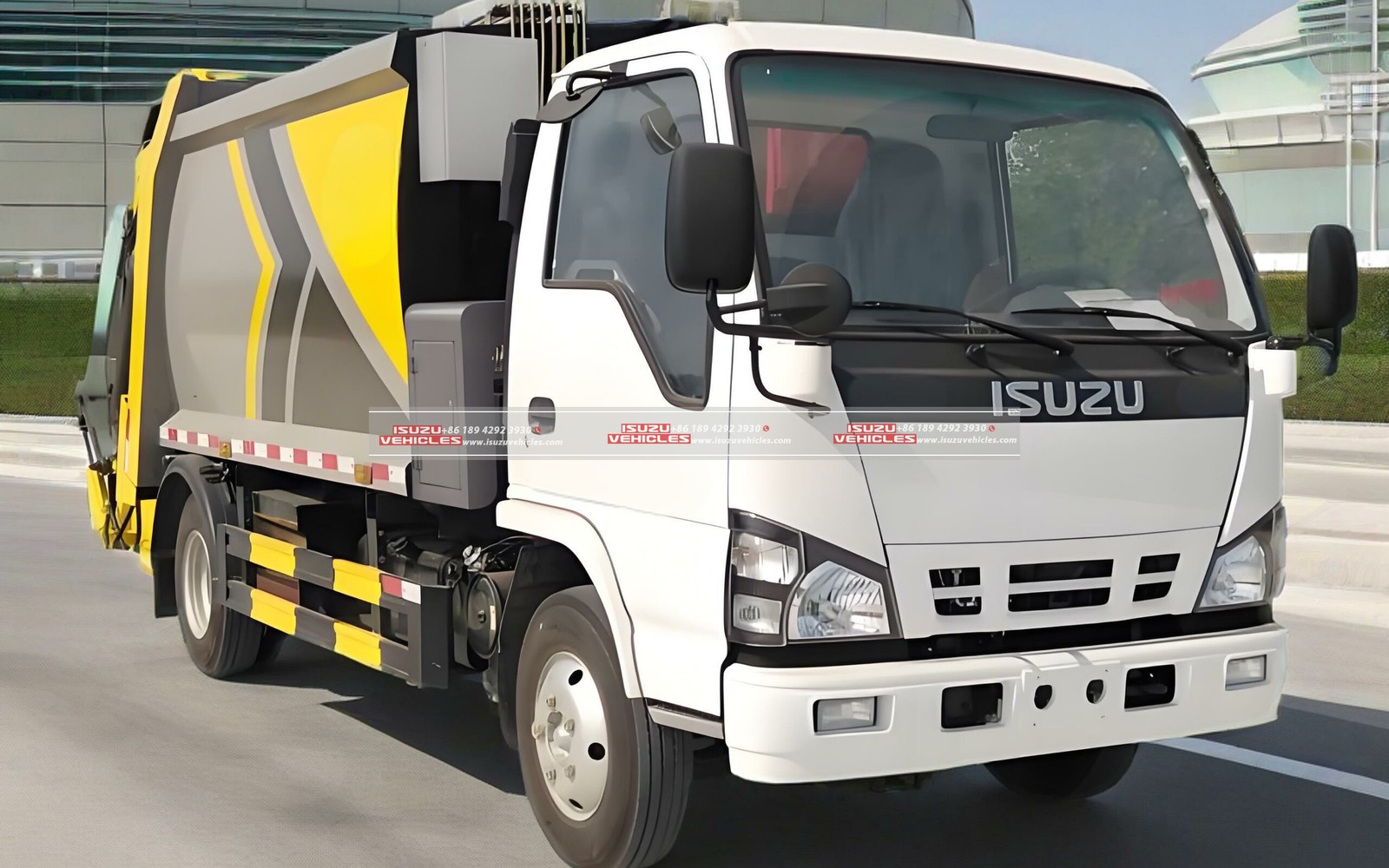
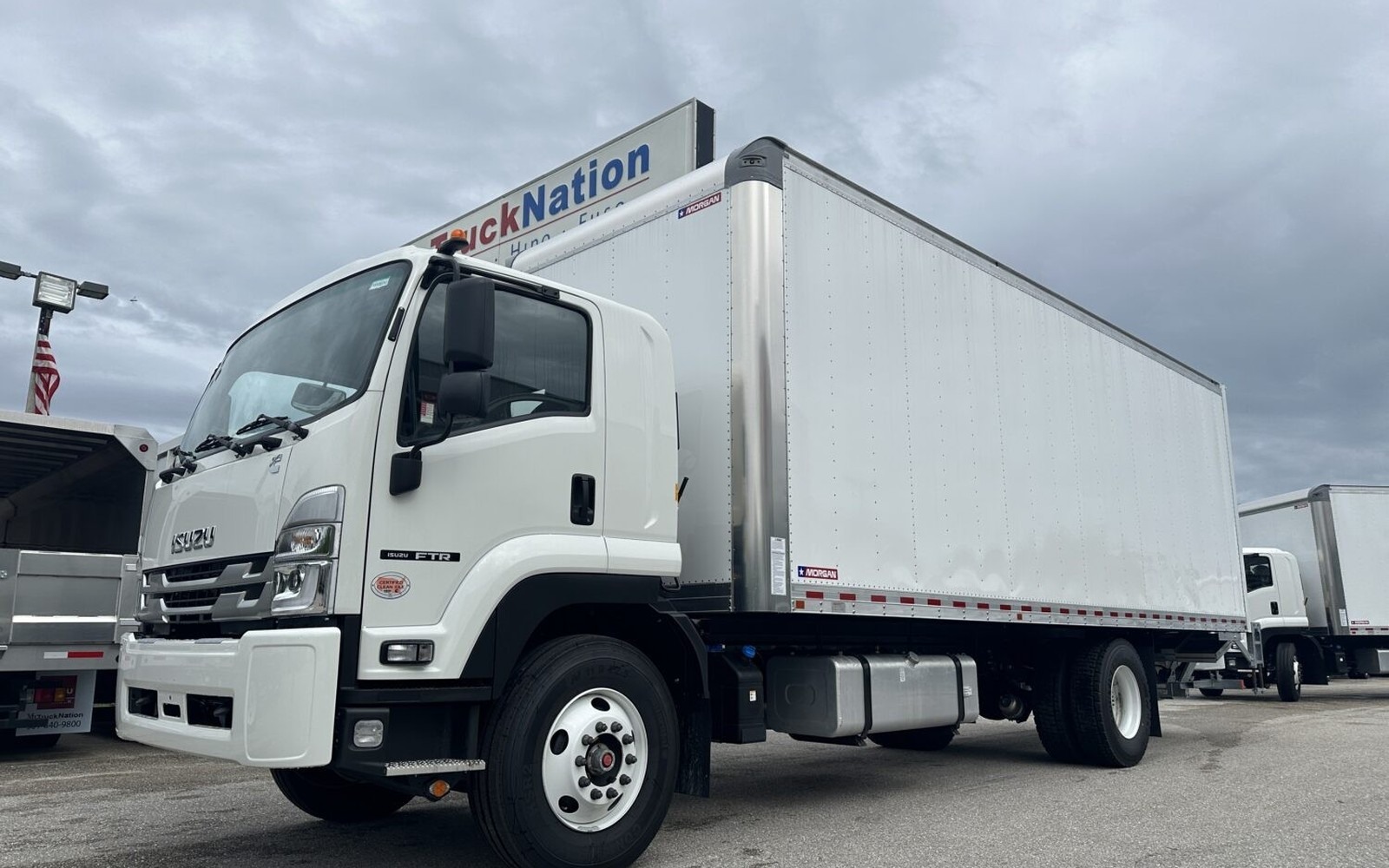
We finance the Isuzu NPR, NQR, and FTR for fleet operations of all sizes. The Isuzu NPR is the workhorse of the segment, covering Class 3 to Class 5 applications with a configuration range that spans dry van, refrigerated, flatbed, landscape, and specialty body options. The Isuzu NQR steps up to Class 5 and 6 GVW ratings for operators who need additional payload without moving to a full Class 7 platform. The Isuzu FTR delivers Class 6 capability with a larger cab and more interior space for drivers running longer routes where comfort matters more than it does on tight urban loops.
Our minimum financing is $50,000. Most Isuzu fleet transactions process on a simplified application and three months of bank statements up to approximately $400,000. Funding completes in about one to two weeks from a clean approval, which is fast enough to handle most new-contract deployment timelines.
Industries That Run Isuzu Fleets
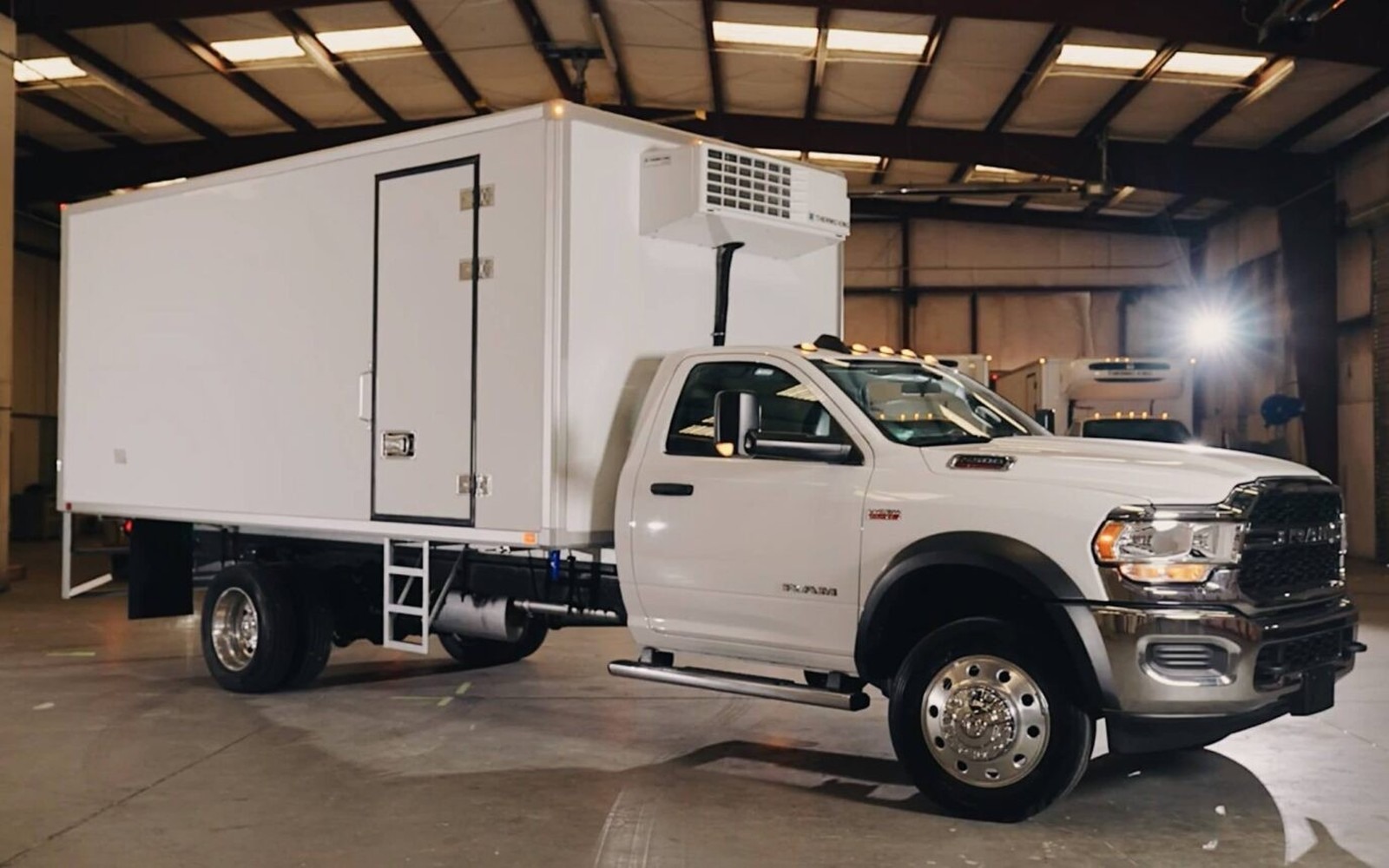
Food distribution fleets are among the highest-volume Isuzu users in North America. The NPR refrigerated configuration is a standard platform for foodservice distributors, restaurant supply companies, and specialty food delivery operations that run temperature-controlled cargo on urban and suburban routes. The truck's turning radius and overall footprint make it navigable in tight delivery environments that larger trucks cannot access without the driver circling the block twice.
Last-mile delivery operations serving e-commerce and parcel delivery built significant NPR fleets over the past decade as delivery volume grew and the need for efficient urban trucks intensified. These operators cycle trucks regularly as volume and route density shifts, which makes them consistent buyers and a segment where we see a steady flow of multi-unit financing transactions.
Landscaping and grounds maintenance operators use NPR and NQR platforms with landscape body and dump configurations that fit their operational needs better than pickup-based platforms at the volume those businesses run. A landscaping company running 10 or 15 NPR stake trucks across a metro territory has a fleet financing need that is straightforward in concept but requires a lender who understands the medium-duty vocational market and is not defaulting to truck financing programs designed for Class 8 highway operations.
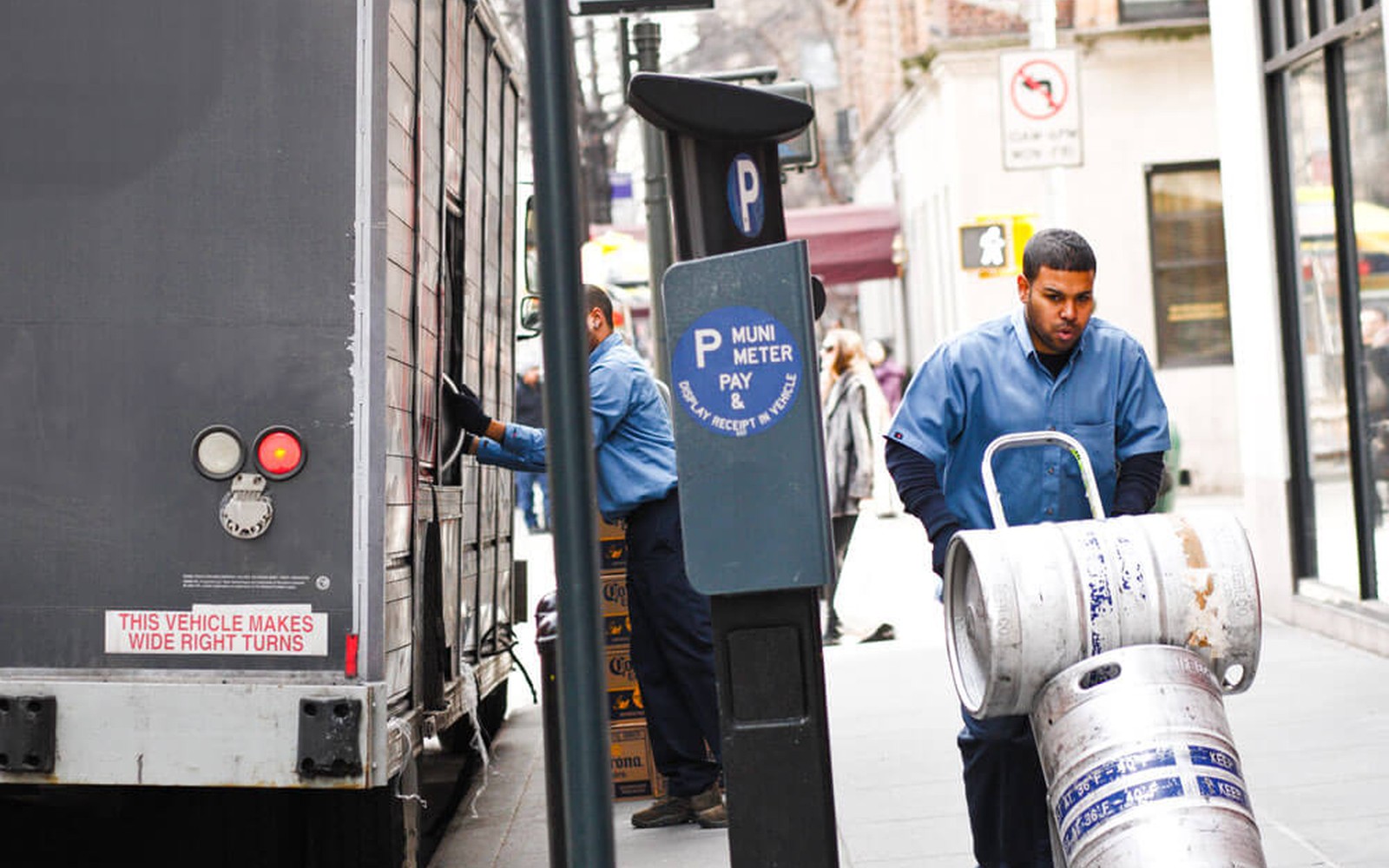
Beverage distributors running route delivery trucks are another consistent Isuzu customer. The FTR in particular has become a preferred platform for beverage route work where the Class 6 payload, the cab-over maneuverability, and the body height compatibility with major route body manufacturers align well. These operators run tight margins, and financing that keeps monthly cost predictable over a five- to six-year cycle matters significantly to their operating model.
New and Used Isuzu Financing
New Isuzu trucks purchased from the authorized dealer network process through our financing on the standard path. Isuzu's dealer network in the United States is operated through General Motors locations in many markets, which means broad geographic coverage and consistent parts access. That dealer density is a positive factor in the collateral analysis because service support affects residual value when the trucks reach their disposal horizon.
Used Isuzu NPR and NQR trucks hold value well in the secondary market, particularly units with refrigeration or other body configurations that are in demand from distribution operators who need replacement units on short notice. We finance used Isuzu trucks from dealers and from private parties. Private-party used transactions require clear title documentation and may require an inspection on older or higher-mileage units before we finalize approval.
The used truck financing program handles Isuzu trucks specifically because of the brand's strong secondary market. An NPR with 200,000 miles that has been well-maintained by a route fleet carries meaningful market value and can support a loan that makes sense for an operator who wants a lower entry cost than new iron provides. We do not automatically decline used Isuzu trucks on the basis of age or mileage if the condition documentation supports the value.
Terms and Structures for Isuzu Fleet Financing
Isuzu trucks in the NPR and NQR range typically finance over 48 to 60 months. The FTR, being a larger and more expensive platform, can support 60- to 72-month terms on new units with strong collateral and credit profiles. Used units generally carry shorter terms because the remaining useful life at origination is less than on a new truck, even when the asset itself is in excellent condition.
Down payments vary by credit profile. Prime-credit operators can sometimes finance up to the full purchase price. B and C credit operators typically contribute 10 to 20 percent down, which reduces the advance rate and keeps the loan-to-value ratio at a level that protects both the lender and the borrower against being upside-down if the truck needs to be sold or replaced mid-term.
Fleet operators who want to cycle Isuzu trucks on a regular replacement schedule without committing to full ownership at each cycle may find a TRAC lease structure more efficient than a conventional loan. The predetermined residual keeps monthly payments lower and gives the operator flexibility at the end of the term on what to do with the truck. For distribution fleets that like to run the newest possible equipment for fuel economy and reliability reasons, cycling through TRAC leases on a four-year schedule is a common and cost-effective strategy.