Truck Fleet Financing
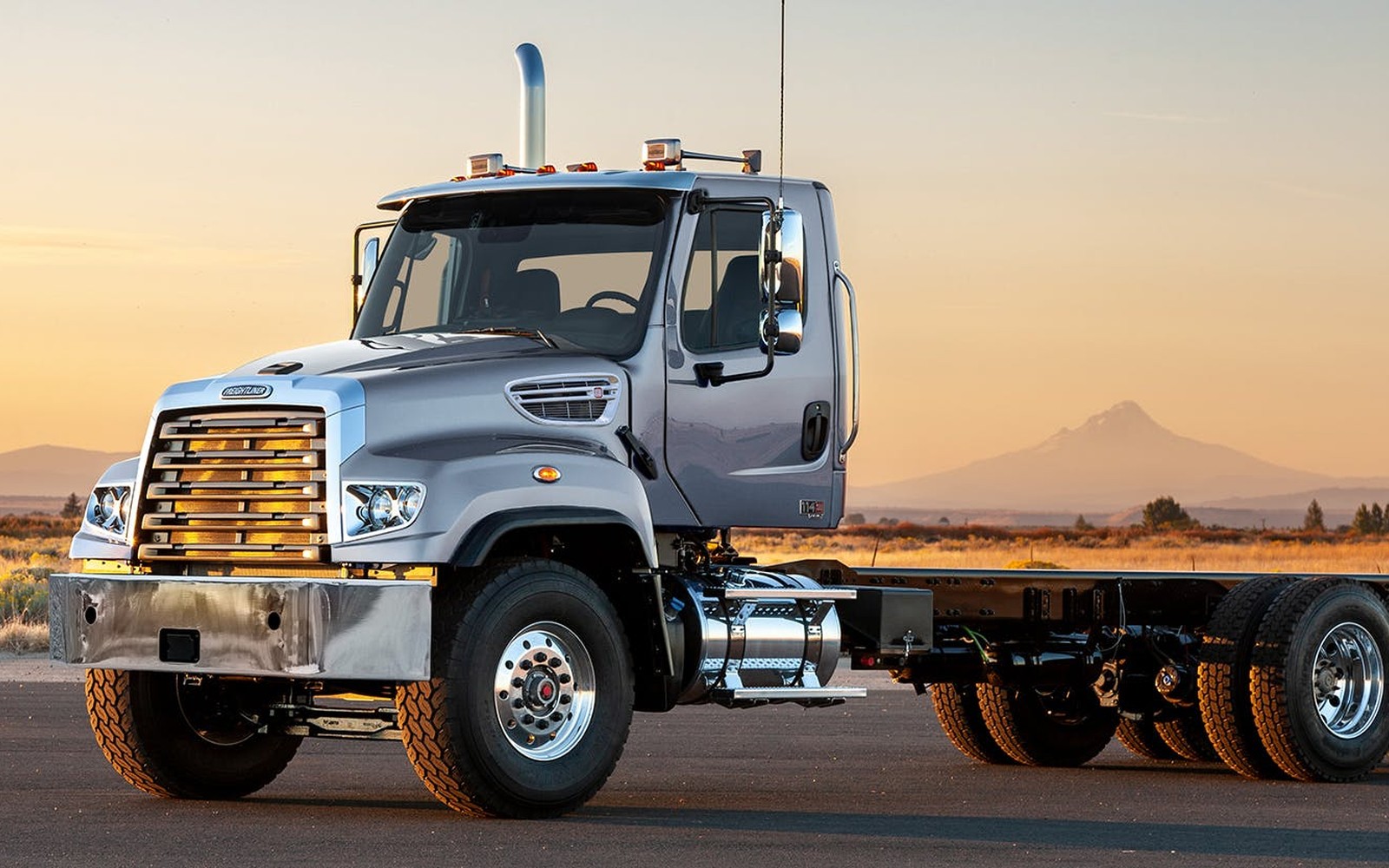
Freightliner 114SD Fleet Financing

Open My Fleet Line

Freightliner 114SD Fleet Financing

    Finance Freightliner 114SD severe-duty vocational trucks for refuse, construction, and heavy-duty applications. B/C credit considered, fast approvals.

Severe-duty vocational trucks earn their title by surviving conditions that would sideline equipment built to lesser standards. The Freightliner 114SD is built for exactly those conditions, and the refuse haulers, concrete producers, and construction operators who run them know what that means in practice. Financing a 114SD fleet requires lenders who understand vocational duty cycles, body upfits, and the secondary market dynamics of severe-duty equipment. Our financing is specifically set up for that conversation.

The 114SD is Freightliner's larger severe-duty platform, positioned above the 108SD in Freightliner's vocational lineup. The 114-inch BBC (bumper-to-back-of-cab) gives body manufacturers more flexibility in designing upfits, particularly for refuse bodies, concrete mixer drums, and large service configurations that need additional chassis frame length behind the cab. Current 114SD production uses Detroit DD13 and DD15 engines alongside available Cummins X12 and X15 options, giving operators the flexibility to match powertrain to application and dealer network coverage in their operating territory.

The 114SD in Vocational Fleet Service

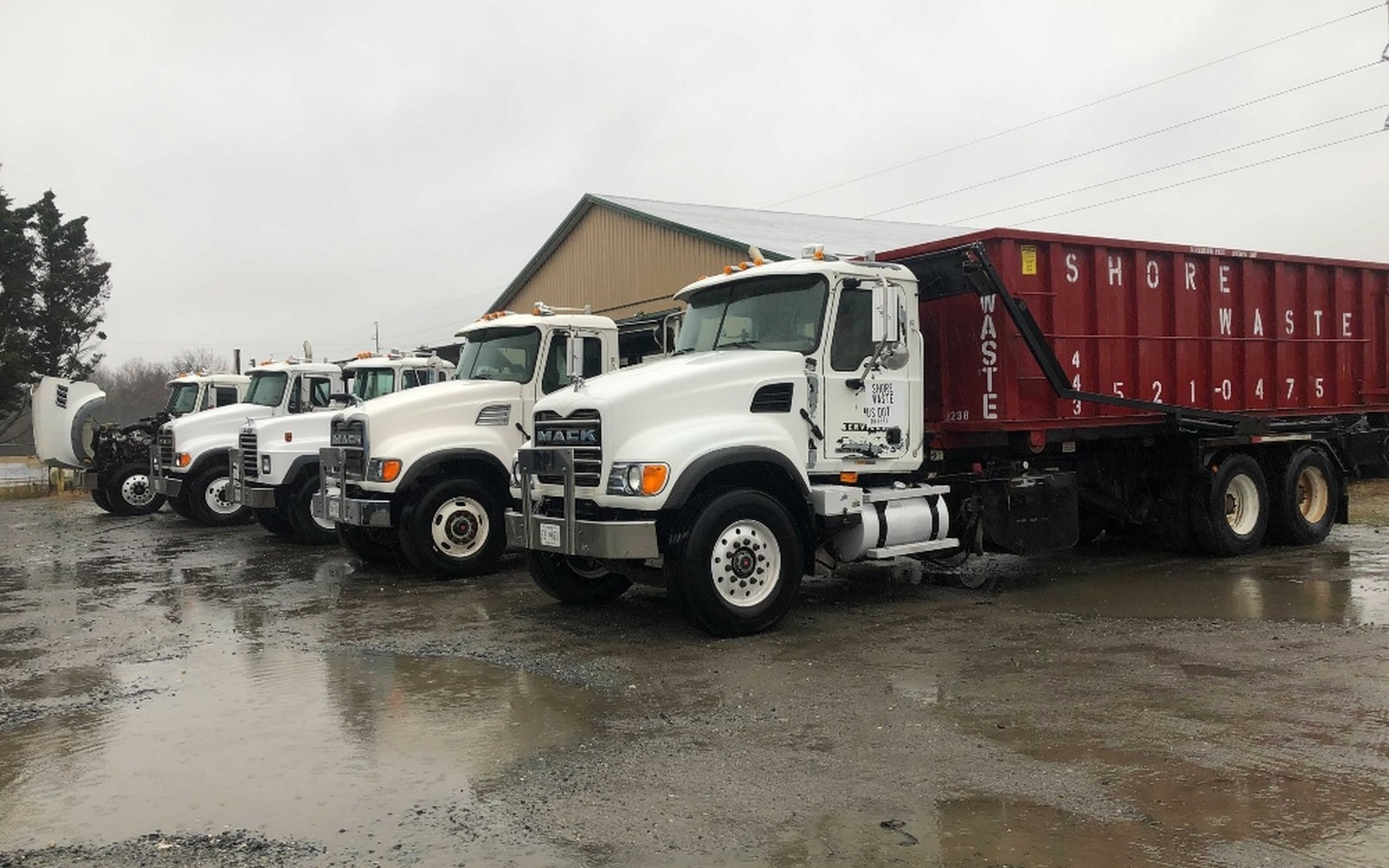
The 114SD's primary market is refuse collection and concrete production. Rear-loader, side-loader, and front-loader refuse body manufacturers have developed body packages specifically around the 114SD's frame dimensions and PTO provisions. Concrete mixer body manufacturers similarly offer drum configurations designed for the 114SD platform. These purpose-built body pairings reflect the truck's position as a genuine industry standard in those segments.

For waste hauling fleet operators, the 114SD is a common alternative or complement to the rear-engine refuse platforms like the Peterbilt 520. The front-engine 114SD is preferred by some operators for its conventional maintenance access, familiar driver experience, and broader technician familiarity. Route operators running both front-engine and rear-engine refuse trucks in the same fleet can keep service technicians productive across both platforms without specialized training on each.

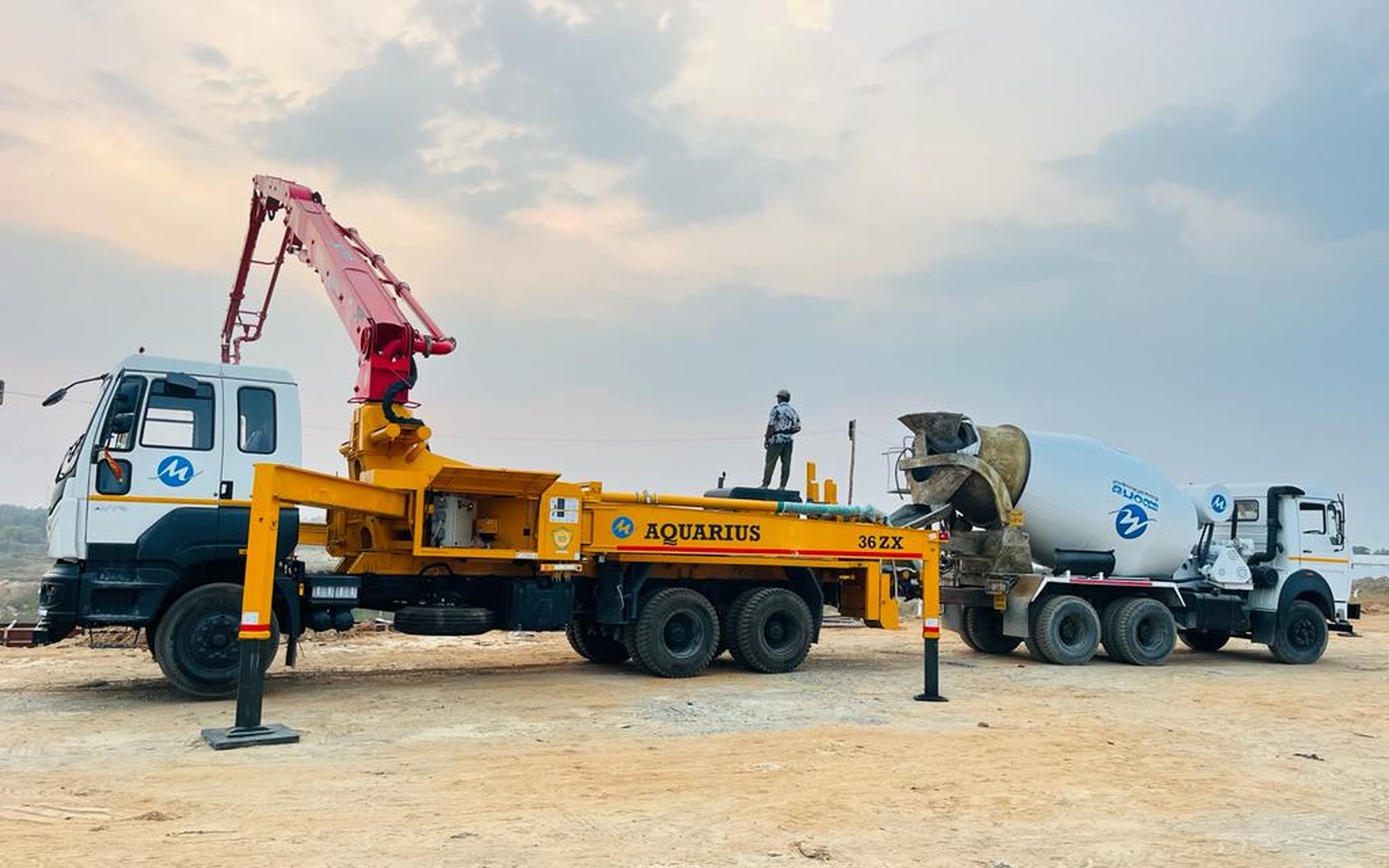
Ready-mix concrete operators use the 114SD extensively. The frame length accommodates standard transit mixer drum sizes, and the truck's front axle weight ratings support the front-heavy load distribution of a loaded mixer. Ready-mix and concrete support fleets that have standardized on the 114SD cite the Detroit DD engine network coverage as a factor in markets where plant-to-jobsite cycles run throughout the day and a truck-down situation affects multiple pours.

Used 114SDs from fleet disposal programs and remarketing channels appear regularly. Condition on used vocational trucks varies based on the duty cycle they ran. A refuse body 114SD with documented route service and documented transmission service is a different asset from an undocumented unit, and we look at available maintenance records as part of how we present the deal to lenders.

Operations That Run the 114SD

The 114SD's typical buyers run fleets where the truck earns its keep on a daily cycle. Refuse contractors who serve municipal accounts depend on route consistency, and a truck down during a pickup schedule creates immediate contract risk. Financing a replacement 114SD quickly is the kind of thing we are actually built to handle, because waiting two weeks for a bank approval is not an option when a route is running without a truck.

Construction aggregate operations that haul material on fixed routes between quarry and plant, or between plant and job site, run 114SDs in dump body configurations. The combination of high gross vehicle weight and repeated loaded-grade cycles is demanding on any truck, and the 114SD's heavy-duty frame and axle ratings are designed for exactly that operating profile.

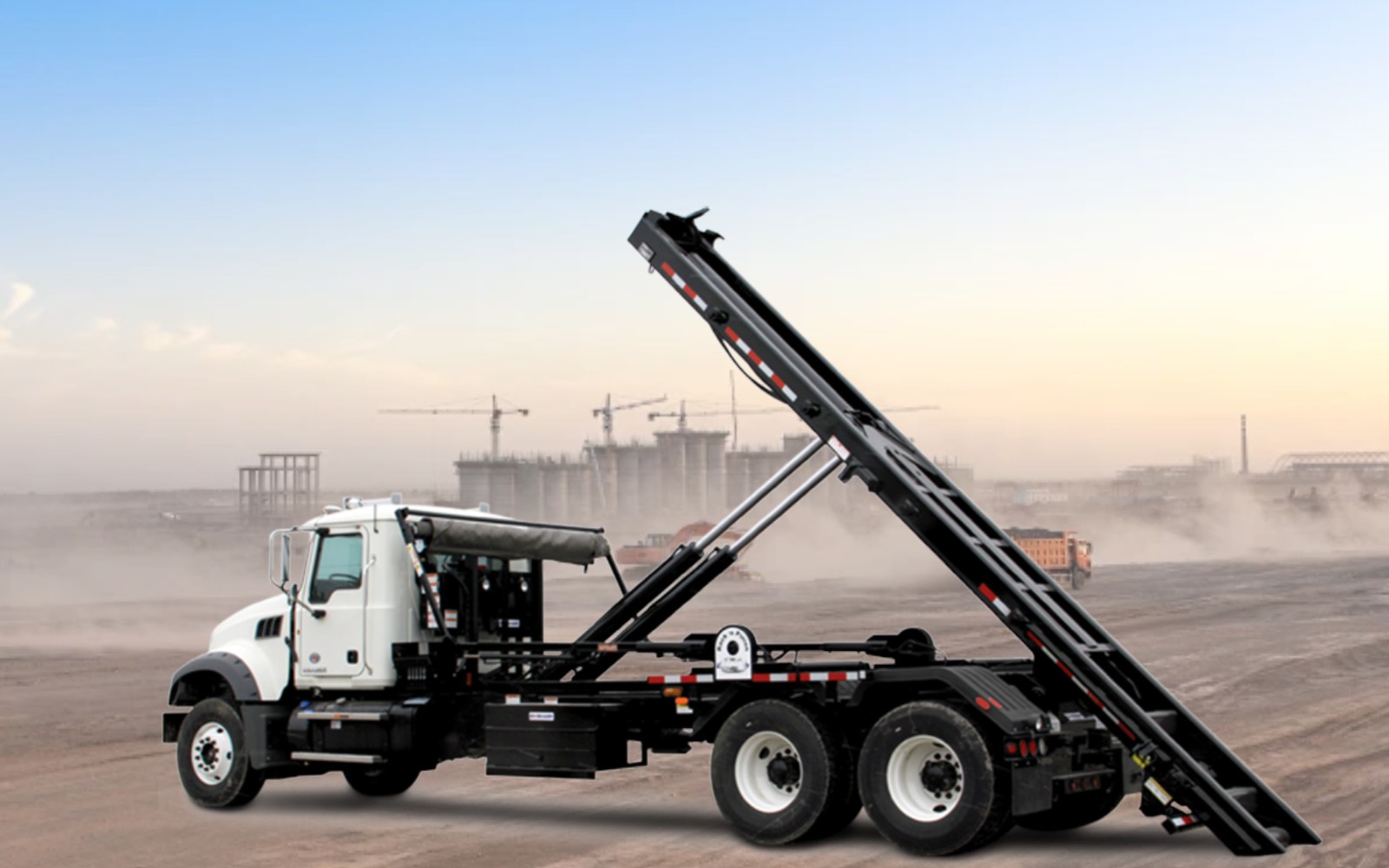
Specialty waste operations including roll-off service, demolition debris hauling, and industrial waste transport use 114SD-based hook-lift and roll-off configurations. Roll-off truck fleets built on 114SD chassis have the payload capacity to handle full 40-yard container loads in a single cycle, which affects how many trips the truck makes per shift and how the route economics work.

How We Finance 114SD Transactions

114SD transactions span a wide price range depending on body configuration and whether the unit is new or used. New chassis alone runs below $150,000 in many configurations, while fully upfitted refuse or mixer units can reach $300,000 to $400,000 or more. Application-only approval up to roughly $400,000 covers most single-unit 114SD purchases without requiring full financial statements. Larger multi-unit packages or high-cost upfit configurations that push above that threshold require three months of bank statements as the standard documentation package.

Decisions return within two business days and funding completes in about one to two weeks from application. For operators who need a replacement truck quickly due to a unit failure on an active route, that timeline is the best we can do while maintaining proper underwriting. We move as fast as the process allows.

B and C credit is something we handle routinely in the vocational truck space. Seasonal contract patterns, municipality-driven payment timing, and working capital cycles in construction mean that operators in these segments sometimes carry credit histories that look worse than their business actually is. We work with lenders who evaluate the full picture, including contracted revenue, current bank statements, and the specific asset being purchased.

Operators who want to explore a Fleet Sale-Leaseback on 114SDs they already own can access the equity in those trucks without changing their route operations. Paid-off refuse and mixer trucks can carry meaningful market value, and that value can be converted to capital while you keep the trucks on the road.

Fleet Financing Questions

Can I finance a 114SD with a factory-spec refuse body already installed?

Yes. Refuse-body-upfitted 114SDs are a standard transaction for us. We need the chassis and body details as well as the combined purchase price. Body documentation from established refuse body manufacturers is exactly what we need.

Does a private municipal service contract improve my financing application?

A documented municipal service contract demonstrates contracted revenue, which lenders view positively. It does not guarantee approval or set specific terms, but it strengthens the overall business picture we present in the underwriting package.

What is the difference between financing a 114SD and a 108SD?

The 108SD is a shorter BBC variant suited to applications where cab-to-axle length is constrained. Financing mechanics are the same for both. The specific configuration and purchase price drive the transaction structure. Both are within our standard vocational truck program.

Can I get an approval before the truck is built or delivered?

Pre-delivery approvals are available. We issue a commitment based on the ordered configuration and purchase price, and fund when the truck is delivered and the dealer invoice is final. This is common on dealer-ordered vocational trucks with longer build lead times.

My current 114SDs have high mileage but were professionally maintained. Does that help on used truck refinancing?

Documented professional maintenance is a significant positive factor in used truck underwriting. High-mileage units with verifiable service records qualify for better loan-to-value ratios than undocumented units of similar mileage. If you have the service records, bring them into the conversation.

Fleet quote desk

Put Freightliner 114SD on the road.

Finance Freightliner 114SD severe-duty vocational trucks for refuse, construction, and heavy-duty applications. B/C credit considered, fast approvals.