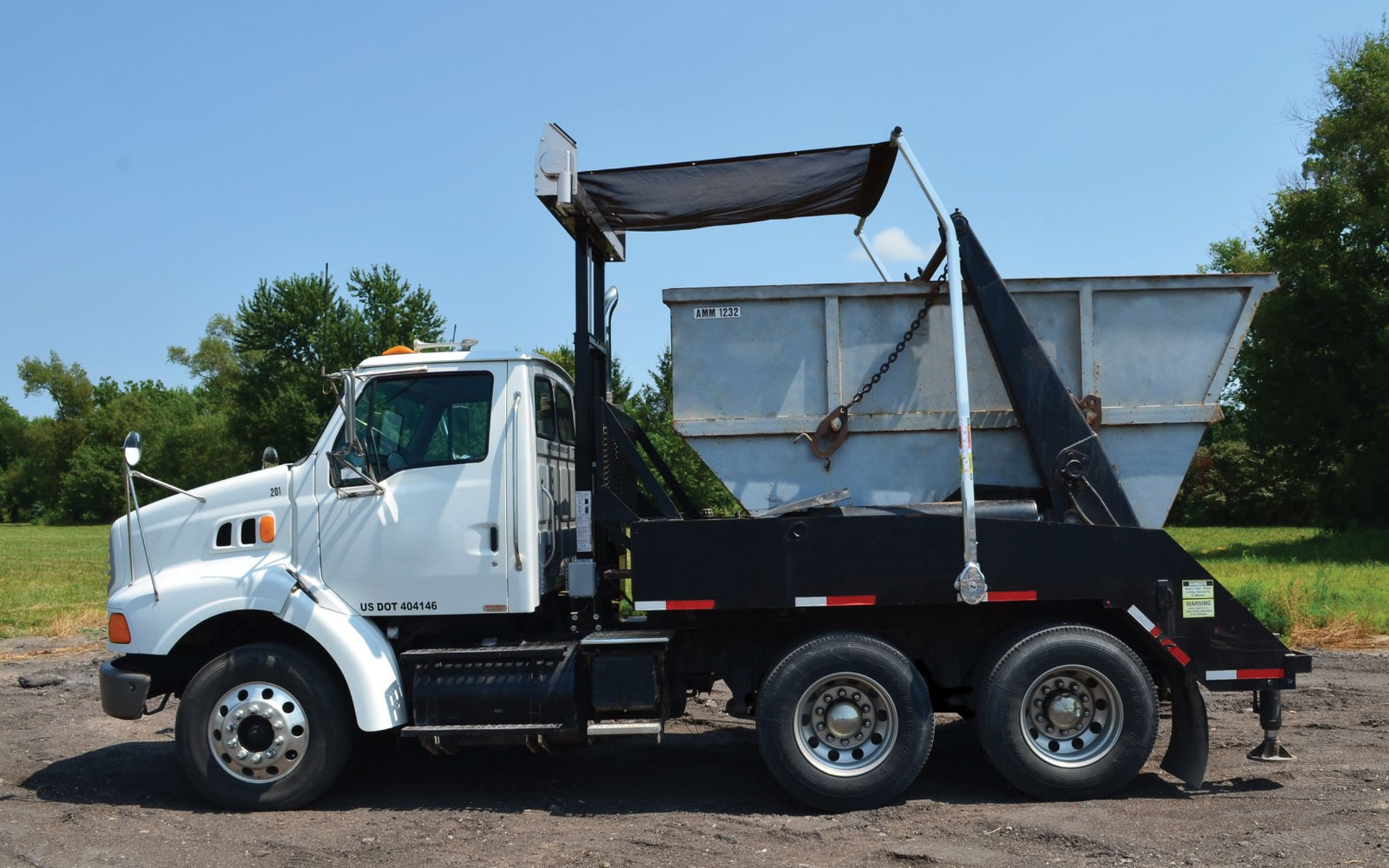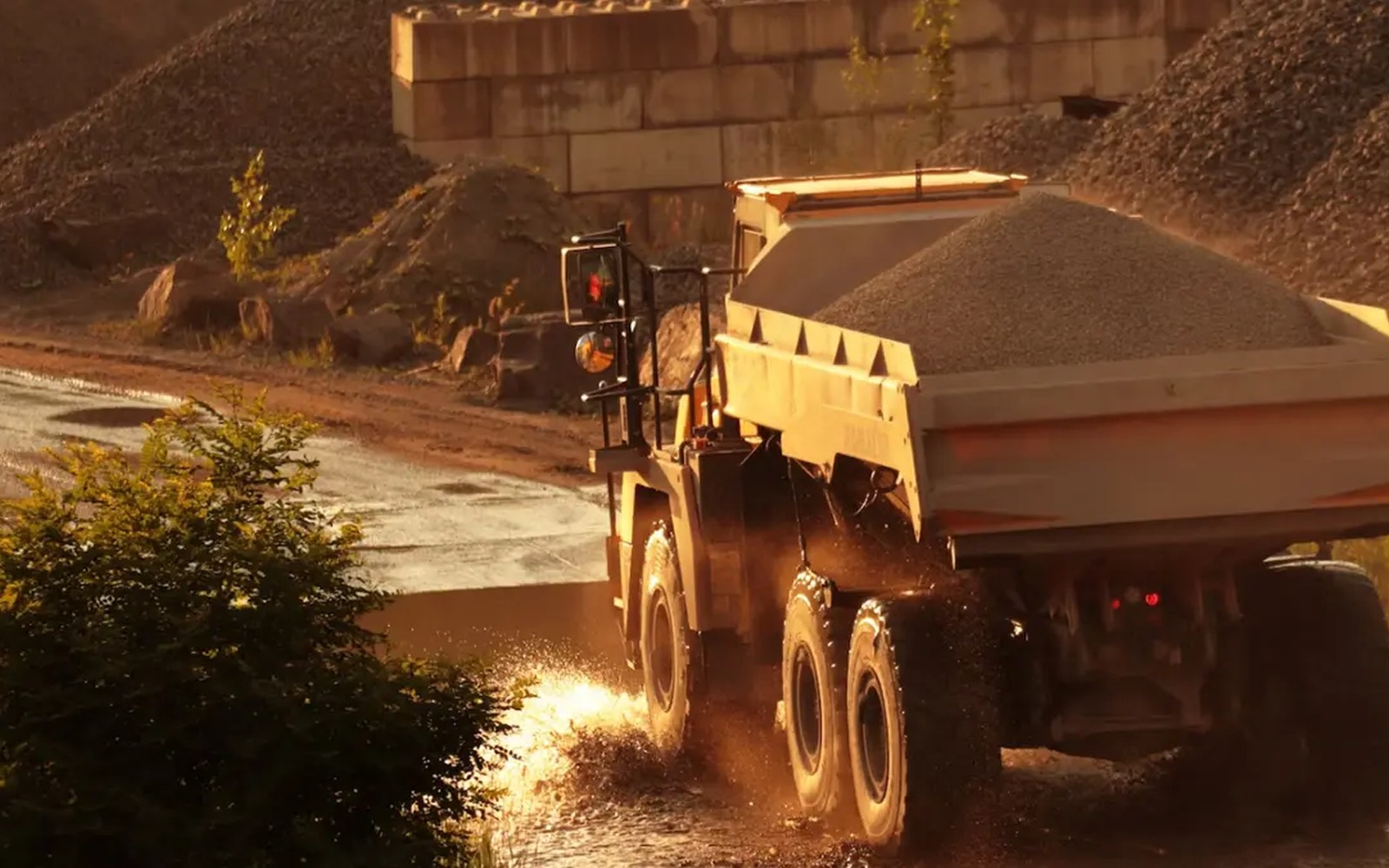
Refuse collection trucks are among the hardest-working vehicles in any fleet. A rear-loader running a residential route may make 800 or more stops in a single shift. A front-loader on a commercial dumpster route runs constant cycle counts with hydraulic forks, compaction cycles, and container contact throughout the day. The duty cycle on these machines is severe, and the capital cost reflects it. New packer trucks from Heil, McNeilus, Labrie, and other major body manufacturers on a Class 8 chassis routinely land between $200,000 and $350,000 depending on body type, packer configuration, and chassis spec. Financing them intelligently is not optional for most private haulers, it is the baseline requirement to stay competitive.
We finance garbage trucks for private waste haulers, municipal contractors, and commercial waste companies. Rear-loaders, side-loaders, front-loaders, and automated side-loaders all qualify. New and used packer trucks are both eligible. We start at $50,000 in deal value, application-only approval is available up to approximately $400,000, and B and C credit is considered. Deals typically fund after underwriting, title, and lien documents are complete.
Who We Finance in Refuse Collection
Private refuse haulers competing for municipal contracts and commercial accounts need reliable fleet equipment and predictable financing costs built into their bid models. A company that owns its trucks outright or carries low-rate financing can underbid a competitor running high-cost debt and still make money. Fleet TCO (total cost of ownership) starts with the acquisition cost and financing rate, and that is where we can help.
Municipal solid waste contractors who operate under five-to-ten-year service agreements have a clear revenue picture that supports strong underwriting. A contract with a municipality is about as stable a revenue stream as exists in the trucking industry. We factor that contract into the underwriting review, and operators with documented government contracts are encouraged to include them with their applications.
Private commercial haulers running accounts at restaurants, retail centers, and industrial facilities operate on somewhat shorter contract cycles but with similar predictability. Their fleet financing needs track closely with account growth and route density.
The waste hauling fleet segment also includes recycling haulers running split-body trucks and organics collection operators who may run dedicated route vehicles alongside standard refuse packers. Both types are eligible for financing with us.
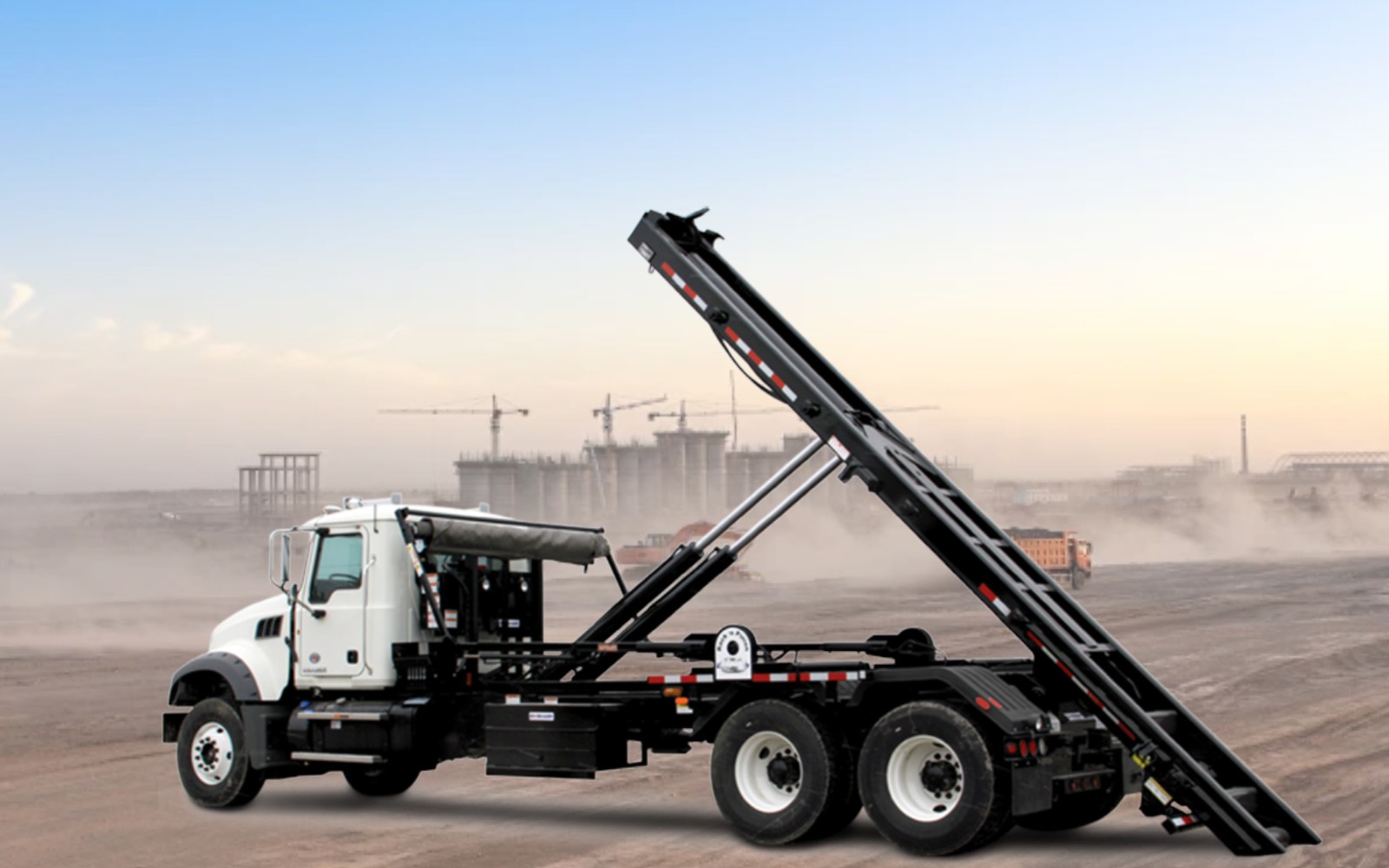
Operators who are diversifying their waste service offering to include roll-off dumpster service can finance both types in a single transaction or under a master fleet agreement. Our roll-off truck financing covers that side of the business.
Packer Truck Types and Financing Considerations
The garbage truck market has several distinct body types, each with its own duty cycle, maintenance profile, and residual value characteristics. Understanding these helps frame the financing structure.
Rear-loaders are the most common configuration in residential collection. Manual or semi-automated loading into a hopper at the rear, compaction by a blade mechanism, and discharge at the tipping floor. High stop counts mean high hydraulic cycle counts, which is the primary maintenance driver. Residual value is moderate.
Front-loaders use a set of hydraulic forks to lift commercial dumpsters over the cab and empty them into the body. Fewer stops but heavier loads per cycle. Fork stress and hydraulic wear are the primary maintenance concerns. Residual value tracks well on well-maintained units.
Automated side-loaders (ASL) use an articulating robotic arm to grip, lift, and empty wheeled residential carts without a manual loader. These are increasingly common as labor costs push operators and municipalities toward one-person routes. They carry a higher acquisition cost but lower ongoing labor cost per route.
Split-body trucks for dual-stream recycling run two compartments for separate material streams. More complex mechanically than single-body units.
The body manufacturer brand matters significantly for residual value. A Autocar chassis paired with a Heil or McNeilus body is a combination that holds value in the used market. An older or lesser-known body on a generic chassis is harder to finance and carries lower advance rates.
Financing Terms and Structures for Packer Trucks
Garbage truck deals typically run on 60-to-84-month terms for new units, reflecting the equipment's useful life and the operator's ability to plan around the payment. Used packer trucks, especially those with 4 to 8 years of service and 80,000 to 150,000 miles, often finance on 48-to-72-month terms depending on condition and buyer credit profile.
Common structures for refuse fleet financing:
- Standard purchase financing: Fixed monthly payment, ownership at payoff. Simple and widely used.
- TRAC lease: Operating lease treatment with a terminal rental adjustment clause. Useful for operators who want lease accounting treatment and flexibility at term end.
- Fleet sale-leaseback: Convert paid-off trucks to working capital without removing them from routes. Useful for operators funding a new contract startup or equipment expansion.
Our fleet refinance program is available for operators whose existing packer truck notes are carrying above-market rates. If you financed during a high-rate period and the rate environment has changed, refinancing can lower your monthly cost and free up cash flow for operations or additional equipment.