Municipal fleet managers operate under a different set of pressures than private operators. Budgets are approved on cycles, procurement rules add process, and the consequence of a truck being out of service falls on taxpayers and constituents rather than a P&L statement. The uptime stakes are real, and replacement timing often runs behind where it should be because capital allocations compete with dozens of other department needs in a budget process that was not designed for fleet optimization.
We work with municipalities, counties, special districts, and government contractors who need vehicle financing structured around how public procurement actually functions. Fire apparatus, utility trucks, refuse collection vehicles, snow plows, street sweepers, dump trucks, and administrative support vehicles all qualify. Minimum transaction of $50,000. Application-only approval up to approximately $400,000 covers many individual unit acquisitions, and B or C credit backgrounds are considered for entities that have had financial challenges. Funding typically completes in one to two weeks from documentation.
Types of Government Entities We Finance
Small and mid-size municipalities that run their own public works fleets but lack the borrowing power of large city governments. County road departments that replace aging dump trucks and patch-truck rigs one or two units at a time. Special taxing districts: water authorities, wastewater districts, and utility districts that run independent vehicle fleets separate from general municipal operations. Volunteer fire departments and rural fire protection districts purchasing new apparatus outside of state or federal grant cycles.
Government contractors are a significant part of this market as well. A private company holding a solid waste collection contract with a municipality needs the same fleet financing as any refuse operator, but the credit underwriting may give weight to the contract term and the quality of the government counterparty. A company with a three-year exclusive collection contract with a county has predictable revenue that a lender can see, which often supports more favorable terms than the company's standalone credit might suggest.
For fleet operators serving utilities and municipalities, utility truck financing and bucket truck fleet financing are regular transaction types. So is financing for dump truck fleets used by public works and road maintenance departments. The equipment mix is wide, and we finance the full range.
Financing Structures for Public Procurement
Municipal and government financing often uses a tax-exempt lease structure, particularly for public entities. Under a tax-exempt municipal lease, the interest portion of lease payments is exempt from federal income tax, which means the effective rate for qualifying entities is meaningfully lower than conventional commercial financing. These structures require the entity to have taxing authority and to comply with specific documentation requirements under IRS rules.
For government contractors who are private entities rather than public bodies, standard commercial financing structures apply. The lease-to-own, TRAC lease, and term loan formats all available. A dollar buyout lease works well for contractors who want to own the equipment at the end of the term without a balloon payment or residual negotiation. For equipment that will be under a contract of defined term, aligning the lease period with the contract length often makes financial planning cleaner.
Municipalities operating under procurement thresholds that require competitive bidding or purchase orders before contract award can use our pre-approval process to lock rate and structure before the formal procurement is complete. The pre-approval gives fleet managers a documented financing commitment to include in budget presentations and council approvals without the transaction needing to close until the PO or resolution is in place.
Fleet Equipment in the Government Sector
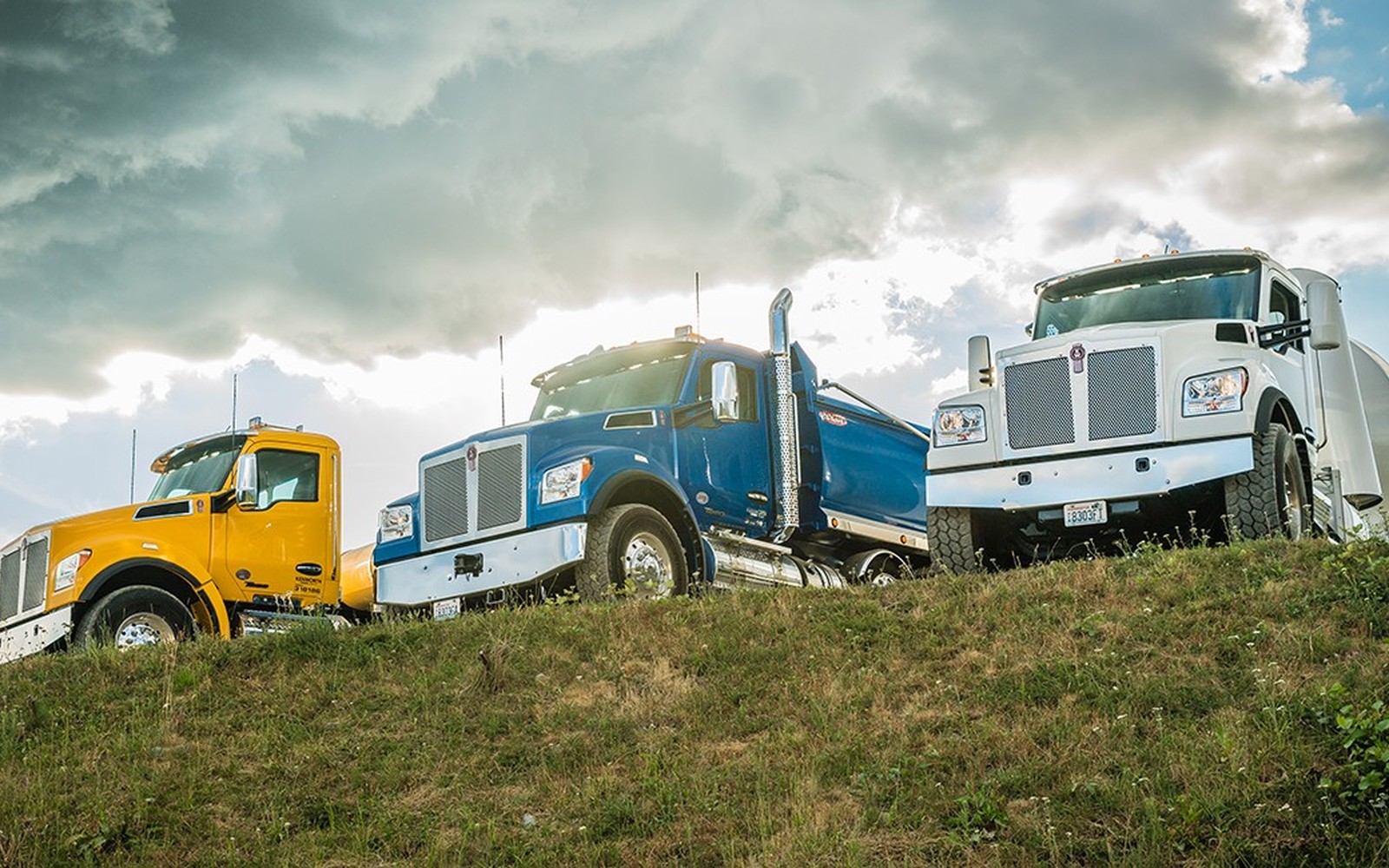
Public works departments run some of the most diverse and specialized equipment in any fleet segment. Snow plow configurations on Class 5 to Class 8 trucks, street sweeper combinations on purpose-built chassis, catch basin cleaners and vacuum excavation trucks, and the full range of utility maintenance vehicles including vacuum trucks for catch basin and sewer maintenance. These are high-value specialty units that carry strong residual values and clear useful life documentation.
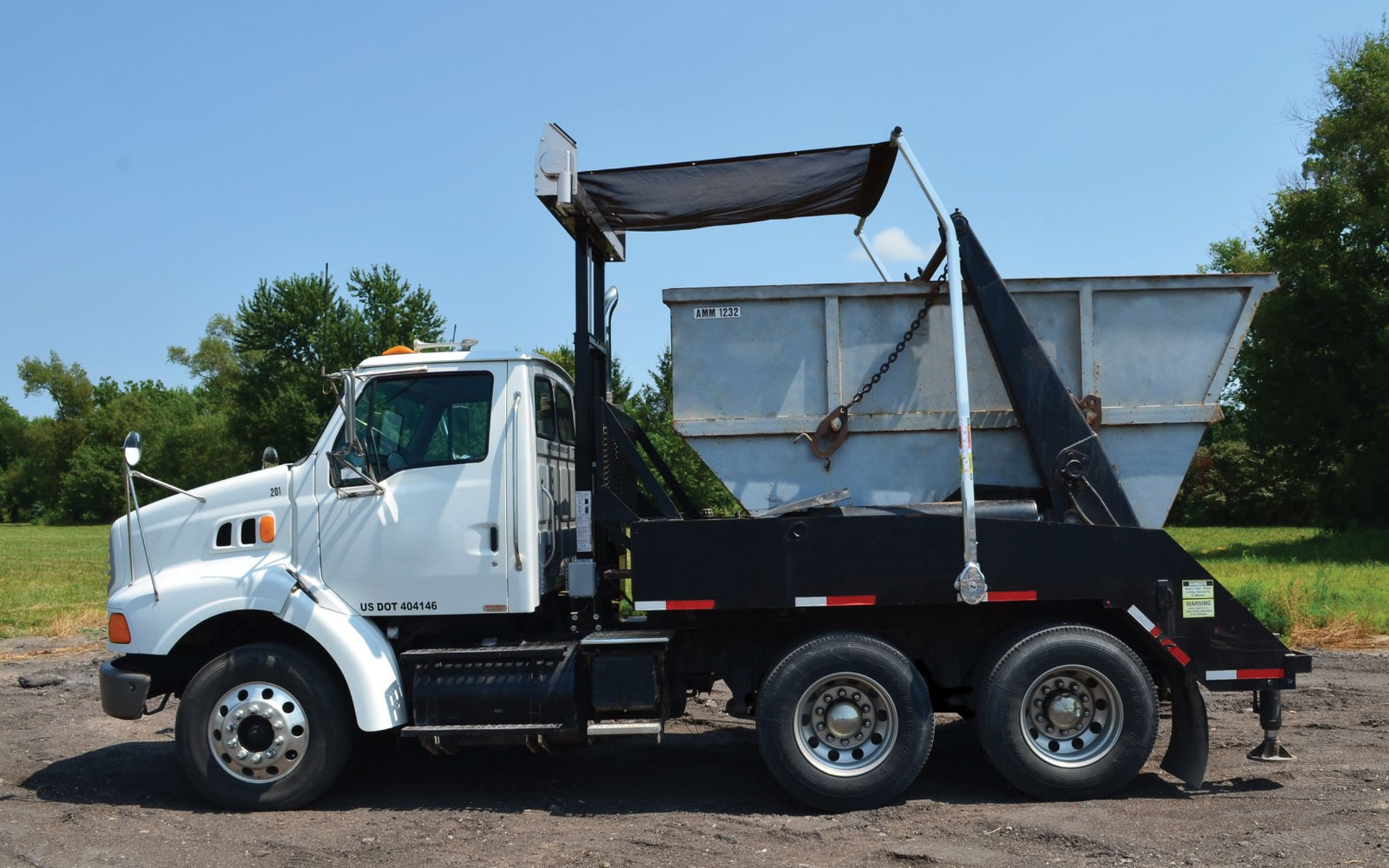
Municipal refuse collections departments run rear-loaders, side-loaders, and roll-off trucks on well-defined replacement cycles, typically 10 to 12 years for standard packer bodies. A city or county that tracks its fleet by asset ID, maintenance cost per unit, and projected replacement date is in an excellent position to time financing to coincide with capital budgets, and the predictability of that cycle makes the underwriting process more straightforward.
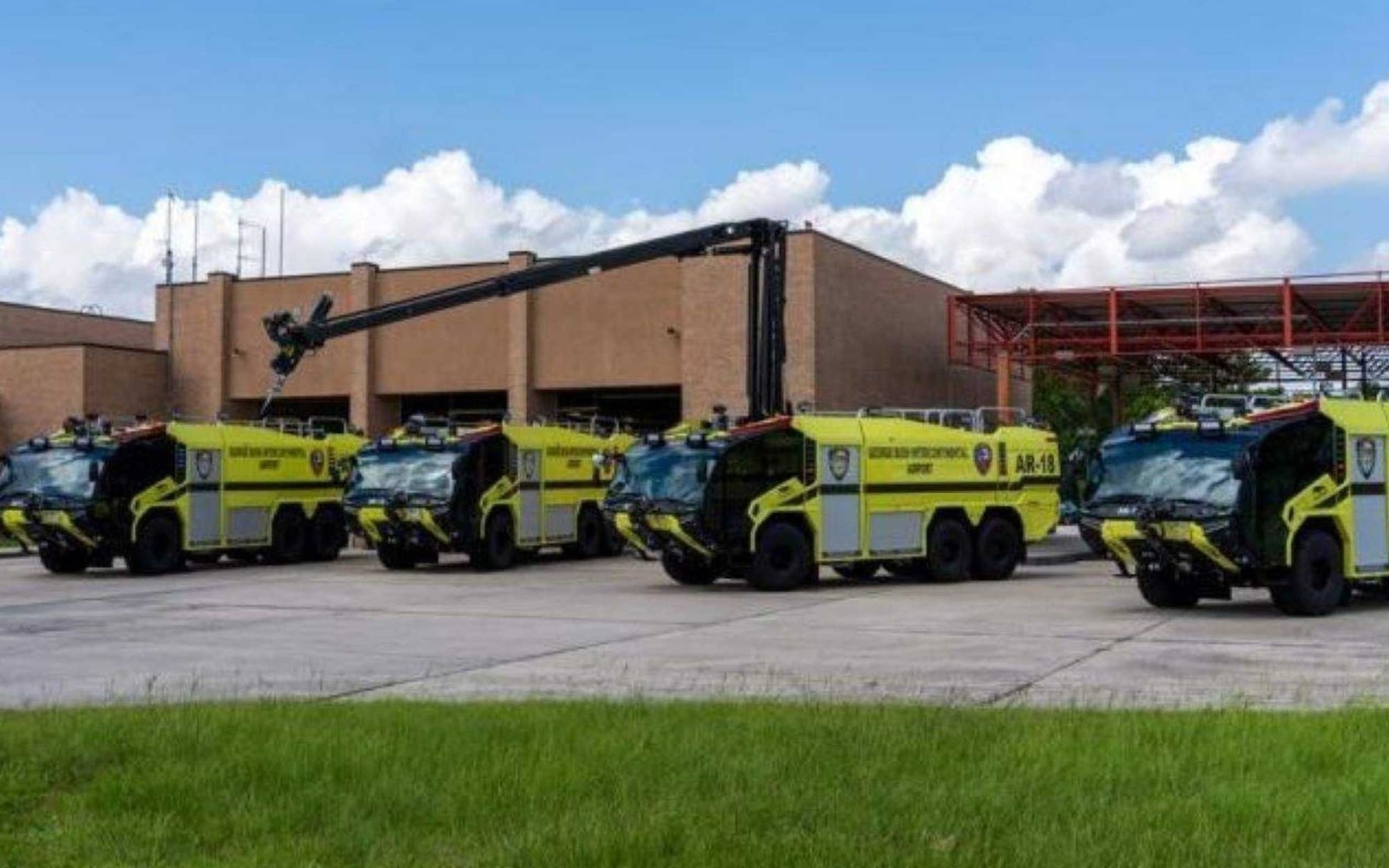
Fire apparatus is among the most capital-intensive per unit in the municipal segment. A new pumper truck from Pierce, E-ONE, or Ferrara typically prices at $600,000 to over $900,000 for a fully equipped unit. Ladder trucks and aerial platforms often exceed $1.2 million. These transactions move above application-only thresholds and require full financial documentation, but the credit quality of a municipality or fire district and the essential-service nature of the asset make the underwriting framework clear.
Term Length and Payment Structures
Government fleet transactions often run longer terms than commercial deals: 60 to 84 months on standard utility and public works vehicles, and up to 10 years on fire apparatus given the extraordinary capital cost and long service life. Spreading a $750,000 pumper truck over a decade keeps the annual payment at a level that fits within typical department budget allocations without displacing other priorities.
For municipalities and government contractors in states with specific fiscal year constraints, deferred first payment structures or skip-payment schedules aligned with fiscal cycles can ease the cash flow impact of adding new equipment mid-year. We can structure payments to begin in a specific month or to skip a payment in the fiscal quarter where budget is tightest.
Government entities in major logistics and infrastructure hubs like Chicago, Houston, and Philadelphia manage some of the largest municipal fleets in the country and regularly use structured financing for fleet components that cannot clear capital budget hurdles in a single year. Smaller municipalities in those same metro areas often finance through the same structures but at the individual-unit level.
Fleet Financing That Works on Government Timelines
Public sector procurement has its own pace, and our process is built to accommodate it. Pre-approvals for council presentations, tax-exempt structures for qualifying entities, and deal timelines that work within fiscal year constraints. Talk to us about your fleet replacement needs before the budget cycle closes.