Philadelphia runs one of the densest freight networks in the country, and the pressure on fleet operators here is not just about trucks performing reliably, it is about trucks being exactly right for the jobs they are doing. The wrong spec on a city distribution route costs you time and money every day. The wrong spec on an I-95 corridor run means a driver complaining about fuel efficiency from New York to Baltimore and back. Getting equipment financing right in Philadelphia means understanding the specific economic environment, not just running a credit check and stamping a loan number on it.
We finance Philadelphia-area truck fleets from $50,000 per transaction, with the typical deal running about $100k to $150k. Application-only approval reaches roughly $400,000 with minimal paperwork. B and C credit considered. Closing scheduled once the package is complete. We have worked with port drayage companies in the Northeast Philadelphia and Port Richmond areas, last-mile fleets serving the dense residential corridors, and regional carriers staging through the metro on I-95 runs.
Philadelphia's Freight Economy
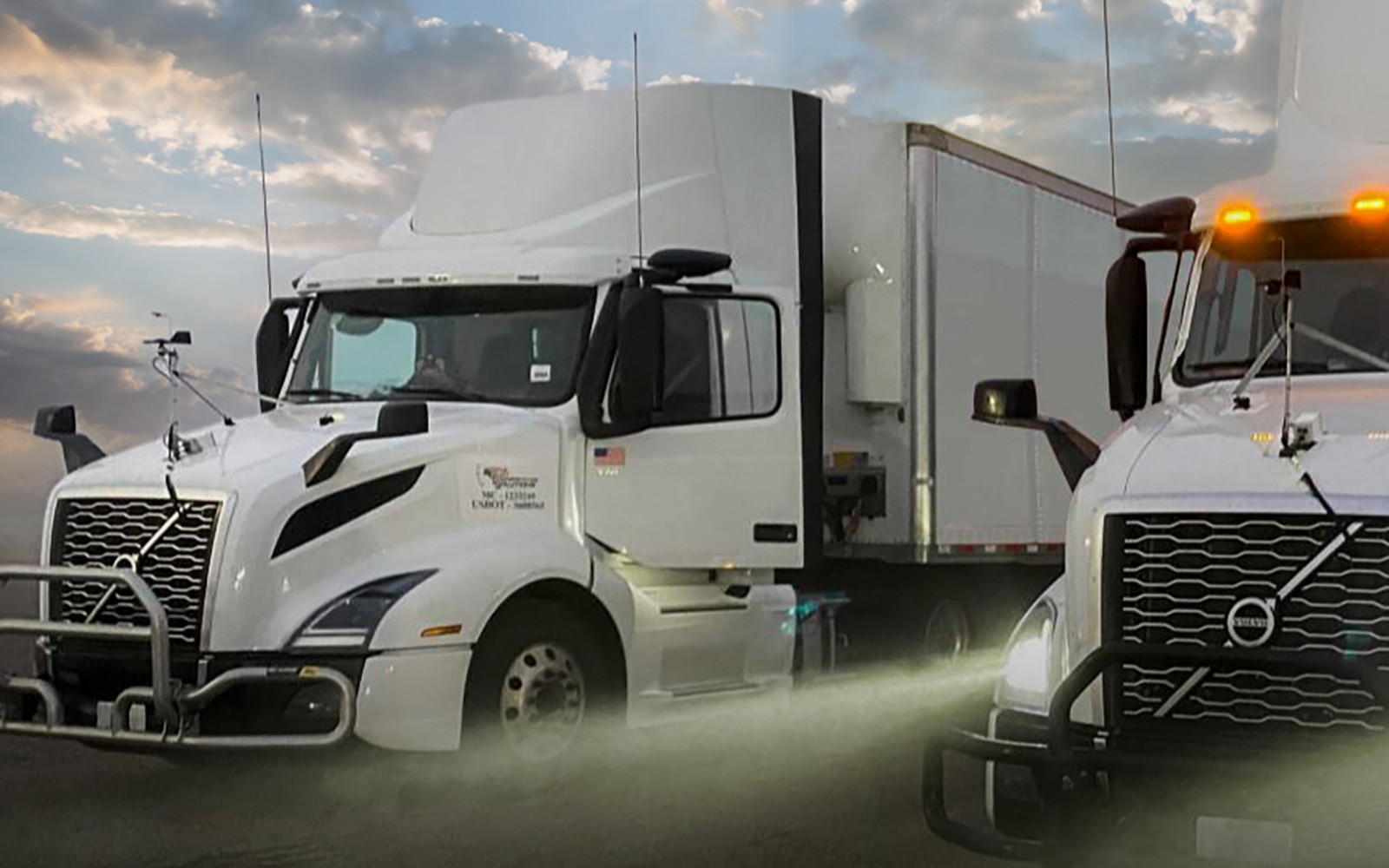
The Port of Philadelphia handles bulk cargo, container freight, and automobile imports, generating a base of drayage demand similar to Baltimore and Newark but with its own specific routing geometry. The port terminals in the South Philadelphia waterfront area feed freight into the rail network and to distribution facilities across the region. Day cab tractors running the port-to-warehouse turns need to be spec'd for the tight maneuvering that port terminal environments demand and for the traffic conditions on I-95 through the city.
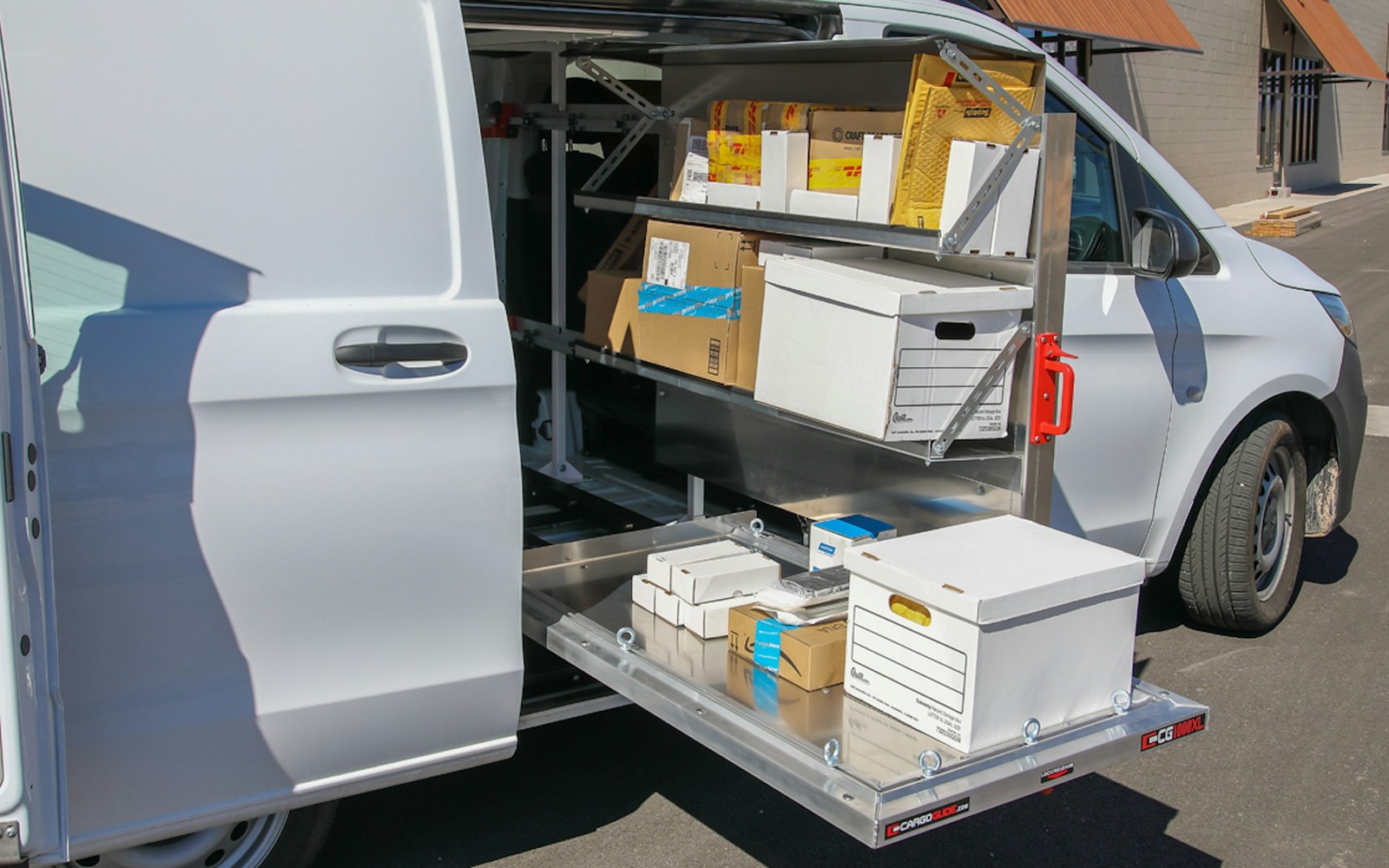
E-commerce and last-mile distribution has exploded in the Philadelphia metro, driven by the region's population density and the consumer demand it represents. Fulfillment centers in Northeast Philadelphia, the Route 1 corridor, and South Jersey (which is functionally part of the Philly market) generate enormous demand for cargo vans, Sprinter vans, and medium-duty box trucks. Fleets serving this segment are often growing rapidly and need financing that can keep pace with contract awards.
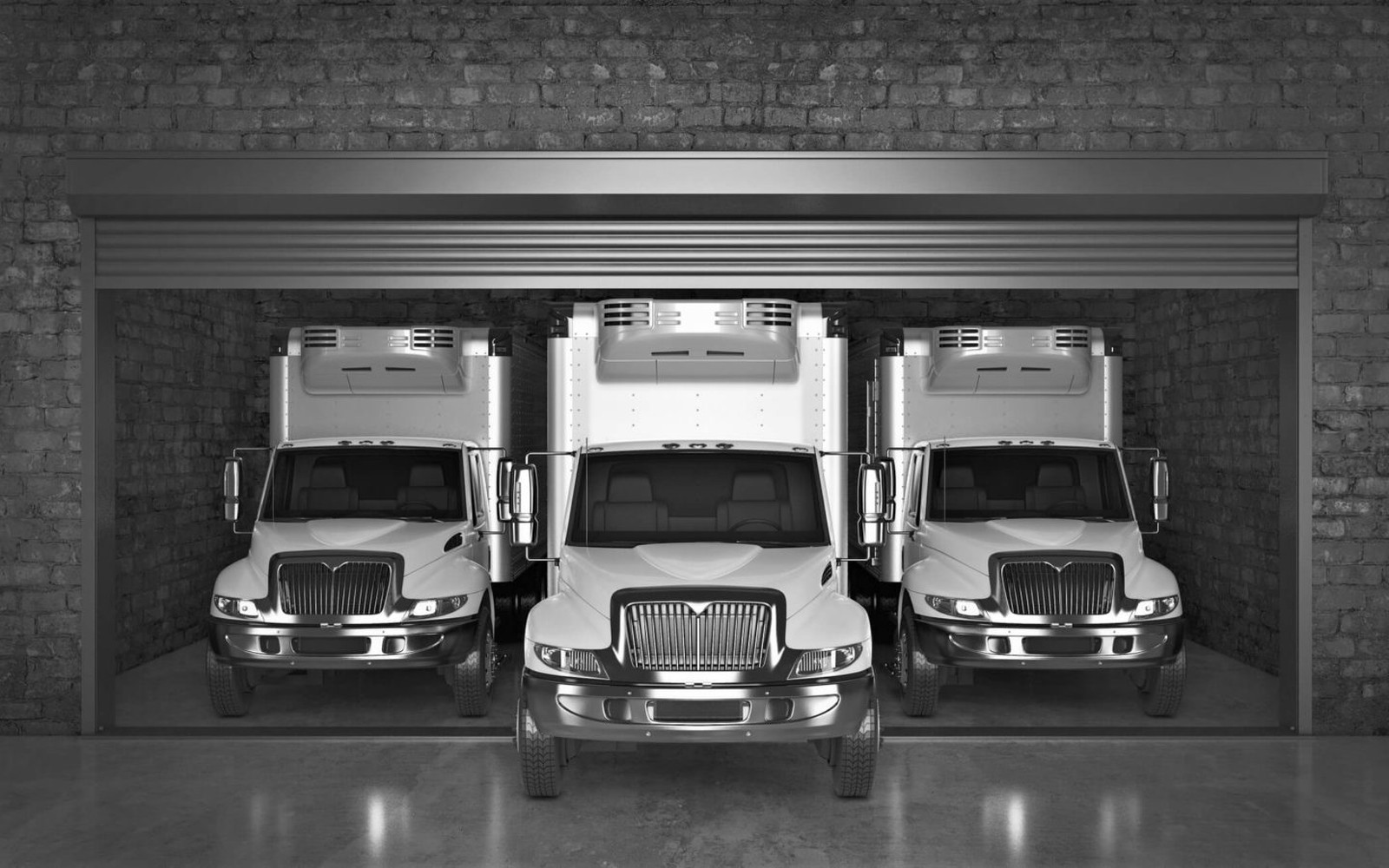
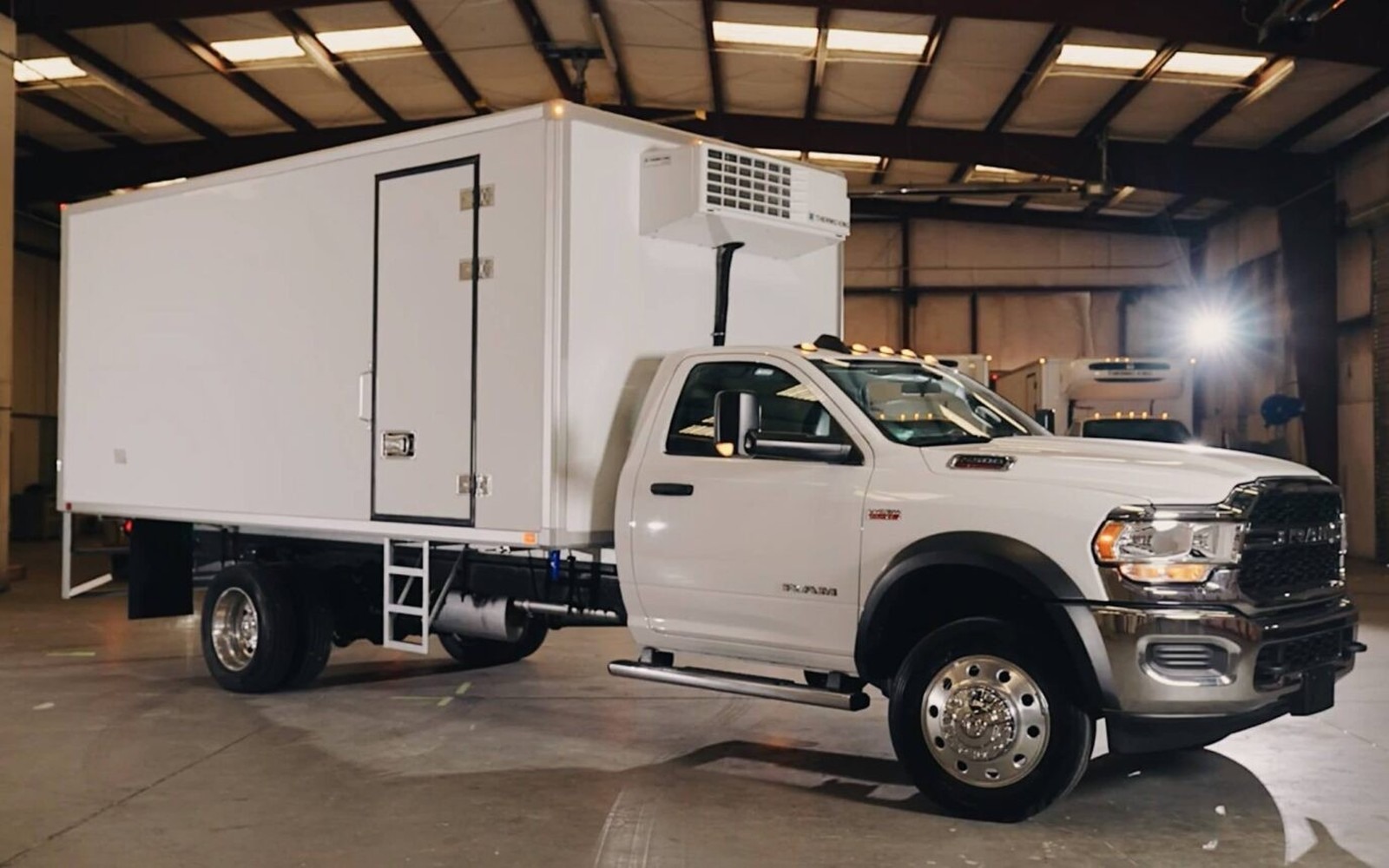
Food distribution is another major category. Philadelphia's dense restaurant scene, institutional food service accounts (hospitals, universities, school systems), and grocery distribution to the region's supermarket chains require significant refrigerated capacity. Food distribution fleets in this market run hard and expect their lender to understand the seasonal volume swings and contract-driven demand patterns.
Philadelphia Fleet Operators We Work With
The Philadelphia market attracts a specific type of fleet operator that we have come to know well. Drayage companies working the port and moving freight to the intermodal ramp at Paulsboro and the CSX facilities in the area. Last-mile operators with growing van and medium-duty fleets under e-commerce distribution contracts. Regional carriers staging in Philadelphia on runs to New York, Baltimore, and the I-78 corridor toward the Lehigh Valley and Harrisburg.
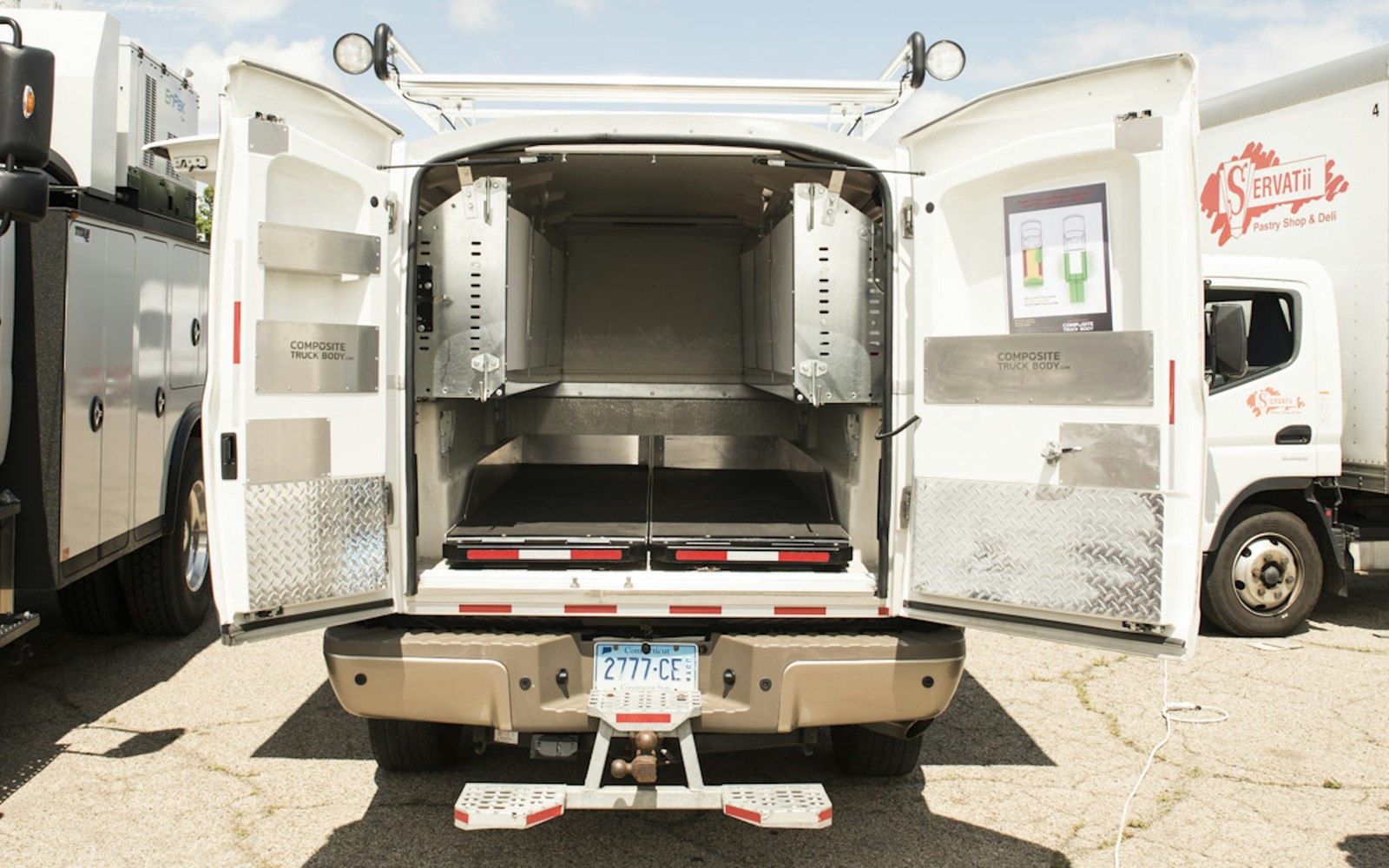
Construction and utility fleets doing infrastructure work in the city and the surrounding counties. Utility fleet operators serving PECO, PGW, and the various municipal authorities in the area need reliable equipment on a service call schedule where downtime creates immediate customer impact. Waste hauling companies under municipal and commercial contracts. Moving companies serving the constant residential and commercial relocation traffic in and out of the Philadelphia metro.
The common thread across all of these is fleet managers who understand their cost-per-unit and replacement-cycle math. We speak that language. Whether the conversation is about a single unit purchase, a multi-unit package, or refinancing an existing note to improve monthly cash flow, we work from the same TCO framework the operator uses.
The Financing Process for Philadelphia Operators
Philadelphia fleet operators tend to be busy, and the application process reflects that. A one-page application and three months of bank statements handles most transactions under roughly $400,000. We do not front-load the process with a massive document request. Once we have what we need, approval decisions come back in 24 to 48 hours on straightforward files, and funding closes in about one to two weeks.
Fleet financing structures available include term loans, finance leases, and TRAC leases. Operators who want to own equipment at the end of the term, particularly if they hold units to high mileage, favor the finance lease or $1 buyout lease structure. Operators on a three-to-five year replacement cycle often prefer a TRAC lease for the lower monthly payments and end-of-term flexibility.
For operators with multiple units already financed elsewhere, fleet refinancing can consolidate existing notes into a better structure. Philadelphia operators who took on financing two or three years ago under different market conditions sometimes find a refinance meaningfully reduces their monthly obligations across the fleet, freeing cash flow to operate more comfortably between contract payments. The math on a ten-unit fleet can be significant.