Utility fleet uptime is not a performance metric. It is a service obligation. Electric cooperatives, telecom contractors, gas companies, and municipality public works departments run utility trucks on schedules where a truck-down event cascades directly into delayed outage restoration, missed fiber installations, or a gas crew standing around on overtime waiting for a digger derrick to show up. The fleet managers who fund replacements before critical failures, not after, are the ones keeping their service contracts and their personnel. Our utility truck financing is structured for those operators.
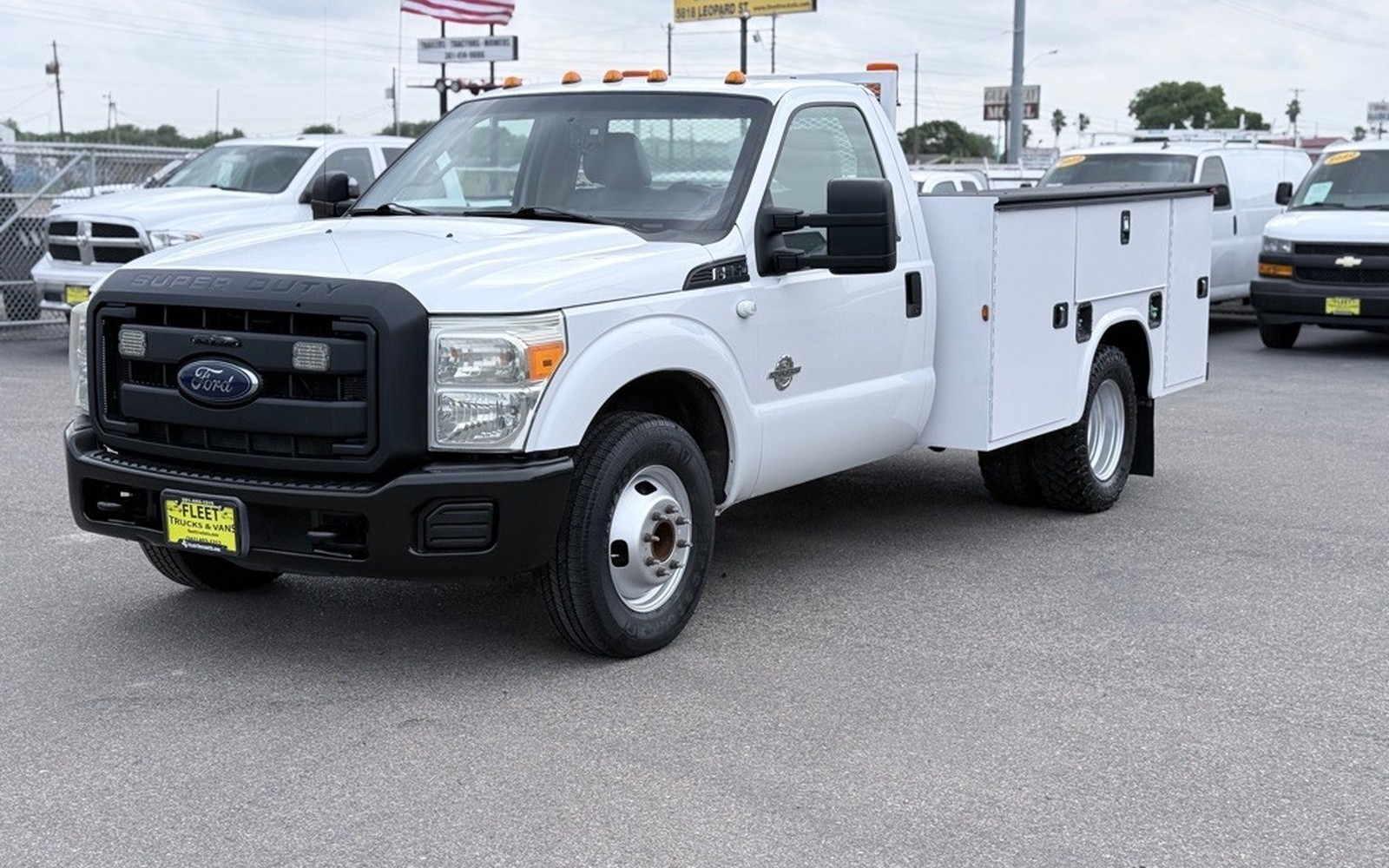
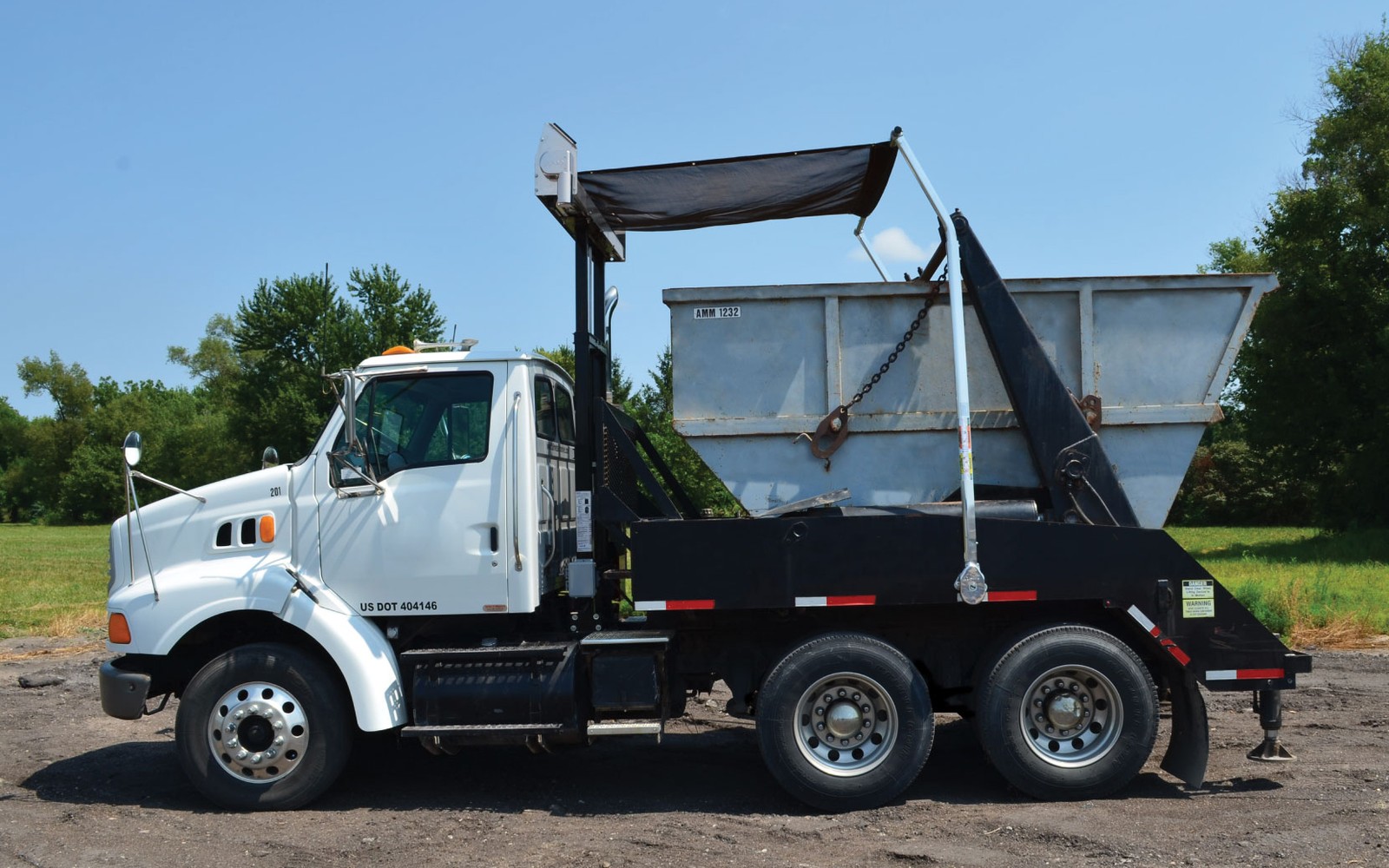
Utility trucks encompass several distinct equipment types that share the common characteristic of purpose-built aerial or earthwork capability mounted on a truck chassis. Aerial lift trucks (bucket trucks) lift personnel to overhead work positions for line work, tree trimming, and building maintenance. Digger derrick trucks combine an auger drive for setting poles with a crane for lifting the poles into position. Telescopic booms and articulating arm configurations serve different reach requirements. Each of these configurations has its own market, its own secondary value curve, and its own financing considerations.
The operators financing utility trucks with us range from small electrical contractors buying their first aerial lift to regional telecom construction companies adding capacity for a fiber expansion contract. Both segments need quick decisions and financing that respects how the equipment earns money. A utility truck sitting idle at the yard while the financing paperwork cycles slowly through a bank is a truck not earning against its payment. We move faster than that.
Aerial Lifts, Digger Derricks, and Their Financing Profiles
Aerial lift trucks, which we cover in more detail on our bucket trucks page, are used across utility, telecom, landscaping, and building maintenance applications. The working height and platform capacity of the unit drive its value. A 35-foot working height unit serves light utility and telecom work. Units with 50 to 75-foot working height serve electric distribution line work. Units over 100 feet of working height serve transmission and substation construction. Each tier has a different price point and a different secondary market depth.
Digger derrick trucks are more specialized and carry more concentrated secondary market demand from utility construction contractors, electric co-ops, and municipal utilities. A digger derrick rated to set a 70-foot Class H pole with a 12,000-pound crane capacity is a significant piece of equipment, typically priced at $250,000 to $400,000 new from manufacturers like Altec, Elliott Equipment, or Terex Utilities. Used units from fleet disposals at utilities or co-ops trade in a range that depends heavily on the specific configuration and working condition.
Both aerial lifts and digger derricks require ongoing maintenance and annual inspections to maintain operational certification. This affects how lenders view the asset, particularly for used equipment. A utility truck that is current on its annual ANSI inspection and has documented maintenance records is substantially easier to finance than one with an inspection lapse. Make sure your documentation is in order before you apply.
Utility Infrastructure Demand and Fleet Capacity
Infrastructure investment in electric grid hardening, rural broadband deployment, and 5G network expansion has driven sustained demand for utility trucks throughout recent years. Electric utility contractors serving utility fleet operators need certified equipment and trained crews, and the current environment has many contractors competing for the same pool of experienced aerial lift and digger derrick operators.
Telecom construction contractors bidding on rural broadband and fiber-to-the-premises contracts need aerial lift and bucket truck capacity to meet their installation timelines. These contracts are often structured with performance milestones, and a contractor who cannot field sufficient equipment cannot hit the milestones. Adding truck capacity to match a contract win is a financing decision with a clear payback logic: the contract revenue funds the payment.
Municipal and county public works departments occasionally need utility trucks but typically access financing through municipal bond programs or government purchasing programs rather than commercial equipment finance. However, contractors who serve municipalities under service contracts and need the equipment to fulfill those contracts are ideal commercial equipment finance customers. The contract provides the revenue backstory, and the contract duration often maps well to a reasonable loan term.
Financing Qualifications for Utility Trucks
Utility trucks are higher-value assets than basic straight trucks in most configurations, so the credit review is proportionally more thorough. Application-only processing up to approximately $400,000 handles many single-unit transactions in the aerial lift category. Higher-value units like digger derricks with full outrigger packages may exceed that threshold, requiring bank statement review to support the larger advance.
For aerial lift and bucket truck buyers, three months of bank statements demonstrating active contract revenue is typically sufficient to support the application when credit has some complexity. A contractor who has been doing active utility work, pulling permits, and generating invoices has a story on paper that a credit score alone does not tell completely.
B and C credit situations are considered. Prior business challenges do not close the door if the current operating picture is solid. Down payment requirements may be higher for borrowers with challenged credit histories, which is where a fleet sale-leaseback on owned equipment can provide the down payment capital without a cash outlay from the operating account. We work through these structures regularly and can advise on the most efficient path given your specific situation.
Pulling Equity From Existing Utility Trucks
Utility trucks have strong residual values in specialized markets. An aerial lift or digger derrick owned outright by a contractor represents meaningful equity that can be converted to working capital. A cash-out refinance on an owned utility truck puts cash in the operating account while the truck continues working. This is useful for covering the down payment on a new unit, funding crew expansion, or bridging a gap between contract completion and payment receipt.
Sale-leaseback converts full ownership equity to cash, with the operator continuing to use the truck under a lease arrangement. For contractors who own two or three utility trucks outright and need capital to bid a larger contract, sale-leaseback is one of the most efficient capital tools available. The trucks stay productive; the capital goes to work on the next opportunity.
Related routes worth a look include Seasonal & Deferred-Payment Financing, Private-Party Truck Financing, and Section 179 Truck Deduction.