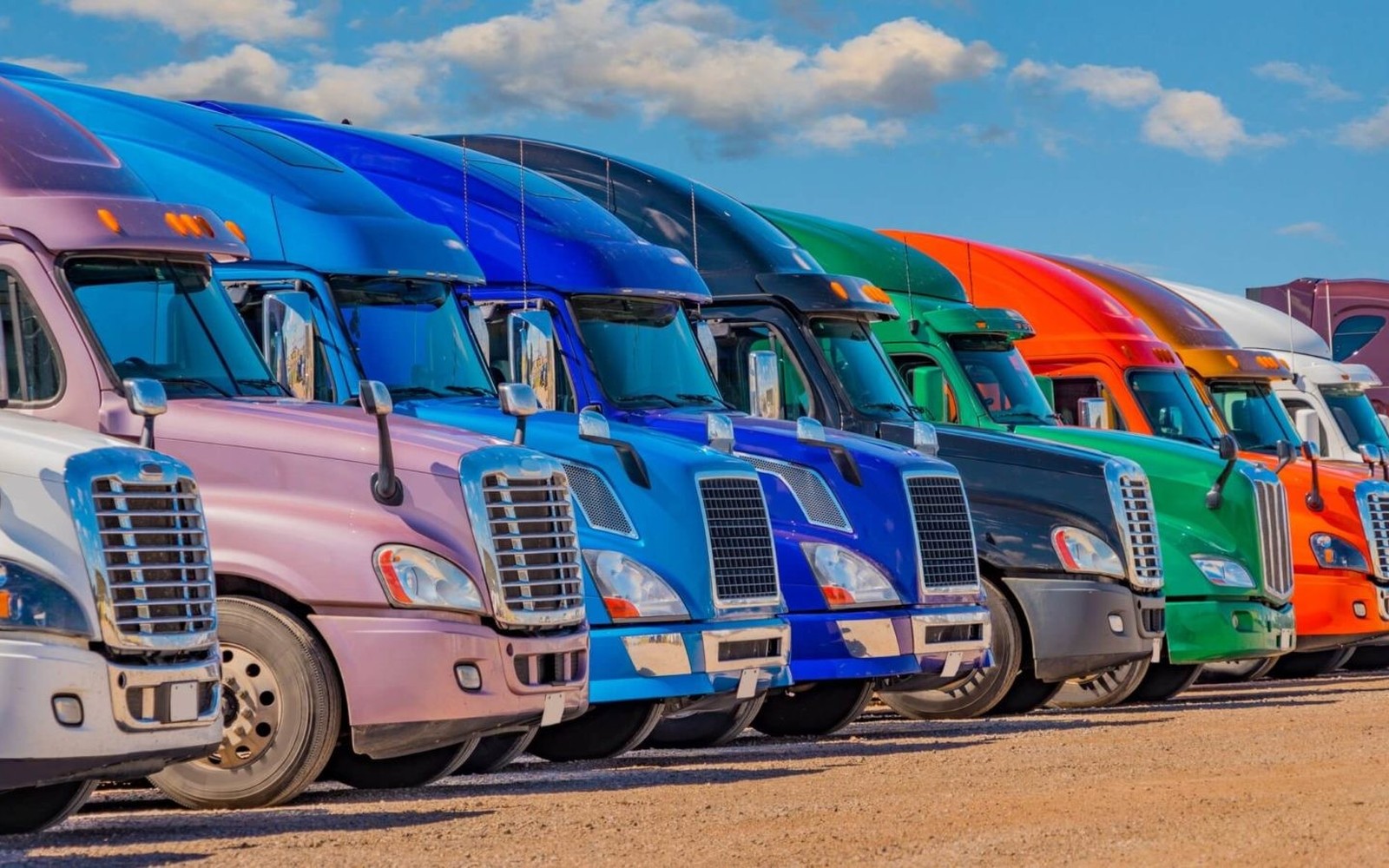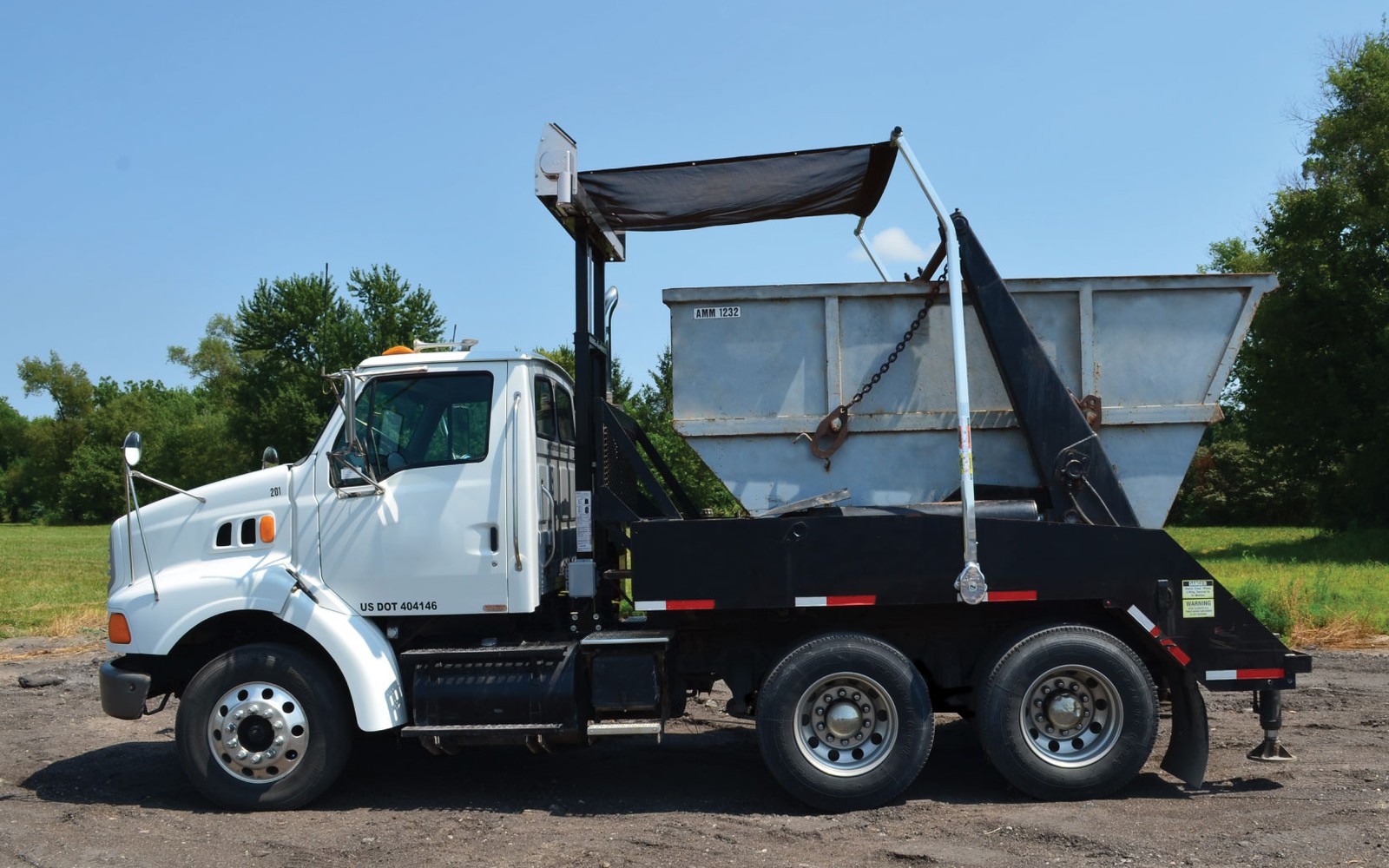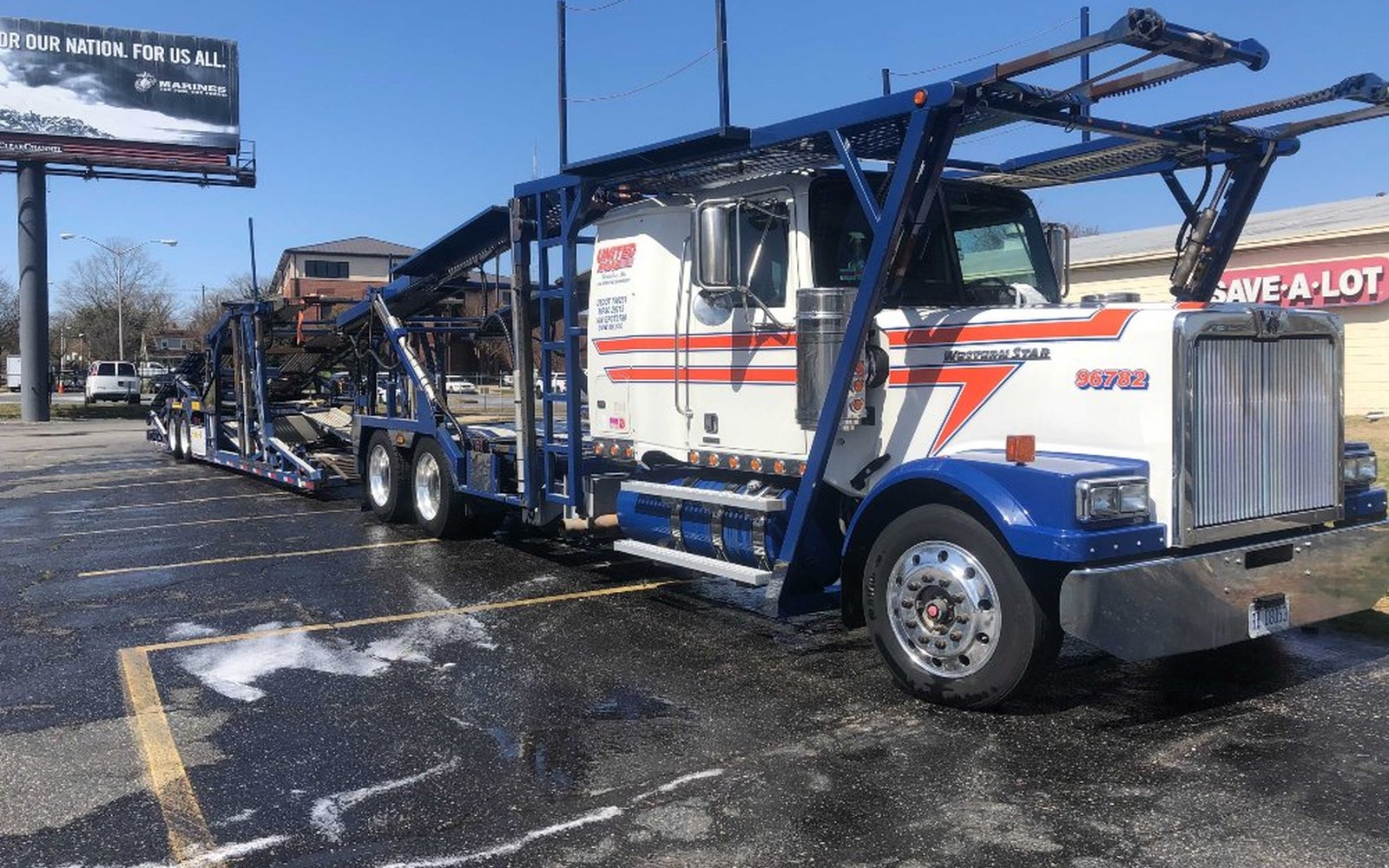
The best trucks in a fleet manager's replacement cycle rarely come off a dealer lot. They come from a retiring owner-operator with 400,000 documented miles on a well-maintained unit, or from a competing carrier downsizing a model that happens to fit your spec exactly. Private-party purchases can deliver significantly better value per dollar of equipment than dealer inventory, particularly for Class 8 iron in the three-to-seven-year-old range. The complication is that conventional dealer financing does not exist on these transactions. You need a lender structured to handle private-party truck deals, where the seller is an individual or a business rather than a franchised dealer.
Private-party financing is a real product, not an edge case. We close these transactions regularly for fleets acquiring used sleeper tractors, flatbed trucks, and vocational units from other operators. The mechanics differ from a dealer transaction in a few important ways, and understanding those differences upfront prevents deals from falling apart after a buyer and seller have already shaken hands.
How Private-Party Truck Financing Works
In a dealer transaction, the dealer handles most of the title and lien documentation as part of their standard deal process. In a private-party transaction, the buyer and lender have to manage that process themselves. The lender advances funds either directly to the seller (most common) or through an escrow arrangement, and both parties must provide documentation that a dealer would normally have handled automatically.
The seller needs to provide a clean title, a bill of sale, any available maintenance records, and a payoff letter from their existing lender if the truck carries a lien. The buyer provides a standard credit application and supporting financial documents. The lender orders an independent appraisal or runs the VIN against market valuation tools to confirm that the agreed purchase price is within an acceptable range of actual market value. Most lenders will advance 80 to 90 percent of the lower of purchase price or appraised value, so a deal where the buyer is paying above market may require additional cash to close.
Title transfer is handled state by state, and the process varies. Some states allow the seller to sign over the title at closing and the buyer registers it with the lien noted. Others require the old lien to be formally released before a new one can be recorded. We have closed private-party deals in nearly every state and know which jurisdictions move fast and which require extra time in the title chain. Plan for that process to add several business days to a deal that might otherwise be ready to fund.
Lien payoffs on the seller's existing loan are typically wired directly from the new lender to the existing lender, with any surplus going to the seller. This protects the buyer from receiving a truck with an undisclosed lien still attached. We do not advance buyer funds until we have confirmed that the existing lien payoff has been processed or that the title is genuinely free and clear.
What Lenders Look For on Private-Party Collateral
Private-party collateral underwriting is more intensive than dealer collateral underwriting because there is no dealer recourse, warranty backstop, or certified pre-owned program providing a secondary layer of assurance. The lender is relying entirely on the physical condition of the unit and the buyer's ability to service the debt.
Age and mileage are the first filters. Most commercial lenders cap private-party truck financing at eight to ten years from manufacture date, though some go to twelve years on specific collateral types with strong borrower credit. Mileage guidelines vary by make and vocational use. A Kenworth T680 or Freightliner Cascadia with 600,000 miles is a different conversation than a medium-duty box truck with 200,000 miles, because the expected remaining service life and the maintenance cost curve differ significantly between those two assets.
Maintenance records matter more on private-party deals than on almost any other transaction. A seller who has an organized service history, preferably from a single dealer or fleet maintenance provider, gives the lender a defensible picture of how the asset has been managed. Missing records do not automatically kill a deal, but they do tighten the advance rate and sometimes require a pre-purchase inspection by an independent mechanic at the buyer's expense.
The seller's business entity or personal identity also needs to clear basic fraud screening. Lenders verify that the VIN on the truck matches the title, that the title shows the correct seller of record, and that the seller is not on any commercial fraud watchlists. This is standard process on every private-party deal and adds a day or two to closing timelines compared to dealer transactions.
Timeline and What to Expect
Private-party deals typically take longer than dealer transactions. The reasons are practical: title and lien research takes time, independent appraisals or inspections add a step, and coordinating documentation between a buyer, a seller, and a lender who have never worked together before requires more back-and-forth than a dealer with an established lender relationship. A realistic timeline for a straightforward private-party deal with clean title and cooperative parties is seven to fourteen business days from application to funded. Deals with title complications or seller liens that need time to clear can run three to four weeks.
To keep things moving, we recommend that buyers have their credit application and three months of bank statements ready before they approach a seller. That way, as soon as the seller agrees on a price and provides their title and payoff information, we can submit to underwriting immediately rather than waiting on the buyer's paperwork. Sellers who know the deal is already in underwriting are more likely to hold the truck and resist other offers.
We handle private-party deals for operators financing single units as well as for fleet operators acquiring five or ten trucks in a block purchase from a carrier that is liquidating. Block purchases sometimes require a more involved process because title for each unit may be in a different state and lien holders may differ by unit. We have managed these transactions and can coordinate the closing across multiple units simultaneously if needed.
Operators considering a large private-party block acquisition should also look at fleet financing programs that treat multi-unit acquisitions as a single credit facility rather than individual unit loans. That approach can simplify documentation and may yield better rate pricing on the aggregate transaction compared to underwriting each truck separately.
Borrower Qualifications
Private-party truck financing requires the same basic borrower qualifications as a standard used truck loan. Two years of business history is the typical floor for most lenders, though some programs accommodate newer operators with strong personal credit and a larger down payment. Credit scores below prime (roughly 650 and above on a personal credit pull) do not automatically disqualify an applicant, but they do shift the deal toward lenders who specialize in bad credit truck financing and typically require 20 to 30 percent down on private-party collateral.
Down payment requirements on private-party deals typically run 10 to 20 percent for prime credit borrowers and 20 to 30 percent for B and C credit profiles. Some lenders will advance higher percentages on exceptionally clean collateral with complete service records and a strong borrower credit profile, but that is the exception. Buyers should plan on having at least 15 percent of the purchase price available at closing, plus funds for any state transfer taxes and registration fees, which vary widely and can add several hundred to several thousand dollars to the out-of-pocket closing cost.
Operators who want to keep their cash position intact while acquiring used iron from private sellers should also consider whether a fleet sale-leaseback on their existing equipment could generate the capital needed for the private-party down payment. Selling equity in trucks you already own and leasing them back puts cash in hand without a new bank line, and that cash can then serve as the down payment on the private acquisition.
Have a Private-Party Truck Deal in Progress?
Send us the seller's information, the truck VIN and year, your credit profile summary, and the agreed purchase price. We will tell you quickly whether the deal fits our lender panel and what documentation we need to move to underwriting. Private-party deals require more coordination than dealer purchases, so the sooner we start, the better your chances of closing before the seller moves on to another buyer.