A landscaping crew that cannot get to the job site on Monday morning because a truck is down costs you a full crew-day of production on an account that expects its schedule kept. Landscaping and lawn care businesses live and die by crew efficiency: the right truck gets the right crew and equipment to the right job. When a unit fails and there is no replacement plan, the account notices and the competitor calling on your clients every spring suddenly has a conversation opener.
We finance landscaping and lawn care truck fleets for commercial landscape contractors, residential lawn care companies, irrigation specialists, and full-service landscape management firms. The core assets are landscape truck configurations, typically medium-duty cab-and-chassis units with landscape bodies and equipment racks, alongside dump trucks for bulk material delivery and debris removal, and stake bed trucks for plant, mulch, and equipment transport. We also finance the trailers that pull walk-behind and riding equipment to the job site.
Landscaping fleet transactions start at $50,000. A new landscape truck or medium-duty dump costs $60,000 to $130,000 depending on spec and configuration. Multi-crew fleet additions that equip a new foreman crew or replace aging units across a commercial grounds maintenance operation are common transactions running about $150k to $400k. Application-only approval is available to approximately $400,000 for established landscape contractors. Three months of business bank statements is the standard documentation at that level.
Landscaping Operators We Finance
Commercial landscape maintenance contractors managing large property portfolios for HOAs, commercial properties, and municipal parks departments who need to rotate aging trucks out of the fleet before maintenance costs start eroding contract margins. Residential lawn care companies scaling from a two-truck operation to a five-truck fleet for a second growing season. Irrigation contractors adding dedicated service vehicles during a growth phase. Snow removal companies in northern markets that run the same trucks for snow plowing in winter and landscape work in spring and summer.
Full-service landscape design-build firms operating separate crews for installation and maintenance often need a more varied fleet. A design-build firm might run a stake bed truck for tree and shrub delivery, a dump truck for topsoil and mulch, and a landscape body truck for the maintenance crew, all at the same time. We can package those different asset types in a single transaction or structure them as individual notes, depending on what works best for your overall balance sheet.
Start-up landscaping companies and new contractors splitting off from an employer to run their own crew have access to our startup fleet financing program. Down payment requirements are higher for businesses under two years old, but the program is designed for exactly this entry-point situation. Many landscape businesses finance their first truck through this path.
Landscape Trucks and Related Equipment
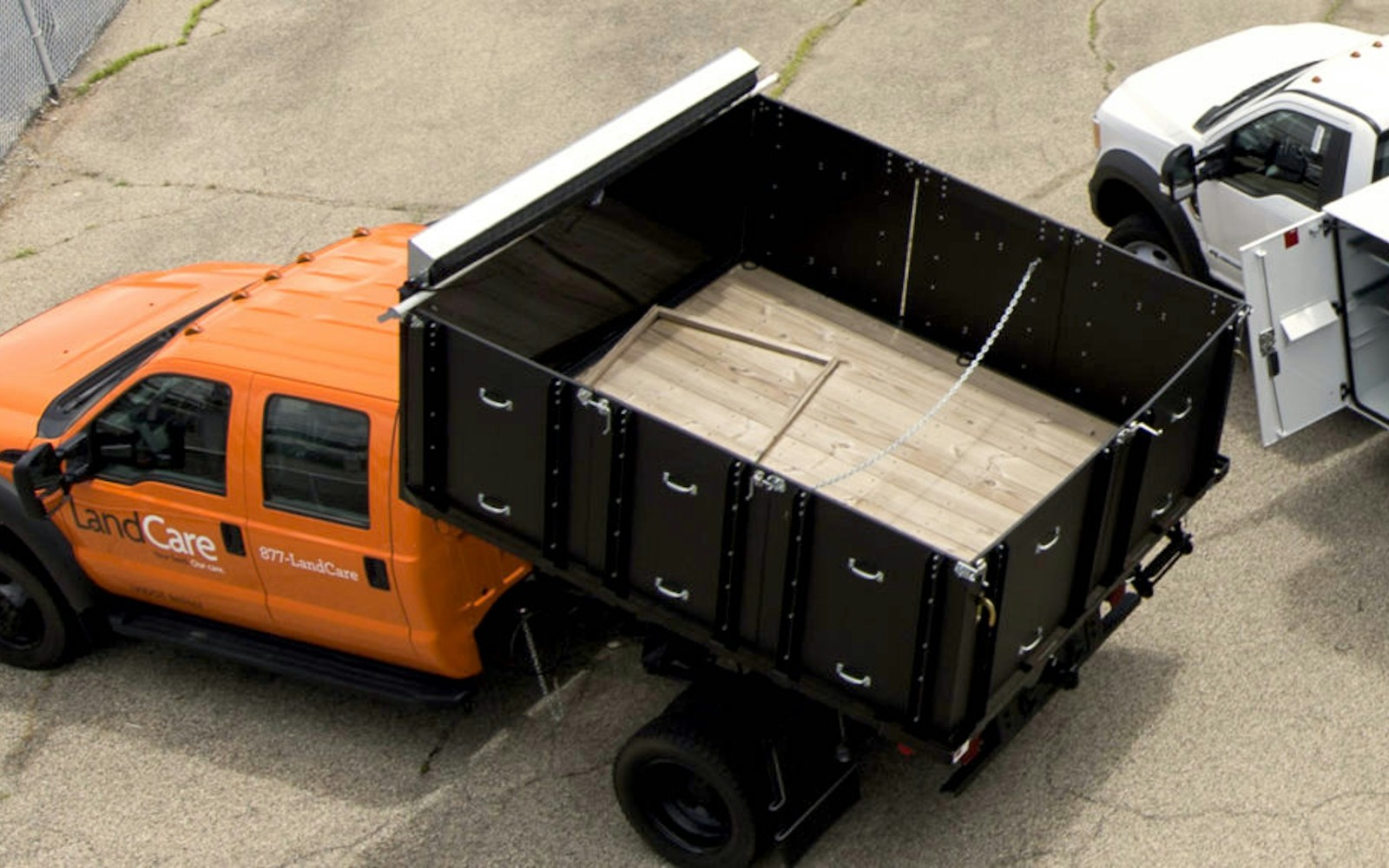
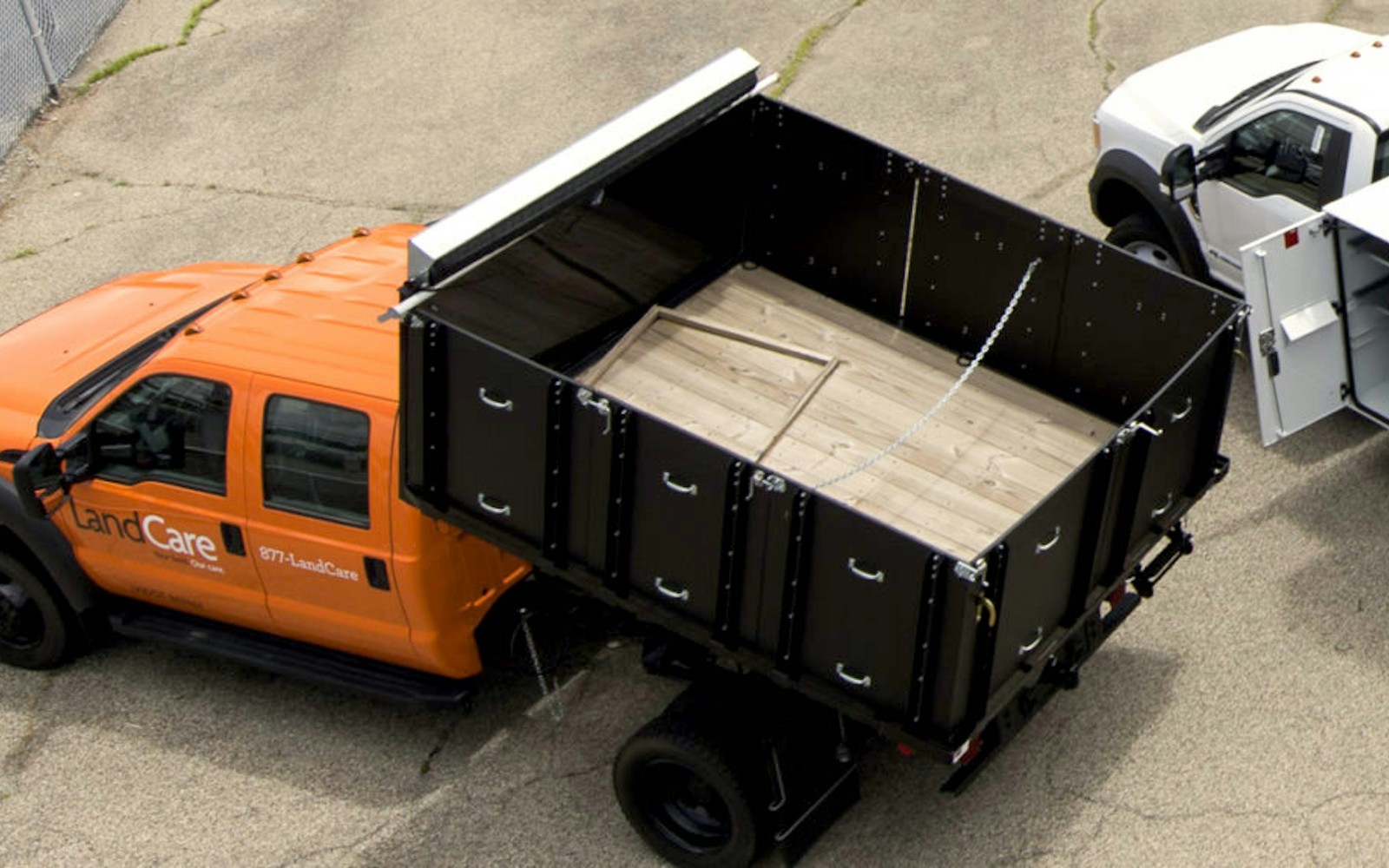
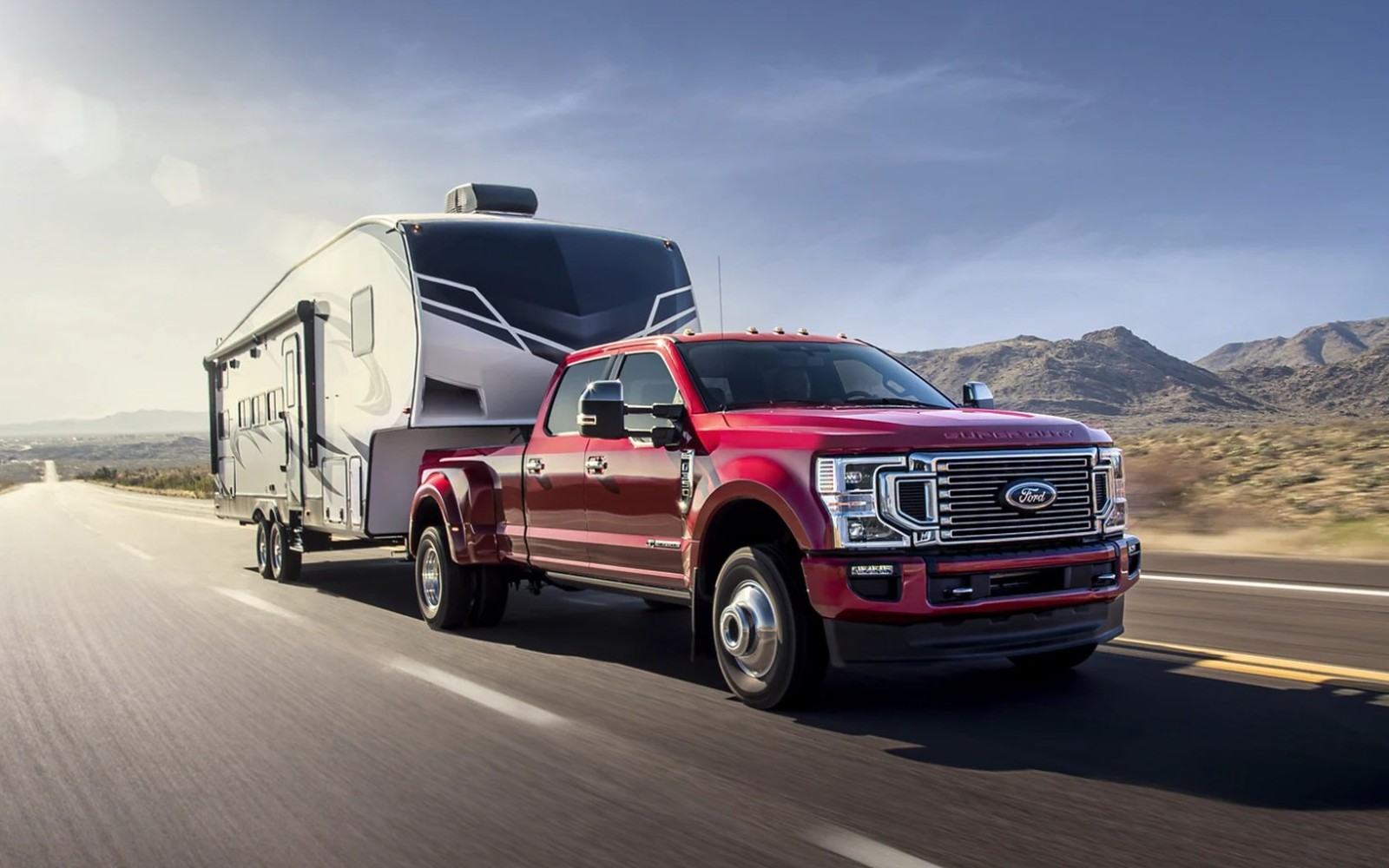
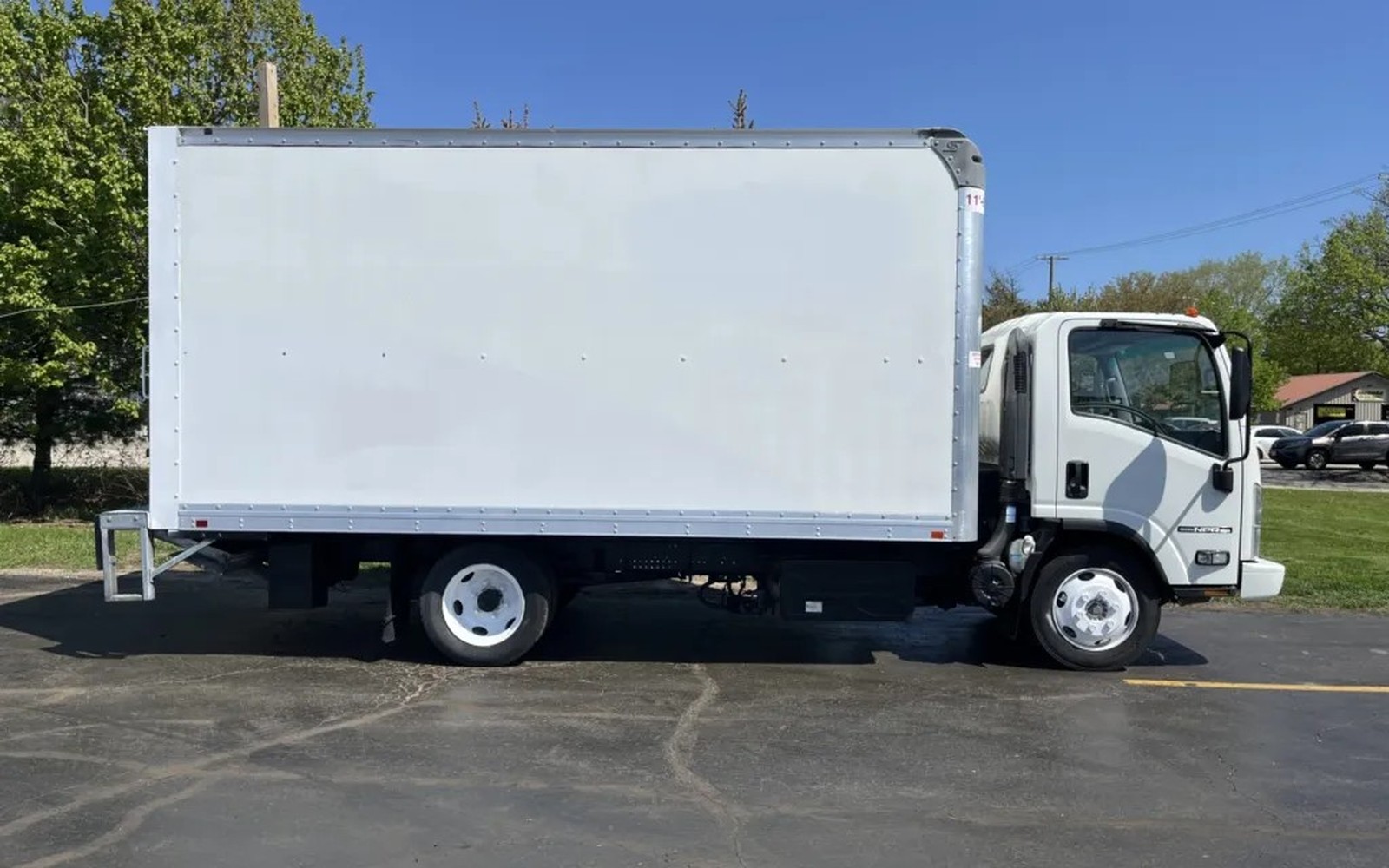
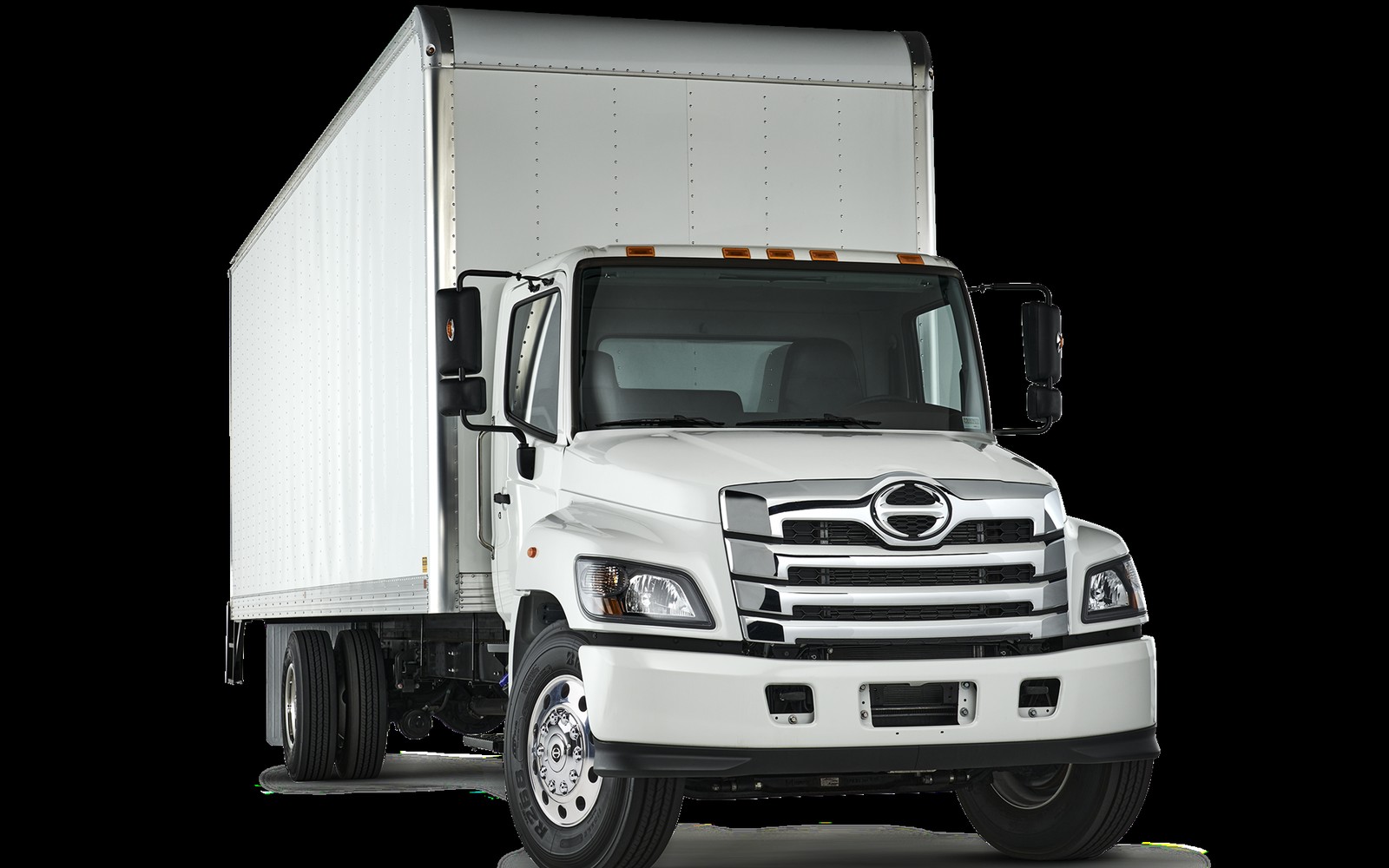
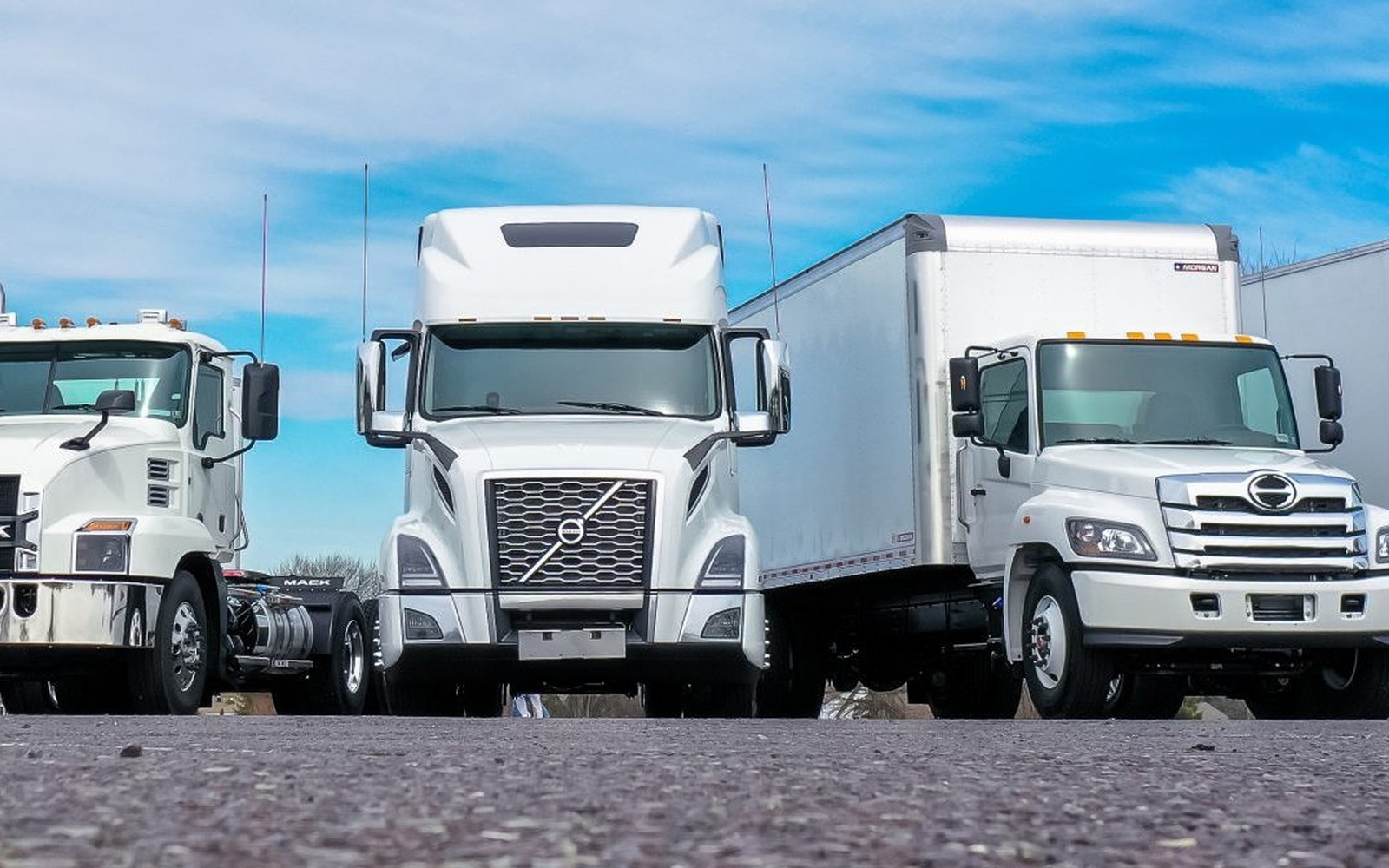
The landscape truck market centers on medium-duty platforms with specialized upfit bodies. An F-450 or F-550 with a dovetail landscape body and rear ramp is a common choice for smaller landscaping operations. Larger commercial contractors step up to Class 5 and Class 6 platforms from Ford Commercial, Isuzu, or Hino with enclosed landscape bodies, spray rigs, or multi-purpose utility bodies that can carry crew, equipment, and materials on the same unit.
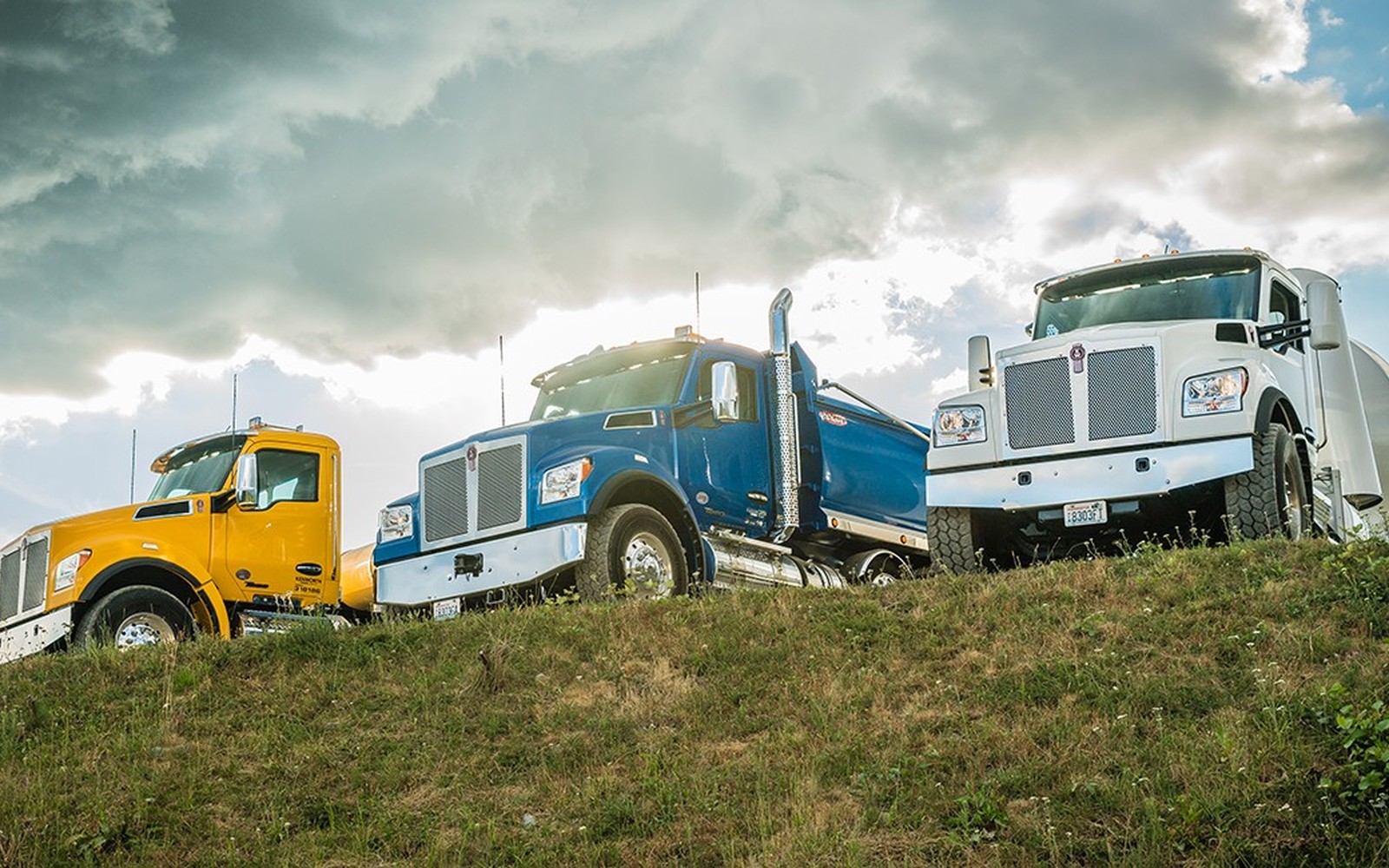
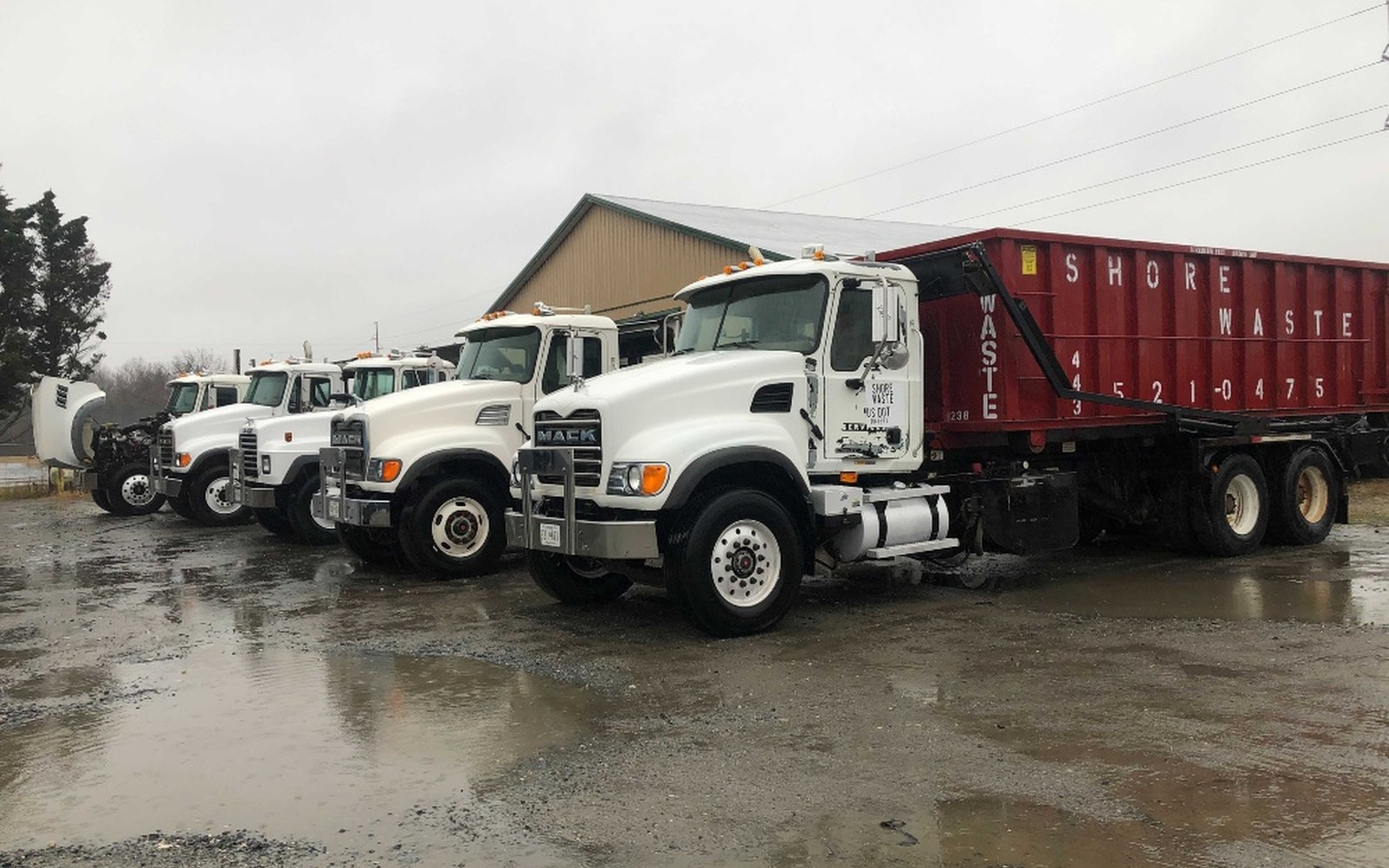
Dump trucks in landscaping cover two primary functions. Bulk material delivery of topsoil, mulch, stone, and compost uses single-axle and tandem-axle dump trucks in the eight-yard to fourteen-yard range. Debris removal uses the same equipment to haul clippings, brush, and demo materials to the transfer station or compost facility. A landscape contractor who does significant install work alongside maintenance often needs multiple dump truck cycles per crew per day during peak installation months.
Stake bed trucks for plant nursery deliveries and tree transport carry balled-and-burlapped trees, palletized plants, and rolled sod. The stake bed configuration allows for tall, unstable loads that an enclosed box truck cannot accommodate. For landscape installers who source directly from wholesale nurseries, a stake bed or flatbed unit is an essential part of the fleet mix.
Trailer financing is relevant for landscaping operations that need to pull zero-turn mowers and compact equipment. Open landscape trailers and enclosed equipment trailers used to transport riding mowers, skid steers, and small loader attachments can sometimes be included in a truck-plus-trailer package deal. We assess the feasibility of including trailers on a deal-by-deal basis.
Seasonal Cash Flow and Financing Structures
Landscaping is intensely seasonal in most markets. Northern states see revenue compress significantly from November through March. Southern markets have longer growing seasons but still experience slower periods. A landscape contractor taking on a truck payment that runs equally through all twelve months may find that the slow-season months put strain on cash flow that is not there in peak season.
Our seasonal payment program adjusts monthly obligations to match when revenue actually flows. Higher payments during the eight to nine month growing season, lower payments during the off-season, gives a landscaping company the ability to add equipment without overextending during the slow months. This structure is specifically valuable for seasonal service businesses like landscaping that have clear revenue cycles.
Snow removal contractors who use their trucks year-round may not need seasonal payment structures, but they do need financing that recognizes the dual-use nature of their fleet. A landscape dump truck that runs snow plow routes from November through March is a year-round asset that supports year-round payments. We structure financing to reflect the actual utilization of the truck across the full year.
Landscape contractors who want to replace older trucks and lower their maintenance overhead can use a fleet refinance to consolidate older individual truck notes and improve their overall rate. This is particularly relevant for landscaping companies that have added trucks one at a time over several years at different rates from different lenders.