Landscape trucks do not fit neatly into standard equipment categories, and most general-purpose fleet lenders treat them that way: awkwardly. The body configurations that landscape companies run, whether chip bodies, dovetail stake beds with ramp systems, crew-cab pickups with landscape racks, or specialized debris-dump configurations, are purpose-built for an industry with distinct seasonal cash flow patterns and a client base that expects multiple crews to show up on the same day. Financing that does not account for those realities costs landscape operators real money.
We finance landscape trucks because we understand the economics behind them. A landscape company adding a crew adds a truck at the same time. The truck payment is part of the crew's cost-per-job calculation, and it needs to be structured to work during a season that typically concentrates 60 to 75 percent of revenue in spring and summer in most northern markets. Leaf work and snow push revenue into fall and winter, but the margin on that work varies widely by contract type.
Our minimum deal size is $50,000 and most landscape truck transactions run between $75,000 and $350,000 depending on fleet size and body type. Application-only approval covers deals up to approximately $400,000. B and C credit is considered. Deals fund in about one to two weeks from a completed application.
Landscape Truck Configurations We Finance
Landscape trucks encompass several distinct body types, and each has its own residual value profile and operational purpose. The most common configurations we finance:
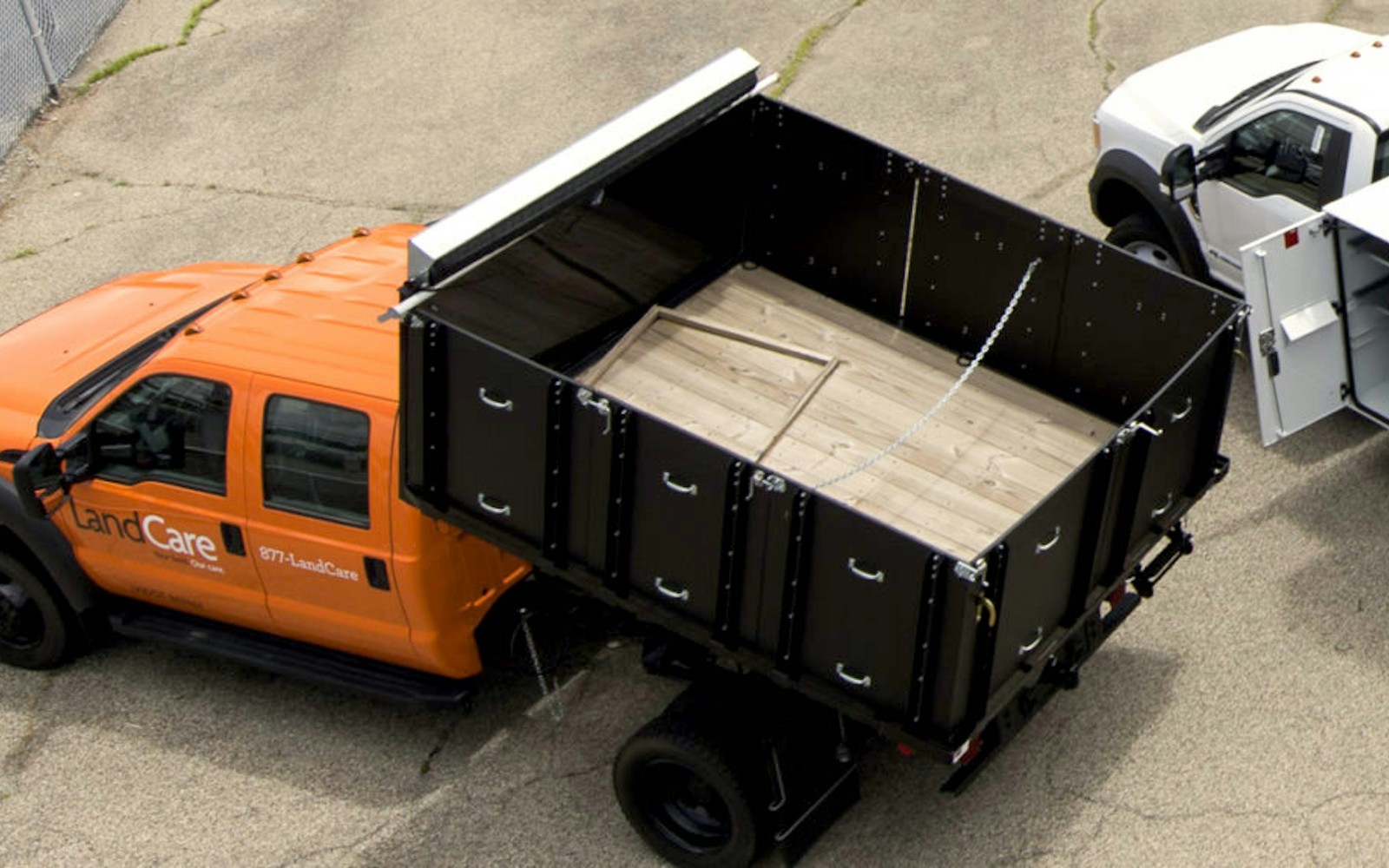
- Chip body trucks: Open-top bodies with high sides designed to carry debris, brush, and green waste. These dominate tree service and municipal landscaping operations. A Class 4-6 chassis with a 12-to-16-foot chip body typically costs $70,000 to $130,000 new.
- Dovetail stake beds with ramp systems: Used for loading and transporting zero-turn mowers, compact tractors, and skid steers to job sites. The dovetail configuration and built-in ramps allow equipment to drive on and off without a separate trailer.
- Crew-cab configurations: Pickup trucks (Class 2-3) or medium-duty trucks with extended cab seating combined with a utility body, stake bed, or landscaper body. These move crew and tools simultaneously.
- Debris dump trucks: Small to mid-size dumps specifically used for soil, mulch, and yard waste. Often a Class 4-5 unit with a hydraulic dump body in the 5-to-8-yard range.
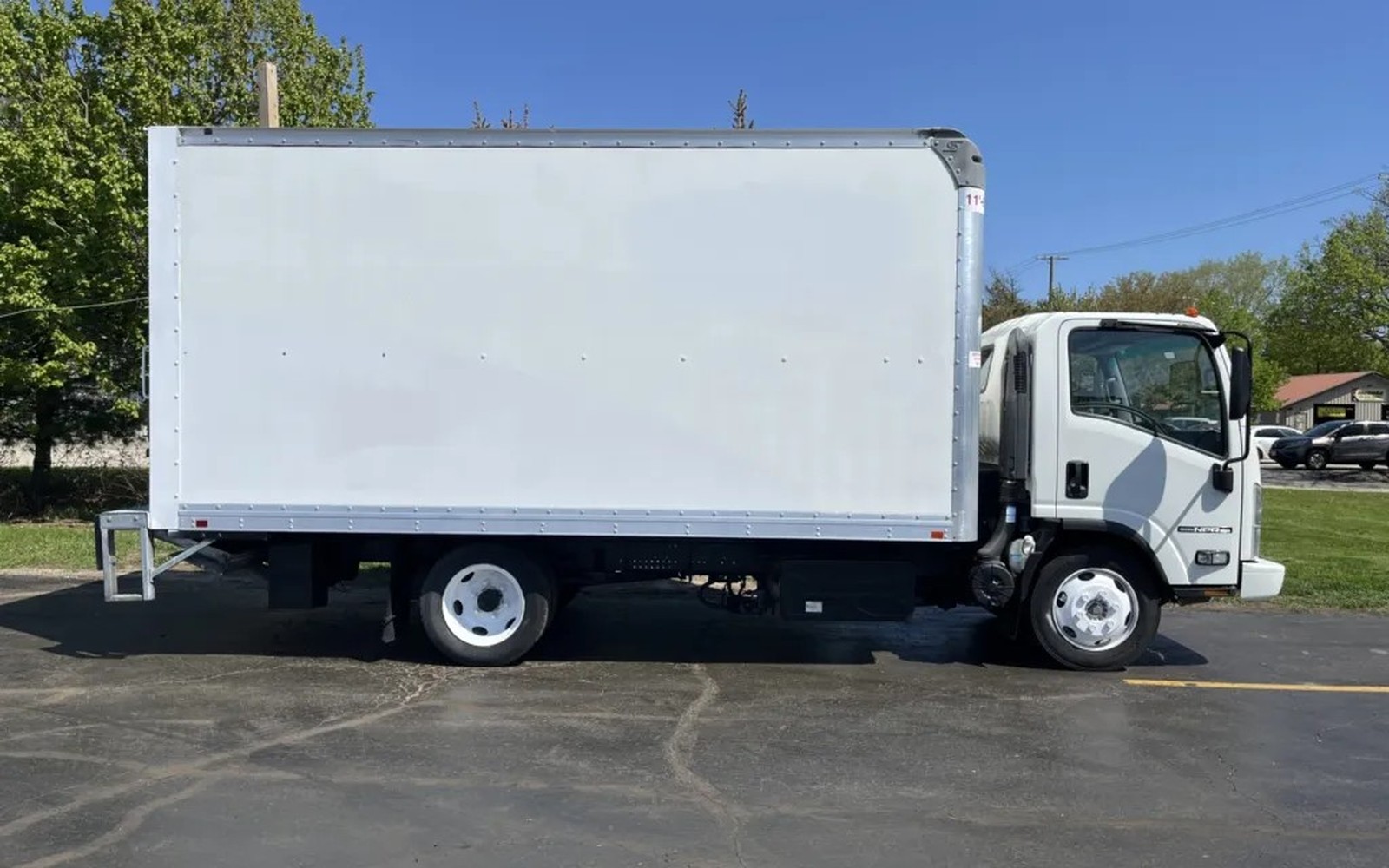
The specific configuration matters to residual value. A chip body on a reliable chassis like a Isuzu medium-duty truck holds value well because demand for that combination is consistent in the landscape and tree service market. A crew-cab pickup with a custom landscaper rack has more limited resale appeal outside the green industry.
Landscape Operations We Work With
Landscape truck financing covers a range of operator types that often have very different fleet needs even within the same general industry.
Commercial landscape maintenance companies serving HOAs, corporate campuses, and retail properties run tight schedule-driven operations where multiple crews run multiple trucks simultaneously. Downtime on one truck can cascade across a day's schedule. These operators typically want newer, lower-maintenance units and replace them on four-to-six-year cycles.
Tree service companies use chip bodies heavily and often run a mix of ages in their fleet. A newer chip body truck for high-volume work alongside a paid-off older unit for lighter jobs or backup is common. We can refinance the older unit and use that capital toward the new one in a single transaction.
Operators in the landscaping fleet segment who also run snow removal routes depend on their trucks year-round, which justifies a more aggressive financing posture because the utilization is higher and the seasonal revenue gap is smaller.
Residential landscape companies growing from a pickup-and-trailer operation to a dedicated landscaper truck are often making their first significant equipment finance commitment. We work with those operators, including those with B and C credit profiles, to structure deals that fit where the business is today while giving it room to grow.
Seasonal Payment Structures for Landscape Fleets
Standard level monthly payments work for many landscape operators, but not for all of them. A company in a northern market that genuinely does minimal revenue from December through February is not well-served by a 12-equal-payment structure if three of those months strain cash flow while three others are flush.
We offer seasonal and deferred-payment financing specifically for operators with proven seasonal revenue patterns. The most common structure concentrates payments in the eight to ten months of active revenue and reduces or skips payments in the true off-season. The total amount paid over the life of the deal is comparable to a level-payment structure; the difference is in the timing.
For landscape operators who also run snow plowing and can demonstrate year-round revenue through bank statements, the case for seasonal structure is weaker and a level payment typically produces a better rate. We will model both and show you the numbers.
Using Existing Trucks to Fund Fleet Growth
Landscape companies that have been operating for several years often have significant equity in older trucks that are paid off and still running. A sale-leaseback converts that equity to cash without removing the truck from service. The proceeds can fund a new crew truck, cover payroll through an off-season, or buy equipment to add a service line.
Our cash-out truck refinance works similarly for trucks still carrying a balance: if the payoff is well below current market value, we refinance at a higher amount and the difference comes to you as cash. Both programs start at $50,000 in equipment value.
Landscape operators who also run stake bed trucks for material delivery or need a dump truck for soil and mulch removal can include those units in the same financing package, covering the full range of their working fleet in a single transaction.