Oilfield service truck fleets run in cycles. When a basin is active, the work piles up fast, day rates are strong, and the operators with equipment available take everything on the board. When activity slows, the same operators carry fixed costs on trucks that are sitting. Building a fleet during an up-cycle requires moving quickly, and that means financing that closes as fast as the basin is moving.
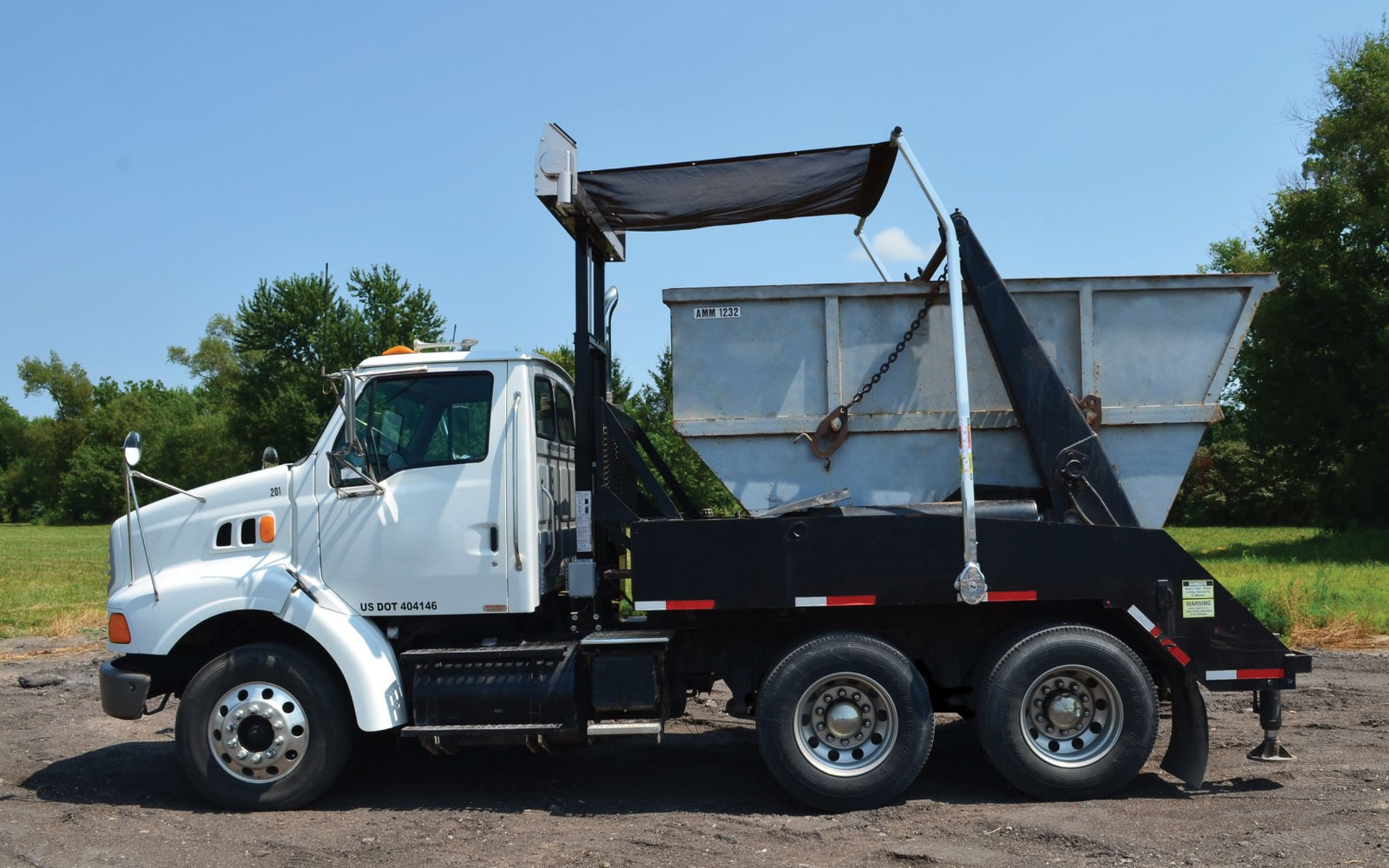
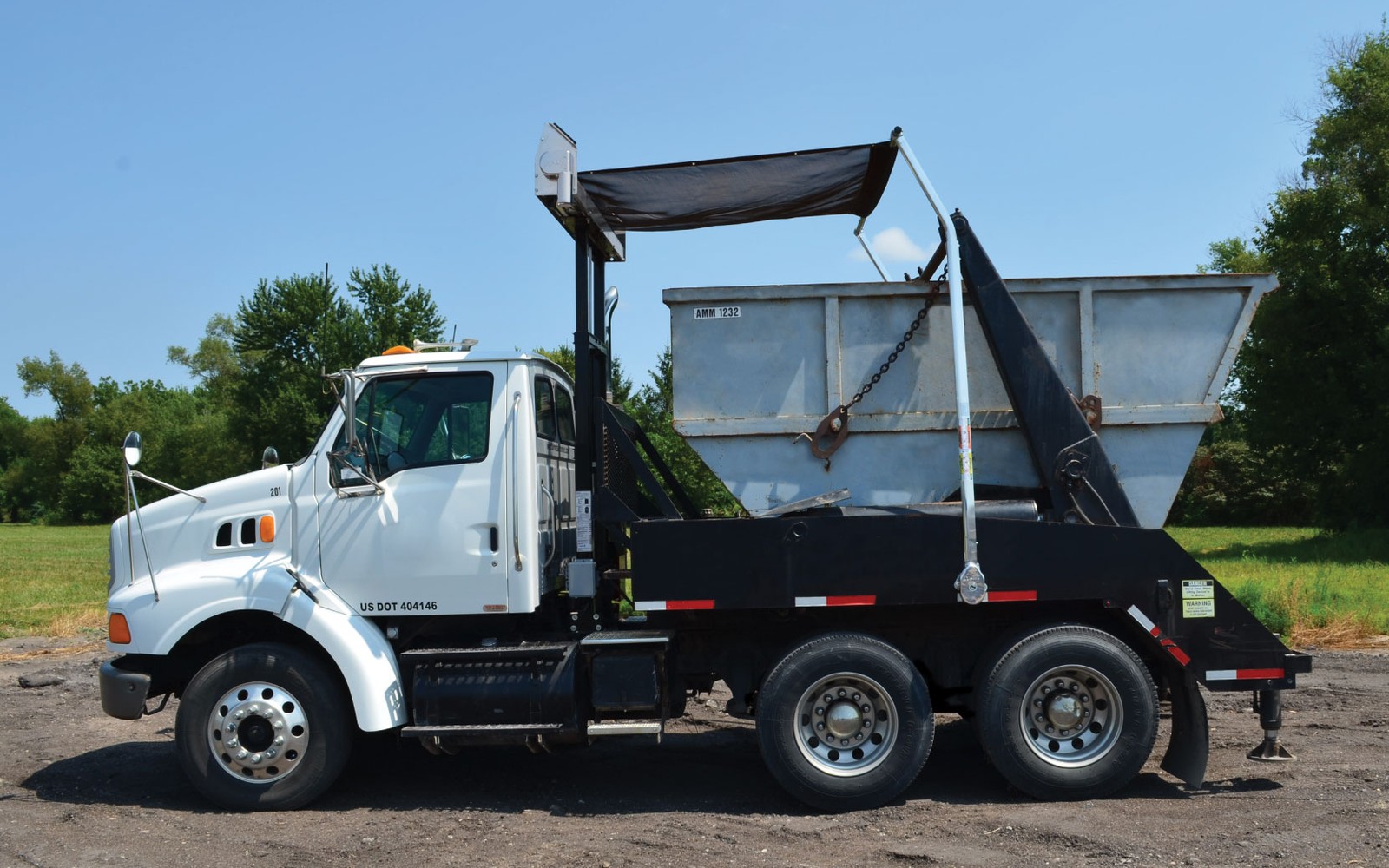
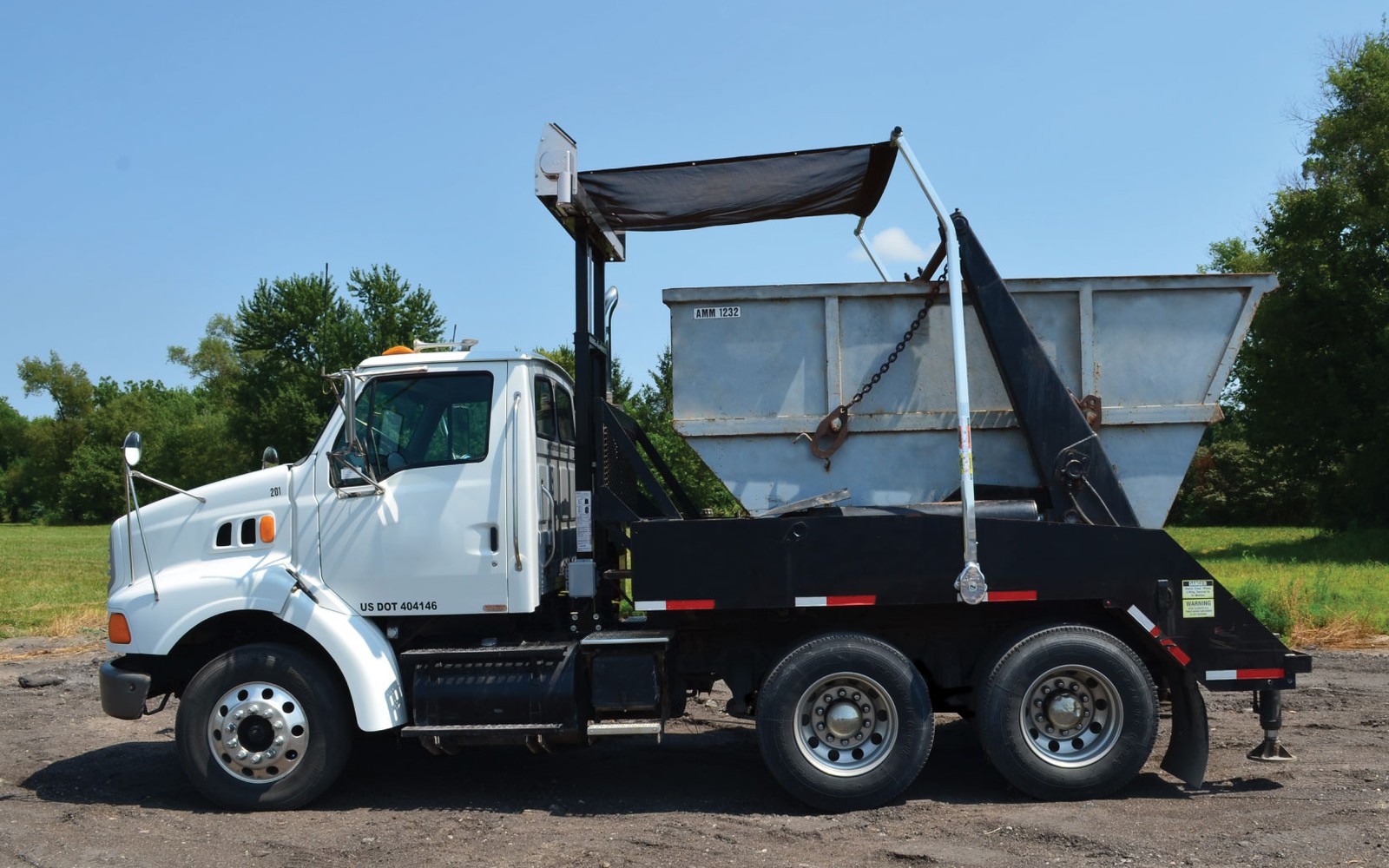
We finance oilfield services truck fleets for operators working the Permian Basin, the Eagle Ford, the Bakken, the DJ Basin, and the Appalachian region's Marcellus and Utica formations. The truck types in oilfield services are specific to the work: vacuum trucks for fluid management and pit cleaning, water trucks for drilling and completion fluid delivery, fuel and lube trucks for on-location equipment fueling and maintenance, and flatbed trucks for pipe, casing, and equipment transport. Service trucks and wireline trucks round out the fleet picture for many oilfield operators.
Deals start at $50,000. Oilfield service trucks are often high-value, heavily configured units; a vacuum truck or a properly equipped fuel and lube truck can run $150,000 to $350,000 depending on tank capacity, pump configuration, and chassis spec. Multi-unit packages for crew mobilizations are common. Application-only approval reaches approximately $400,000 for established oilfield operators. The documentation standard is three months of business bank statements plus a credit application.
Basins, Cycles, and Fleet Timing
The Permian Basin in West Texas and southeastern New Mexico is the highest-production oil basin in the United States, and operators based in and around Houston, TX, Dallas, TX, and the Midland-Odessa area support the bulk of the oilfield services truck fleet in that basin. The Eagle Ford Shale in South Texas is another major activity center, with operators running out of San Antonio and Laredo corridors into the well pads.
The Bakken formation in North Dakota and the DJ Basin in Colorado represent significant activity for operators in the northern and mountain west regions. The Marcellus and Utica shale plays in Pennsylvania, West Virginia, and Ohio drive oilfield services activity in the east, with operators staging equipment in areas near Pittsburgh, PA and moving into the producing counties from there.
Basin activity creates concentrated fleet demand in short windows. An operator who can mobilize a four-truck vacuum and water truck package within two weeks of a well permit being issued can capture work that a slower operator misses entirely. Our financing is structured for that pace.
Oilfield Truck Configurations: What We Finance
Vacuum trucks used in oilfield applications carry larger tank capacities than standard grease trap or municipal vacuum units. A crude oil or saltwater vacuum truck running pit cleaning and fluid transfer work may carry 4,000 to 7,000 gallons of capacity on a Class 8 chassis. The pump and vacuum system, along with any contained heating systems for viscous crude, are all part of the collateral package. We work with lenders who value the complete configured unit, not just the chassis and tank shell.
Water trucks for oilfield use range from 4,000-gallon units on medium-duty chassis to 7,000 to 10,000-gallon units on Class 8 platforms. These trucks supply fresh water or produced water for drilling mud mixing, completion fluid staging, and dust suppression on lease roads. The tanks are fiberglass or steel, with pump and spray systems that add to the total value. We finance complete water trucks as single collateral units.
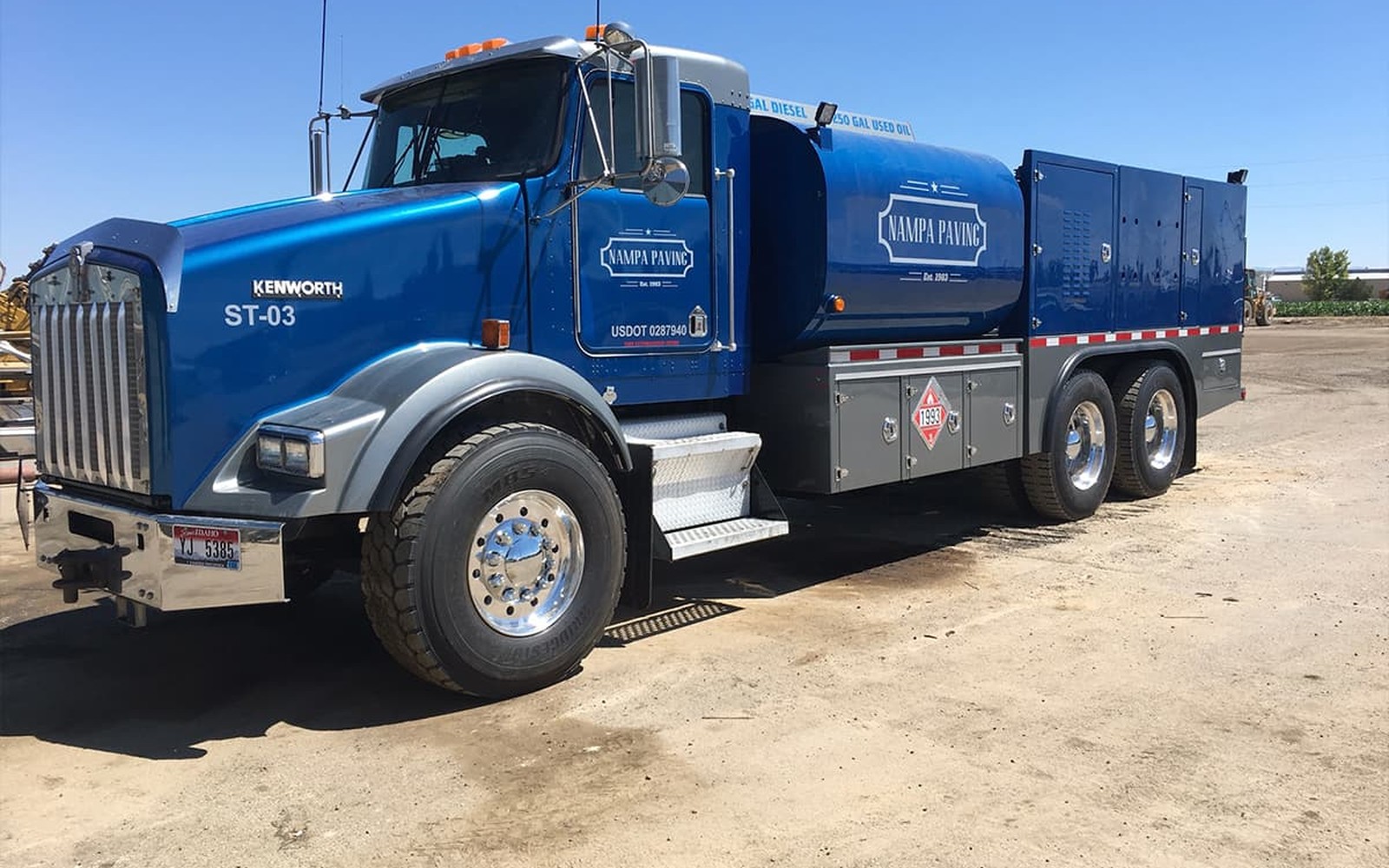
Fuel and lube trucks serve the on-location equipment fleet. A properly configured fuel and lube truck carries diesel fuel, motor oil, hydraulic fluid, and grease in compartmentalized tanks, with DEF, air compressor, and sometimes a hydraulic fluid pump system installed. These are high-value configurations that lenders unfamiliar with oilfield services may undervalue. We make sure the lender we place your deal with understands what they are financing.
Pipe and casing transport on flatbed trailers requires specific tie-down and bolster configurations for long string pipe. These specialized flatbed setups are part of what we finance for oilfield operators moving tubular goods between the pipe yard and the well site.
Financing Oilfield Operators Through the Cycle
Oilfield services operators often have lumpy financial histories because the industry is cyclical. A down-cycle period where revenue dropped and some obligations were stretched is not unusual in this business, and lenders who understand the oil and gas sector know how to evaluate that history in context. We work with lenders who have oilfield services in their portfolio and who review a current cash flow picture rather than penalizing operators for history that reflects a commodity price downturn rather than operator failure.
Our B and C credit fleet financing program is useful for oilfield operators coming out of a slow period with improving current revenue. The bank statements showing recent work activity are the most important input for these deals. If the last three months look good, we have a path to financing even if the credit file carries scars from a difficult prior period.
For operators with equity in existing paid-off trucks from a prior build cycle, a cash-out refinance on those units can generate capital to add additional trucks without depleting working capital. Oilfield operators use this approach to fund mobilization costs, add operators, and cover insurance before the first invoices from a new contract start flowing.